Women’s Sports Leagues Driving Global Gender Equity Movements

Last updated by Editorial team at sportsyncr.com on Wednesday 14 January 2026
Article Image for

Women's Sports in 2026: The New Global Standard for Performance, Equity, and Growth

From Undervalued Sideshow to Global Powerhouse

Wow! women's sports have moved decisively from the margins of the sports industry to the center of global cultural and economic influence, and this shift is no longer treated as an emerging trend but as a structural reality that is reshaping how federations, brands, media, and policymakers think about value, leadership, and inclusion. What was once framed as an aspirational project around gender equality has become a proven business case, with women's leagues in football, basketball, cricket, tennis, combat sports, and e-sports delivering record-breaking audiences, robust sponsorship pipelines, and a level of cultural resonance that extends far beyond the playing field into boardrooms, classrooms, and political debates.

For platforms like Sportsyncr, which sit at the intersection of sports, business, and culture, this evolution is not merely a story to be covered; it is a long-term strategic lens through which the future of the global sports economy is now interpreted. The ongoing commitments of institutions such as FIFA, UEFA, the International Olympic Committee (IOC), and the WNBA to invest in women's competitions, infrastructure, and leadership pathways have fundamentally altered the narrative, proving that when the same standards of professionalism and capital are applied, women's sports do not just "catch up" but often outperform expectations and redefine best practice for the industry as a whole.

Historical Foundations: Decades of Advocacy Behind Today's Momentum

The acceleration visible in 2026 rests on decades of advocacy and incremental reform, from the impact of Title IX in the United States to landmark individual campaigns led by pioneers such as Billie Jean King, Serena Williams, and Marta, who challenged both institutional discrimination and commercial underinvestment. For much of the 20th century, women were systematically excluded from professional structures, denied equal access to facilities, and marginalized in media coverage, despite clear evidence of public appetite whenever they were given a platform, as seen in the early waves of women's World Cups and Grand Slam tennis finals.

The digital revolution of the 2010s and early 2020s provided the inflection point that transformed advocacy into scalable opportunity. As social networks like Instagram, YouTube, and TikTok enabled athletes to build direct relationships with global audiences, they effectively bypassed traditional gatekeepers and forced broadcasters and sponsors to recognize the depth of demand. Streaming platforms and global sports networks began to experiment with dedicated women's content, and once data made the commercial case undeniable, investment followed. Analysts at organizations such as Deloitte and PwC began to track women's sports as a distinct and rapidly growing asset class, forecasting revenue trajectories that few mainstream executives had anticipated a decade earlier.

The Economics of Women's Sports in 2026

By 2026, the global women's sports market is widely estimated to be surpassing the billion-dollar threshold in annual revenues, but the more important development is the diversification of those revenue streams across broadcast rights, digital subscriptions, licensing, sponsorships, ticketing, and emerging direct-to-fan models. Leagues such as the Women's Super League (WSL) in the United Kingdom and the National Women's Soccer League (NWSL) in the United States have become case studies in how targeted investment in competition quality, marketing, and community engagement can rapidly translate into sell-out crowds, international media deals, and club valuations that rival mid-tier men's properties.

Corporate partners that once treated women's sports as an add-on or corporate social responsibility exercise now view them as core growth properties, particularly in markets like Europe, North America, and Asia where younger consumers demand visible commitments to diversity and equity. Brands such as Nike, Adidas, Visa, Barclays, and Coca-Cola have deepened their multi-year partnerships with women's leagues, national teams, and marquee events, while companies from technology, finance, and healthcare increasingly see women's sports as an efficient way to connect with highly engaged, digitally literate audiences. Learn more about sustainable sports business models through resources such as Harvard Business Review and The World Economic Forum, which frequently highlight how gender-inclusive strategies correlate with long-term organizational resilience.

On Sportsyncr Business, editors and analysts have observed that the commercial logic of investing in women's sports aligns with broader global shifts toward stakeholder capitalism, where returns are measured not only in financial performance but also in brand equity, social impact, and regulatory goodwill. As governments in regions like the European Union, United Kingdom, and Australia continue to strengthen gender equality legislation, companies that visibly support women's sports gain strategic advantages in public procurement, labor-market competitiveness, and investor relations.

Media, Storytelling, and the Transformation of Visibility

Media coverage has long been the bottleneck for women's sports, but by 2026, the landscape has undergone a substantial recalibration as major broadcasters and digital platforms compete for rights and original storytelling opportunities. Outlets such as BBC Sport, The Guardian, The New York Times, and ESPN now maintain dedicated women's sports desks that deliver continuous reporting, tactical analysis, and investigative work, while global streaming services like DAZN, Amazon Prime Video, and Netflix invest in documentaries and behind-the-scenes series that frame female athletes as central protagonists in contemporary culture.

This visibility does more than generate ratings; it shapes cultural memory and influences how young people understand who belongs in elite sport. When viewers in the United States, Germany, Japan, Brazil, or South Africa can routinely watch women's football, basketball, cricket, or MMA in high production quality and prime time slots, the notion that women's competitions are a secondary product becomes untenable. The shift is reinforced by digital-native publishers and social platforms that amplify viral moments-from a last-minute goal in the UEFA Women's Champions League to a world-record sprint or a breakthrough in women's surfing-ensuring that these achievements circulate globally in real time.

For readers following this media evolution, Sportsyncr News offers a curated lens on how editorial priorities, broadcast strategies, and fan behavior are converging to create a more balanced ecosystem, while broader media industry analysis can be explored through sources such as Reuters Institute and Nieman Lab.

Technology as an Equalizer and Accelerator

Technology has become one of the most decisive enablers of gender equity in sports, not only by enhancing performance and fan engagement but also by providing granular data that exposes outdated assumptions. Advances in sports science-ranging from GPS tracking and biomechanical analysis to AI-driven injury prevention-are increasingly being applied equally across male and female squads, allowing clubs and national teams to tailor training loads, recovery protocols, and tactical strategies to the specific physiological needs of women athletes rather than treating men's data as the default.

Wearable tech innovators and platforms such as Whoop, Garmin, and Apple have introduced features that account for menstrual cycles, hormonal variations, and other factors that historically were either ignored or misunderstood in high-performance environments. Studies published through outlets like The Lancet and BMJ Sports & Exercise Medicine have reinforced the importance of sex-specific research, contributing to a new generation of evidence-based coaching methodologies that are now standard in leading clubs in France, Spain, Italy, Netherlands, and Scandinavia.

From a fan perspective, AI-powered recommendation engines and personalized streaming interfaces make it easier for audiences in Canada, Australia, Singapore, South Korea, and New Zealand to discover and follow women's competitions across time zones and platforms. At Sportsyncr, coverage on technology and science emphasizes how data analytics, virtual production, and immersive experiences are closing historical gaps in exposure and monetization, while also raising important questions around data governance, privacy, and algorithmic bias that stakeholders must address to maintain trust.

Culture, Identity, and the Politics of Representation

Women's sports in 2026 function as a powerful cultural engine, driving conversations about identity, fairness, and social responsibility across Europe, Asia, Africa, North America, and South America. Teams like the U.S. Women's National Soccer Team (USWNT), England's Lionesses, and Australia's Matildas have become emblematic of broader movements for gender equality, LGBTQ+ inclusion, and anti-racism, using their platforms to advocate for policy reform, safe working conditions, and more representative leadership in sports governance.

Hashtags and campaigns such as #EqualPay, #HerGameToo, and #WomenInSport continue to mobilize fans, sponsors, and politicians, often translating social media momentum into tangible change, from equal pay agreements and maternity protections to anti-abuse protocols and improved safeguarding standards. Organizations like UN Women and Equality Now have increasingly partnered with federations and clubs to design frameworks that connect elite sport with community-level empowerment, ensuring that the symbolic victories achieved in stadiums have practical consequences in schools, workplaces, and public policy.

For audiences of Sportsyncr Culture and Sportsyncr World, these developments illustrate how women's sports are not just reflecting shifting norms but actively shaping them, particularly in regions where female participation in sport has historically been constrained by legal, religious, or social barriers. Grassroots programs in Middle Eastern, African, and South Asian countries, often supported by NGOs and local entrepreneurs, are leveraging the visibility of global stars to encourage girls to participate in football, athletics, volleyball, and emerging disciplines, thereby challenging entrenched stereotypes and opening new educational and professional pathways.

Global League Expansion and Market Diversification

The global map of women's professional leagues has expanded dramatically, creating new hubs of influence and competition. In Europe, the UEFA Women's Champions League has evolved into a premium property with widespread broadcast coverage, robust sponsorship from financial and technology partners, and club brands like FC Barcelona Femení, Olympique Lyonnais Féminin, and Chelsea Women that enjoy international recognition. In North America, the WNBA and NWSL have deepened their footprint, with franchise valuations climbing, collective bargaining agreements strengthening player rights, and expansion franchises in markets like Canada and the United States West Coast drawing substantial investor interest.

In Asia, countries such as Japan, China, South Korea, and Thailand are investing in domestic women's football, basketball, and volleyball leagues, often as part of national strategies to boost public health, international soft power, and Olympic performance. India's women's cricket ecosystem, anchored by the Women's Premier League (WPL), has quickly become one of the most commercially successful women's properties in the world, attracting global talent and multinational sponsors while transforming perceptions in a traditionally male-dominated cricket culture.

Across Africa and South America, federations in Nigeria, South Africa, Brazil, and Argentina are formalizing professional structures, standardizing contracts, and aligning calendars to integrate women's competitions into broader commercial strategies. International governing bodies such as FIFA and World Rugby are incentivizing these developments through targeted funding, hosting rights, and technical support. For readers exploring how this expansion intersects with labor markets and professional mobility, Sportsyncr Jobs offers ongoing analysis of new career pathways in coaching, analytics, marketing, and administration that are emerging around women's leagues.

Sponsorship, Brand Strategy, and Narrative Equity

Sponsorship in women's sports has evolved from logo placement to narrative equity, where brands seek not only visibility but alignment with authentic stories of resilience, innovation, and community impact. Research from consultancies like McKinsey & Company and EY shows that younger consumers in markets such as the United States, United Kingdom, Germany, France, and the Nordic countries consistently reward companies that support gender equality with higher brand affinity and purchase intent, particularly when initiatives are long term and transparent.

Partnerships like Barclays' title sponsorship of the FA Women's Super League, Visa's multi-cycle commitment to the FIFA Women's World Cup and UEFA Women's competitions, and Nike's investment in women-specific product lines and storytelling campaigns have set benchmarks for integrated activation, where community clinics, leadership academies, and digital content strategies are embedded into the sponsorship architecture. These partnerships often involve cross-sector collaboration with universities, NGOs, and public agencies to ensure that investment reaches not only elite athletes but also grassroots participants.

For Sportsyncr Sponsorship and Sportsyncr Brands, the key insight is that women's sports have become a proving ground for purpose-driven marketing, where the credibility of a brand's social commitments is tested in real time by fans who are adept at distinguishing between genuine support and superficial messaging. This dynamic has encouraged more rigorous measurement of impact, including tracking participation rates, employment outcomes, and media representation as core performance indicators alongside traditional metrics like reach and return on investment.

Policy, Pay Equity, and Institutional Reform

Despite substantial progress, pay equity remains one of the most contested and scrutinized areas in women's sports. Landmark agreements, such as the USWNT's equal pay settlement with U.S. Soccer and the Brazilian Football Confederation's decision to equalize match fees for men's and women's national teams, have demonstrated that parity is both feasible and politically popular, but implementation across leagues and countries is uneven. Prize money gaps in global events, including the FIFA Women's World Cup and various tennis and athletics series, continue to highlight structural imbalances in revenue distribution and bargaining power.

Policy frameworks are slowly catching up. Federations and leagues are incorporating equality clauses into their statutes, while governments in regions such as Europe, Canada, and Australia are exploring regulatory levers-ranging from funding conditions to reporting requirements-to incentivize or mandate gender-balanced investment. Advocacy organizations like The Women's Sports Foundation and UNESCO's sport and gender equality initiatives remain central to these efforts, providing data, legal expertise, and global benchmarking that inform negotiations and public debate.

On Sportsyncr World and Sportsyncr Business, analysts emphasize that pay equity is not simply a moral imperative but a growth strategy: when athletes are compensated fairly, they can commit fully to their careers, driving higher performance, better entertainment value, and more sustainable fan engagement. Furthermore, equitable conditions help attract and retain diverse talent in coaching, officiating, and administration, creating a virtuous cycle of professionalism that benefits the entire sports ecosystem.

Grassroots Development, Health, and Long-Term Participation

The long-term success of women's sports depends on robust grassroots systems that connect physical activity, health, education, and social mobility. In 2026, many of the most impactful programs operate at the intersection of sport and public health, recognizing that participation by girls and women correlates with improved physical and mental well-being, higher educational attainment, and greater economic independence. Governments and NGOs in regions such as Africa, South Asia, and Latin America are using sport as a tool to address issues ranging from early marriage and school dropout to non-communicable diseases and social isolation.

Initiatives like Khelo India in India, national school sports strategies in China and Singapore, and community-based football and athletics projects in Kenya, Ghana, and South Africa demonstrate how structured access to facilities, coaching, and competition can transform local communities. Digital platforms and low-cost mobile applications now deliver training plans, nutrition guidance, and mentorship content directly to participants, reducing the historical dependence on centralized elite academies.

On Sportsyncr Health and Sportsyncr Fitness, coverage increasingly focuses on the continuum from recreational participation to elite performance, highlighting how policy decisions around school sport, urban planning, and healthcare funding influence the pipeline of future professionals and the broader well-being of populations in North America, Europe, Asia, and beyond.

Gaming, Esports, and the Digital Frontier of Women's Competition

The definition of sport is expanding, and women are playing a central role in that evolution through their growing presence in esports, virtual racing, and gaming-adjacent competitions that attract massive global audiences. Organizations like Riot Games and Blizzard Entertainment have launched initiatives to increase female representation in professional leagues and production teams, while third-party tournament organizers experiment with mixed-gender formats and women-only circuits designed to counter historic barriers such as harassment and unequal access to sponsorship.

This digital frontier is particularly significant for younger demographics in markets like South Korea, Japan, China, Nordic countries, and North America, where gaming is a dominant cultural force. For Sportsyncr Gaming, the rise of women in esports illustrates how the broader conversation about equity must adapt to new performance spaces, new revenue models, and new forms of fan engagement that blur the lines between sport, entertainment, and technology. Resources such as The Esports Observer and GamesIndustry.biz provide additional context on how publishers, sponsors, and regulators are integrating gender equality into rapidly evolving digital ecosystems.

Environment, Social Impact, and the Broader ESG Agenda

Women's sports are increasingly intertwined with environmental and social governance (ESG) priorities, as many women's leagues and athletes adopt strong stances on sustainability, climate action, and community investment. Tournaments in Europe, Australia, and New Zealand have experimented with low-carbon event models, inclusive ticketing strategies, and circular economy principles in merchandise and infrastructure, often setting standards that are later adopted by men's competitions.

Athletes frequently act as ambassadors for environmental organizations and campaigns, leveraging their platforms to raise awareness about issues such as air quality, ocean health, and climate justice, which disproportionately affect vulnerable communities, including women and girls. For brands and federations, aligning with these values strengthens credibility with regulators, investors, and fans who increasingly evaluate organizations through an ESG lens.

On Sportsyncr Environment, coverage explores how women's sports can serve as testbeds for sustainable innovation, from energy-efficient stadium design to responsible travel policies, while broader insights on climate and sport can be found through institutions like UN Environment Programme and the Sport for Climate Action Framework by UNFCCC.

Looking Toward 2030: Women's Sports as a Template for the Future

As stakeholders project toward 2030, women's sports are increasingly seen not as a special category but as a template for how the entire sports industry can evolve to remain relevant, resilient, and responsible in a rapidly changing world. The integration of advanced analytics, immersive media, and fan-centric business models is often more agile in women's properties, where legacy constraints are lighter and leadership teams are more open to experimentation.

For Sportsyncr, which tracks this transformation across sports, culture, and social impact, the central conclusion emerging in 2026 is that women's sports are no longer simply catching up to established standards; they are actively redefining those standards and offering a blueprint for inclusive growth that can be applied across geographies and disciplines. Whether in a packed football stadium in Spain, a basketball arena in Canada, a cricket ground in India, or an esports stage in Sweden, the message is consistent: when opportunity, investment, and respect are aligned, talent flourishes and entire ecosystems benefit.

The trajectory from 2026 to 2030 will undoubtedly involve new challenges, from economic cycles and technological disruption to political shifts and cultural backlash, but the foundations now in place-robust fan bases, credible commercial models, supportive policy frameworks, and a generation of athletes who understand their power as leaders-suggest that women's sports will remain one of the most dynamic and influential forces in global culture and business. For decision-makers, investors, and fans who wish to understand and shape this future, Sportsyncr will continue to serve as a dedicated hub, connecting insights across business, world affairs, and the evolving landscape of global sport at Sportsyncr.com.

Biotech Advancements Enhancing Athlete Performance Metrics

Last updated by Editorial team at sportsyncr.com on Wednesday 14 January 2026
Article Image for Biotech Advancements Enhancing Athlete Performance Metrics

Biotechnology and the New Era of Athletic Performance in 2026

The relationship between biotechnology and sports performance has, by 2026, matured into one of the most strategically important intersections for global sport, high-performance health, and the broader human performance economy. What began as basic physiological testing and simple blood work has evolved into a sophisticated ecosystem of genomic profiling, bioengineered nutrition, neurotechnology, regenerative medicine, and AI-driven predictive analytics. Across elite leagues, Olympic programs, esports franchises, and grassroots systems, a profound shift has taken place: intuition and experience are now systematically augmented by biological intelligence, as data from cells, tissues, and neural networks is translated into actionable performance strategies.

For Sportsyncr, which sits at the crossroads of sports, health, technology, and business, this transformation is not a distant scientific narrative but a daily reality shaping competitive balance, athlete welfare, sponsorship strategy, and fan expectations in markets from the United States and Europe to Asia-Pacific, Africa, and South America.

From Physiology to Biological Intelligence

The contemporary performance model no longer stops at heart rate, VO₂ max, or sprint speed. Leading clubs, federations, and performance institutes now integrate muscle fiber composition, mitochondrial efficiency, hormonal cycles, inflammatory markers, and microbiome health into a unified performance architecture. Global biotech leaders such as Thermo Fisher Scientific, Illumina, and Abbott Laboratories have become integral partners to elite sports organizations, providing genomic sequencing, molecular diagnostics, and biosensor platforms that were originally developed for clinical medicine. Readers can see how these technologies are reshaping sport by following developments on Sportsyncr's technology hub, where innovation in wearables, diagnostics, and AI is tracked across major leagues and regions.

This convergence has created a new discipline: biological performance analytics. In this model, cellular and molecular processes are treated as levers that can be tuned alongside training load, tactics, and psychology. The world's most advanced performance environments-whether in the NBA, Premier League, Bundesliga, or Olympic training centers-now operate as integrated biosystems, where biology, engineering, and data science work in concert to refine every dimension of preparation and recovery.

Genetic Profiling and the Architecture of Potential

Genomic analysis has progressed from a curiosity to a central pillar of long-term athlete development. The cost of sequencing has fallen dramatically since the Human Genome Project, and platforms from organizations such as 23andMe, MyDNA, and Athletigen Technologies now enable targeted sports genomics at scale. While general consumer tests remain relatively broad, high-performance programs increasingly rely on specialist labs that interpret polymorphisms linked to power, endurance, connective tissue strength, and recovery capacity.

Genes like ACTN3, often associated with fast-twitch muscle fiber profile, and PPARGC1A, linked to mitochondrial biogenesis and endurance capacity, are being integrated into individualized training blueprints. This does not mean that selection is reduced to genetic determinism; rather, genetic data is used to understand risk, ceiling, and adaptation pathways. Coaches and performance directors in leagues such as the NFL, MLS, Serie A, and leading rugby competitions are using genomic insights to fine-tune strength cycles, manage tendon loading, and personalize nutrition and sleep strategies.

At the same time, regulatory and ethical frameworks are tightening. The World Anti-Doping Agency (WADA) and International Olympic Committee (IOC) have both issued guidance on the distinction between genomic information used for risk management and gene editing used for enhancement. Learn more about current anti-doping policy and gene technology guidance via the WADA website and the IOC's medical and scientific resources. Within this context, Sportsyncr's health coverage has increasingly focused on how teams can leverage genetic knowledge responsibly while maintaining trust with athletes and fans.

Biomarkers, Wearables, and Cellular-Level Monitoring

Biotechnology has transformed how performance staff monitor internal load and recovery. Traditional blood and urine tests have been complemented-and in some cases partially replaced-by continuous or near-continuous biosensing. Advances in microfluidics, nanotechnology, and non-invasive diagnostics have enabled skin-worn, sweat-based, and optical sensors that track markers such as lactate, cortisol, creatine kinase, electrolytes, and glucose in near real time.

Companies like Whoop, Oura, and Garmin have broadened their original offerings to incorporate more advanced physiological and biochemical signals, while specialist groups such as Eccrine Systems and Hydraloop Biosystems have developed sweat analytics patches that are now used in football, cycling, tennis, and endurance events worldwide. For an overview of how modern wearables are shaping sport and health, readers can consult the World Economic Forum's insights on connected health and the MIT Technology Review's coverage of biosensing innovation.

In integrated performance centers-such as the UFC Performance Institute, Manchester City's sports science complex, and national high-performance hubs in Australia, Germany, and Japan-biomarker data streams into centralized platforms that merge training load, GPS metrics, video analysis, nutrition logs, and genomic profiles. These systems are increasingly powered by AI, enabling staff to detect early signs of overreaching, immune suppression, or soft-tissue vulnerability before they manifest as missed games. Sportsyncr's sports section regularly reports on how clubs and federations in North America, Europe, and Asia are building these "bio-intelligent" infrastructures.

Precision Nutrition, Metabolic Engineering, and the Microbiome

Nutrition has always been central to performance, but in 2026 it has become a deeply data-driven, biotechnologically enabled discipline. Organizations such as Nestlé Health Science, the Gatorade Sports Science Institute, and Amgen are investing heavily in metabolic engineering, advanced amino acid formulations, and bioactive compounds that support tissue repair, immune resilience, and cognitive function.

The athlete's gut microbiome has emerged as a critical axis linking diet, immunity, mood, and energy availability. Biotech innovators including Biome Health and Seed are developing targeted probiotic consortia designed to modulate inflammation, enhance short-chain fatty acid production, and improve nutrient absorption. Research published by institutions such as the Harvard T.H. Chan School of Public Health and the European Society for Clinical Nutrition and Metabolism has accelerated the integration of microbiome profiling into elite programs, particularly in endurance sports and high-frequency competition schedules.

At the applied level, platforms such as InsideTracker, Levels Health, and continuous glucose monitoring systems originally developed for diabetes care are now used by endurance athletes, footballers, cricketers, and even esports professionals to stabilize energy, avoid reactive hypoglycemia, and align carbohydrate intake with training intensity. Sportsyncr's fitness coverage has documented how North American and European franchises have shifted from generic meal plans to dynamic, biomarker-driven nutritional periodization supported by sports dietitians, biochemists, and AI tools.

Regenerative Medicine, Stem Cells, and Advanced Rehabilitation

Injury remains one of the most significant risks to both athlete welfare and commercial value in sport. Biotechnology has reshaped this landscape through regenerative medicine, particularly stem cell therapies, orthobiologics, and tissue engineering. Autologous mesenchymal stem cell injections, platelet-rich plasma (PRP), and exosome-based therapies are increasingly used under strict medical protocols to treat cartilage defects, tendon degeneration, and ligament damage.

Institutions such as Mayo Clinic Sports Medicine, BioRestorative Therapies, OrthoCell, and RegenLab have been at the forefront of translating laboratory advances into clinically robust protocols for athletes in football, basketball, rugby, skiing, and combat sports. The Mayo Clinic's sports medicine portal and the Cleveland Clinic's orthopaedic and sports health resources offer insight into how these therapies are being validated and standardized.

Rehabilitation itself has become more technologically sophisticated. Robotic exoskeletons, neuromuscular electrical stimulation, and virtual reality-based motor relearning are now integrated with biomarker tracking to optimize tissue loading and neural recovery. In some high-budget environments, athletes undergo "digital twin" modeling, where musculoskeletal simulations are used to plan surgical interventions and progressive return-to-play scenarios. Sportsyncr's health section continues to follow these developments, emphasizing both the promise and the need for long-term outcome data in markets from the United States and the United Kingdom to Germany, Japan, and Brazil.

Bioengineered Performance Enhancers and the Line Between Therapy and Doping

One of the most sensitive frontiers in sports biotechnology concerns bioengineered performance enhancers. Synthetic biology has enabled the design of molecules and biologics that modulate muscle growth, oxygen transport, and metabolic efficiency far more precisely than traditional anabolic agents or stimulants.

Therapeutic myostatin inhibitors, targeting the MSTN gene pathway, are being developed by organizations such as SomaLogic and Biogen for clinical indications like muscle wasting and sarcopenia. However, their potential to increase lean mass and power output in healthy individuals has placed them under intense scrutiny from regulators and ethics committees. Similarly, next-generation erythropoietin variants and hypoxia-inducible factor (HIF) stabilizers are being explored for anemia and chronic disease but could, in theory, be misused to enhance endurance.

Compounds like AICAR and GW501516, once associated with illicit endurance enhancement, are being reevaluated under controlled medical frameworks for metabolic disease and mitochondrial dysfunction. The World Anti-Doping Agency maintains a constantly updated prohibited list and research program, which can be reviewed on its official site. For readers interested in the deeper scientific and ethical questions, the U.S. National Institutes of Health and UK Anti-Doping provide extensive background on therapeutic use exemptions, gene therapies, and emerging substances. Sportsyncr's science coverage places these debates in a global context, examining how regulators in Europe, North America, and Asia are attempting to keep pace with molecular innovation.

AI, Genomic Analytics, and Predictive Performance

Artificial intelligence has become the cognitive engine of modern sports biotechnology. Genomic datasets, high-frequency wearable streams, imaging data, and lab results are far too complex for manual interpretation at scale. AI platforms from organizations such as DeepMind (through AlphaFold), IBM Watson Health, and Tempus Labs are being used to model protein interactions, identify risk signatures, and predict how an athlete's physiology will respond to specific interventions.

Elite teams and national federations are building integrated data lakes that feed machine learning algorithms capable of forecasting injury risk, recovery timelines, and performance peaks. In cycling, football, track and field, and swimming, AI systems correlate training history, biomechanical asymmetries, heart rate variability, sleep quality, and biochemical markers to generate individualized risk scores and periodization recommendations. The McKinsey Global Institute and Deloitte's sports analytics reports have highlighted how AI-bioinformatics is redefining competitive strategy and asset management in top-tier sport.

This predictive capacity extends into regenerative medicine, where genomic and proteomic data are used to match athletes with the most effective orthobiologic therapies. Sportsyncr's technology section has increasingly focused on these AI-driven ecosystems, which are now central to high-performance programs in the United States, United Kingdom, Germany, Australia, Japan, and beyond.

Neurobiotechnology, Cognitive Performance, and Esports

Biotechnology's reach now extends decisively into the brain. Neurobiotechnology targets both cognitive performance and neuromuscular control, recognizing that decision-making speed, attentional control, and motor learning are as decisive as raw physical capacity.

Companies such as NeuroTracker, Halo Neuroscience, and Neuralink have advanced non-invasive brain stimulation, neurofeedback, and, in experimental settings, brain-computer interfaces. Transcranial direct current stimulation (tDCS) and transcranial magnetic stimulation (TMS) are being studied for their potential to accelerate skill acquisition, improve reaction times, and enhance resilience under pressure. Research from institutions like the U.S. National Institute of Neurological Disorders and Stroke and University College London's Queen Square Institute of Neurology provides scientific grounding for these interventions.

Esports, now firmly embedded in the global sports economy, has become a major adopter of neurotechnology, combining cognitive training, sleep science, and stress biomarker monitoring to maintain peak performance across long tournaments. Sportsyncr's gaming section tracks how teams in North America, Europe, South Korea, and China are integrating neurobiotech into training and talent development. At the same time, mental health and ethical questions are gaining prominence, with organizations such as the World Health Organization and national sports institutes emphasizing safeguards around long-term brain modulation.

Ethics, Regulation, and the Question of Fairness

The pace of biotech innovation in sport has outstripped many existing regulatory and ethical frameworks. Gene editing tools such as CRISPR-Cas9, advanced neural interfaces, and powerful bioengineered compounds raise fundamental questions: What constitutes natural talent? Where is the boundary between therapy and enhancement? How can fairness be preserved when access to cutting-edge biotech is uneven across countries and clubs?

Global bodies including WADA, the IOC, and UNESCO's International Bioethics Committee are working to develop updated codes and guidance. UNESCO's bioethics resources and the Council of Europe's work on human rights and biomedicine illustrate the growing international concern around genetic privacy, consent, and enhancement. Data protection is also critical: genomic and biometric data are highly sensitive, and breaches could have profound implications for athletes' careers and insurability.

To mitigate these risks, some organizations are exploring blockchain-based data custodianship and strict contractual protections. Sportsyncr's business analysis frequently examines how leagues, player unions, and sponsors are navigating this emerging compliance landscape, particularly in key markets such as the United States, United Kingdom, Germany, France, and Japan.

Global Investment, Markets, and New Value Chains

Sports biotechnology has become a major investment theme within the broader life sciences and sports-tech sectors. Venture capital firms, sovereign wealth funds, and strategic investors from apparel, nutrition, and media are allocating capital to startups focused on genomic performance platforms, regenerative therapies, smart textiles, and bio-integrated sensors. Financial institutions such as Goldman Sachs, SoftBank Vision Fund, and BlackRock have all highlighted human performance and longevity as growth verticals that intersect with sport.

Sports brands are repositioning themselves as performance ecosystems rather than mere product manufacturers. Nike, Adidas, Puma, and Under Armour are partnering with biotech firms to create adaptive footwear, bio-based materials, and garments with embedded sensors. For example, collaborations between Adidas and BASF on advanced foams and bio-based polymers, and between Under Armour and glucose-monitoring specialists like Dexcom, illustrate how apparel is becoming a delivery and sensing platform. Readers can explore how these brand strategies are evolving across regions via Sportsyncr's brands section.

Governments are also investing. The UK Sports Institute, Germany's BMBF, China's National Sports Science Center, and Singapore's A*STAR network are funding bio-performance programs as part of national health, innovation, and Olympic strategies. The European Commission's Horizon Europe and national research councils in Canada, Australia, and South Korea demonstrate how public policy is aligning sports biotech with broader economic and scientific goals. Sportsyncr's world coverage regularly highlights these regional initiatives, from Brazil's regenerative research to Scandinavian advances in cold-adaptation and endurance physiology.

Sustainability, Environment, and Responsible Innovation

As biotech-intensive performance systems scale, their environmental footprint has come under scrutiny. High-throughput sequencing, cryogenic storage, and wet-lab processes are energy- and resource-intensive, and single-use plastics have historically been pervasive in laboratory environments. Leading biotech suppliers such as Thermo Fisher Scientific and Merck KGaA are now investing in greener reagents, recyclable labware, and energy-efficient instruments, while programs like the My Green Lab and Green Labs Certification are setting standards for sustainable research practice.

Sports brands, too, are merging environmental biotechnology with performance innovation. Adidas has explored biofabricated materials and ocean-plastic recycling, while Nike's Move to Zero initiative is working with biotech startups on algae-based foams and carbon-capture-derived fibers. These efforts align with the United Nations Sustainable Development Goals, particularly in responsible consumption, climate action, and health. Sportsyncr's environment section follows how clubs, leagues, and sponsors in Europe, North America, and Asia-Pacific are attempting to reconcile performance optimization with carbon reduction and circular design.

New Careers, Skills, and the Biotech-Sport Workforce

The rise of sports biotechnology is reshaping the labor market around sport. High-performance organizations now recruit genomic consultants, bioinformaticians, neuroengineers, regenerative medicine specialists, and data-ethics officers alongside traditional strength coaches and physiotherapists. Universities in the United States, United Kingdom, Germany, Australia, Singapore, and elsewhere are launching interdisciplinary programs that blend sport science, molecular biology, AI, and ethics.

This evolution is creating new career pathways not only within elite clubs but also in federations, startups, regulatory bodies, and global NGOs concerned with health and sport. The World Health Organization, for example, has emphasized the potential of sport and physical activity as public health tools, while recognizing the need to ensure that biotech-driven innovation does not exacerbate inequality. Sportsyncr's jobs section tracks emerging roles across continents, providing insight into how young professionals can position themselves at the intersection of science, data, and performance.

Culture, Identity, and the Future of Competition

Beyond markets and metrics, biotechnology is reshaping how athletes, fans, and societies think about performance, merit, and identity. As biological optimization becomes more sophisticated, questions emerge: Is a genetically profiled, neurostimulated, microbiome-optimized athlete still perceived as the same kind of hero as predecessors who trained without such tools? How do narratives of hard work and natural talent evolve when preparation is deeply mediated by molecular science and AI?

Cultural responses vary by region. In some markets, particularly in North America and parts of Asia, there is strong enthusiasm for innovation and enhancement within ethical boundaries. In others, including segments of Europe and Africa, skepticism remains higher, with greater emphasis on tradition and natural ability. Organizations like UNESCO and the IOC are keenly aware that public trust in sport depends on transparent communication and robust ethical guardrails. The BBC's global sport coverage and The Guardian's sports science reporting have played important roles in shaping public debate. Sportsyncr's culture section engages with these narratives, examining how athletes from the United States, United Kingdom, Germany, Brazil, South Africa, Japan, and beyond articulate their own boundaries and values in an era of biological enhancement.

Looking Toward 2035: Biological Intelligence as the New Baseline

By 2035, most analysts expect sports biotechnology to be fully embedded in the global performance ecosystem, with market forecasts exceeding USD 150 billion and touching every major sport, region, and level of play. Bio-integrated sensors, digital twins, gene-informed training, regenerative therapies, and neuroadaptive systems are likely to be standard in elite environments and increasingly accessible in amateur and youth sport.

The central question is not whether biotechnology will shape sport, but how. If governed responsibly, it can extend careers, reduce injury burden, democratize access to high-quality diagnostics, and deepen understanding of human health far beyond the playing field. If mismanaged, it risks widening inequalities, eroding trust, and blurring the line between human and manufactured performance.

For Sportsyncr, the responsibility is to report, analyze, and contextualize this transformation across news, social impact, sponsorship, and the core domains of sport, health, fitness, and technology. As biological intelligence becomes the new baseline for competitive preparation, the platform's role is to help decision-makers, athletes, and fans understand not only what is possible, but what is right.

Biotechnology has moved from the margins to the center of sport. The next decade will determine whether this power is used to restore, protect, and elevate human potential-or to undermine the very spirit of competition it seeks to enhance. Readers seeking ongoing, global, and multidisciplinary coverage of this evolution can continue to follow it at Sportsyncr, where performance, science, business, and culture converge.

How eSports and Traditional Sports Are Merging Fan Experiences

Last updated by Editorial team at sportsyncr.com on Tuesday 13 January 2026
Article Image for How eSports and Traditional Sports Are Merging Fan Experiences

The Great Convergence: How eSports and Traditional Sports Are Forming a Single Global Ecosystem

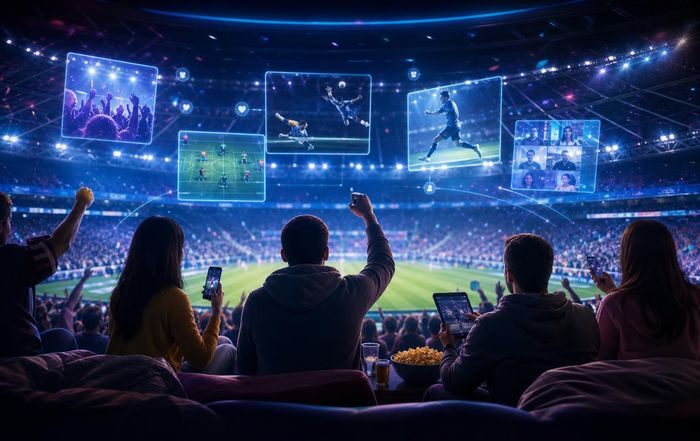
As 2026 unfolds, the long-predicted convergence between eSports and traditional sports has moved beyond experimentation and marketing rhetoric into a mature, integrated ecosystem that is reshaping global entertainment, business models, and fan culture. What were once perceived as parallel worlds-one rooted in physical performance and long-standing institutions, the other in digital skill and rapidly evolving platforms-are now interwoven in ways that are redefining how audiences in North America, Europe, Asia, and beyond experience competition, identity, and community. Fans no longer think in terms of choosing between a football match and a major eSports final; instead, they inhabit a blended environment in which both exist side by side, often within the same digital platforms, media networks, and brand universes. For Sportsyncr and its readers, this shift is not a distant trend but a lived reality that touches every area the platform covers, from sports and technology to business, culture, and health.

This convergence is being driven by advances in immersive media, artificial intelligence, cloud infrastructure, and blockchain, but it is equally a cultural and economic story. The rise of gaming-native generations, the global reach of digital platforms, and the willingness of legacy sports organizations to experiment with new formats have all contributed to a hybrid sports landscape in which a Champions League match, a Formula 1 Grand Prix, and a world championship in League of Legends or Valorant are part of the same entertainment continuum. Understanding this transformation means examining how leagues, technology companies, brands, and fans are co-creating a unified ecosystem that is increasingly borderless, always on, and deeply data-driven.

eSports as a Mature, Mainstream Pillar of Global Sport

By 2026, eSports has completed its transition from niche subculture to a central pillar of global sports entertainment. Research firms such as Newzoo and Statista continue to chart audience numbers in the hundreds of millions, placing major eSports events alongside the FIFA World Cup, Olympic Games, and Super Bowl in terms of digital reach and cultural visibility. Franchises like League of Legends, Counter-Strike 2, Dota 2, and Fortnite now run structured competitive circuits that resemble traditional leagues, with franchised teams, player contracts, and long-term commercial partnerships.

Streaming platforms have been crucial to this rise. Twitch, YouTube, and Kick have evolved from simple broadcasting sites into sophisticated ecosystems that combine live content, social interaction, commerce, and creator economies. Viewers do not merely watch; they participate through live chat, channel memberships, predictions, and co-streamed watch parties hosted by influencers and pro players. This participatory model has set new expectations for interactivity that traditional sports broadcasters have had to respond to. Organizations like the International Olympic Committee (IOC) have acknowledged this momentum through initiatives such as the Olympic eSports series and virtual competitions, signaling that digital disciplines are now part of the broader Olympic conversation. Those seeking to understand how these shifts are changing fan communities and social dynamics can explore related coverage on Sportsyncr's social hub.

Traditional Leagues Embrace Digital-First Strategies

While eSports has grown into a formidable industry in its own right, the most significant change since 2020 has been the way legacy sports properties have embraced digital transformation rather than resisting it. The NBA, NFL, Premier League, LaLiga, Bundesliga, and Formula 1 have all integrated gaming and interactive media into their core strategies, not as side projects but as long-term pillars of fan engagement and revenue.

The NBA 2K League, for example, has matured into a recognized extension of the NBA brand, aligning virtual teams with physical franchises and using cross-promotional campaigns to bring gaming audiences into the broader basketball ecosystem. Formula 1's virtual racing series, supported by Codemasters and EA Sports, has become an established talent pipeline in which sim racers can transition into professional motorsport programs, blurring the line between digital and physical competition. Football clubs such as Paris Saint-Germain, Manchester City, and FC Schalke 04 have invested in multi-title eSports divisions, using them to reach younger demographics in markets like China, South Korea, and Brazil where gaming is a primary entry point into sports fandom.

Inside stadiums and arenas, the matchday experience has become increasingly digital. Augmented reality overlays, interactive prediction games, and integrated fantasy platforms allow fans in London, New York, Berlin, or Singapore to access data-rich views of the game in real time, mirroring the HUD-style interfaces that eSports viewers have long enjoyed. Coverage of these technological shifts and their impact on competition and performance is a core focus for Sportsyncr's technology readers.

A Shared Sponsorship and Brand Economy

The convergence of eSports and traditional sports is perhaps most visible in the sponsorship landscape, where brands now operate across both domains with unified strategies. Global companies such as Coca-Cola, Adidas, Nike, Intel, and Red Bull treat gaming and physical sports as complementary arenas for storytelling rather than separate silos. At the same time, historically gaming-focused brands like Razer, Logitech G, and HyperX have expanded into stadium signage, athlete endorsements, and grassroots sports initiatives.

Strategic collaborations illustrate this shift. Nike's partnership with the League of Legends Pro League (LPL) in China created co-branded apparel and digital assets that exist both in-game and in the physical world, while Mercedes-Benz and BMW have used partnerships with major tournament operators and eSports organizations to reposition themselves as technology-forward lifestyle brands. Luxury labels and consumer tech companies alike recognize that the same fan may follow Real Madrid, Team Vitality, and a top Twitch streamer, and therefore design campaigns that move seamlessly between a Champions League broadcast, a live eSports final in Seoul, and a mobile-first campaign in India or Thailand.

This shared economy extends into measurement and performance marketing. Data from platforms such as Nielsen Sports, YouGov, and Kantar is used to compare exposure and engagement across both physical and digital properties, allowing sponsors to optimize their portfolios with unprecedented precision. Readers interested in how these trends are reshaping sports commerce can explore deeper analyses on Sportsyncr's business channel and brands section.

Immersive Technologies as the Structural Bridge

The technological backbone of this convergence is built on immersive media and advanced analytics. Virtual reality and augmented reality have moved beyond experimental showcases into scalable products that are integrated into major events. Devices such as Meta Quest 3, Sony PlayStation VR2, and Apple Vision Pro allow fans to watch NBA games from virtual courtside seats, experience 360-degree replays of UEFA Champions League goals, or stand virtually behind a driver on a Formula 1 grid, while simultaneously interacting with friends and global communities.

Artificial intelligence plays a central role in turning raw data into compelling experiences. Partnerships between organizations like IBM and events such as Wimbledon demonstrate how AI can generate real-time highlights, predictive insights, and personalized content streams that feel native to both sports and eSports audiences. Similar technologies are used by data providers like Stats Perform, Catapult Sports, and Second Spectrum to deliver granular performance metrics that coaches, broadcasters, and fans can all access. Those seeking an analytical perspective on these developments can learn more about the intersection of sport and science on Sportsyncr's science page.

Virtual Arenas, Digital Identity, and Global Communities

As digital platforms have become primary gathering spaces, the concept of fandom has expanded beyond geographic loyalty to include persistent, identity-driven communities that exist on Discord, Reddit, X, and within game ecosystems themselves. Supporters of FC Barcelona, Fnatic, or T1 may never set foot in their teams' home venues, yet they participate daily in discussions, content creation, and micro-events that sustain year-round engagement.

Virtual arenas and metaverse-style environments extend this idea into three-dimensional spaces. Platforms like Roblox, Fortnite, and Meta Horizon Worlds host branded experiences where fans can watch live or simulated matches, play mini-games, and purchase digital merchandise tied to their favorite teams. Socios.com and Chiliz have added a financial and governance layer through fan tokens that grant holders voting rights on minor club decisions and access to exclusive content, further deepening emotional and economic ties. This evolution of fan identity and participation is closely aligned with themes explored in Sportsyncr's culture coverage.

Stadiums, Dual-Purpose Venues, and Physical Crossovers

The convergence of digital and physical sports is not confined to screens; it is increasingly visible in the bricks-and-mortar infrastructure of global sport. Iconic venues such as Madison Square Garden, The O2 Arena, and Mercedes-Benz Arena in Berlin routinely host major eSports events, demonstrating that competitive gaming can fill the same seats as championship boxing, basketball, or concerts. The success of events like the League of Legends World Championship, The International, and Overwatch League grand finals has encouraged venue operators and city authorities to treat eSports as a core part of their events portfolios.

Purpose-built hybrid venues are emerging as well. Facilities like the HyperX Esports Arena Las Vegas and multi-use complexes in Seoul, Shanghai, and Dallas are designed to host both live eSports competitions and traditional sports activations, media productions, and fan festivals. These spaces often include training centers where athletes use simulation technologies and gaming platforms for tactical preparation, reaction training, and cognitive conditioning, underscoring the growing overlap between physical and digital performance methodologies.

Redefining Athleticism: Crossover Talent and Training

The definition of an athlete has broadened significantly in this hybrid era. Professional drivers such as Lando Norris and Max Verstappen stream sim racing sessions to global audiences, using platforms like iRacing and F1 23 to engage fans and refine racecraft in virtual environments. Footballers, basketball players, and tennis professionals increasingly maintain active gaming channels, leveraging their presence on Twitch or YouTube to extend their personal brands beyond match days.

Conversely, elite eSports competitors are adopting high-performance training regimes that mirror those of traditional athletes. Organizations invest in nutrition, strength and conditioning, sports psychology, and sleep optimization to improve cognitive endurance and reaction times. Universities in the United States, United Kingdom, Germany, and South Korea now offer combined programs in sports science and eSports management, recognizing that expertise in both domains will be critical for future performance staff. For readers interested in how this integrated approach to preparation is reshaping the notion of fitness and wellness, Sportsyncr's fitness and health sections provide ongoing coverage.

Media Convergence and the Multi-Layered Broadcast

The media landscape has had to adapt quickly to the expectations set by interactive platforms. Traditional broadcasters like ESPN, Sky Sports, BT Sport, DAZN, and Canal+ now produce coverage that blends linear storytelling with digital-native features such as live polls, alternative commentary feeds, and data overlays. Co-streaming arrangements, in which approved creators provide their own commentary on official feeds, have become a standard tactic for reaching younger viewers who prefer personalities from the creator economy to conventional pundits.

Streaming giants such as Amazon Prime Video, Apple TV+, and Netflix have invested heavily in sports documentaries and behind-the-scenes series that cover both physical and digital competitions. Formats inspired by Formula 1: Drive to Survive have been adapted for football, tennis, and eSports organizations, highlighting narratives around pressure, teamwork, and personal sacrifice that resonate regardless of whether the arena is a stadium or a digital map. For ongoing analysis of these shifts in sports media and their business implications, readers can follow updates on Sportsyncr's news page.

Economic Scale and New Revenue Architectures

The unified sports ecosystem has created a complex, multi-layered economic structure that extends far beyond ticket sales and broadcast rights. Traditional revenue pillars-media, sponsorship, and matchday-are now complemented by digital products such as in-game purchases, virtual merchandise, subscription communities, and data services. Reports from consultancies like PwC, Deloitte, and McKinsey outline a sports economy in which digital channels account for an ever-larger share of growth, with eSports and gaming collaborations acting as catalysts for innovation.

Game publishers such as Epic Games, Riot Games, and Electronic Arts have demonstrated how virtual items, seasonal passes, and cross-brand collaborations can drive recurring revenue while deepening engagement. Partnerships between Fortnite and organizations like the NFL or major football clubs have shown that virtual jerseys and cosmetic items can become powerful marketing assets, reaching fans in Canada, Australia, France, Italy, or Japan who may never visit a team store in person. In parallel, traditional clubs and leagues are experimenting with digital collectibles and dynamic NFTs that evolve with player performance or match outcomes, creating new forms of memorabilia.

This evolving commercial landscape is central to Sportsyncr's readership across business, sponsorship, and world verticals, where the focus is on helping executives, investors, and rights holders understand where long-term value is being created.

Data, AI, and Hyper-Personalized Fan Journeys

The integration of eSports and traditional sports has accelerated the use of data and artificial intelligence as core strategic assets. Teams, leagues, and platforms collect vast amounts of information about player performance, viewer behavior, and commercial interactions, then use machine learning models to optimize everything from tactics and training to content recommendations and dynamic pricing.

On the performance side, tools like Hawk-Eye, Second Spectrum, and Catapult provide detailed spatial and biometric data that help coaches refine strategies and manage workloads. eSports organizations use similar telemetry to analyze mouse movements, reaction times, and decision-making patterns, often in real time. On the fan side, AI-driven recommendation engines tailor content feeds, highlight reels, and merchandise offers to individual preferences, aiming to create a sense of relevance and immediacy that keeps audiences engaged across platforms and time zones.

Virtual commentators and AI-generated analytics segments are now appearing in live broadcasts, offering instant, data-backed insights that would be difficult for human analysts to produce at scale. Companies such as IBM Watson Media and DeepBrain AI are at the forefront of these developments, which are closely followed in Sportsyncr's technology and science coverage.

Sustainability, Access, and the Environmental Dimension

As global awareness of climate impact has intensified, the hybrid sports ecosystem has been forced to confront questions of sustainability and resource use. Traditional mega-events have long been associated with significant carbon footprints due to international travel, stadium operations, and large-scale infrastructure projects. eSports, while digital by nature, also carries environmental costs through energy-intensive data centers and device manufacturing.

However, the convergence of digital and physical formats offers opportunities to reduce impact. Governing bodies such as FIFA, UEFA, and the IOC have launched increasingly ambitious sustainability frameworks, while technology partners like Microsoft, Google Cloud, and Amazon Web Services are investing in renewable-powered infrastructure and carbon accounting tools tailored to sports and media clients. Hybrid event models that combine smaller in-person audiences with large-scale virtual participation can lower travel-related emissions while preserving global reach.

For fans in regions where access to elite sport has historically been limited-whether due to geography, cost, or infrastructure-digital-first experiences provide new pathways into global fandom. Mobile gaming in India, Nigeria, Kenya, and parts of South America has become a primary means of connection to both local and international sports cultures, highlighting the inclusive potential of the converged ecosystem. Sportsyncr's environment and world sections track these developments from both ecological and socio-economic perspectives.

Governance, Integrity, and Player Welfare in a Converged Era

As the boundaries between eSports and traditional sports blur, regulatory and ethical frameworks must adapt to a more complex reality. Issues such as match-fixing, illegal betting, cheating, and performance enhancement now require coordinated responses across both physical and digital domains. Organizations like the Esports Integrity Commission (ESIC), World Anti-Doping Agency (WADA), and national sports authorities are working to harmonize standards, share intelligence, and build robust compliance systems that protect competition integrity.

Player welfare has emerged as a critical concern. Professional gamers often begin their careers in adolescence and face intense schedules, high pressure, and constant online scrutiny, conditions that can lead to burnout, anxiety, and other mental health challenges. Traditional athletes encounter similar pressures in an always-connected world where social media amplifies every performance. Progressive organizations now invest in mental health programs, education on digital well-being, and structured career pathways that prepare athletes for life beyond competition. Advocacy groups such as Mind, Athlete Ally, and regional players' associations are pushing for minimum standards in contracts, rest periods, and support services, topics that are consistently explored in Sportsyncr's health and social reporting.

A Unified Future for Global Sport

By 2026, the narrative is no longer about whether eSports will rival or replace traditional sports, but about how both can coexist and reinforce one another within a single, fluid ecosystem. Fans in the United States, United Kingdom, Germany, Canada, Australia, France, Italy, Spain, Netherlands, Switzerland, China, Sweden, Norway, Singapore, Denmark, South Korea, Japan, Thailand, Finland, South Africa, Brazil, Malaysia, and New Zealand move effortlessly between watching a live match, participating in a fantasy league, competing in a digital tournament, and engaging with creators on social platforms. The distinction between "real" and "virtual" is less important than the quality, authenticity, and emotional resonance of the experience.

For organizations, the challenge and opportunity lie in building strategies that recognize this continuity: investing in technology without losing sight of human stories, expanding globally while respecting local cultures, and innovating commercially while maintaining integrity and trust. For fans, it means unprecedented choice, deeper involvement, and the possibility of shaping the sports they love in direct, tangible ways.

Sportsyncr positions itself at the center of this transformation, providing a dedicated home for professionals, enthusiasts, and curious observers who want to understand not only what is happening, but why it matters. Across sports, technology, business, culture, health, and every other vertical on sportsyncr.com, the platform follows the data, the innovators, and the stories that define this new era of global sport-one in which a goal scored in a packed stadium and a victory secured on a virtual battlefield are part of the same, interconnected narrative of human competition.

The Intersection of Sports, Fashion, and Cultural Influence

Last updated by Editorial team at sportsyncr.com on Wednesday 14 January 2026
Article Image for The Intersection of Sports, Fashion, and Cultural Influence

How Sports and Fashion Became the New Global Power Couple in 2026

A Decade That Turned a Trend into an Ecosystem

Awesome news, the convergence of sports and fashion has matured from a disruptive trend into a fully fledged global ecosystem that shapes identity, capital flows, cultural narratives, and technological innovation. What began as the rise of athleisure and sneaker culture in the mid-2010s has evolved into a multibillion-dollar industry that stretches from stadiums and streaming platforms to luxury runways and metaverse environments. For Sportsyncr.com, whose audience spans sports, business, culture, technology, health, and global news, this convergence is not just a content category; it is a lens through which to understand how modern consumers live, work, move, and express themselves.

The fusion of athletic performance and fashion design has created a new cultural language in which a basketball tunnel walk in Los Angeles can influence streetwear in Berlin, and a sustainability initiative from a European football club can inspire apparel startups. As sports organizations professionalize their brand strategies and fashion houses deepen their technical capabilities, the boundary between functional performance gear and expressive style continues to dissolve. This shift is underpinned by four pillars that are central to the Sportsyncr perspective: lived experience, deep expertise, institutional authority, and long-term trustworthiness.

From Athleisure to Everyday Uniform: How Sportswear Redefined Modern Dress

What started as athleisure has, by 2026, become the default uniform of a hybrid, always-connected world. The early wave of performance leggings, technical hoodies, and running-inspired sneakers laid the groundwork for a more profound cultural change: the normalization of sportswear in boardrooms, co-working spaces, university campuses, and creative studios across North America, Europe, and Asia. Brands such as Nike, Adidas, and Puma built the foundation by integrating moisture-wicking fabrics, ergonomic cuts, and cushioning technologies into garments that looked as appropriate on a city street as in a training facility.

Luxury houses including Gucci, Balenciaga, Louis Vuitton, and Dior then elevated these silhouettes, proving that tracksuits, technical outerwear, and sneakers could sit comfortably alongside couture gowns on the world's most prestigious runways. This evolution coincided with the rise of hybrid work and a global emphasis on mental and physical well-being, making performance-driven comfort a core expectation rather than a niche preference. Executives, creatives, and entrepreneurs in cities from New York and London to Singapore and Sydney now treat high-quality sportswear as a rational investment in productivity and personal branding. Those seeking to understand the business implications of this shift can explore the broader commercial context on Sportsyncr Business.

The modern consumer in 2026 does not simply buy "gym clothes"; they curate a wardrobe that can transition from a video call to a workout, from a flight to a client dinner, without compromising style or performance. This redefinition of dress codes is particularly visible in sectors like technology, media, and creative industries, where leadership figures deliberately blur the line between formal and casual to signal agility and progressive thinking.

Athletes as Architects of Style, Influence, and Values

Athletes have moved well beyond the role of brand ambassadors to become fully fledged cultural architects whose personal aesthetics shape global fashion narratives. Figures such as LeBron James, Serena Williams, and Megan Rapinoe leverage their on-field credibility to drive off-field influence in apparel design, social advocacy, and entrepreneurship. Their tunnel outfits, press-conference wardrobes, and capsule collections are dissected by fashion editors at outlets like Vogue and GQ, covered in mainstream news via organizations such as BBC Sport, and amplified across Instagram, TikTok, and emerging creator platforms.

This influence is not purely aesthetic. Serena Williams' fashion ventures foreground body positivity and female empowerment, while Naomi Osaka has used apparel collaborations to spotlight mental health and racial justice. Russell Westbrook's Honor the Gift and LeBron James' partnerships with Nike exemplify how athletes now co-create narratives and product lines that reflect their personal histories, communities, and causes. As fans increasingly value authenticity over scripted marketing, these ventures carry more weight than traditional endorsements.

This shift is mirrored in the way athletes control their own storytelling. Platforms such as Uninterrupted and The Players' Tribune allow them to contextualize their fashion and sponsorship choices within broader life stories, reinforcing the trust dynamic between athlete and audience. For readers of Sportsyncr, this represents a critical intersection of culture, performance, and social impact, where clothing is not merely worn but used as a medium of communication.

Streetwear as the Cultural Engine of the Sports-Fashion Alliance

Streetwear remains the cultural engine driving much of the energy at the intersection of sports and fashion in 2026. What began as an underground movement tied to skateboarding, graffiti, and hip-hop has become a sophisticated global network of brands, collaborators, and communities. Labels such as Supreme, Off-White, A Bathing Ape (BAPE), Palace, and Fear of God draw heavily from athletic references, while sports giants regularly tap streetwear's aesthetics and drop culture to remain relevant among younger demographics.

Collaborations like Nike x Off-White, Adidas x Yeezy, Jordan Brand x Travis Scott, and Puma x Rihanna reshaped consumer expectations around scarcity, resale value, and cultural storytelling. Limited-edition releases now function as events that generate coverage across platforms like Highsnobiety and Hypebeast, while driving significant secondary-market activity on marketplaces such as StockX. These drops are no longer just about product; they are about belonging to a moment, a narrative, and a community.

Streetwear's appeal lies in its democratic yet status-conscious nature. It gives young consumers in Los Angeles, London, Lagos, and Seoul a shared visual language, while allowing for local adaptation and personal customization. For brand strategists and founders tracking these dynamics, Sportsyncr Brands offers a vantage point on how sports labels and streetwear houses construct long-term equity around credibility, collaboration, and cultural timing.

Technology, Materials, and the New Performance-Sustainability Equation

Technological innovation sits at the core of the modern sports-fashion industry. Advances in material science, data analytics, and manufacturing have allowed brands to simultaneously improve performance, aesthetics, and environmental impact. Companies such as Nike, Adidas, Under Armour, Lululemon, Patagonia, and On invest heavily in R&D labs that blend engineering, biomechanics, and design.

Technologies like Nike Flyknit, Adidas Futurecraft 4D, and Lululemon's SenseKnit are examples of how precision knitting, 3D printing, and body-mapping techniques reduce waste while enhancing fit and function. At the same time, the industry has embraced sustainable inputs, including recycled polyester, bio-based foams, and plant-derived dyes, as documented in resources from organizations like the Ellen MacArthur Foundation and Textile Exchange. These developments align with consumer expectations in key markets such as the United States, Germany, the United Kingdom, the Nordics, and Japan, where environmental literacy is increasingly high.

Wearable technology has also become more seamlessly integrated into the fashion landscape. Devices from Apple, Garmin, Fitbit, and Oura are now designed as lifestyle accessories that sit comfortably with luxury and streetwear aesthetics. Smart textiles capable of monitoring temperature, heart rate, or muscle fatigue are moving from elite sport into mainstream training gear, reshaping how individuals manage their health and performance. Readers interested in this technological convergence can delve deeper into the topic via Sportsyncr Technology.

Sustainability and Responsibility as Strategic Imperatives

By 2026, sustainability has moved from marketing rhetoric to a core strategic and regulatory concern for sports and fashion companies. Policymakers in the European Union, the United States, and parts of Asia are tightening rules around extended producer responsibility, supply chain transparency, and carbon disclosure, while consumers in markets like Canada, Australia, the Netherlands, and Scandinavia increasingly factor environmental performance into purchasing decisions.

Brands such as Patagonia, Allbirds, Veja, and Icebreaker have built their identities on rigorous environmental and social standards, while large incumbents like Nike, Adidas, and Puma have accelerated initiatives including Nike Move to Zero, Adidas x Parley for the Oceans, and Puma RE:GEN. Programs like The North Face Renewed and Patagonia Worn Wear, highlighted by outlets such as National Geographic, illustrate how repair, resale, and circular design are becoming mainstream.

This shift is not only about materials and emissions. Labor practices, worker safety, and community investment are now central to brand evaluation. Reports from organizations like the Fair Labor Association and the Clean Clothes Campaign are closely watched by investors and consumers alike. For Sportsyncr readers tracking how these environmental and social factors intersect with sports and apparel, Sportsyncr Environment provides ongoing coverage of regulation, innovation, and accountability.

Globalization and Local Identity: How Regions Shape the Sports-Fashion Dialogue

The globalization of sports fashion does not imply homogenization; rather, it reveals a complex interplay between global brands and local cultures. In the United States, the influence of basketball, American football, and hip-hop remains dominant, with the NBA acting as a style engine whose tunnel walks are covered extensively by outlets like ESPN and The New York Times. In Europe, football clubs such as Paris Saint-Germain, Real Madrid, and Manchester City have evolved into lifestyle brands, leveraging collaborations with Jordan Brand, Balmain, and other fashion houses to build global followings that extend far beyond match days.

In Japan and South Korea, a blend of meticulous craftsmanship, pop culture, and digital fluency has produced some of the most influential aesthetics in the world. Brands like Yohji Yamamoto, Asics, Li-Ning, Anta, and ADER Error interpret sportswear through local lenses that then feed back into Western design. K-pop groups and J-league and K-league athletes amplify these styles on social media, driving rapid adoption across Southeast Asia, China, and increasingly Europe and North America.

In Africa and South America, sports fashion often serves as a vehicle for identity and aspiration. Designers in Nigeria, South Africa, Brazil, and Argentina integrate local textiles, football heritage, and street culture into activewear that resonates both domestically and internationally. This global-local interplay ensures that while the major multinationals retain scale, regional designers and clubs maintain cultural specificity. Readers seeking a geopolitical overview of these trends can explore Sportsyncr World, where sports fashion is treated as both an economic and diplomatic force.

Media, Digital Influence, and the Rise of Athlete-Led Brands

The media landscape has amplified the sports-fashion connection to an unprecedented degree. Social platforms, creator economies, and direct-to-consumer tools have allowed athletes, clubs, and designers to build their own channels of influence, bypassing traditional gatekeepers. The NBA tunnel walk, FIFA World Cup fan zones, and Olympic Village street style are now dissected in real time by fashion journalists, influencers, and fans alike.

Publications such as Business of Fashion and Sports Business Journal track this convergence as a serious economic story, while lifestyle outlets like Complex and Hypebeast treat it as cultural currency. Meanwhile, athlete-driven media ventures ensure that the narrative around a collection or collaboration is framed in the athlete's own words, strengthening emotional connection and brand equity.

This environment has also accelerated the rise of athlete-led brands, from Steph Curry's alignment with Under Armour to Roger Federer's partnership with On, and from Cristiano Ronaldo's CR7 label to Lewis Hamilton's fashion collaborations. These ventures are often built around direct-to-consumer models, robust storytelling, and strong community engagement. For professionals interested in the employment, innovation, and sponsorship implications of this shift, Sportsyncr Jobs offers insight into the evolving talent landscape at the intersection of sport, design, and media.

Gaming, Virtual Fashion, and the Expansion of Digital Identity

The rapid growth of gaming and virtual worlds has created a new frontier for sports-fashion collaboration. Esports organizations and game publishers now regularly partner with fashion houses and sportswear brands to design digital jerseys, skins, and accessories that exist solely within virtual environments. Collaborations between Gucci and Fnatic, Nike and League of Legends, and Louis Vuitton and Riot Games have shown that digital apparel can command real-world prestige and commercial value.

Major sports brands have embraced this opportunity. Nike's virtual initiatives, including its acquisition of RTFKT Studios, and Adidas' ventures in platforms like The Sandbox and Decentraland, demonstrate a strategic recognition that the next generation of fans may form their first brand relationships through avatars rather than physical products. These developments align closely with the explosion of NFTs and digital collectibles, where scarcity, provenance, and community status are encoded on blockchain networks rather than expressed through physical ownership.

For Sportsyncr readers who move fluidly between real-world sports and digital arenas, this convergence is tracked in depth on Sportsyncr Gaming, where esports, fashion, and sponsorship models are analyzed as part of a single, integrated ecosystem.

Health, Lifestyle, and the Normalization of "Sport as Identity"

One of the most significant cultural shifts of the past decade has been the normalization of sport as a lifestyle rather than a discrete activity. In 2026, running clubs in Berlin, yoga collectives in Los Angeles, padel communities in Madrid, and cycling groups in Melbourne all treat apparel as both functional gear and social signal. What one wears to the gym, on a hike, or to a wellness retreat communicates alignment with broader values such as mindfulness, sustainability, and self-improvement.

Brands like Lululemon, Gymshark, Alo Yoga, and Outdoor Voices have built powerful communities around this idea of "movement as identity," offering not just products but also classes, events, and digital content. Their success aligns with the broader wellness economy documented by organizations like the Global Wellness Institute, which notes the expanding overlap between fitness, mental health, travel, and nutrition.

For Sportsyncr, this holistic view of performance and lifestyle is central to editorial coverage. Sections such as Sportsyncr Health and Sportsyncr Fitness examine how apparel, technology, and training environments are designed not only to improve metrics like VO₂ max or sprint speed, but also to support recovery, resilience, and long-term well-being in high-pressure professional and corporate contexts.

Sponsorship, Co-Creation, and the Future Consumer Relationship

Traditional sponsorship models-logos on jerseys and perimeter boards-have given way to deeper, more integrated partnerships that prioritize co-creation, purpose, and data-driven engagement. Clubs, leagues, and federations increasingly seek partners that can enhance their cultural relevance, sustainability credentials, and digital capabilities. Sportswear companies, in turn, look for rights holders and athletes who can embody their values and co-develop product ecosystems.

Initiatives like Adidas MakerLab, Nike By You, and Puma Co.Creative invite external designers, athletes, and even fans into the design process, reflecting a broader shift toward participatory culture. Blockchain-based tools now allow for transparent royalty tracking and fractional ownership of digital products, changing how value is shared between creators, athletes, and end consumers.

For business leaders and marketers, this evolution underscores the importance of authenticity, transparency, and long-term alignment. The most successful partnerships will be those where product innovation, social impact, and narrative coherence reinforce one another. Readers can follow the financial and strategic implications of these sponsorship models on Sportsyncr Business, where the intersection of capital, creativity, and culture is a recurring theme.

Sportsyncr's Role in a Rapidly Evolving Landscape

As the convergence of sports and fashion continues to accelerate across continents-from the United States, Canada, and Brazil to the United Kingdom, Germany, France, Italy, Spain, the Netherlands, South Africa, Japan, South Korea, Singapore, and beyond-Sportsyncr.com positions itself as a trusted guide for professionals, creators, and fans navigating this complexity. By connecting sports, business, culture, technology, and environment, the platform offers a holistic view that reflects how people actually live: moving seamlessly between physical and digital spaces, between training and work, between local identity and global culture.

In 2026, the story of sports and fashion is no longer about a trend; it is about how people define themselves, build communities, and allocate attention and capital. It is about the way a running shoe can embody advanced biomechanics and climate responsibility, how a jersey can signal allegiance and activism, and how a digital sneaker can represent both fandom and financial investment.

The ongoing mission of Sportsyncr is to chronicle this evolution with the depth, nuance, and integrity that a global, expert audience demands-grounded in experience, informed by expertise, backed by authoritative analysis, and guided by a commitment to long-term trust.

Measuring Sustainability Performance in Major Sports Events

Last updated by Editorial team at sportsyncr.com on Tuesday 13 January 2026
Article Image for Measuring Sustainability Performance in Major Sports Events

Sustainability as the New Scoreboard: How Measurable Impact Is Redefining Global Sport in 2026

Sustainability has moved from the margins of strategic planning to the center of decision-making for every major sports property on the planet. In 2026, the performance of events such as the Olympic Games, the FIFA World Cup, the Tour de France, Formula One, and the Super Bowl is no longer evaluated solely in terms of attendance, broadcast reach, or commercial revenue. Instead, they are increasingly judged by their ability to reduce ecological footprints, strengthen social equity, and deliver verifiable long-term legacies for host communities. For a global, multi-sport platform like Sportsyncr, which serves audiences interested in sports, health, business, technology, and environment, this shift is not an abstract trend; it is the new context in which every competition, sponsorship, and innovation must now be understood.

The rising expectations of fans in the United States, Europe, Asia, Africa, and the Americas-especially younger, climate-conscious generations-have forced governing bodies, franchises, and brands to move beyond symbolic green initiatives and toward rigorous, data-backed sustainability strategies. Stakeholders now expect clear definitions of objectives, precise metrics, independent verification, and transparent communication. This evolution has been supported by advances in digital technology, data analytics, climate science, and international collaboration, which together have created a new ecosystem of accountable, measurable sustainability in sport.

From Aspirations to Standards: Defining What Sustainability Means in Sport

The first challenge for the global sports industry has been to define what "sustainable" actually means in operational and measurable terms. Early efforts focused on single metrics such as waste diversion or energy efficiency, but by the mid-2020s, the sector had largely converged around multidimensional frameworks. Standards such as the Global Reporting Initiative (GRI), ISO 20121 Sustainable Events, and guidance from the United Nations Environment Programme (UNEP) now provide structured templates for measuring environmental, social, and economic impacts across the full lifecycle of an event. Readers who follow the scientific and regulatory evolution of these frameworks can explore related analysis at Sportsyncr's science hub.

In parallel, the International Olympic Committee (IOC) has embedded sustainability into its host city contracts, requiring comprehensive lifecycle assessments of venues, transport systems, and temporary infrastructures. The legacy of Tokyo 2020, Beijing 2022, and Paris 2024 has been to normalize the expectation that every Games will publish detailed, audited sustainability reports, rather than marketing narratives. Key indicators now include greenhouse gas emissions, energy sourcing, water use, waste generation and circularity, local air quality, biodiversity impact, accessibility, gender equity, and community participation. The United Nations Sustainable Development Goals (SDGs) provide a broader framing, aligning sports events with global objectives around climate action, health, education, and reduced inequalities.

Stadiums as Living Laboratories of Accountability

Sports facilities have become some of the most visible and scrutinized symbols of sustainability performance. The once-dominant model of massive, resource-intensive stadiums used for a handful of events each year has been challenged by a new generation of modular, multi-use, and low-carbon venues. Developments such as Tottenham Hotspur Stadium in London, Allianz Arena in Munich, and the host stadiums for Qatar 2022 have demonstrated how energy-efficient design, integrated public transport, and digital building management systems can be combined to minimize environmental impact while enhancing fan experience.

Leading engineering firms including Siemens, Schneider Electric, and Honeywell now deploy advanced building automation systems in arenas across North America, Europe, and Asia, using real-time data from IoT sensors to optimize lighting, HVAC, and water use according to occupancy and weather conditions. The results are quantifiable reductions in energy consumption and operating costs, supported by live dashboards that allow operators, sponsors, and even fans to see environmental performance in real time. Learn more about the technological foundations of these smart venues through resources on sustainable stadium innovation.

Equally influential have been smaller, pioneering clubs such as Forest Green Rovers in England, widely described as the world's first carbon-neutral football club. Their use of organic pitch management, vegan catering, electric vehicle infrastructure, and plans for a timber-based eco-stadium have demonstrated that sustainability can be central to brand identity and competitive differentiation, not merely an add-on. As similar models emerge in Germany, Scandinavia, North America, and parts of Asia-Pacific, stadiums are increasingly understood as living laboratories for climate solutions and social inclusion.

Carbon Accounting and the Race to Net-Zero

The defining metric of sports sustainability in 2026 is carbon. Leagues and federations across continents have committed to net-zero or science-based emissions reduction targets aligned with the Paris Agreement, and are under pressure to demonstrate credible progress. Organizations such as UEFA, World Rugby, World Athletics, and Formula E now conduct comprehensive greenhouse gas inventories that span direct emissions from venues (Scope 1), purchased energy (Scope 2), and extensive value-chain impacts including travel, catering, merchandising, and digital services (Scope 3).

Championships like Formula E have positioned themselves at the forefront of climate innovation by operating as net-zero carbon series, using lifecycle assessments, renewable logistics, and verified offsets to balance residual emissions. The experience of Paris 2024, which targeted a 50 percent reduction in carbon emissions compared with previous Summer Games, has provided a practical blueprint for integrating low-carbon design, temporary infrastructure, and renewable energy into mega-event planning. Platforms such as Puro.earth and other carbon-credit marketplaces have added a layer of transparency to offsetting, although increasing regulatory scrutiny in Europe and North America is pushing sports organizations to prioritize absolute emissions reductions over compensation.

Major leagues in the United States and Canada, including Major League Baseball (MLB) and the National Basketball Association (NBA), are implementing standardized carbon accounting methodologies across franchises, often in collaboration with academic institutions and sustainability consultancies. At the same time, global brands such as Nike, Adidas, and Puma are integrating event-related carbon metrics into their own corporate ESG frameworks, ensuring that product design, logistics, and athlete partnerships are aligned with net-zero trajectories. This convergence of league, club, and brand-level climate strategies is reshaping how the entire sports value chain is measured and managed.

Circular Economy Principles and the End of Disposable Events

Waste management has long been one of the most visible sustainability challenges in sport, from single-use plastics in stadiums to the temporary structures and promotional materials associated with mega-events. In the past five years, a more sophisticated circular economy approach has replaced simple recycling targets. Major tournaments such as the US Open, Wimbledon, the Super Bowl, and the FIFA Women's World Cup 2023 in Australia and New Zealand have deployed integrated systems for reusable cups, compostable food packaging, digital ticketing, and centralized waste sorting enhanced by AI.

Measurement frameworks inspired by the Ellen MacArthur Foundation's circularity indicators are now being used to quantify material flows, reuse rates, and the proportion of procurement that meets circular design standards. Organizers increasingly rely on Material Flow Analysis (MFA) to understand how construction materials, fan merchandise, and catering supplies can be recovered and reintroduced into local or regional value chains. For business leaders and rights holders, this is no longer only an environmental consideration; it is a cost and risk management strategy in the face of volatile resource prices and tightening waste regulations. Executives can explore the commercial implications of circular models in sport through coverage on sports business and sustainability.

Health, Inclusion, and Community Legacy as Core Metrics

Environmental performance alone is no longer sufficient to define a sustainable event. The social dimension-covering health, inclusion, human rights, and community legacy-has become a central pillar of measurement. The International Paralympic Committee (IPC) has set global benchmarks for accessibility, influencing how stadiums, fan zones, and broadcasting are designed to serve people with disabilities. Major events are now expected to demonstrate how they improve local health outcomes, promote mass participation in physical activity, and support education and employment opportunities, particularly in underserved communities.

Initiatives such as Common Goal, co-founded by Juan Mata, and large-scale charity programs attached to marathons in Boston, London, Berlin, New York, and Tokyo have shown how sport can generate measurable social value when financial flows and participation metrics are transparently tracked. Sponsors including Visa, Coca-Cola, and Unilever have integrated Social Value Return (SVR) indicators into their sports partnerships, linking bonus payments and contract renewals to objective community impact criteria. For readers following the intersection of health, social equity, and sport, Sportsyncr's coverage on health and social impact provides ongoing analysis of these trends.

Data, AI, and the Infrastructure of Measurable Sustainability

The maturation of sustainability in sport has been inseparable from advances in data infrastructure and analytics. Manual spreadsheets and post-event estimates have been replaced by integrated digital platforms that collect, process, and visualize environmental and social data in real time. Technology leaders such as Microsoft, IBM, and SAP have created specialized modules for emissions tracking, resource optimization, and ESG reporting tailored to stadiums, leagues, and event organizers.

The Microsoft Cloud for Sustainability, IBM Envizi, and SAP Sustainability Control Tower are now used by a growing number of clubs and federations to consolidate information from building management systems, ticketing platforms, transport providers, and supply chains. These tools support scenario modeling, enabling decision-makers to test the impact of different scheduling, venue, or logistics options on emissions and costs before finalizing plans. Satellite data from bodies like the European Space Agency (ESA), combined with local sensors and wearables, is increasingly used to monitor air quality, heat stress, and biodiversity around venues, integrating environmental science directly into sports operations. Readers interested in the technological backbone of this transformation can learn more through Sportsyncr's coverage of sports technology.

Smart Operations, Mobility, and the Fan Journey

Because fan travel and consumption often represent the largest share of an event's footprint, operational efficiency and mobility management have become critical areas of innovation. Digital ticketing has largely replaced paper tickets for major events in Europe, North America, and Asia, enabling organizers to better predict crowd flows and coordinate with public transport authorities. Journey-planning apps, increasingly enriched with carbon-intensity data from providers such as Google, Moovit, and local transit agencies, now nudge spectators toward lower-emission options like rail, bus, cycling, and walking.

Within venues, AI-powered crowd analytics help optimize staffing, concession operations, and security while minimizing resource use. Smart water stations, reusable container systems, and real-time waste-collection mapping are now standard at many marathons and city-based races, including those in London, New York, Chicago, Berlin, and Singapore. These innovations are not merely anecdotal; they are measured through key performance indicators such as emissions per spectator, waste per capita, and modal split of fan transport. Sportsyncr continues to track how these operational changes reshape the broader sports ecosystem and urban environments worldwide.

Measuring Fan Behavior and Cultural Change

The cultural power of sport lies in its ability to influence behavior at scale, and this dimension has become increasingly measurable. Many leagues and clubs now offer digital tools that allow fans to estimate the carbon footprint of attending a game or participating in a running challenge, and then compare their performance with that of peers. The Premier League, La Liga, and Major League Soccer (MLS) have experimented with loyalty programs that reward sustainable choices such as using public transport, choosing plant-based food options, or recycling correctly inside stadiums.

Global campaigns like Adidas' Run for the Oceans, in partnership with Parley for the Oceans, provide one of the clearest examples of this new paradigm. Participants log kilometers via running apps, and aggregated data is used to trigger funding for marine conservation projects, linking digital engagement to quantifiable environmental outcomes. As fan behavior becomes more measurable, organizations can track shifts in attitudes and choices across countries such as the United States, United Kingdom, Germany, Brazil, South Africa, Japan, and Australia, creating a feedback loop that informs both sustainability strategy and brand positioning. For readers interested in the cultural aspects of this behavioral transformation, Sportsyncr's culture section offers further perspectives.

Global Benchmarks, Case Studies, and Competitive Pressure

The proliferation of public sustainability rankings, certifications, and indices has introduced a new form of competition among cities, leagues, and clubs. The IOC, FIFA, and World Athletics now require host cities to publish detailed environmental and social performance data, while independent organizations such as the Sport Positive Summit and the Green Sports Alliance compile league tables of climate leadership across football, basketball, baseball, and other sports.

Events like Paris 2024, Birmingham 2022 Commonwealth Games, and the ongoing transformations in Formula One under its Net Zero 2030 strategy have set reference points for what is considered best practice. Their detailed reports, combined with third-party audits from firms such as PwC, Deloitte, Bureau Veritas, and DNV, have raised expectations globally. In Europe, North America, and Asia, access to public funding and premium sponsorship increasingly depends on achieving certain sustainability thresholds, making robust measurement not only a reputational asset but a commercial necessity. Sportsyncr's news coverage has chronicled how these benchmarks influence bidding processes and investment decisions from North America to Europe, Asia, and beyond.

The Strategic Role of Brands and Sponsors

Brands have evolved from passive funders of events to active partners in sustainability delivery and measurement. Corporate sponsors now negotiate ESG clauses into contracts, setting clear targets for emissions, waste, inclusion, and community impact. Companies such as Coca-Cola, Visa, AB InBev, Heineken, and Dow have developed internal scorecards that evaluate the sustainability performance of each sponsored property, often in collaboration with rights holders.

Sportswear and equipment manufacturers are also reshaping expectations. Nike's Move to Zero, Adidas' End Plastic Waste, and similar initiatives from New Balance and Asics require that tournament kits, footwear, and merchandise meet specific thresholds for recycled content, durability, and end-of-life solutions. Verification of these claims is increasingly handled through third-party certifications and digital product passports, which provide traceability from raw material to finished item. For those tracking how brands leverage sustainability as a competitive differentiator, Sportsyncr's brands and sponsorship and sponsorship sections examine the evolving economics and governance of these partnerships.

Policy, Governance, and Regional Leadership Models

The institutionalization of sustainability in sport has been accelerated by policy frameworks at global, regional, and national levels. The UNFCCC Sports for Climate Action Framework has brought together more than 400 organizations, including the IOC, FIFA, World Athletics, Formula E, and major clubs, around shared principles of measurement, reduction, education, and advocacy. Signatories are expected to set public targets, report progress, and integrate climate considerations into all aspects of their operations.

In Europe, the EU Green Deal and related climate legislation have influenced how cities and national federations design, finance, and report on sporting infrastructure. The emerging EU Sports Environmental Management System (EUSEMS) requires measurable performance on energy efficiency, green procurement, and waste reduction for events that receive public support. Countries such as Germany, Denmark, Sweden, and the Netherlands have become reference points for renewable-powered stadiums and low-carbon fan mobility, while Japan, South Korea, and Singapore are demonstrating how climate resilience and heat adaptation can be integrated into facility design and scheduling in Asia's rapidly warming urban environments. These regional models are closely followed by sports leaders and policy-makers worldwide, and Sportsyncr continues to analyze them through a global lens on world sport and policy.

Innovation Ecosystems, Startups, and Academic Partnerships

Behind the headlines about major events lies a rapidly growing innovation ecosystem of startups, accelerators, and research institutions focused on sports sustainability. Climate-tech ventures provide tools for carbon modeling, circular infrastructure, smart textiles, and fan engagement, while sports-tech accelerators increasingly include environmental performance as a criterion for selection and investment.

Universities such as Loughborough University, MIT, University of British Columbia, and University of Queensland are partnering with leagues and federations to conduct longitudinal studies on the environmental and social impacts of events, validating methodologies and providing the evidence base needed for policy and investment decisions. Their work supports a more rigorous, science-based approach to sustainability that aligns with the Experience, Expertise, Authoritativeness, and Trustworthiness (E-E-A-T) expectations of regulators, investors, and fans. Readers can follow these intersections of sport, science, and innovation through Sportsyncr's dedicated science coverage.

Financial and Reputational Returns on Measured Sustainability

The measurement of sustainability performance has clear financial and reputational implications. Investors and lenders increasingly require climate risk disclosures aligned with frameworks such as the Task Force on Climate-Related Financial Disclosures (TCFD), while stock exchanges and regulators in markets such as the United States, United Kingdom, European Union, and Singapore are tightening ESG reporting requirements. Clubs and venues financing renovations or new builds through green bonds or sustainability-linked loans must demonstrate credible, verifiable environmental performance over time.

Sponsors, broadcasters, and fans reward organizations that can show authentic progress. Surveys across North America and Europe indicate that a majority of fans are more likely to attend events, purchase merchandise, or engage with digital content from teams that lead on sustainability. Conversely, accusations of "greenwashing" can generate significant backlash, particularly in social media environments where younger audiences dominate. For senior decision-makers in sport, sustainability measurement has therefore become a strategic risk management tool as much as a climate imperative, and Sportsyncr's business insights explore how this dynamic is reshaping boardroom agendas.

Looking Ahead: Predictive Intelligence, Esports, and the Next Frontier

As the industry looks toward 2030 and beyond, the next stage of sustainability measurement in sport is likely to be characterized by predictive intelligence and deeper integration into digital ecosystems. Artificial intelligence and machine learning are already being used to model the emissions and resource implications of different tournament formats, venue locations, and calendar structures before decisions are finalized. In the coming years, these tools will become standard in bid processes and strategic planning, enabling organizers to compare scenarios on both financial and environmental grounds.

Blockchain and distributed ledger technologies are expected to enhance transparency and traceability further, whether in carbon credit markets, supply chain verification, or fan-driven climate projects linked to clubs and athletes. At the same time, the rapid growth of esports and virtual competitions raises new questions about digital sustainability, from data center energy use to electronic waste management. As gaming platforms and virtual fan experiences expand, their environmental impact will need to be measured and managed with the same rigor now applied to physical events. Readers can explore how these digital frontiers intersect with sustainability in Sportsyncr's gaming coverage.

By 2030, it is increasingly likely that alignment with the UN Sustainable Development Goals will be treated as a baseline expectation rather than an aspiration for leading sports organizations. The industry is moving toward a reality in which every event, from a community fun run in South Africa to a Champions League final in Europe or a cricket World Cup in India, is accountable for its environmental and social outcomes through standardized, transparent metrics.

For Sportsyncr, the task is to document, analyze, and interpret this transformation for a global audience that spans fans, athletes, executives, investors, and policy-makers. Across sports, fitness, business, environment, and news, the platform continues to track how sustainability has become the new scoreboard-one where success is measured not only in trophies and viewership, but in the capacity of sport to drive measurable progress for people and the planet.

Mental Health Support Becoming Essential in Elite Sports

Last updated by Editorial team at sportsyncr.com on Wednesday 14 January 2026
Article Image for Mental Health Support Becoming Essential in Elite Sports

The Mental Game: How Elite Sport in 2026 Turned Athlete Wellbeing into a Strategic Advantage

A New Performance Era: Why Mental Health Now Sits at the Center of Elite Sport

By 2026, the global sports industry has fully accepted what science, athletes, and forward-thinking organizations have been signaling for more than a decade: sustainable high performance is impossible without robust mental health. What began as a hesitant conversation on the margins of elite competition has become a core pillar of performance strategy, risk management, and brand value. Across leagues, continents, and disciplines, psychological resilience is now treated not as a soft factor, but as a measurable, trainable asset with direct impact on results, revenue, and reputation.

This shift is particularly evident in how major governing bodies such as FIFA, World Athletics, NBA, IOC, and Formula 1 now design their high-performance systems. Where traditional models focused on strength, conditioning, and tactics, today's frameworks embed mental health screening, proactive psychological support, and structured recovery protocols. Learn more about how this evolution connects to broader performance trends at Sportsyncr Health.

For Sportsyncr.com, which has consistently positioned itself at the intersection of sport, health, and human performance, this transformation is not a trend to be observed from the sidelines but a defining lens through which the platform covers global sport. In 2026, mental health is not a niche topic; it is a central narrative that unites coverage of sports, business, technology, culture, and global policy.

From Silence to Strategy: How Athletes Rewrote the Mental Health Narrative

The modern era of mental health in sport can be traced to the courage of athletes who chose transparency over silence. When Naomi Osaka withdrew from the French Open in 2021 citing anxiety and media pressure, or when Simone Biles stepped back at the Tokyo Olympics to protect her mental wellbeing, they did more than make personal choices; they challenged an entire performance ideology that equated endurance with suppression. Their stance, echoed by figures like Michael Phelps and Kevin Love, reframed vulnerability as a form of leadership.

These high-profile decisions catalyzed structural change. The Women's Tennis Association (WTA) expanded its mental health protocols; the NBA and National Basketball Players Association (NBPA) strengthened confidential counseling provisions; and the International Olympic Committee (IOC) intensified its focus on psychological safety at major events. Sponsors followed suit. Brands such as Nike, Adidas, and Under Armour reoriented messaging to emphasize balance, rest, and self-care, aligning their campaigns with a broader cultural shift toward authenticity and wellbeing.

Media coverage evolved in parallel. Outlets like ESPN and BBC Sport now routinely frame mental health breaks as tactical decisions that protect long-term performance. Documentaries on platforms such as Netflix and Amazon Prime Video have amplified these stories, giving fans in North America, Europe, Asia, and beyond a deeper understanding of the pressures behind the podium. This normalization has made it easier for emerging athletes, from youth academies in Germany to professional leagues in the United States and Australia, to seek help early.

Governance and Policy: Institutionalizing Mental Health in Global Sport

What began as individual stories has now been codified into policy. The International Olympic Committee's Mental Health in Elite Athletes Toolkit has become a reference point for federations across Europe, Asia, Africa, and the Americas, providing standardized guidance on screening, referral pathways, and crisis management. FIFA and UEFA have integrated mental health education into club licensing requirements, mandating access to qualified sports psychologists for top-tier teams.

In the United Kingdom, UK Sport and Sport England link funding to evidence of robust welfare structures, while in Germany, the Bundesinstitut für Sportwissenschaft supports research-led interventions that blend emotional intelligence training with performance analytics. In Australia, the Australian Institute of Sport (AIS) has embedded mental health professionals within its high-performance units, ensuring that psychological support is present from junior development to Olympic preparation. Canada's Own the Podium and the national Game Plan program take a similarly integrated approach, treating mental wellbeing as a non-negotiable component of performance preparation.

These frameworks are underpinned by growing scientific consensus. Organizations such as the World Health Organization and American Psychological Association have repeatedly highlighted the economic and human cost of untreated mental health issues in high-pressure environments. Sports bodies, sensitive to reputational risk and athlete welfare, now treat psychological care as both a duty of care and a competitive differentiator. For deeper analysis of how governance and performance intersect, visit Sportsyncr Business.

The Media Spotlight: Fame, Social Platforms, and Psychological Load

The rise of global broadcasting and social media has created a 24/7 performance arena that extends far beyond stadiums and circuits. Athletes in the United States, Europe, and Asia now operate as public brands, managing streams of attention on Instagram, TikTok, X (Twitter), and YouTube while competing under intense physical and tactical demands.

This visibility brings commercial upside but also a new category of psychological risk. Cyberbullying, instant criticism, and perpetual comparison erode concentration and self-worth, particularly for younger athletes and those in individual disciplines such as tennis, golf, and gymnastics. Research from institutions like Harvard Medical School and Stanford Medicine underscores how chronic digital stress can trigger anxiety, sleep disruption, and burnout.

In response, clubs and federations are incorporating digital wellbeing into their education programs. Media training now includes modules on boundary setting, content moderation, and emotional self-regulation. Technology companies such as Meta and Google have introduced safety tools and mental health resources tailored to athletes and creators, while teams in leagues like the English Premier League and NFL employ specialists to monitor and mitigate online harm.

For Sportsyncr.com, which covers both news and culture, this convergence of media, technology, and psychology is central to how modern sport is understood: performance is no longer just physical output, but also the ability to navigate a constant digital spotlight without sacrificing mental stability.

Coaching, Leadership, and the Humanization of High Performance

The mental health revolution has reshaped coaching philosophies from the grassroots to the elite. Traditional command-and-control models, built on fear, repetition, and emotional distance, are increasingly seen as both ineffective and commercially risky. In their place, athlete-centered, psychologically informed leadership is emerging as the standard in high-performing organizations.

Coaches such as Jürgen Klopp at Liverpool FC and Steve Kerr at the Golden State Warriors have become case studies in this evolution. Their emphasis on empathy, open communication, and holistic care demonstrates that tactical excellence can coexist with emotional safety. This approach has influenced clubs in the Premier League, La Liga, the Bundesliga, and the NBA, where leadership development programs now include modules on mental health literacy and trauma-informed communication.

Team environments are also being redesigned. Elite organizations like INEOS Grenadiers in cycling and Mercedes-AMG Petronas Formula One Team integrate sports psychologists and mental performance consultants into daily operations, not as crisis responders but as strategic partners. Mood tracking, cognitive load assessments, and confidential check-ins are treated as routine performance tools.

For readers of Sportsyncr Jobs, this shift is creating new career paths: performance psychologists, wellbeing directors, and data-informed mental skills coaches are now integral members of modern sports organizations, from North America to Europe and Asia-Pacific.

Neuroscience, Data, and the Science of Mental Resilience

Advances in neuroscience and wearable technology have moved mental resilience from an abstract concept to an evidence-based discipline. Functional MRI research at institutions like University College London, MIT, and Stanford University has clarified how stress, fatigue, and emotional overload impair decision-making, reaction time, and motor control.

On the field, this science is operationalized through tools from companies such as NeuroTracker, WHOOP, Catapult Sports, and Oura. These systems measure heart rate variability, sleep quality, cognitive reaction, and other biomarkers that correlate with mental readiness. Teams in the NBA, MLB, Premier League, and Formula 1 now blend these data streams with subjective mood scales to create individualized training and recovery plans.

Digital therapeutics platforms like Headspace, Calm, and BetterUp have become embedded in club ecosystems, offering guided meditation, visualization, and coaching at scale. For many organizations, mental skills training is now periodized just like strength and conditioning, with specific phases dedicated to focus, stress tolerance, and emotional recovery.

This integration of science and practice aligns closely with the editorial focus of Sportsyncr Technology and Sportsyncr Science, where innovation is tracked not only for its novelty but for its capacity to safeguard athlete wellbeing across continents and competitions.

Recovery Redefined: Sleep, Rest, and the Psychology of Regeneration

Recovery in 2026 is understood as a cognitive and emotional process as much as a physical one. Sleep science, in particular, has become a cornerstone of performance programs from the United States to Japan. Research from Harvard's Division of Sleep Medicine and Australian Catholic University has shown that chronic sleep restriction undermines emotional regulation, increases injury risk, and impairs tactical thinking-costs that elite teams can no longer afford to ignore.

Devices such as Oura Ring, Eight Sleep, and advanced WHOOP models provide granular insights into sleep stages, circadian rhythms, and recovery scores. Teams in the NBA, EPL, and NHL have redesigned travel schedules, training times, and even lighting environments in training facilities to align with circadian health. Mindfulness, breathwork, and pre-sleep routines are now standard components of performance plans for athletes from Canada to Brazil and from Germany to Singapore.

High-profile athletes such as LeBron James and Novak Djokovic have publicly credited structured sleep and mental recovery protocols as critical to their longevity, reinforcing the message that rest is not a concession but a competitive weapon. At Sportsyncr Fitness, these developments are tracked as part of a broader shift toward intelligent training: pushing hard when the body and mind are ready, and pulling back before stress becomes damage.

Life After the Final Whistle: Identity, Transition, and Long-Term Care

Retirement remains one of the most vulnerable phases in an athlete's psychological journey. The abrupt loss of structure, status, and purpose can trigger depression, anxiety, and identity crises, particularly for athletes whose self-worth has been tightly bound to performance since childhood. Recognizing this, organizations in North America, Europe, and Oceania have expanded their duty of care beyond active competition.

The NFL Players Association, Canadian Olympic Committee, British Athletes Commission, and Athlete365 by the IOC now operate structured transition programs that combine mental health support, financial education, and career development. Initiatives like PGA TOUR Life360 and Australia's Lifeline Sport offer crisis counseling and peer mentorship, acknowledging that the psychological impact of a career in elite sport can surface years after retirement.

These systems are increasingly data-informed. Longitudinal studies in Canada, the United Kingdom, and Scandinavia track mental health outcomes in retired athletes, informing new models of lifelong support. For a global audience following policy and cultural change, Sportsyncr World examines how different regions-from South Africa to Japan and from Brazil to the Nordic countries-are building continuity of care into their sporting ecosystems.

Brand Responsibility: How Sponsors Now Compete on Wellbeing

Corporate partners have recognized that their association with mental health is no longer optional. Sponsors in the United States, Europe, and Asia understand that fans and consumers increasingly scrutinize how brands treat the humans behind the logos. Companies such as Nike, Adidas, Coca-Cola, Visa, and Red Bull have invested in campaigns and programs that celebrate mental resilience, normalize therapy, and support athletes who step back for psychological reasons.

This is not merely reputational. Consulting firms like Deloitte, PwC, and McKinsey have highlighted in their sports business reports that organizations with visible wellbeing commitments enjoy stronger fan trust, more resilient sponsorship portfolios, and better talent retention. Brands are integrating mental health KPIs into partnership contracts, funding research, and co-designing wellness content with leagues and players' unions.

Technology brands such as Apple, Spotify, and Google are also shaping the landscape, offering mindfulness content, focus tools, and recovery analytics that are now embedded in training environments from the United States to Germany and Singapore. For readers of Sportsyncr Brands, this convergence of ethics, innovation, and commercial strategy is redefining what it means to be a "performance brand" in 2026.

Women's Sport and the Leadership of Inclusive Mental Health

Women's sport has played a pioneering role in reframing mental health as a core dimension of equality and inclusion. Athletes such as Serena Williams, Simone Biles, Naomi Osaka, and Megan Rapinoe have articulated the intersection of gender bias, performance pressure, and emotional strain, making clear that mental health cannot be separated from broader conversations about representation and respect.

Leagues like the WNBA and NWSL have led by embedding full-time mental health professionals in team structures and by supporting public conversations around postpartum recovery, harassment, and online abuse. The International Cricket Council has extended similar frameworks to women's cricket, while advocacy organizations such as Athlete Ally and Women in Sport UK integrate mental health into their campaigns on gender equity and LGBTQ+ inclusion.

These efforts resonate strongly with audiences in the United States, United Kingdom, Australia, and across Europe and Asia, where women's competitions are gaining both visibility and commercial traction. At Sportsyncr Culture, this leadership is examined not only as a sports story but as a broader cultural turning point, demonstrating how women's sport is setting new standards for what holistic care and inclusive performance environments should look like.

Youth Pathways and Global Mental Health Literacy

The most profound long-term change may be occurring at the grassroots level. Youth academies and federations in the United States, United Kingdom, Germany, Australia, and across Asia now treat mental health literacy as a core competency, not an add-on. Organizations such as USA Gymnastics, The Football Association (FA), and Cricket Australia have introduced mandatory education for coaches and parents on recognizing early warning signs of distress, avoiding psychological harm, and fostering resilience without abuse.

Evidence from the World Health Organization and UNESCO supports this early-intervention approach, showing that skills such as emotional regulation, self-awareness, and healthy coping mechanisms are most effectively developed in adolescence. Elite academies like La Masia at FC Barcelona and youth programs linked to the NBA and Bundesliga clubs now integrate cognitive training, mindfulness, and life skills into their curricula.

This generational shift promises to reduce the incidence of crisis-level mental health issues in future elite athletes, while also creating a healthier sporting culture at community level. For readers tracking long-term structural change, Sportsyncr Science explores how these youth-focused programs are being implemented across continents and what outcomes they are delivering.

A 2026 Perspective: The Mind as the Defining Edge of Performance

In 2026, the global sports ecosystem-from North America and Europe to Asia, Africa, and South America-recognizes that the decisive frontier of performance is no longer purely physical. The athletes and organizations that dominate the next decade will be those that treat mental health not as a remedial service, but as a strategic asset embedded into every facet of operations: recruitment, coaching, scheduling, technology, sponsorship, and post-career transition.

For Sportsyncr.com, this reality informs every editorial decision. Coverage of sports, health, business, technology, and environment is anchored in a simple premise: the future of sport belongs to systems that protect and elevate the whole person, not just the performer.

As leagues refine policies, brands recalibrate partnerships, and athletes continue to speak openly across the United States, Europe, Asia, Africa, and beyond, mental health has moved from taboo to baseline expectation. The result is a more sustainable, humane, and strategically sophisticated sports industry-one in which the greatest victories are measured not only in trophies and records, but in the capacity of athletes to thrive during and after their careers.

Readers seeking to follow this transformation across disciplines and regions can find ongoing analysis, interviews, and data-driven reporting at Sportsyncr.com, where the convergence of sport, science, and human wellbeing defines how the story of modern performance is told.

Niche Sports Brands Fueling the Rise of Boutique Fitness Movements

Last updated by Editorial team at sportsyncr.com on Wednesday 14 January 2026
Article Image for Niche Sports Brands Fueling the Rise of Boutique Fitness Movements

How Boutique Fitness and Niche Sports Brands Are Rewriting the Global Wellness Playbook in 2026

In 2026, the global fitness and wellness economy is no longer defined by big-box gyms and uniform training programs; it is being reshaped by a powerful convergence of boutique fitness studios, niche sports brands, and technology-enabled communities that now sit at the center of how people around the world live, work, travel, and connect. For the audience of Sportsyncr, which spans sports, health, fitness, culture, business, technology, and global trends, this transformation is not an abstract shift but a lived reality that influences how professionals make decisions about their time, money, and identity.

Boutique fitness has evolved from a premium alternative into a structural force within the wellness economy, redefining value around experience, personalization, and meaning. Where traditional gym chains once competed on price, equipment, and scale, the leading edge of the market now competes on emotional resonance, scientific credibility, digital fluency, and cultural relevance. In this environment, brands such as Equinox's SoulCycle, Barry's Bootcamp, F45 Training, 1Rebel, Orangetheory Fitness, and Solidcore have become not just service providers but influential cultural institutions that shape behavior, aesthetics, and aspiration. For business leaders, investors, and policymakers who follow developments through platforms like Sportsyncr's business coverage, understanding this shift has become essential to interpreting the broader trajectory of the global wellness and sports industry.

Experience and Technology as the New Competitive Moat

The most successful boutique fitness operators in 2026 are those that have mastered the fusion of immersive in-person experience with sophisticated digital infrastructure. High-end studios now design every detail of the environment-from lighting and acoustics to scent, material finishes, and spatial choreography-to create an atmosphere closer to hospitality and entertainment than to the industrial gyms of the early 2000s. At the same time, their digital touchpoints, from booking apps to performance dashboards, are engineered to feel as seamless as leading consumer technology platforms.

Brands such as Peloton have demonstrated how hybrid ecosystems can scale beyond geography, creating communities that span continents while preserving a sense of intimacy and coaching quality. The integration of connected hardware, on-demand content, and live instruction has inspired a wave of innovation from players like Tonal, Hydrow, and the now fully integrated Mirror within Lululemon's ecosystem, each using adaptive resistance, motion tracking, or AI-driven feedback to personalize training. For readers exploring the broader intersection of sport and innovation, resources like Sportsyncr's technology section and platforms such as MIT Technology Review and Wired provide additional context on how these technologies have matured.

Wearables and biometric platforms have become the connective tissue of this ecosystem. Whoop, Oura Ring, Garmin Connect, Apple Health, and Google Fit now act as centralized data hubs, aggregating sleep, recovery, activity, and cardiovascular metrics that studios can use to refine programming. Boutique operators increasingly design classes that integrate live heart rate or power output displays, not only for accountability but to enhance engagement and gamification. This data-centric approach creates a feedback loop in which performance, recovery, and adherence are continuously measured, analyzed, and translated into tailored recommendations, strengthening the perception of expertise and trustworthiness that discerning consumers demand.

Localization, Wellness Tourism, and the New Geography of Fitness

While many of the leading boutique brands have global footprints, their success hinges on hyper-local execution. Barry's Bootcamp, which began in Los Angeles, has learned to adapt its "Red Room" concept to markets as diverse as London, Milan, Dubai, and Singapore by employing local instructors, curating regionally relevant playlists, and integrating cultural design cues. F45 Training, originating in Australia, has expanded across North America, Europe, Asia, and the Middle East through a flexible franchise model that allows owners to localize community engagement and class culture while maintaining standardized programming and technology.

This emphasis on localization aligns closely with the growth of wellness tourism, which has become a defining feature of the post-pandemic travel economy. Affluent travelers increasingly seek destinations that combine high-end hospitality with structured wellness and fitness experiences. Properties such as Lanserhof in Germany, SHA Wellness Clinic in Spain, Kamalaya in Thailand, and Chiva-Som have become benchmarks in integrated health retreats, often incorporating boutique-style group training, diagnostics, and personalized coaching into their offerings. Industry observers can track these developments via platforms like the Global Wellness Institute and World Travel & Tourism Council, which document the economic impact of wellness travel across Europe, Asia, and the Americas.

For Sportsyncr readers following global dynamics, the connection between boutique fitness and mobility is increasingly relevant. Urban professionals from the United States, United Kingdom, Germany, France, Singapore, and the United Arab Emirates now expect continuity of experience when they travel, seeking out familiar brands or local analogues that match the quality and ethos of their home studios. This trend reinforces the role of boutique fitness as a global cultural language, while regional operators leverage it to attract both residents and international visitors, a pattern regularly reflected in Sportsyncr's world coverage.

Cultural Identity, Social Media, and the Aesthetic of Belonging

Boutique fitness has become one of the most visible intersections of culture, media, and commerce. Studios are no longer designed solely for training efficiency; they are built as stages for storytelling, self-expression, and digital sharing. Platforms such as Instagram, TikTok, and YouTube have turned classes into content and members into informal brand ambassadors, with the visual aesthetics of studios-neon signage, murals, architectural lighting, and branded apparel-crafted to photograph and film well.

Brands like SoulCycle, Rumble Boxing, 1Rebel, and Solidcore have cultivated distinctive visual and emotional signatures that are instantly recognizable across social feeds. Their communities often function as microcultures, each with its own lexicon, rituals, and values. This cultural embedding has been amplified by collaborations with apparel and footwear giants such as Lululemon, Alo Yoga, Nike, and Adidas, which have shifted decisively into the "athleisure" and lifestyle segments. Consumers now wear performance garments not only in the studio but in offices, cafés, airports, and co-working spaces, blurring the line between sport and everyday life.

For those tracking the cultural implications of this shift, Sportsyncr's culture hub and outlets like The Business of Fashion and Hypebeast highlight how fashion, identity, and movement have converged into a unified lifestyle narrative. This narrative is especially visible among younger professionals in North America, Europe, and Asia-Pacific, who use brand affiliation and studio membership as subtle markers of taste, values, and social belonging.

Economics, Premium Positioning, and Platform Effects

From an economic standpoint, boutique fitness has proven that smaller physical footprints can generate disproportionate revenue and loyalty when combined with strong brand equity and high perceived value. Traditional gyms rely on low-margin, high-volume models that assume a significant percentage of inactive members. By contrast, boutique studios typically charge premium per-class or membership fees, operate with limited capacity, and focus on high utilization of prime time slots.

According to analyses from organizations such as the Global Wellness Institute and consulting firms like McKinsey & Company, boutique and specialized fitness concepts have consistently outpaced traditional gyms in revenue growth over the past decade, even accounting for pandemic-related disruptions. Consumers in major urban centers-from New York and Toronto to London, Stockholm, Singapore, and Sydney-have demonstrated a willingness to pay significantly more for experiences that combine expert coaching, community, and personalization. This willingness is reinforced by the growing recognition of exercise as a central pillar of mental health, productivity, and long-term resilience, themes regularly explored in Sportsyncr's health coverage.

Digital aggregators and booking platforms such as ClassPass, Mindbody, and Gympass have played a central role in accelerating this shift by lowering the discovery barrier for smaller studios and enabling flexible access models. These platforms, which now integrate with corporate wellness schemes and employer benefit programs, have helped boutique studios tap into enterprise demand while diversifying their revenue base. At the same time, they have introduced a new layer of competition and price transparency, requiring studios to differentiate more clearly on experience, coaching quality, and brand narrative.

Regional Growth, Emerging Markets, and Demographic Shifts

The geography of boutique fitness growth in 2026 reflects broader socio-economic trends. The United States remains the largest single market, with dense ecosystems in metropolitan regions such as New York, Los Angeles, Miami, and Austin. The United Kingdom, Germany, France, the Netherlands, and the Nordics have become European hotspots, with cities like London, Berlin, Amsterdam, Stockholm, and Copenhagen embracing concepts that integrate minimalist design, sustainability, and community into compact urban spaces.

In Asia, the sector has entered a phase of rapid sophistication. Singapore, Seoul, Tokyo, Bangkok, and Hong Kong now host a mix of imported brands and homegrown concepts tailored to local work habits and cultural norms. Ritual Gym in Singapore, for example, built its model around efficient 30-minute sessions optimized for time-constrained professionals, while Japanese and Korean studios have integrated elements of precision, hospitality, and technology into their offerings. China's tier-one and tier-two cities have seen an explosion of boutique and digital-first fitness platforms, amplified by social commerce ecosystems around WeChat, Douyin, and Little Red Book.

Demographically, boutique fitness has expanded far beyond its early base of affluent, urban millennials. In markets such as Canada, Australia, Scandinavia, and the United States, operators are now targeting Gen Z consumers with gamified, tech-forward experiences and flexible pricing, while also developing specialized programs for older adults, youth athletes, and specific professional groups. This broadening of the addressable market is closely linked to a growing public understanding of exercise science and preventive health, supported by research from institutions like the World Health Organization and Harvard T.H. Chan School of Public Health. Readers interested in how these scientific insights translate into training approaches can explore complementary analysis via Sportsyncr's fitness section.

Sustainability, Ethics, and Environmental Alignment

As environmental concerns have intensified, sustainability has moved from the periphery to the core of brand strategy in boutique fitness. Studios in cities such as London, Amsterdam, Zurich, Copenhagen, and Vancouver are increasingly designed with low-carbon materials, energy-efficient systems, and circular-economy principles. 1Rebel has become well known for its use of reclaimed materials and bold, industrial-chic interiors, while Terra Hale in London has pioneered gyms that generate electricity from members' workouts, directly linking personal effort to renewable energy production.

Consumers, particularly in Europe, North America, and parts of Asia-Pacific, now scrutinize the environmental footprint of their lifestyle choices, from apparel and equipment to travel and nutrition. Operators that align their practices with global frameworks such as the UN Sustainable Development Goals and adopt verifiable standards on emissions, waste, and supply chain ethics are increasingly seen as more trustworthy. This alignment extends beyond physical spaces to digital infrastructure, with some brands exploring green hosting solutions and carbon offsets for large-scale streaming. For those tracking the convergence of sport, environment, and responsibility, Sportsyncr's environment vertical sits alongside resources like CDP and UNEP as a lens into emerging best practices.

Inclusivity, Social Impact, and the Redefinition of Strength

One of the most powerful contributions of boutique fitness has been its role in challenging narrow definitions of athleticism and body image. Studios founded or led by women and underrepresented groups have reframed exercise as a practice grounded in empowerment, mental health, and community rather than punishment or aesthetic conformity. SoulCycle, co-founded by Elizabeth Cutler and Julie Rice, helped redefine group cycling as a space for emotional release and collective motivation. Concepts like Barre3, The Class by Taryn Toomey, and Physique 57 have emphasized mindfulness, self-acceptance, and functional strength, resonating with participants who previously felt excluded from traditional gym culture.

Inclusivity now extends across gender identities, sexual orientation, age, ability, and neurodiversity. Studios increasingly design classes and spaces that are accessible to people with disabilities, offer gender-neutral facilities, and cultivate explicit codes of respect and safety. Partnerships with advocacy organizations and community groups help ensure that these commitments translate into practice rather than remaining marketing rhetoric. This evolution aligns with a broader societal shift toward equity and representation, themes that are regularly explored in Sportsyncr's social coverage and in analyses by organizations such as Women in Sport and Human Rights Watch.

Data, AI, and the Architecture of Personalization

Artificial intelligence and advanced analytics now sit at the operational core of many boutique fitness businesses. On the front end, AI-powered recommendation engines propose classes, instructors, and difficulty levels based on a user's historical performance, preferences, and biometric indicators. On the back end, predictive models help operators optimize pricing, staffing, and scheduling, while churn prediction algorithms identify at-risk members and trigger targeted engagement campaigns.

Brands like Tonal, Peloton, Les Mills+, and FitXR leverage machine learning to adapt training loads, suggest recovery intervals, and even adjust music and pacing in real time. Some studios are experimenting with computer vision for form correction, offering on-screen cues or haptic feedback that complements human coaching. Virtual reality fitness platforms, including Supernatural VR and Les Mills Immersive, use spatial audio and immersive visuals to transport users into simulated environments, turning high-intensity training into an experiential journey.

The increasing sophistication of these tools raises important questions about data privacy, algorithmic bias, and digital well-being. Leading operators are responding by adopting transparent data policies, obtaining explicit consent, and aligning with regulatory frameworks such as the EU's GDPR and emerging AI governance standards. Industry participants and observers can track the regulatory and ethical landscape through sources like the OECD AI Observatory and World Economic Forum, alongside performance-focused perspectives available via Sportsyncr's science section.

Cross-Industry Collaboration and the Expansion of the Ecosystem

Boutique fitness has increasingly become a nexus for collaboration across hospitality, real estate, media, and consumer goods. Luxury hotel groups such as Four Seasons, W Hotels, and 1 Hotels now integrate branded studios or pop-up experiences from Barry's Bootcamp, Rumble Boxing, and yoga or Pilates concepts, recognizing that high-value travelers expect continuity in their training routines. Residential developers in markets like New York, London, Dubai, and Singapore are incorporating boutique-style facilities and programming into mixed-use projects to differentiate their offerings and foster community.

In the digital domain, collaborations between fitness brands and streaming or entertainment platforms are reshaping content consumption. Nike Training Club's partnership with Netflix and Equinox's integrations with Apple Fitness+ exemplify how storytelling, music, and performance data can converge into cohesive experiences that extend beyond the studio. Beverage companies, consumer health brands, and even gaming publishers now view boutique fitness communities as strategic channels for reaching highly engaged, health-conscious audiences.

For professionals tracking sponsorship, brand strategy, and cross-industry deals, Sportsyncr's sponsorship hub and resources like Sports Business Journal and Front Office Sports offer ongoing insights into how these partnerships are structured and monetized. The result is an ecosystem in which fitness is no longer a standalone category but an integral layer of broader lifestyle, media, and urban development strategies.

Health, Science, and the Deepening of Mind-Body Integration

Underpinning the credibility of boutique fitness in 2026 is a much stronger grounding in exercise science, psychology, and recovery research. Leading brands collaborate with universities, sports institutes, and medical professionals to validate their programming and differentiate themselves from fads. Equinox's Precision Training Program, Les Mills' Smart Start, and F45's Prodigy initiative for youth athletes are examples of efforts to align class design with evidence-based principles on load management, progression, and injury prevention.

Recovery has moved from a peripheral service to a central pillar of the value proposition. Infrared saunas, cryotherapy, compression therapy, red-light treatments, and guided breathwork are increasingly integrated into studio ecosystems, either in-house or via partnerships with specialized providers. This reflects a broader understanding, supported by organizations such as the American College of Sports Medicine and UK Sport, that performance, longevity, and mental health are inseparable.

Mindfulness and mental skills training are now embedded into many class formats, particularly in yoga, Pilates, and hybrid modalities that combine strength, mobility, and meditation. Digital platforms like Alo Moves and in-person operators such as CorePower Yoga have helped normalize practices such as intention-setting, breath-led movement, and post-class reflection among corporate professionals and high-performance individuals. For readers who follow these developments through Sportsyncr's health and sports sections, the trajectory points toward a future in which mental and physical training are viewed as a single, integrated discipline.

Looking Ahead: The Next Chapter for Boutique Fitness and Sportsyncr's Audience

As 2026 unfolds, several structural trends suggest how boutique fitness and niche sports brands will continue to evolve over the coming decade. Hybrid models that blend in-person intimacy with digital scalability are likely to become the norm rather than the exception, with AI-enhanced coaching augmenting human expertise rather than replacing it. Cross-border collaborations will intensify as brands leverage wellness tourism, global festivals, and pop-up formats to reach new audiences in Europe, Asia, the Middle East, Africa, and the Americas. Inclusivity, accessibility, and representation will remain central markers of trust and relevance, as consumers hold brands to higher standards of authenticity and social responsibility.

Environmental stewardship will increasingly distinguish leaders from laggards, with studios expected to demonstrate measurable progress on energy use, materials, and supply chains. At the same time, the integration of gaming mechanics, digital collectibles, and interactive media will deepen engagement among younger demographics, blurring boundaries between fitness, esports, and entertainment. For professionals navigating careers in this expanding ecosystem-from trainers and operators to technologists, investors, and policy specialists-platforms such as Sportsyncr's jobs section and global resources like LinkedIn and Indeed highlight the growing diversity of roles and skills now in demand.

For Sportsyncr, the boutique fitness revolution is not merely a topic of coverage but a lens through which to understand the wider transformation of sport, health, culture, business, technology, and the environment. Whether examining how AI reshapes training, how sustainability standards evolve, how brands build trust in new markets, or how communities find meaning through movement, the themes emerging from boutique fitness are increasingly the themes shaping the broader sports and wellness landscape. Readers seeking to stay ahead of these shifts can continue to explore interconnected perspectives across Sportsyncr's homepage, drawing on dedicated coverage of news, brands, gaming, and more.

In this new era, success in fitness is no longer measured solely by physical outcomes or membership counts, but by the depth of trust, the rigor of expertise, and the quality of experiences that brands deliver consistently across channels and continents. Boutique fitness and niche sports brands have shown that when movement is anchored in community, science, technology, and purpose, it becomes far more than a routine; it becomes a durable framework for individual and collective well-being in a complex, fast-changing world.

The Global Expansion Strategies of Major Sports Franchises

Last updated by Editorial team at sportsyncr.com on Tuesday 13 January 2026
Article Image for The Global Expansion Strategies of Major Sports Franchises

Global Sports Franchises in 2026: How the Game Became a Borderless Business

The global sports industry in 2026 has matured into one of the most influential and interconnected sectors of the world economy, combining entertainment, technology, culture, and commerce into a single, borderless ecosystem. What began as local clubs and national leagues has evolved into a sophisticated network of transnational brands, digital platforms, and global communities that shape how people work, consume, communicate, and even define identity. For Sportsyncr and its readers across sports, health, fitness, culture, business, technology, and beyond, this transformation is not an abstract macroeconomic trend; it is a lived reality that touches everyday experiences-from how fans in Singapore stream a match in London, to how a teenager in Brazil discovers a new esports franchise, to how a sustainability executive in Germany evaluates a stadium investment.

In 2026, the world's leading sports franchises-from Manchester United, Real Madrid, and FC Barcelona in Europe to the New York Yankees, Dallas Cowboys, Los Angeles Lakers, and Golden State Warriors in North America-operate more like diversified global enterprises than traditional sports clubs. They orchestrate media rights, digital platforms, data analytics, merchandising, sponsorships, esports divisions, academies, and community programs across continents, all while competing on the field or court at the highest level. Their strategies illuminate how experience, expertise, authoritativeness, and trustworthiness have become core assets in a global marketplace where fans demand authenticity as much as success.

The Economics of a Borderless Sports Industry

The economic gravity of global sports has intensified since the mid-2020s. Industry estimates from platforms such as Statista and analyses by firms like Deloitte and PwC suggest that the global sports market passed the $650 billion mark in 2024 and is on a trajectory to approach or exceed $800 billion by 2030, driven by a combination of media rights, sponsorship, digital products, and experiential revenues. Yet ticket sales, once the backbone of club finances, now form only a fraction of the total value stack.

Elite franchises have deliberately diversified their revenue portfolios. Global merchandising, licensing deals, direct-to-consumer streaming, and international tours are now complemented by investments in esports, data-driven fan engagement tools, and region-specific partnerships. In rapidly growing markets across Asia, Africa, and South America, the expansion of middle classes and mobile internet access has created vast new audiences eager to participate in global sports culture. Countries such as Thailand, Singapore, Malaysia, and Indonesia exemplify this shift, where fans consume live matches, fantasy sports, highlights, and behind-the-scenes content almost entirely via smartphones and over-the-top platforms. For readers of Sportsyncr Business, this is a case study in how a legacy entertainment product can be reengineered into a multi-layered, data-rich global enterprise.

Technology, Streaming, and the New Media Power Structure

The digital transformation of sports has been nothing short of structural. Traditional broadcasting has been overtaken by a hybrid landscape in which linear television, subscription streaming, social platforms, and immersive environments coexist and compete. The English Premier League, UEFA Champions League, and National Basketball Association (NBA) have become anchor properties for global media groups, with rights packages spanning linear networks, regional OTT services, and global streaming platforms.

In the United States and Europe, companies such as NBC Sports, Sky Sports, Amazon Prime Video, and Apple TV+ have reshaped the economics of rights by blending live coverage with original programming, advanced analytics, and interactive features. In Asia, partnerships such as the NBA's long-standing collaboration with Tencent in China or Rakuten in Japan have enabled leagues to reach hundreds of millions of viewers with localized content and tailored digital experiences. Those seeking to understand how technology is recoding fan behavior can learn more about emerging sports technologies through the lens of platforms, data, and user experience.

Emerging technologies have added new layers of immersion. Augmented reality overlays, virtual reality "courtside" experiences, and mixed-reality studio productions allow fans in Canada, Germany, or South Korea to feel physically present at events staged thousands of kilometers away. Leagues like the NFL and Formula 1 now experiment with virtual ticketing and interactive data dashboards, while organizations such as Hawk-Eye Innovations and Second Spectrum provide the technical backbone that powers replay systems, player tracking, and broadcast graphics. The result is a media environment where geography ceases to be a barrier and where the line between live event, game, and data product is increasingly blurred.

Localization as a Discipline of Global Strategy

Global reach without local resonance is no longer an acceptable outcome for leading franchises. Localization has become a disciplined strategic function, combining market research, cultural intelligence, language adaptation, and community engagement. The NBA's development programs in China, India, and across Africa, including the Basketball Africa League, illustrate how leagues embed themselves into local ecosystems by building academies, training coaches, and co-creating content in local languages.

Multi-club ownership structures, such as the City Football Group (CFG), demonstrate another form of localization at scale. By operating clubs in the United Kingdom, United States, Australia, Spain, Japan, India, and several other markets, CFG harmonizes data, scouting, and commercial operations while allowing each club to retain a distinctive local identity. Similarly, Red Bull GmbH's ownership of RB Leipzig, Red Bull Salzburg, New York Red Bulls, and RB Bragantino shows how a global lifestyle brand can infuse a consistent performance and marketing philosophy into diverse football cultures.

Localization extends beyond branding. It includes investment in grassroots infrastructure, youth academies, and corporate social responsibility initiatives that respond to local social needs. Paris Saint-Germain's academies in Egypt, Indonesia, and India, or Major League Baseball (MLB)'s long-standing academy network in Latin America and the Caribbean, illustrate how developmental pathways and community projects can build trust and long-term loyalty. Coverage on Sportsyncr Culture frequently highlights how these initiatives shift clubs from being distant brands to embedded community actors.

Athlete Branding and the Social Media Imperative

The global influence of individual athletes has never been more pronounced. Figures such as Cristiano Ronaldo, Lionel Messi, LeBron James, Naomi Osaka, and Giannis Antetokounmpo command audiences on Instagram, TikTok, YouTube, and X that rival or exceed those of major media organizations. Their posts, endorsements, and personal narratives travel instantly from Los Angeles to Lagos, from London to Tokyo, shaping not only fan opinion but also brand perception and even social debate.

For franchises, this reality requires a recalibration of brand architecture. Athletes are no longer just assets on the field; they are co-creators of global narratives. Companies such as Nike, Adidas, Puma, and Under Armour work with clubs and leagues to design campaigns that align athlete stories with regional cultural contexts, from mental health advocacy in Canada to youth empowerment in South Africa. The success of Netflix documentary series like Drive to Survive and The Last Dance has further demonstrated the commercial power of long-form storytelling, as they have driven surges in viewership and merchandise sales for Formula 1 and the NBA worldwide. Readers following Sportsyncr News will recognize how narrative, data, and distribution have converged into a single, powerful engagement engine.

The American Franchise Model and Its Global Footprint

The American model of closed leagues, salary caps, collective bargaining, and revenue sharing remains a reference point for sports executives worldwide. Organizations like the NFL, NBA, MLB, and Major League Soccer (MLS) have demonstrated that structured competition combined with strict financial governance can support both parity and profitability. The NFL International Series in London, Frankfurt, and Mexico City, NBA Global Games, and the MLB London Series exemplify how these leagues export their product while preserving domestic integrity.

Partnerships with digital and technology giants have accelerated this expansion. Amazon's acquisition of exclusive Thursday Night Football rights and Apple's global streaming deal with MLS have shown how tech companies can become central distribution and data partners, not just sponsors. At the same time, the American focus on fan experience-through stadium design, in-venue entertainment, and hospitality-has influenced new developments in Europe, Asia, and the Middle East. For those analyzing the business mechanics behind these moves, Sportsyncr Business offers a lens on how governance structures and commercial strategies intersect.

European Multi-Club Empires and Strategic Ownership

European football has responded to American-style systemization with its own form of strategic consolidation: multi-club ownership and globalized brand ecosystems. The City Football Group remains the most visible example, but not the only one. Red Bull's network of clubs, 777 Partners' acquisitions across multiple European leagues, and cross-border investments by entities from the United States, the Middle East, and Asia have created a landscape in which scouting, analytics, and player development occur across portfolios rather than individual clubs.

Clubs such as Bayern Munich, Liverpool FC, Juventus, and Paris Saint-Germain have intensified their global presence through academies, themed fan zones, and touring strategies in North America, East Asia, and the Middle East. Their partnerships with global consumer brands, from Allianz and Qatar Airways to Standard Chartered and Jeep, reflect a recognition that football clubs are now among the world's most powerful lifestyle brands. In-depth coverage of these trends on Sportsyncr World underscores how ownership structures and capital flows are reshaping competitive balance and governance debates across Europe.

Asia's Central Role in the Next Phase of Growth

By 2026, Asia is no longer merely an "emerging" sports market; it is a central pillar of global strategy. China's evolving regulatory landscape, Japan's sophisticated sports culture, South Korea's technology leadership, and India's demographic scale make the region indispensable for global franchises. At the same time, Southeast Asian countries, including Singapore, Thailand, Vietnam, and Malaysia, have become proving grounds for mobile-first fan engagement, esports integration, and innovative sponsorship models.

Organizations such as LaLiga, Bundesliga, and FIFA have established regional offices, academies, and content studios to tailor products to Asian audiences. Japanese firms like Rakuten and Sony, Korean giants such as Samsung and Hyundai, and Chinese technology companies including Tencent and Alibaba have become critical sponsors and distribution partners. As Sportsyncr World often highlights, Asia's sports ecosystem is not only consuming imported content but also exporting new formats and business models, from the Indian Premier League (IPL) to Korean esports leagues.

Digital Fan Economies, Web3, and the Tokenized Supporter

The maturation of digital fan economies has introduced entirely new value propositions. Blockchain-based platforms like Socios.com and Chiliz have enabled clubs such as Paris Saint-Germain, FC Barcelona, and Manchester City to issue fan tokens that grant holders voting rights on non-sporting matters, access to exclusive content, and participation in digital communities. While early volatility and regulatory scrutiny have tempered some of the initial hype, tokenization remains a significant experiment in fan co-ownership and engagement.

Non-fungible tokens (NFTs) and digital collectibles, popularized by projects like NBA Top Shot, have transformed highlights and memorabilia into tradable digital assets. These products sit at the intersection of fandom, speculation, and identity, raising questions about long-term value, regulation, and environmental impact. For a deeper view into how these technologies intersect with performance and engagement, readers can explore coverage on Sportsyncr Technology, where the emphasis is on separating durable innovation from short-lived trends.

Sponsorship, Strategic Partnerships, and Brand Integration

Sponsorship in 2026 is data-driven, integrated, and often technology-enabled. Legacy partners such as Coca-Cola, Visa, Adidas, Nike, Emirates, and Qatar Airways remain prominent, but the fastest-growing category includes cloud providers, fintech companies, and sustainability-focused enterprises. Amazon Web Services (AWS), Google Cloud, Microsoft Azure, and Huawei increasingly position themselves as "official technology partners," providing analytics, AI tools, and infrastructure that underpin both performance and fan engagement.

The rebranding of FC Barcelona's stadium as the Spotify Camp Nou, Amazon's partnership with the NFL, and high-profile collaborations between clubs and streaming or music platforms exemplify a deeper convergence between entertainment verticals. Sponsorships are now evaluated not just on logo visibility but on data access, co-created content, and the ability to tell compelling stories across platforms. For readers focused on the sponsorship and partnership dimension, Sportsyncr Sponsorship explores how rights holders and brands are renegotiating the value of association.

Sustainability, Green Stadiums, and Responsible Growth

Sustainability has moved from corporate rhetoric to operational reality. The alignment of sports organizations with frameworks such as the United Nations Sustainable Development Goals and increased scrutiny from fans, regulators, and investors have made environmental performance a strategic priority. Clubs and leagues are now expected to report on carbon footprints, waste management, and supply chain ethics alongside financial results.

Examples such as Tottenham Hotspur Stadium's energy-efficient design, Forest Green Rovers' fully vegan and renewable-energy-based operations, and Formula 1's commitment to a Net Zero 2030 agenda illustrate how sustainability has become a competitive differentiator. Apparel companies, including Nike with its "Move to Zero" initiative and Adidas with recycled-material kits, position environmental responsibility as a core brand attribute. Readers interested in the intersection of sport and environmental innovation can explore Sportsyncr Environment, where the focus is on how green strategies influence fan perception, regulatory compliance, and long-term asset value.

Performance Science, Analytics, and the Quantified Athlete

The science of performance has evolved into a global, data-intensive discipline. Organizations such as Catapult Sports, STATS Perform, Whoop, and Oura provide wearable devices and analytics platforms that capture granular biometric data on athletes across football, basketball, rugby, cricket, and endurance sports. Clubs like Liverpool FC, Bayern Munich, Juventus, and leading franchises in the NBA and NFL integrate these insights into training loads, recovery protocols, and recruitment strategies.

Machine learning models now assist in predicting injury risk, optimizing tactical setups, and identifying undervalued talent in global transfer markets. In baseball, the "Moneyball" revolution has matured into sophisticated player-tracking systems, while in tennis and cricket, tools like Hawk-Eye support both officiating and performance analysis. For a deeper examination of how science and sport converge, Sportsyncr Science dissects the technologies, methodologies, and ethical questions surrounding athlete data and competitive advantage.

Sports as Cultural Diplomacy and Soft Power

Sports remain one of the most effective instruments of soft power. Governments and sovereign wealth funds recognize that hosting mega-events and investing in elite clubs can reshape global perceptions and catalyze economic diversification. Countries such as Qatar, Saudi Arabia, and the United Arab Emirates have used ownership stakes in clubs like Paris Saint-Germain, Newcastle United, and Manchester City, as well as hosting rights for events like the FIFA World Cup, Formula 1 races, and major boxing bouts, to reposition themselves as tourism and investment destinations.

At the same time, global audiences have become more attuned to the ethical dimensions of such investments, including human rights, labor conditions, and governance transparency. Civil society organizations, journalists, and fans increasingly scrutinize these relationships, forcing clubs and leagues to articulate clear values and due diligence processes. On Sportsyncr Culture, these tensions between economic opportunity, cultural diplomacy, and ethical responsibility are explored as central to understanding modern sports geopolitics.

Women's Sports and Structural Empowerment

The rise of women's sports over the past decade has moved beyond symbolic milestones to structural change. The FIFA Women's World Cup 2023 set new attendance and viewership records across Europe, North America, and Asia, while domestic leagues such as the Women's Super League (WSL) in England, the National Women's Soccer League (NWSL) in the United States, and the UEFA Women's Champions League have attracted significant broadcast and sponsorship deals. The WNBA continues to grow its global profile through digital-first strategies and international player pipelines.

Global brands including Visa, Barclays, Nike, and Google have committed long-term investments in women's competitions, grassroots initiatives, and athlete storytelling. These investments align with corporate diversity, equity, and inclusion objectives, but they also reflect a clear commercial logic: younger audiences in markets like the United States, Canada, Australia, and Scandinavia increasingly view women's sports as more accessible, values-driven, and community-oriented. Coverage on Sportsyncr Health often emphasizes how women's sport intersects with public health, participation, and social progress.

Esports, Gaming, and the Hybrid Athlete Economy

Esports has matured into a professionalized industry that converges with traditional sports in multiple ways. Global revenues, according to organizations such as Newzoo, have continued to grow, with franchised leagues, publisher-backed ecosystems, and team organizations building long-term commercial structures. Traditional clubs like FC Barcelona, Paris Saint-Germain, Manchester City, and Schalke 04 have launched or partnered with esports teams in titles such as League of Legends, Valorant, and EA Sports FC.

Streaming platforms like Twitch and YouTube Gaming provide direct access to global audiences, while game publishers such as Riot Games, Valve, and Epic Games control some of the most valuable intellectual properties in competitive gaming. The overlap between fans of the NBA, Premier League, and leading esports leagues is increasingly significant, particularly among younger demographics in the United States, Europe, and Asia-Pacific. On Sportsyncr Gaming, the integration of esports into broader performance, sponsorship, and fan engagement strategies is treated as a core development rather than a side story.

Data Monetization, Privacy, and the Fan as a Strategic Asset

The digitalization of sports has turned fan data into a critical strategic asset. Every interaction-ticket purchases, streaming behavior, social engagement, in-stadium transactions-feeds into customer data platforms operated by providers such as Salesforce, Oracle, SAP Sports One, and Microsoft Dynamics. Clubs and leagues use this information to personalize communications, segment audiences by geography and interest, and design targeted offers that maximize lifetime value.

However, this data-rich environment also raises complex privacy and security questions. Regulatory frameworks like the General Data Protection Regulation in Europe and the California Consumer Privacy Act in the United States impose strict obligations on how organizations collect, store, and use personal information. Cybersecurity threats, from ransomware attacks on ticketing systems to data breaches of fan databases, have forced rights holders to invest heavily in protection and governance. These dynamics are explored regularly on Sportsyncr Business, where the balance between personalization and privacy is treated as a defining challenge of the next decade.

Jobs, Talent Pipelines, and Economic Transformation

The global expansion of sports franchises has reshaped labor markets and career paths. Beyond athletes and coaches, the industry now supports millions of jobs in analytics, digital production, sports medicine, event management, sponsorship sales, sustainability consulting, and technology development. Reports from organizations such as the International Labour Organization and Deloitte highlight how sports-related employment contributes significantly to GDP in regions from North America and Europe to Asia and Africa.

Youth academies and development programs have become global institutions. European clubs such as Ajax, Borussia Dortmund, and Barcelona's La Masia operate or partner with academies in Africa, Asia, and the Americas, while initiatives like Right to Dream in Ghana and Egypt showcase how football education can be integrated with academic and personal development. Digital scouting platforms like Hudl and Wyscout enable recruiters to identify talent from remote regions, democratizing access to global opportunities. For readers interested in careers and workforce transformation, Sportsyncr Jobs examines how new roles and skills are emerging at the intersection of sport, technology, and business.

A Unified Cultural Force for a Connected World

As 2030 approaches, the trajectory of global sports franchises points to a future in which sport functions as a unified cultural force that transcends traditional boundaries. Artificial intelligence is poised to further automate scouting and tactical analysis; mixed-reality stadiums and 5G-enabled experiences will redefine what it means to "attend" a match; and blockchain-based ticketing and identity systems may reduce fraud while enabling new forms of fan ownership. Yet the core drivers of success will remain grounded in experience, expertise, authoritativeness, and trustworthiness.

For Sportsyncr, serving audiences from the United States and United Kingdom to Germany, Canada, Australia, Singapore, South Africa, Brazil, and beyond, the task is to interpret these changes with clarity and depth-connecting developments in sports, technology, culture, fitness, environment, and business into a coherent narrative. Global sports franchises are no longer just competitors for trophies; they are architects of digital ecosystems, stewards of social and environmental responsibility, and ambassadors of cultural exchange. Their evolution mirrors broader shifts in the global economy and society, and their ability to adapt responsibly will shape not only the future of sport, but also the ways in which billions of people around the world connect, aspire, and belong.