
How Modern Fitness Is Becoming More Personalized
The New Era of Individualized Performance
Have you witnessed that the global fitness landscape has shifted decisively from one-size-fits-all programs to an ecosystem built around the individual, where data, science, and culture converge to create deeply personalized experiences for athletes, everyday exercisers, and health-conscious consumers alike. What began as simple heart-rate tracking and step counting has evolved into a sophisticated web of biometric monitoring, behavioral analytics, and adaptive coaching, reshaping how people in the United States, Europe, Asia, and across the world define performance, health, and even identity. For Sportsyncr and its sports news following readers, who jump at the intersection of sport, fitness, health, brands, culture, and business, this personalization trend is not merely a technological upgrade; it is a structural transformation that is redefining value creation across the global sports and wellness economy.
This transformation is visible from elite training centers in Germany and the United Kingdom to connected home gyms in Canada and Australia, from urban running communities in Singapore and Japan to emerging fitness markets in Brazil, South Africa, and Thailand. It is powered by advances in wearable sensors, artificial intelligence, sports science, and behavioral psychology, but it is also shaped by shifting consumer expectations, regulatory frameworks, and the growing recognition that personalized fitness is a core pillar of preventive health. As organizations and individuals seek to understand how to navigate this new terrain, platforms such as the Sportsyncr sports insights hub are increasingly becoming reference points for those who want to decode where personalized fitness is heading next.
From Generic Workouts to Precision Training
The traditional fitness industry was built on standardized programs: fixed class formats, generic training plans, and mass-market messaging that assumed most people had similar needs and goals. In contrast, modern fitness is increasingly grounded in the understanding that physiology, lifestyle, culture, and psychology vary dramatically between individuals and across regions such as North America, Europe, and Asia, and therefore training must adapt accordingly. This shift has been accelerated by the proliferation of consumer-grade wearables and health apps, with companies like Apple, Garmin, and Whoop turning biometric tracking into a daily habit for millions of users. As a result, training programs can now be adjusted in real time based on heart rate variability, sleep quality, recovery metrics, and even stress levels, enabling what many sports scientists describe as precision training.
Research from organizations such as the World Health Organization highlights the diversity of physical activity patterns and health risks across global populations, reinforcing why a homogenous approach is no longer adequate. Learn more about global physical activity trends through the WHO's health data resources. Meanwhile, elite sports institutions including Manchester City, FC Bayern Munich, and Team INEOS Grenadiers have been early adopters of data-driven, individualized training regimes, using advanced analytics to tailor workloads, reduce injury risk, and extend athlete longevity. The methodologies pioneered at the top of the performance pyramid are increasingly filtering down to recreational runners in the Netherlands, gym-goers in the United States, and wellness-focused professionals in Singapore, who now expect training plans that reflect their unique profiles rather than generic templates.
The Science and Data Behind Personalization
The backbone of modern personalized fitness lies in the integration of exercise science, physiology, and data analytics, supported by a rapidly expanding evidence base from leading institutions. Organizations such as the American College of Sports Medicine and the National Institutes of Health have published extensive guidelines and research on how variables like age, gender, genetics, and comorbidities influence training response. Those interested in the scientific foundations can explore the ACSM's recommendations via the ACSM professional resources. In Europe, bodies such as UK Sport and the German Olympic Sports Confederation have invested heavily in performance labs that collect granular data on athletes, helping to refine individualized periodization models and recovery protocols.
On the consumer side, this scientific rigor is increasingly embedded into apps and platforms that draw from large datasets, combining heart rate, movement patterns, and contextual information such as sleep and nutrition. Companies like Strava and Nike have leveraged their global user communities to build anonymized performance databases, from which they can infer training load thresholds, pacing strategies, and fatigue indicators for users in different demographics and geographies. At the same time, public research from organizations such as Harvard T.H. Chan School of Public Health has helped clarify the links between personalized activity levels and long-term health outcomes; those seeking more depth on preventive health can review the school's insights on physical activity and health.
For Sportsyncr, which curates stories at the intersection of fitness, health, and science, this convergence of research and real-world data provides an opportunity to translate complex evidence into actionable guidance for readers who want more than superficial trends. The challenge and opportunity now lie in making these capabilities accessible, interpretable, and trustworthy for a global audience whose needs span from performance optimization to chronic disease prevention.
Wearables, Apps, and the Connected Athlete
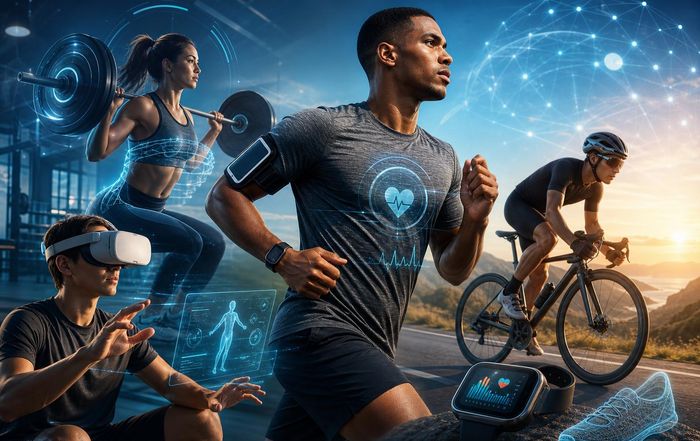
Wearable technology has become the most visible driver of personalization, turning athletes and casual exercisers into continuously monitored data points. Devices from Apple, Samsung, Fitbit, Garmin, and Whoop now track metrics such as heart rate variability, blood oxygen saturation, skin temperature, and even estimated readiness scores, which are then translated into personalized training recommendations. These systems have moved far beyond simple calorie counts, offering nuanced insights into recovery, sleep architecture, and strain, and they are widely used not only in the United States and Canada but also in markets like Sweden, Norway, South Korea, and Japan, where adoption of digital health tools is particularly strong.
The rise of connected fitness equipment has further deepened personalization. Platforms such as Peloton, Tonal, and Hydrow adapt resistance, intensity, and programming based on individual performance data, creating a feedback loop that adjusts to each session. Learn more about how connected fitness is reshaping home training through industry analyses from McKinsey & Company. In parallel, smartphone-based apps have democratized structured training, offering tailored plans for marathon preparation, strength building, or mobility improvement, often calibrated to a user's baseline fitness and goals. These developments have blurred the lines between professional coaching and consumer technology, raising questions about where expertise resides and how it is validated.
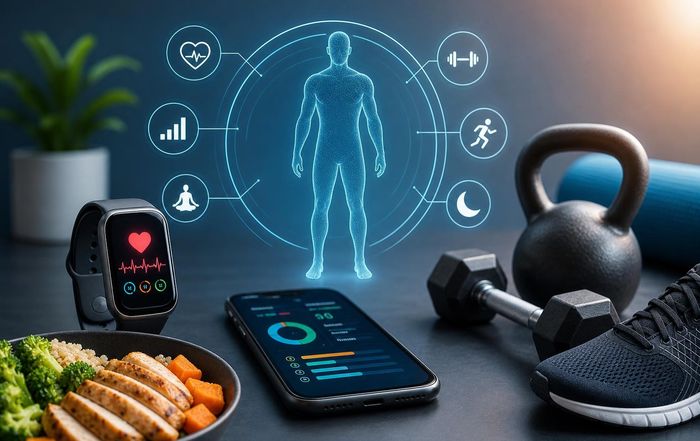
For readers of Sportsyncr, particularly those following the evolution of technology in sport, the key issue is no longer whether wearables are useful, but how to interpret and act on their insights without becoming overwhelmed or misled. The most advanced ecosystems now integrate data from multiple sources, including wearables, nutrition trackers, and mental wellbeing apps, to create a unified profile that can guide training decisions across days, weeks, and competitive seasons.
AI Coaching and Adaptive Training Algorithms
Artificial intelligence has become the quiet engine behind many personalized fitness experiences, translating streams of raw data into specific, human-readable recommendations. AI-driven coaching platforms analyze historical performance, recent training loads, and contextual factors such as sleep and stress to adjust workouts dynamically, making real-time decisions that previously required constant oversight from a human coach. This is particularly evident in endurance sports, where training plans must balance progressive overload with sufficient recovery to avoid overtraining and injury.
Companies like TrainerRoad, Zwift, and Whoop have incorporated machine learning models that learn from each user's response to training stimuli, adjusting future sessions to optimize gains. Broader technology players such as Google and Microsoft are also embedding health-related AI capabilities into their ecosystems, enabling developers to build more sophisticated fitness applications. Those interested in the broader AI landscape in health and performance can explore the World Economic Forum's perspective on AI in healthcare and wellness. The result is a new category of adaptive training systems that can scale personalized coaching to millions of users, from cyclists in Italy to recreational lifters in New Zealand.
However, AI-driven personalization raises crucial questions about transparency, bias, and accountability. Models trained on datasets skewed toward specific populations may underperform for users in Africa, South America, or Southeast Asia, where physiological, environmental, and cultural factors differ. For a platform like Sportsyncr, which serves a global readership across world sport and fitness developments, highlighting these nuances is essential to ensuring that personalization does not inadvertently amplify existing inequalities in access, representation, and effectiveness.
Integrating Health, Recovery, and Longevity
Personalized fitness in 2026 is no longer confined to improving race times or lifting heavier weights; it is increasingly intertwined with holistic health, recovery, and longevity. As health systems in countries such as the United States, the United Kingdom, Germany, and Singapore grapple with rising chronic disease burdens, the role of individualized physical activity programs as a form of preventive medicine has come into sharper focus. Organizations like the Centers for Disease Control and Prevention and NHS England have emphasized the importance of tailored exercise interventions for conditions such as diabetes, cardiovascular disease, and mental health disorders. Readers can explore the CDC's guidance on physical activity and chronic disease prevention for further context.
This integration is evident in the growth of exercise-as-medicine initiatives, where clinicians collaborate with fitness professionals to prescribe personalized activity plans based on medical histories, lab results, and risk profiles. Recovery has similarly become more scientific, with personalized protocols involving sleep optimization, mobility work, cold and heat therapies, and stress management techniques. Companies like Oura and Eight Sleep specialize in sleep-centric data that informs training readiness, while wellness centers across Canada, France, and the Netherlands are incorporating individualized recovery suites into their offerings. For those following the health dimension of this shift, the Sportsyncr health channel provides ongoing coverage of how personalized exercise is being woven into broader healthcare strategies.
The longevity conversation has also gained momentum, influenced by research from institutions such as Stanford University and Mayo Clinic, which are investigating how personalized activity patterns can extend healthspan rather than just lifespan. Learn more about the emerging science of exercise and aging through resources from the Mayo Clinic's healthy lifestyle hub. In this context, personalized fitness becomes not just a means of achieving short-term aesthetic or performance goals, but a strategic investment in long-term physical, cognitive, and emotional resilience.
Cultural, Social, and Regional Dimensions of Personalization
While technology and science provide the infrastructure for personalized fitness, culture and social context determine how these tools are adopted, interpreted, and valued across different regions. In North America, the narrative often centers on individual optimization and self-improvement, with consumers in the United States and Canada embracing competitive metrics, leaderboards, and performance-oriented branding. In contrast, Nordic countries such as Sweden, Norway, Denmark, and Finland frequently frame physical activity within broader societal values of outdoor life, balance, and community, influencing how personalized programs are designed and marketed.
In Asia, markets such as South Korea, Japan, Singapore, and China exhibit a strong appetite for technology-enabled solutions, yet cultural norms around body image, work culture, and aging shape the specific forms personalization takes. Meanwhile, in emerging economies across Africa and South America, including South Africa and Brazil, personalized fitness is often intertwined with access issues, urban infrastructure, and the role of sport as a vehicle for social mobility and community cohesion. Those interested in how sport intersects with social issues can explore the Sportsyncr social and culture coverage, which tracks these evolving narratives.
Social media platforms and online communities have further personalized fitness by enabling individuals to find subcultures that align with their identities, from powerlifting communities in Germany to yoga collectives in India and running crews in Spain. Influencers and content creators act as informal curators of personalized approaches, blending scientific insights with anecdotal experience. This has democratized access to niche training philosophies but also introduced variability in quality and accuracy, underscoring the importance of authoritative, evidence-based platforms that can help readers distinguish between trend and truth.
The Business of Personalization: Brands, Revenue, and Strategy
For brands, leagues, and fitness businesses, personalization is now a strategic imperative rather than a differentiating bonus. Companies that can translate individual-level data into tailored value propositions are better positioned to deepen engagement, improve retention, and open new revenue streams across memberships, digital subscriptions, equipment, and health services. Global players such as Adidas, Nike, Lululemon, and Under Armour have invested heavily in digital ecosystems that connect apparel, footwear, and accessories with personalized training content and performance feedback. Learn more about the evolution of direct-to-consumer fitness strategies through business analysis from Deloitte's sports business group.
At the same time, health insurers and corporate wellness providers in regions like the United Kingdom, Switzerland, and Australia are exploring personalized activity incentives, where premiums and benefits are linked to individually tailored movement goals and verified by wearable data. This convergence of fitness, health, and financial services introduces new business models but also raises complex questions about data governance, equity, and consent. For readers tracking these developments from a commercial standpoint, the Sportsyncr business channel offers analysis of how personalization is reshaping value chains across sport, fitness, and health.
Smaller brands and startups are also leveraging personalization to carve out defensible niches, from individualized training programs for women in midlife to performance systems tailored to specific sports such as cycling, football, or esports. The rise of hyper-niche offerings reflects a broader shift toward micro-segmentation, where success depends on deep understanding of a particular community's needs and the ability to deliver precise, trustworthy solutions at scale. This is particularly relevant for regions like Europe and Asia, where cultural diversity and regulatory fragmentation require localization as well as personalization.
Jobs, Skills, and the Evolving Role of Human Expertise
As algorithms and platforms take on more of the routine planning and monitoring tasks, the role of human expertise in fitness is evolving rather than disappearing. Coaches, trainers, physiotherapists, and sports scientists are increasingly expected to interpret complex data, integrate it with contextual knowledge, and provide nuanced guidance that technology alone cannot replicate. This shift is creating new job categories at the intersection of data analytics, behavioral science, and performance coaching, with demand emerging in markets from the United States and United Kingdom to Singapore and New Zealand.
Professional bodies and educational institutions are responding by updating curricula to include data literacy, technology integration, and ethical considerations in fitness and health practice. Those exploring career opportunities in this evolving landscape can follow developments via the Sportsyncr jobs and careers section, which highlights how roles in sport and fitness are being reshaped by personalization. At the same time, governing bodies and accreditation organizations are grappling with how to validate expertise in an environment where non-traditional actors, including tech companies and influencers, wield growing influence over training norms and consumer behavior.
Human expertise also remains crucial in addressing the psychological and motivational dimensions of personalized fitness. While AI can suggest an optimal interval session based on heart rate data, it cannot fully comprehend the emotional context of an athlete balancing work stress, family responsibilities, and cultural expectations. Coaches and mentors who can integrate data-driven insights with empathy, communication skills, and cultural awareness will be particularly valuable as personalization continues to expand.
Trust, Ethics, and Governance in a Data-Driven Fitness World
The personalization revolution depends fundamentally on trust, since it requires individuals to share increasingly sensitive data about their bodies, behaviors, and health histories. High-profile data breaches and concerns about surveillance capitalism have made consumers in regions such as Europe, North America, and parts of Asia more cautious about how their information is collected, stored, and monetized. Regulatory frameworks like the European Union's General Data Protection Regulation have set important precedents for data rights and consent, influencing practices in countries from France and Italy to the Netherlands and Denmark. Those who wish to understand the broader regulatory context can review the European Commission's overview of data protection and privacy rules.
Ethical considerations extend beyond privacy to include issues of algorithmic bias, transparency, and accessibility. If personalized fitness solutions are primarily designed for affluent, urban populations in North America and Western Europe, they risk reinforcing global disparities in health and performance outcomes. Organizations such as UNESCO and OECD have begun to articulate principles for ethical AI and digital health that could guide the development of more inclusive personalized fitness ecosystems; readers can explore these perspectives through the OECD's work on AI principles and human-centric innovation. For Sportsyncr, which operates as a trusted intermediary between technology providers, sports organizations, and consumers, emphasizing these ethical dimensions is central to building a resilient, credible information environment.
Trust also depends on the quality and integrity of the underlying science. With an abundance of commercial claims about personalization, from genetic tests promising bespoke training plans to supplements marketed as individualized performance enhancers, there is a pressing need for critical evaluation and independent assessment. Platforms that prioritize evidence, transparency, and expert commentary will play a vital role in helping readers navigate an increasingly crowded and sometimes confusing marketplace.
The Running Track Ahead: Personalization as an Ecosystem, Not a Feature
So it is evident that personalization is not a passing trend or a single technology, but an emergent ecosystem that connects sports performance, health, culture, business, and technology across continents. In the United States, Canada, and the United Kingdom, consumers now expect their fitness experiences to adapt to their data in the same way that streaming services personalize entertainment. In Germany, France, Spain, and Italy, clubs and federations are embedding individualized performance tracking into youth development pathways. In Singapore, South Korea, and Japan, technology-led personalization is intersecting with dense urban lifestyles and aging populations, while in South Africa, Brazil, and other parts of Africa and South America, localized innovations are emerging that reflect distinct social and infrastructural realities.
For Sportsyncr, whose active and fantastic mission jumps over sports, fitness, brands, and the broader societal implications of sport and health, the task ahead is to continue providing nuanced, globally relevant analysis of how personalization is evolving through totally unique and engaging content. This includes tracking advances in sports science and technology, examining business and sponsorship strategies, exploring cultural and social dynamics, and scrutinizing the ethical and regulatory frameworks that will shape the future of individualized fitness.
As more people around the world turn to personalized approaches to achieve their goals, prevent illness, and express their identities through movement, the stakes will only grow. The organizations and individuals who succeed in this new era will be those who combine technological sophistication with genuine expertise, cultural sensitivity, and a commitment to trustworthiness. In that sense, the story of modern fitness becoming more personalized is ultimately a story about how sport and health systems can become more human, responsive, and inclusive, even as they are powered by some of the most advanced technologies of the digital age.