

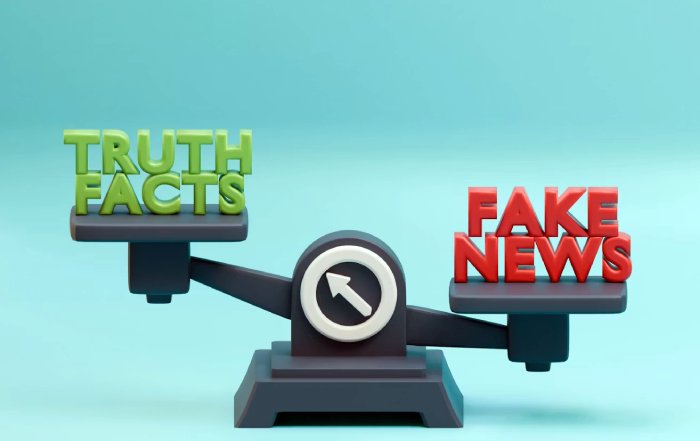
Breaking News: How Verification Standards Are Changing in 2026
The New Currency of Trust in a Fragmented World
In 2026, verification has become the defining fault line between credibility and chaos across sports, business, media, and digital culture. What began as a technical challenge of confirming identities and transactions has evolved into a strategic imperative for organizations that wish to be believed, followed, and funded. For a global audience that turns to Sportsyncr to navigate the intersection of sports, health, technology, business, and culture, the transformation of verification standards is not an abstract regulatory story; it is a daily operational reality that shapes how fans consume content, how brands invest in partnerships, how athletes build careers, and how trust is earned or lost in seconds.
Around the world, from the United States and the United Kingdom to Germany, Singapore, and South Africa, regulators, technology companies, sports leagues, and sponsors are converging on a single conclusion: traditional approaches to verification are no longer sufficient. Identity can no longer be treated as a static profile, authenticity can no longer be inferred from a logo or a blue checkmark, and proof can no longer rely on manual processes that cannot keep pace with real-time digital interactions. Verification now demands a multi-layered, data-driven and continuously updated framework that integrates legal standards, advanced technologies, and transparent governance to build confidence among users, partners, and regulators alike.
From Blue Checkmarks to Multi-Layered Identity
The first generation of online verification, symbolized by simple profile badges on major social networks, was built for a more naive internet where impersonation was a nuisance rather than a systemic risk. As platforms such as X (formerly Twitter), Meta, and TikTok experimented with paid verification and evolving criteria, it became clear that a single static symbol could not capture the complexity of identity, influence, and accountability in a global digital ecosystem. Learn more about how major platforms are rethinking identity and safety on the Electronic Frontier Foundation and the World Economic Forum.
Sports, entertainment, and gaming have been at the sharp edge of this shift. High-profile athletes, esports players, and content creators in regions from North America and Europe to Asia and South America have faced impersonation, deepfakes, and fraudulent sponsorship approaches that exploit weak verification controls. For a platform like Sportsyncr, which covers sports, gaming, and social trends, this has created a new editorial and operational mandate: to understand and explain how identity verification is moving beyond surface-level indicators toward more robust, multi-factor systems that integrate government IDs, biometric signals, behavioral analysis, and cryptographic proofs.
Regulatory Pressure and the Global Compliance Wave
The acceleration of verification standards is not driven by technology alone; it is being forced by a rising tide of regulation. In 2026, organizations across sports, media, and technology must navigate an increasingly complex web of data protection, platform accountability, and financial compliance rules. In the European Union, frameworks such as the Digital Services Act and General Data Protection Regulation are setting high expectations for how platforms verify business users, moderate content, and protect personal data, with ripple effects felt by leagues, clubs, and sponsors that rely on digital engagement. Readers can explore the evolving regulatory landscape through resources such as the European Commission and the OECD.
In the United States, regulatory agencies and lawmakers are intensifying their focus on online fraud, betting integrity, and consumer protection, particularly as legalized sports wagering expands and digital sponsorships become more complex. Similar trends are visible in the United Kingdom, Canada, Australia, and key Asian markets such as Singapore, Japan, and South Korea, where regulators are pressing platforms and rightsholders to demonstrate robust know-your-customer and know-your-partner processes. For companies active across multiple jurisdictions, including global sports brands and technology providers, compliance has become a strategic function tied directly to reputation and commercial opportunity rather than a back-office obligation.
Verification in Sports: Integrity, Performance, and Reputation
Within the sports industry, verification now touches every layer of the value chain, from athlete registration and anti-doping compliance to ticketing, broadcasting, and sponsorship. Major governing bodies such as the International Olympic Committee, leading football leagues, and national federations are tightening their identity and eligibility verification processes to protect competitive integrity and ensure fair play. For example, anti-doping organizations and performance science institutes, including entities highlighted by the World Anti-Doping Agency, rely on rigorous verification of athlete identities, biological passports, and test data to prevent manipulation and maintain trust in results.
On the commercial side, clubs and event organizers are deploying more advanced verification methods to combat ticket fraud and scalping, integrating digital wallets, dynamic QR codes, and identity-linked passes that can be verified in real time at stadium gates. Learn more about the evolution of digital ticketing and fan experience through resources provided by FIFA, UEFA, and industry analysts such as Deloitte Sports Business Group. For Sportsyncr readers who follow the intersection of business and culture in sport, this shift in verification is reshaping how fans in countries from Germany and Spain to Brazil and South Africa experience live events and interact with their favorite teams.
Health, Fitness, and the Verification of Evidence
Verification standards are also transforming the health and fitness ecosystem that sits at the heart of Sportsyncr's coverage of health and fitness. As wearable devices, connected gyms, and digital coaching platforms proliferate across markets such as the United States, the United Kingdom, China, and the Nordic countries, the need to verify both user identity and data integrity has become critical. Health metrics, performance data, and injury records are increasingly used for training optimization, talent scouting, and even insurance underwriting, which means stakeholders must be confident that the data has not been tampered with and that it originates from the correct individual.
Organizations such as the World Health Organization and national health agencies in Europe and Asia emphasize the importance of verifiable data in public health strategies and research. Readers can explore the broader implications of digital health verification through resources such as the WHO and the U.S. Centers for Disease Control and Prevention. At the same time, elite performance centers and sports science labs rely on peer-reviewed evidence and validated methodologies, as highlighted by outlets like Nature and The Lancet, to ensure that claims about training interventions, recovery protocols, or nutritional supplements are grounded in reliable science rather than marketing hype.
Technology: AI, Biometrics, and Cryptographic Proofs
The rapid evolution of verification standards is inseparable from advances in technology. Artificial intelligence, biometrics, and cryptography are converging to create new capabilities for confirming identity, detecting anomalies, and establishing trust without exposing unnecessary personal data. Leading research institutions and technology firms, including those profiled by the MIT Technology Review and the Allen Institute for AI, are developing models that can analyze behavioral patterns, voice signatures, and facial features to flag suspicious activity or deepfake content in real time.
Biometric verification, whether through facial recognition, fingerprint scanning, or gait analysis, is being integrated into stadium access systems, athlete monitoring tools, and high-security training facilities. Cryptographic techniques such as zero-knowledge proofs and decentralized identifiers are gaining traction among innovators who seek to enable individuals to prove their eligibility or credentials without revealing more information than necessary. This is particularly relevant for global sports and gaming platforms that must navigate privacy regulations while still protecting against fraud, match-fixing, and account takeovers. Readers interested in the technical underpinnings of these developments can explore resources provided by the National Institute of Standards and Technology and the Internet Engineering Task Force.
For Sportsyncr, which covers technology trends impacting sports, esports, and fan engagement, the critical question is how these tools can be deployed responsibly, with clear governance and transparent communication, to enhance trust without alienating users or compromising civil liberties.
Business, Sponsorship, and Brand Protection
In the global sponsorship and brand ecosystem, verification standards now sit at the center of risk management and value creation. Major companies across sectors such as financial services, consumer goods, and technology are demanding higher levels of verification from their sports and entertainment partners to ensure that audience metrics are accurate, influencers are authentic, and contractual obligations are fulfilled. The rise of performance-based sponsorship models, where payouts are linked to verified engagement or sales outcomes, has intensified the need for robust measurement and anti-fraud mechanisms. Learn more about evolving sponsorship models and risk frameworks through insights from organizations such as the International Chamber of Commerce and PwC.
Brand safety concerns, particularly in digital environments, have pushed advertisers to require verified inventory and transparent supply chains in programmatic advertising, influencer marketing, and in-game activations. For a platform like Sportsyncr, which covers brands and sponsorship, this shift underscores the importance of traceability and verification across every impression, click, and conversion. In regions such as Europe, North America, and key Asian markets, brands are increasingly unwilling to associate with content or platforms that cannot demonstrate verifiable safeguards against fraud, hate speech, and misinformation, which in turn pressures rights holders and publishers to upgrade their verification infrastructure.
Jobs, Skills, and the New Verification Economy
The transformation of verification standards is also reshaping the labor market and the skills required to succeed in sports, media, and technology. Compliance officers, data protection specialists, trust and safety managers, and verification engineers are now central to strategic decision-making in organizations ranging from global leagues to emerging startups. Professionals who understand both regulatory frameworks and technical architectures are in particularly high demand in hubs such as London, Berlin, Toronto, Singapore, and Sydney. Readers exploring career opportunities in this evolving landscape can follow developments in the jobs market and broader industry trends on Sportsyncr.
At the same time, athletes, creators, and independent professionals must learn how to manage their verified identities across multiple platforms, ensuring consistency, security, and resilience against impersonation. This includes understanding how to authenticate their presence on new platforms, how to protect access to their verified accounts, and how to interpret the verification signals used by partners and sponsors. Educational resources provided by organizations such as the World Intellectual Property Organization and professional associations in sports and media can help individuals navigate these complexities, but there remains a significant gap in awareness and training, especially in emerging markets across Africa, South America, and Southeast Asia.
Environmental and Social Dimensions of Verification
While verification is often discussed in technical or regulatory terms, it also has environmental and social implications that a platform like Sportsyncr, with dedicated coverage of the environment and social impact of sport and technology, cannot overlook. Large-scale verification systems, particularly those that rely on energy-intensive cryptographic processes or extensive data centers, contribute to the digital carbon footprint. Organizations aiming to align with global sustainability goals and frameworks such as those promoted by the United Nations must weigh the environmental costs of their verification architectures and explore more energy-efficient alternatives. Readers can learn more about sustainable digital infrastructure through resources such as the UN Environment Programme and the International Energy Agency.
Socially, verification standards can either promote inclusion or reinforce exclusion, depending on how they are designed and implemented. Strict identity requirements that rely heavily on formal documentation may disadvantage individuals in regions where access to government IDs or financial services is limited, including parts of Africa, South Asia, and Latin America. Conversely, thoughtful verification frameworks that incorporate multiple forms of proof and respect local realities can help extend access to digital services, educational content, and economic opportunities. Civil society organizations and digital rights advocates, including those highlighted by Access Now, are pushing for verification models that are transparent, accountable, and respectful of human rights, particularly in high-risk contexts such as political expression and activism.
The Role of Media and Platforms Like Sportsyncr
As verification standards evolve, the role of independent, trusted media becomes even more critical. Platforms such as Sportsyncr occupy a unique position at the intersection of news, science, and world affairs, serving audiences across continents who seek clear, evidence-based analysis of complex developments. In this environment, editorial verification-the process of confirming facts, sources, images, and data before publication-remains a cornerstone of credibility. News organizations that invest in verification desks, fact-checking partnerships, and transparent corrections policies are better positioned to maintain audience trust amid an onslaught of synthetic media, manipulated statistics, and agenda-driven narratives.
For Sportsyncr, making verification visible is part of building long-term trust with readers in the United States, Europe, Asia, Africa, and beyond. This includes explaining how sources are selected, how conflicting claims are reconciled, and how emerging technologies such as AI-generated content are identified and contextualized. It also means engaging with industry initiatives that promote standards for trustworthy information, such as those supported by the Trust Project and the International Fact-Checking Network. By foregrounding verification as both a practice and a value, media outlets can help audiences develop their own literacy in assessing claims, credentials, and content across platforms.
Looking Ahead: Strategic Choices in a Verified Future
The evolution of verification standards in 2026 is not a temporary adjustment but a structural shift that will define the next decade of digital interaction, commercial strategy, and cultural expression. Organizations that treat verification as a narrow compliance requirement or an optional feature risk falling behind in markets where users, regulators, and partners demand demonstrable proof of integrity. Those that approach verification as a strategic asset-integrated into product design, customer experience, governance, and brand positioning-will be better equipped to navigate uncertainty and seize new opportunities.
For the global community that turns to Sportsyncr for insight across sports, health, technology, business, gaming, and culture, the key message is that verification is no longer an invisible back-end function. It shapes how tickets are bought, how athletes are scouted, how medical advice is trusted, how sponsorship deals are structured, how jobs are filled, and how communities form around teams and causes. As verification standards continue to change, the most resilient organizations and individuals will be those who understand not only the technical mechanisms but also the ethical, social, and environmental dimensions of trust in a hyperconnected world.
In this emerging landscape, verification is becoming the new currency of credibility. The organizations, leagues, brands, and platforms that invest thoughtfully in building verifiable, transparent, and inclusive systems will not simply comply with regulations; they will earn the confidence of fans, customers, and citizens from New York to London, Berlin to Singapore, São Paulo to Johannesburg, and beyond.