

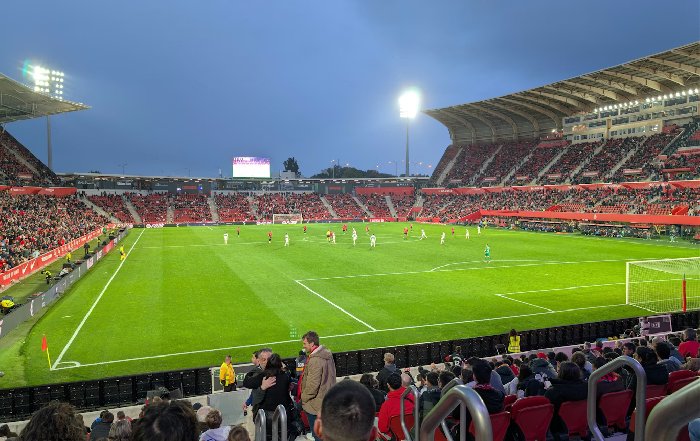
The Jobs Created by the Stadium Experience Economy
The Stadium as an Economic Engine in 2026
In 2026, the modern stadium has evolved far beyond its origins as a simple venue for watching live sport; it has become a multi-layered economic engine that shapes employment, urban development and cross-industry innovation across continents. From the United States and the United Kingdom to Germany, Australia, Singapore, South Africa and Brazil, large-scale arenas now operate as year-round "experience hubs" where sport, entertainment, technology, hospitality, retail and media intersect, creating a diverse ecosystem of jobs that extends well beyond the ninety minutes of a football match or the four quarters of a basketball game. For Sportsyncr and its global readership, understanding the jobs created by this stadium experience economy is central to grasping how sports, business, technology and culture are converging into a powerful, data-driven and increasingly sustainable industry.
The rise of this economy is underpinned by several global trends: the growth of live sports media rights, the rapid expansion of digital fan engagement, the push for climate-resilient infrastructure, and the integration of health and wellness into the fan journey. Organizations such as FIFA, UEFA, the NFL, the NBA, the Premier League, LaLiga, the Bundesliga and the IOC have all contributed to an environment in which stadiums must function as both broadcast studios and experiential destinations. As a result, the employment landscape now includes not only traditional roles in ticketing, concessions and security but also specialist jobs in data science, cybersecurity, sustainability, esports, fan psychology, sponsorship analytics and immersive technology. Readers seeking a broader context on how sport shapes global economies can explore the dedicated coverage on sports business and strategy at Sportsyncr, where these themes are examined across leagues and markets.
From Matchday to 365-Day Experience Platforms
Historically, stadium jobs were largely seasonal and event-driven, with employment spikes on matchdays and relative inactivity in between. In 2026, leading venues in North America, Europe and Asia are increasingly designed and operated as 365-day platforms, hosting concerts, esports tournaments, conferences, community health programs, corporate hospitality events and even technology showcases. This shift has multiplied the range and stability of jobs, turning many roles from part-time or casual into full-time, career-track opportunities.
The transformation is evident in the way major projects are planned and financed. Reports from organizations like the OECD illustrate how large sports venues are now evaluated not only for their capacity and location but for their potential to serve as multi-use precincts that attract visitors and businesses throughout the year; readers can learn more about infrastructure-driven growth to see how these projects fit into broader regional strategies. For Sportsyncr, which covers how sports intersects with urban culture and community identity, this year-round model highlights why stadiums are increasingly relevant to local culture and social dynamics, from London and Berlin to Singapore and São Paulo.
The 365-day approach also strengthens the link between stadiums and employment in adjacent sectors such as tourism, transport, hospitality and retail. Large events at Wembley Stadium, Allianz Arena, SoFi Stadium, Accor Stadium in Sydney or Singapore National Stadium generate demand for hotels, restaurants, ride-hailing services and local attractions, supporting jobs that are not immediately visible within the stadium walls but are directly tied to the fan and visitor experience. Tourism bodies like VisitBritain and Destination Canada actively promote major sporting events as visitor magnets; those interested can explore how sports tourism supports regional economies through official tourism data and case studies.
Core Stadium Operations: The Foundation of the Experience
At the heart of the stadium experience economy lies a core set of operational roles without which no event could safely and efficiently take place. These range from stadium managers and operations directors to groundskeepers, security personnel, stewards, maintenance staff, electricians, plumbers and logistics coordinators. While these jobs may seem traditional, the complexity of modern venues has elevated the level of expertise required and expanded the opportunities for specialization.
Facilities management for a 60,000-seat stadium in the United States, Germany or Japan now involves sophisticated building management systems, energy monitoring platforms, and integration with transport and emergency services. Organizations such as IFMA and BOMA International provide professional standards and training for facilities professionals; those interested can learn more about facilities management best practices to understand how these roles are evolving. For Sportsyncr, which frequently examines the intersection of sports, environment and sustainable infrastructure, these operational jobs are critical because they are increasingly responsible for implementing green building standards, waste management systems and water conservation strategies that align with global climate goals.
Security and crowd management roles have also become more specialized, particularly in regions such as Europe, North America and Asia where stadiums must comply with stringent safety regulations and counter-terrorism protocols. Collaboration with local police, emergency medical services and transport authorities requires integrated planning and real-time communication, driving demand for professionals trained in risk assessment, emergency response and crowd psychology. Organizations like INTERPOL and national safety agencies publish guidelines on event security; readers can explore global best practices in major event security to see how these frameworks influence hiring and training across stadiums worldwide.
Hospitality, Food and Beverage: Elevating the Fan Journey
The stadium experience economy is heavily driven by hospitality and food and beverage operations, which have evolved from basic concessions to sophisticated culinary ecosystems that reflect local culture, health trends and premium expectations. Modern venues in cities such as New York, London, Munich, Tokyo and Melbourne now feature curated food halls, craft beverage offerings, plant-based menus and branded restaurant concepts, all of which require chefs, nutritionists, bar managers, servers, baristas, procurement specialists and quality assurance professionals.
Global hospitality groups like Compass Group, Sodexo Live! and Delaware North operate in many of these stadiums, bringing standardized training, safety protocols and career pathways to thousands of employees; those interested can learn more about large-scale event catering and hospitality to understand how these companies structure their stadium operations. For a platform like Sportsyncr, whose readers are increasingly attentive to health and wellness in sports environments, the integration of nutrition, allergen management and healthier menu options is an important dimension of how stadium jobs are changing, with new roles emerging around menu design, dietary compliance and customer education.
Premium hospitality has become a major revenue driver, particularly in the United States, the United Kingdom, Germany, France and the Middle East, where corporate suites, VIP lounges and club-level experiences offer tailored services for high-value clients. These areas generate employment for concierge staff, event planners, sommeliers, private chefs and corporate relationship managers who operate at the intersection of sport, business networking and luxury experience. Hospitality industry bodies such as the World Travel & Tourism Council provide insights into how premium experiences shape employment and spending; readers can explore the economic impact of hospitality and tourism to see how stadium-based hospitality fits into a wider global narrative.
Technology, Data and the Smart Stadium Workforce
Perhaps the most striking evolution of the stadium experience economy in 2026 is the expansion of technology and data-driven roles. Smart stadiums in the United States, Europe and Asia now rely on high-density Wi-Fi, 5G connectivity, IoT sensors, digital ticketing, mobile ordering, advanced access control and real-time analytics to deliver seamless experiences to tens of thousands of fans simultaneously. This digital infrastructure has created demand for network engineers, cybersecurity specialists, data scientists, UX designers, CRM managers, app developers and digital product owners who work behind the scenes to orchestrate the fan journey.
Technology providers such as Cisco, IBM, Intel and Samsung partner with clubs and venue operators to deliver integrated solutions; those interested in the technical foundations of smart venues can learn more about connected stadium technologies through industry case studies. For Sportsyncr, which covers sports technology and innovation across regions like North America, Europe and Asia-Pacific, these roles exemplify the new career paths emerging at the intersection of engineering, data analytics and fan engagement.
Data-driven decision-making has become central to stadium management, from dynamic pricing and queue optimization to energy efficiency and security monitoring. Analytics professionals now work with data feeds from ticketing systems, point-of-sale terminals, turnstiles, cameras and mobile apps to understand fan behavior, optimize staffing and personalize marketing. Organizations like the MIT Sloan Sports Analytics Conference and Sports Innovation Lab showcase how data is transforming the sports business; readers can explore how analytics is reshaping sports operations to appreciate the skills now in demand.
Cybersecurity has also emerged as a critical function, as stadiums handle sensitive personal and payment data and operate increasingly complex digital systems. Professionals trained in threat detection, incident response and compliance with regulations like GDPR in Europe and various privacy laws in North America and Asia are now essential members of stadium IT teams. Resources from bodies such as ENISA in Europe and NIST in the United States provide guidelines on securing large-scale digital environments; those interested can learn more about cybersecurity frameworks for critical infrastructure to see how stadiums are adopting best practices.
Media, Content and the Global Broadcast Workforce
The stadium experience economy extends far beyond the spectators in the stands, reaching millions of viewers worldwide through live broadcasts, streaming platforms and social media. This global reach creates substantial employment in media production, broadcasting, content creation and digital storytelling. Camera operators, sound engineers, directors, producers, replay technicians, graphics designers, commentators, analysts, statisticians and social media managers all contribute to turning a live event into a compelling multi-platform narrative.
Major broadcasters and streaming services such as ESPN, Sky Sports, DAZN, Amazon Prime Video and Tencent Sports invest heavily in rights and production capabilities, coordinating with leagues, clubs and venue operators to deliver high-quality coverage; those interested can explore how sports media rights shape the industry through industry analyses. For Sportsyncr, which reports on sports news and global developments, this media ecosystem is central to understanding how stadium events influence fan engagement in regions as diverse as North America, Europe, Asia and Africa.
Content creation has also become more decentralized, with clubs, leagues and even stadiums operating their own in-house media teams to produce behind-the-scenes content, documentaries, podcasts and short-form video for platforms like YouTube, Instagram, TikTok and WeChat. This shift has created roles for videographers, editors, motion graphics artists, copywriters, community managers and digital strategists who understand both storytelling and platform algorithms. Organizations such as NAB and IBC showcase the latest trends in broadcast and content technologies; readers can learn more about innovation in media production to see how these developments feed back into stadium-based employment.
Health, Safety and Performance: Integrating Wellbeing into Venues
Modern stadiums are not only places of entertainment but also environments where health, safety and human performance are carefully managed. Medical teams, sports physicians, physiotherapists, athletic trainers, paramedics and mental health professionals are integral to ensuring the wellbeing of athletes, staff and spectators. These roles have expanded in scope following global health crises and rising awareness of issues such as concussion, cardiac risk and mental health in sport.
Organizations like the World Health Organization and FIFA Medical Centre of Excellence provide guidelines and research on health in mass gatherings and elite sport; those interested can learn more about health and safety in sports environments to understand how medical protocols influence staffing and training. For Sportsyncr, which dedicates coverage to health and performance in sport, the integration of medical expertise into the stadium experience underscores how fan and athlete safety has become a strategic priority rather than a peripheral concern.
In addition to clinical roles, stadiums now employ specialists in occupational health, ergonomics, air quality monitoring and infection control, particularly in enclosed or multi-use arenas. These professionals collaborate with facilities and operations teams to design cleaning protocols, ventilation strategies and crowd management measures that reduce health risks. The Centers for Disease Control and Prevention (CDC) and the European Centre for Disease Prevention and Control (ECDC) provide frameworks for managing health in large gatherings; readers can explore public health guidance for mass events to see how these principles are applied in stadium contexts worldwide.
Sustainability and the Green Stadium Workforce
As climate change and environmental responsibility move to the center of global policy discussions, stadiums have become high-profile showcases for sustainable design and operations. Green building certifications, renewable energy installations, water recycling systems, sustainable materials and low-carbon transport strategies all require specialized expertise, creating a growing "green stadium" workforce that spans architecture, engineering, operations and community engagement.
Architectural and engineering firms such as Populous, HOK, Arup and AECOM are at the forefront of designing sustainable venues that meet or exceed standards like LEED, BREEAM and local environmental codes; those interested can learn more about sustainable stadium design through project case studies and technical reports. For Sportsyncr, whose readers are increasingly attuned to environmental and climate issues in sport, the emergence of roles such as sustainability managers, energy analysts, waste reduction coordinators and community outreach officers is a key development in how stadiums contribute to broader ESG objectives.
Global initiatives like UN Sports for Climate Action have encouraged leagues, clubs and venue operators to commit to emissions reductions and climate resilience; readers can explore how sport is aligning with climate goals to understand why environmental expertise is now a strategic priority in stadium hiring. In countries such as Germany, the Netherlands, Sweden, Denmark and Norway, where renewable energy and circular economy principles are more advanced, stadiums often serve as pilot sites for new technologies, supporting jobs in solar installation, battery storage management, smart grid integration and sustainable transport planning.
Esports, Gaming and the Hybrid Event Workforce
The rise of esports and gaming has added a new dimension to the stadium experience economy, particularly in regions like South Korea, China, the United States, Europe and Southeast Asia, where competitive gaming has achieved mainstream recognition. Traditional stadiums and purpose-built arenas now host major esports tournaments that attract global audiences both in-person and online, generating employment in event production, game operations, broadcast, marketing, fan engagement and sponsorship management.
Game publishers such as Riot Games, Valve, Activision Blizzard and Tencent collaborate with venue operators to stage high-profile events that blend live performance, digital interaction and immersive technology; those interested can learn more about the global esports ecosystem through industry news and analysis. For Sportsyncr, which covers gaming and digital competition, the convergence of traditional sports and esports in shared venues is a critical theme, as it reshapes the skill sets required of event staff and creates new hybrid roles that bridge physical and digital fan experiences.
Esports events also stimulate jobs in areas such as stage design, LED and projection systems, augmented reality effects, in-game observing, live statistics integration and fan engagement platforms. These roles often draw from both the entertainment industry and software development, illustrating how the stadium experience economy now sits at the intersection of multiple creative and technical sectors. Organizations like the International Esports Federation (IESF) and Global Esports Federation work to professionalize the sector; readers can explore governance and development in esports to understand how standardized practices are influencing employment and training.
Sponsorship, Brands and the Commercial Ecosystem
The commercial engine of the stadium experience economy is powered by sponsorship, advertising and brand partnerships, which collectively support a wide array of jobs in sales, account management, brand activation, experiential marketing and data-driven measurement. Global brands such as Coca-Cola, Adidas, Nike, Emirates, Heineken and Mastercard invest in naming rights, shirt sponsorships, in-stadium activations and digital campaigns, working closely with clubs, leagues and venue operators to reach fans in culturally relevant ways.
Specialist agencies and consultancies help structure and evaluate these partnerships, employing analysts, creative directors, strategists, rights negotiators and legal experts. Industry organizations like the European Sponsorship Association and IAB provide standards and research; those interested can learn more about sponsorship effectiveness and fan engagement to see how data and creativity combine in this field. For Sportsyncr, which maintains a focus on brands and sponsorship in sport, these roles are central to understanding how the stadium experience economy converts fan attention into sustainable revenue streams.
In many markets, particularly in Europe, North America and Asia, brands increasingly demand measurable outcomes from their stadium investments, driving the need for professionals skilled in analytics, CRM, digital attribution and return-on-investment modeling. This commercial sophistication has led to closer collaboration between sponsorship teams, data departments and technology providers, further expanding the range of jobs that sit at the nexus of marketing, data science and fan experience. Readers seeking deeper insights into how brands operate in sport can explore Sportsyncr's dedicated coverage of global sports brands, which highlights case studies from leagues and clubs across continents.
Skills, Careers and the Future Stadium Workforce
The expansion of the stadium experience economy has significant implications for careers and skills development across regions including North America, Europe, Asia-Pacific, Africa and South America. In addition to traditional hospitality and operations roles, there is growing demand for professionals with expertise in digital technologies, data analytics, sustainability, health and safety, media production and cross-cultural communication. Universities, vocational institutions and online platforms are responding by offering specialized programs in sports management, event operations, sports analytics, esports management and venue design.
Labor market data from organizations such as the International Labour Organization and national statistics agencies show that sports and entertainment venues contribute meaningfully to employment and skills development, particularly for young people and career changers; those interested can explore global employment trends to understand how these sectors compare with other industries. For Sportsyncr, which reports on jobs and careers in sport and related sectors, the stadium experience economy presents a compelling narrative of how passion for sport and entertainment can translate into diverse professional pathways, from engineering and medicine to marketing and data science.
The future workforce will also need to navigate shifting expectations around inclusion, accessibility and social impact. Roles focused on diversity and inclusion, community engagement, accessibility planning and fan advocacy are becoming more prominent, particularly in regions like the United Kingdom, Canada, the Netherlands and Scandinavia, where social policy and corporate responsibility are closely aligned. Organizations such as UNESCO and Human Rights Watch have highlighted the importance of inclusive access to cultural and sporting events; readers can learn more about inclusion and cultural participation to understand how these principles are increasingly embedded in stadium planning and operations.
Conclusion: Stadiums as Workplaces of the Future
By 2026, the stadium experience economy stands as a vivid illustration of how sport, business, technology, culture and sustainability can combine to generate meaningful employment and long-term economic value. From the construction and operation of advanced venues in the United States, the United Kingdom, Germany, France, Italy, Spain and the Netherlands, to the hosting of global events in China, Japan, South Korea, Singapore, Brazil, South Africa and beyond, stadiums have become complex workplaces where expertise in engineering, hospitality, medicine, data, media, gaming and environmental science converges.
For Sportsyncr and its global audience, the story of the jobs created by the stadium experience economy is ultimately a story about how live sport and entertainment continue to adapt to changing fan expectations, technological disruption and societal challenges. Those who wish to explore these intersections further can navigate across Sportsyncr's coverage of sports and competitions, fitness and performance, world and regional developments, and social and cultural impact, where the stadium remains a central stage on which the future of work, community and experience is being actively shaped.