

Cross-Training in 2026: From Fitness Trend to Strategic Performance Framework
Cross-Training's Consolidation as a Global Standard
Cross-training is no longer simply a progressive training concept or a fashionable gym offering; it has become a central operating framework for how individuals, teams, and organizations think about performance, health, and resilience across the world. In markets from the United States and Canada to the United Kingdom, Germany, Singapore, and Australia, the shift away from single-modality exercise toward diversified, periodized programs has matured into a stable, data-backed norm. For Sportsyncr, which operates at the intersection of sports, health, fitness, and business, this evolution is not just a story about workouts; it is a lens through which to understand consumer expectations, corporate strategy, technological innovation, and the economics of the global performance ecosystem.
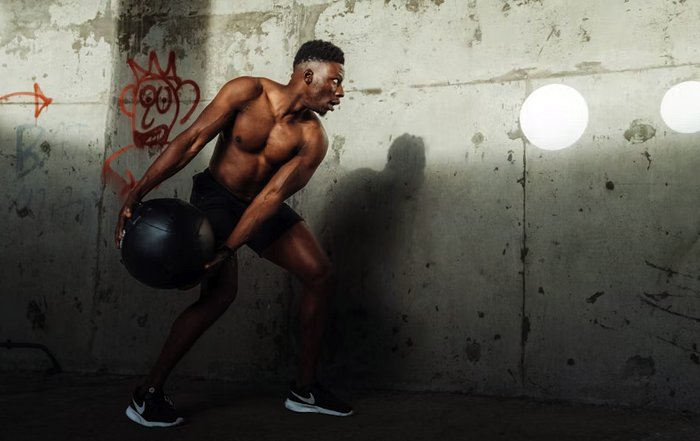
Cross-training in 2026 refers to the structured integration of multiple exercise modalities-resistance training, high-intensity intervals, steady-state endurance, mobility and flexibility work, sport-specific skill practice, and active recovery-into cohesive plans designed to build broad physical capacity while managing injury risk, cognitive fatigue, and long-term sustainability. What differentiates the current landscape from the early 2020s is the level of sophistication, personalization, and institutional adoption: corporate wellness programs in New York and London, community health initiatives in Sweden and Japan, and hybrid performance studios in Singapore and Dubai are all applying similar principles, shaped by local culture but unified by a shared commitment to multi-dimensional fitness.
From Elite Margins to Everyday Infrastructure
Cross-training's roots in elite performance remain visible, but its application has expanded dramatically. Throughout the last decade, national teams and professional clubs such as Team GB, USA Track & Field, and leading sides in the English Premier League and Bundesliga refined multi-modal training to extend careers, mitigate overuse injuries, and optimize performance across congested competition calendars. These organizations, supported by sports science research from bodies like the American College of Sports Medicine and the National Strength and Conditioning Association, demonstrated that blending strength, power, endurance, and mobility work in a periodized manner could produce superior outcomes compared with narrow specialization.
The decisive change occurred when this high-performance logic intersected with the realities of knowledge work, hybrid schedules, and heightened health awareness among professionals in North America, Europe, and Asia. As work patterns in the United States, the United Kingdom, Germany, Canada, and the Netherlands settled into flexible but demanding models, individuals began to seek training systems that could deliver cardiovascular health, muscular strength, mental clarity, and stress resilience within limited weekly time windows. Instead of dedicating separate days to running, lifting, and yoga, time-pressed professionals gravitated toward integrated sessions that combined compound strength movements, short conditioning blocks, and targeted mobility, guided by evidence that multi-component exercise improves health outcomes across metrics such as metabolic function, bone density, and mental wellbeing. Those exploring the public health dimension can learn more about multi-component activity through resources from the World Health Organization.
In technology-driven economies including the United States, Singapore, South Korea, and Sweden, cross-training has been embraced not as a cosmetic pursuit but as a performance infrastructure for demanding cognitive roles. Executives, engineers, and entrepreneurs increasingly treat their physical conditioning in the same way they treat cybersecurity, data governance, or leadership development: as a non-negotiable asset that underpins sustainable productivity and decision-making under pressure.
Scientific Foundations: Why Cross-Training Earned Authority
The credibility of cross-training in 2026 rests on a substantial body of scientific evidence that has accumulated over the last decade. Meta-analyses and longitudinal studies indexed on PubMed and summarized by institutions such as the National Institutes of Health continue to show that combining aerobic, resistance, and flexibility work is associated with lower all-cause mortality, improved insulin sensitivity, healthier body composition, and reduced musculoskeletal decline when compared with single-modality training. Concerns from earlier eras about the "interference effect" between strength and endurance have been reframed by more nuanced understanding of sequencing, intensity distribution, and recovery, allowing both recreational and elite populations to gain cardiovascular fitness without sacrificing strength or power when programming is intelligently designed.
In aging societies such as Japan, Italy, Finland, and Germany, cross-training has been integrated into community and clinical programs as a strategy for maintaining functional independence, balance, and cognitive health. Health systems and research-driven providers, including the Mayo Clinic and the Cleveland Clinic, promote routines that combine resistance work, low-impact cardio, and mobility to reduce fall risk, support joint integrity, and preserve muscle mass, demonstrating that cross-training principles are now embedded in mainstream preventive medicine. For the Sportsyncr audience following the convergence of performance and science, this integration of clinical evidence and applied training practice underlines cross-training's status as more than a fitness fad; it is a long-term framework for public health and high performance alike.
Meanwhile, high-performance environments in football, rugby, basketball, motorsport, and even esports have adopted increasingly granular monitoring to refine cross-training prescriptions. Force plates, GPS tracking, inertial sensors, and heart rate variability analysis are used to calibrate workloads, identify asymmetries, and adjust training blocks to reduce injury risk and optimize readiness. This data-intensive approach, once reserved for Olympic programs, is progressively influencing how ambitious amateurs and corporate wellness initiatives think about progression, deloading, and recovery.
Data, AI, and the Personalized Cross-Training Era
The mainstreaming of cross-training is inseparable from the digital transformation of health and fitness. Wearables from Apple, Garmin, Samsung, and Whoop now provide continuous streams of data on heart rate, sleep stages, variability, movement patterns, and even surrogates for stress, enabling individuals to adjust the composition and intensity of their sessions in near-real time. Platforms such as Apple Fitness+ and Peloton have evolved from offering largely single-focus content to delivering integrated training paths that weave strength, cardio, mobility, and mindfulness into cohesive cycles designed for different goals and life stages.
Artificial intelligence and machine learning have amplified this shift. Modern training applications use behavioral data, completion rates, subjective wellness scores, and biometric markers to recommend specific combinations of interval runs, strength circuits, mobility flows, and active recovery, automatically adapting plans when users travel, miss sessions, or report elevated fatigue. Those interested in the broader context of AI-driven personalization can explore analyses from MIT Technology Review. For professionals in markets such as the United States, the United Kingdom, Singapore, and Denmark, this technology-enabled personalization addresses a critical barrier: the need for high-quality, adaptive guidance without the financial or logistical cost of full-time personal coaching.
For Sportsyncr, whose readers track developments in technology, business models, and consumer behavior, cross-training serves as a compelling case study of how digital ecosystems can reshape habits. Streaming platforms, connected equipment, and community-driven apps have normalized experimentation with different modalities, while dashboards that track strength progression, conditioning capacity, recovery status, and even cognitive performance make it easier to see the compound benefits of diversified training. The result is a culture in which variety is not random or purely entertainment-driven but structured and data-informed, reinforcing trust in cross-training as an efficient, evidence-based approach.
Business Models, Brand Strategy, and the Cross-Training Consumer
The commercial landscape around cross-training has matured significantly by 2026. Traditional gyms in North America, Europe, and parts of Asia have redesigned their layouts to emphasize functional zones, open-floor strength areas, and multi-use studios capable of hosting strength, conditioning, yoga, mobility, and small-group coaching in rapid succession. Boutique operators in cities such as New York, London, Berlin, Amsterdam, Singapore, and Sydney increasingly differentiate themselves through curated cross-training "journeys" that guide members through strength-focused, conditioning-focused, and recovery-focused microcycles across the week, often supported by app-based tracking and at-home extensions.
Global sportswear and equipment brands including Nike, Adidas, Under Armour, and Puma have responded by emphasizing versatility and durability over single-sport specialization, promoting footwear that can handle lifting platforms and short runs, apparel that transitions from gym to outdoor training, and accessories such as adjustable dumbbells, resistance systems, and recovery tools. Strategic reports from consultancies like McKinsey & Company describe a consumer base that increasingly identifies as multi-modal "everyday athletes" rather than runners, lifters, or cyclists alone, which in turn shapes product design, marketing narratives, and retail experiences.
The sponsorship landscape is adapting as well. Brands are allocating budgets not only to major single-sport events but also to hybrid competitions, functional fitness championships, and community festivals that celebrate versatility, longevity, and inclusive participation. For Sportsyncr readers who follow brands and sponsorship, these developments illustrate how cross-training is rewriting the language of performance storytelling: campaigns now spotlight individuals who balance strength, endurance, and lifestyle demands, rather than glorifying narrow extremes. This broader narrative aligns with stakeholder expectations around wellbeing, mental health, and sustainable achievement, particularly in corporate and institutional environments.
Corporate Wellness, Talent Strategy, and New Career Pathways
By 2026, cross-training has become embedded in corporate wellness and talent strategies across sectors such as technology, finance, consulting, professional services, and advanced manufacturing. Employers in the United States, the United Kingdom, Germany, the Netherlands, Singapore, and Australia increasingly recognize that physical and mental health are directly tied to productivity, innovation capacity, and retention. As a result, organizations are investing in hybrid programs that combine on-site training zones, digital memberships, and structured guidance rooted in cross-training principles, aiming to reduce musculoskeletal issues, burnout, and lifestyle-related disease risk.
Human resources and occupational health leaders are moving beyond ad-hoc fitness reimbursements toward integrated frameworks that encourage employees to blend strength, mobility, cardiovascular work, and recovery practices throughout the week. Analyses from bodies such as the World Economic Forum highlight the economic return on investment from comprehensive wellbeing initiatives, reinforcing the case for structured cross-training as a strategic lever rather than a discretionary perk. This shift is creating new professional roles at the intersection of exercise science, data analytics, digital product design, and coaching, as companies seek experts capable of designing scalable programs that respect both physiological principles and the realities of modern work.
For the Sportsyncr community following jobs, careers, and the future of work, the professionalization of cross-training is particularly significant. New opportunities are emerging for strength and conditioning coaches who understand behavior change, for physiotherapists comfortable with digital delivery, for product managers who can translate sports science into intuitive user experiences, and for analysts who can interpret wellness data responsibly. These roles span North America, Europe, Asia, and increasingly Africa and South America, reflecting a global recognition that human performance is a critical competitive differentiator.
Health, Recovery, and Redefining Fitness Success
As cross-training has matured, the definition of fitness success has broadened meaningfully. Aesthetic goals and isolated performance metrics still matter for many, but they are increasingly balanced with markers such as sleep quality, stress resilience, injury-free training streaks, and the ability to sustain energy across the workday. Public health authorities including the Centers for Disease Control and Prevention and the National Health Service continue to emphasize regular strength and aerobic activity alongside flexibility and balance, essentially codifying the core tenets of cross-training in their guidance to citizens.
In culturally diverse markets such as France, Italy, Spain, Japan, South Korea, and Brazil, cross-training has been adapted to local preferences that value balance, social connection, and long-term sustainability. Low-impact modalities such as swimming, cycling, Pilates, and structured walking are increasingly integrated with resistance training and carefully controlled high-intensity intervals, allowing individuals to support cardiovascular health, joint integrity, and healthy body composition without adopting extreme regimens. For Sportsyncr readers engaged with health and fitness, this shift reflects a more mature understanding of fitness as the capacity to perform a variety of physical and cognitive tasks consistently, while maintaining wellbeing across the lifespan.
Recovery has moved from the periphery to the center of cross-training design. Evidence-based practices such as sleep optimization, breathwork, structured deload weeks, mobility flows, and active recovery sessions are now routinely integrated into programs rather than treated as optional extras. Educational resources from organizations like Harvard Health Publishing have helped popularize the notion that adaptation occurs during recovery, reinforcing the idea that sustainable progress depends on intelligently balancing stress and rest. This emphasis on recovery not only reduces injury risk but also builds trust in cross-training as a realistic, long-term lifestyle rather than a short-lived challenge.
Culture, Community, and Social Dynamics
Cross-training's rise has also reshaped the cultural and social fabric of fitness. In major cities across North America, Europe, Asia, and Oceania, hybrid training clubs and community groups have become hubs where professionals, students, and enthusiasts from diverse backgrounds connect around shared values of progression, versatility, and mutual support. Sessions that combine barbell strength work with rowing intervals one day and bodyweight circuits with yoga-inspired mobility the next have become a familiar pattern, providing both structure and variety within a single community identity.
Digital platforms have amplified these dynamics. Communities built on Strava, Zwift, and Discord host challenges that blend running, cycling, strength sessions, and even gaming-related activities, reflecting a generation comfortable moving between physical sport and digital competition. Coverage from outlets such as ESPN illustrates how esports athletes are increasingly using cross-training to manage posture, reaction times, and cognitive stamina, further blurring boundaries between gaming and traditional sport. For those engaging with culture, social trends, and gaming on Sportsyncr, cross-training appears as a unifying language that enables collaboration and friendly rivalry across age groups, job roles, and geographies.
Media narratives have evolved in parallel. Documentaries, long-form journalism, and podcasts now frequently spotlight individuals who leverage cross-training to return from injury, manage chronic conditions, or navigate high-stress careers, emphasizing adaptability and consistency over extreme feats. This storytelling, when anchored in credible expertise, reinforces cross-training's reputation as a trustworthy, inclusive framework rather than an exclusive club for the already fit.
Environment, Infrastructure, and Outdoor Integration
Environmental and urban planning considerations are increasingly influencing how cross-training is practiced. As cities in Europe, North America, and parts of Asia invest in cycling lanes, pedestrianized zones, and outdoor training infrastructure, individuals are blending indoor strength and conditioning with outdoor running, cycling, hiking, and calisthenics. Resources from organizations such as the C40 Cities Climate Leadership Group highlight how active mobility and green spaces contribute to both climate goals and public health, creating fertile ground for outdoor cross-training routines that are low-cost, low-impact, and community-oriented.
For Sportsyncr readers interested in the environment, sustainability, and lifestyle design, this integration of outdoor modalities into cross-training offers a template for aligning personal performance with planetary responsibility. Practitioners are using local parks, waterfronts, and trails as extensions of the gym, reducing reliance on energy-intensive facilities and equipment-heavy models. At the same time, manufacturers and facility operators face growing expectations to adopt more sustainable materials, energy-efficient systems, and circular economy practices, recognizing that environmental credibility is becoming integral to brand trust in the fitness sector.
Regional Nuances in a Global Movement
Although cross-training is now a global phenomenon, its expression varies meaningfully across regions. In the United States and Canada, commercial gyms, boutique studios, and connected fitness platforms dominate, with a strong emphasis on performance metrics, technology integration, and community challenges. In the United Kingdom, Germany, the Netherlands, Switzerland, and the Nordic countries, cross-training is often woven into club-based cultures that combine gym sessions with outdoor cycling, running, and winter sports, supported by robust public infrastructure.
Across Asia, particularly in China, Japan, South Korea, Singapore, Thailand, and Malaysia, cross-training is emerging as a response to urban density, academic and professional pressure, and rising middle-class health awareness. Compact studios, app-based coaching, and corporate partnerships are common, with programs emphasizing time efficiency, stress management, and longevity. Industry analyses from firms such as Deloitte document the rapid growth of these hybrid, digitally enabled models across Asia-Pacific.
In Africa and South America, including South Africa, Brazil, and neighboring markets, cross-training often merges with traditional sports such as football, rugby, and athletics, as well as community-based physical activities in schools and local clubs. Limited access to high-end facilities has driven creative approaches that rely on bodyweight training, improvised equipment, and outdoor spaces, demonstrating that the core principles of cross-training-variety, progression, and balance-are not dependent on expensive infrastructure. For global readers of Sportsyncr, these regional perspectives underscore that while the scientific and strategic foundations of cross-training are universal, effective implementation must respect local culture, resources, and constraints.
The Role of Trusted Platforms in a Complex Ecosystem
As cross-training ecosystems expand and commercial offerings multiply, the need for trusted, independent analysis becomes more critical. Consumers and organizations must navigate a crowded field of programs, influencers, devices, and services, many of which promise rapid transformation but lack scientific rigor or long-term sustainability. Platforms capable of combining deep expertise, critical evaluation, and accessible storytelling are essential to help stakeholders distinguish enduring value from transient noise.
Sportsyncr positions itself deliberately in this space. By integrating coverage across sports, fitness, business, news, technology, culture, and the wider world, Sportsyncr is able to analyze cross-training not only as a set of exercises but as a strategic phenomenon that influences corporate decision-making, sponsorship structures, urban planning, and even labor markets. The platform's commitment to Experience, Expertise, Authoritativeness, and Trustworthiness underpins its editorial approach, ensuring that readers are presented with insights grounded in robust evidence, practical experience, and global context rather than simplistic prescriptions.
By profiling innovators in coaching and sports science, examining the financial implications of cross-training-focused business models, and tracking regulatory and policy developments that affect health and performance, Sportsyncr aims to equip its audience with the knowledge required to design training strategies, build resilient organizations, and shape environments that support long-term wellbeing. In doing so, it acts as both a curator and a connector, linking professionals, practitioners, and policymakers across regions and sectors.
Beyond 2026: Cross-Training as a Long-Term Performance Architecture
Looking beyond this year, cross-training appears set to remain a central architecture for personal and organizational performance rather than a passing phase. Demographic aging in Europe and Asia, escalating healthcare costs in North America, and rising awareness of mental health across all continents are converging to sustain demand for holistic, adaptable fitness solutions. Simultaneously, advances in sports science, behavioral psychology, data analytics, and digital delivery will continue to refine how cross-training is prescribed, monitored, and experienced, making it increasingly precise and accessible.
The critical challenge for stakeholders will be to preserve quality, safety, and inclusivity as cross-training scales. This involves prioritizing education over hype, progressive programming over extreme challenges, and credible coaching over unverified influence. It also requires ensuring that cross-training opportunities reach beyond affluent urban centers, extending to diverse populations across socioeconomic strata, geographies, and age groups.
In this evolving landscape, Sportsyncr will continue to play a role as a trusted guide, examining cross-training through the lenses of performance, health, culture, environment, and economics, and providing the analytical depth that a sophisticated global audience expects. As cross-training cements its status as a mainstream fitness powerhouse, the individuals, brands, and institutions that approach it with rigor, humility, and a long-term outlook will be best positioned to unlock its full potential-for their own performance, for their communities, and for society at large.