

Digital Platforms Powering Global Fitness Communities in 2026
A New Operating System for Global Fitness
Well digital platforms have evolved into the de facto operating system for fitness communities worldwide, redefining how people in North America, Europe, Asia-Pacific, Africa, and South America understand movement, health, and performance. What began as standalone apps and fragmented online forums has matured into an interconnected landscape of smart devices, intelligent software, and always-on social networks that link recreational participants, elite athletes, health professionals, brands, and employers in a single, data-rich environment. For Sportsyncr, which positions itself at the nexus of sport, health, technology, business, and culture, this evolution is not merely a topic of coverage; it is the structural context in which its global audience now lives, trains, competes, and works.
The acceleration of this transformation has been driven by near-universal smartphone penetration, rapid improvements in wearable technology, and the normalization of hybrid and remote lifestyles across markets such as the United States, United Kingdom, Germany, Canada, Australia, Singapore, and beyond. As organizations like the World Health Organization continue to warn about the economic and social costs of physical inactivity, technology-enabled fitness communities have emerged as powerful counterweights, using social accountability, gamification, and personalized coaching to help individuals move more, recover better, and sustain healthier habits. Fitness is no longer a siloed activity defined by gym memberships or local clubs; it has become a networked experience that cuts across borders, professions, and age groups, with expectations shaped by the immediacy and interactivity of digital platforms. Within this landscape, Sportsyncr serves as a trusted interpreter, connecting developments across sports, health, technology, and business for a readership that spans everywhere.
From Individual Training to Networked Performance Ecosystems
One of the most significant social shifts of the last decade has been the transition from isolated training to networked performance ecosystems. Where a runner in Boston, a cyclist in Amsterdam, or a weightlifter in Tokyo once operated largely alone or within small local groups, they now participate in global communities where every session can be logged, analyzed, compared, and shared in real time. Platforms such as Strava have become central hubs for endurance athletes, transforming routes and workouts into social content and performance benchmarks that connect users from the United States and Canada to France, Italy, Spain, the Netherlands, and beyond. Learn more about how digital communities influence behavior and adherence through behavioral science resources from Stanford University, which explore the power of social norms and feedback loops in sustaining long-term habits.
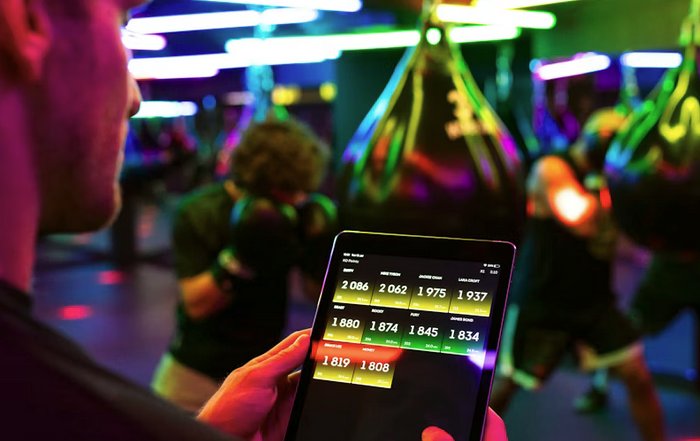
The rise of connected hardware has deepened this networked dynamic. Companies like Peloton, Tonal, Hydrow, and newer regional players in Europe and Asia have turned homes into fully integrated training studios, where live and on-demand sessions are layered with leaderboards, performance metrics, and instructor-led coaching that feels both personal and communal. Participants in London, Berlin, Singapore, and Melbourne can join the same class, compete for rankings, and receive tailored prompts based on data streamed from their devices. Analysis from McKinsey & Company and similar consultancies has documented how this convergence of content, community, and commerce has reshaped consumer expectations, with users now demanding seamless integration between in-person, at-home, and on-the-go experiences. For Sportsyncr, this shift provides a rich analytical lens for examining how performance cultures are formed, how digital engagement translates into real-world outcomes, and how brands and rights holders are repositioning themselves within this always-on ecosystem.
Wearables, Biometrics, and the Rise of Data-Literate Athletes
Wearable technology has become the connective tissue of modern fitness communities, turning everyday activity into a continuous stream of biometric data that informs training, recovery, and lifestyle decisions. Devices from Apple, Garmin, Fitbit, WHOOP, Oura, and emerging Asian and European manufacturers now track heart rate variability, sleep architecture, respiratory rate, skin temperature, training load, and more, creating a shared vocabulary through which recreational and elite athletes alike can discuss readiness, strain, and adaptation. Guidance from professional bodies such as the American College of Sports Medicine and the European College of Sport Science has helped frame how these metrics should be interpreted, emphasizing the importance of context, individual variability, and evidence-based programming rather than simplistic score chasing.
This proliferation of data has created a new kind of user: the data-literate athlete who expects to understand not just "what" their device reports, but "why" it matters and "how" to act on it. On Sportsyncr's health and fitness pages, editorial strategy increasingly focuses on translating complex scientific concepts into practical, trustworthy guidance that respects the intelligence of a global audience. Readers in Sweden, Norway, Finland, Singapore, and South Korea, as well as in major markets like the United States and United Kingdom, look for nuanced explanations of sleep staging, recovery indices, and training periodization that go beyond marketing narratives, and they expect that these explanations will be grounded in peer-reviewed research and expert insight rather than anecdote.
At the same time, the expansion of biometric tracking raises serious questions about privacy, consent, and algorithmic fairness. Organizations such as the Electronic Frontier Foundation and Future of Privacy Forum have drawn attention to the risks of large-scale health data aggregation, particularly when such data can be used for insurance underwriting, targeted advertising, or employment decisions. In 2026, trust is a decisive differentiator for digital fitness platforms, and leading players are investing heavily in transparent data policies, strong encryption, and granular user controls that allow individuals to decide what is shared, with whom, and for what purposes. Learn more about responsible data governance through resources from MIT Technology Review, which regularly examines the intersection of innovation, ethics, and regulation in digital health.
Social Media, Creator-Led Micro-Communities, and Credible Influence
Social platforms have become powerful engines for fitness culture, amplifying both high-quality expertise and misleading information at unprecedented speed. Instagram, YouTube, TikTok, and Twitch now host an enormous ecosystem of trainers, physiotherapists, sports scientists, nutritionists, and everyday enthusiasts who build micro-communities around specific sports, body types, training methodologies, and cultural identities. From calisthenics collectives in Germany and parkour crews in France to trail running communities in New Zealand and functional fitness groups in South Africa, these niche communities often drive deeper engagement and behavior change than mass-market fitness campaigns.
The rise of the creator economy has also transformed fitness into a viable career path for professionals who can combine subject-matter expertise with digital storytelling skills. Influential coaches in Los Angeles, London, Seoul, and Tokyo now operate hybrid businesses that blend subscription-based content, live virtual sessions, in-person workshops, and brand partnerships. Harvard Business Review and other management publications have explored how this shift challenges traditional organizational models, as individuals build personal brands that sometimes rival established fitness companies in reach and influence. However, this democratization of voice has intensified the need for robust signals of credibility, especially in areas that touch on health, injury prevention, and mental well-being.
Public health institutions such as NHS England and Health Canada have repeatedly emphasized the importance of evidence-based messaging in digital health content, warning against oversimplified hacks, extreme diets, and unverified supplementation protocols that proliferate on social media. Within this context, Sportsyncr uses its culture, social, and brands verticals to highlight not only which creators and communities are gaining traction, but which demonstrate genuine expertise, inclusivity, and long-term orientation. The platform's editorial stance prioritizes Experience, Expertise, Authoritativeness, and Trustworthiness, giving readers in markets from the Netherlands and Switzerland to Brazil and Malaysia a reliable filter in an environment saturated with competing voices.
Hybrid Fitness as the Dominant Consumer Model
By 2026, hybrid fitness has solidified its status as the dominant model for how individuals structure their training and wellness routines. Traditional gyms, boutique studios, and sports clubs across the United States, United Kingdom, Germany, France, Italy, Spain, Singapore, Japan, and other mature markets now operate as both physical venues and digital content providers, offering members app-based access to live-streamed classes, on-demand libraries, and performance dashboards that integrate with wearables and third-party platforms. The International Health, Racquet & Sportsclub Association (IHRSA) has chronicled how operators that embraced digital services early have been better positioned to retain members, expand geographically, and build diversified revenue streams.
For time-pressed professionals in financial hubs like London, Frankfurt, New York, and Hong Kong, the hybrid model offers a pragmatic solution: in-person strength or skills sessions a few times per week, complemented by shorter digital sessions at home or on the road, such as mobility work, guided meditation, or high-intensity intervals. This pattern is increasingly visible in emerging markets as well, where rapid urbanization and long commutes make flexible access essential. On Sportsyncr, coverage within business and technology examines how operators are redesigning membership structures, staffing models, and partnership strategies to align with this omnichannel reality, and how investors in North America, Europe, and Asia are evaluating the long-term sustainability of hybrid fitness businesses.
Hybridization also extends to community sport and outdoor activity. Running clubs, cycling groups, football leagues, and recreational teams in cities from Copenhagen and Oslo now use digital platforms for scheduling, communication, performance tracking, and sponsor activation. Learn more about how active mobility and public space design support these communities through resources from UN-Habitat, which explores the role of urban planning in enabling safe, inclusive, and health-promoting cities. For Sportsyncr, these developments highlight the way digital tools can reinforce, rather than replace, local identity and in-person connection when designed with community needs in mind.
Esports, Gaming, and the Science of Cognitive-Physical Performance
The ongoing rise of gaming and esports has introduced a new frontier for fitness communities, particularly among younger demographics in the United States, Europe, China, South Korea, and Japan. As esports organizations professionalize and attract major sponsorships, there is growing recognition that physical conditioning, mental resilience, and structured recovery are competitive differentiators, not optional extras. The International Esports Federation and leading teams have invested in multidisciplinary support staff, including strength and conditioning coaches, performance psychologists, and nutrition experts, importing best practices from traditional sports into digital arenas.
This convergence has created novel training paradigms where physical exercise is explicitly framed as performance enhancement for competitive gaming. On Sportsyncr's gaming and science pages, coverage increasingly focuses on research into reaction time, decision-making under pressure, visual processing, posture, musculoskeletal health, and sleep optimization for esports athletes. Peer-reviewed work published in journals associated with Nature and Frontiers in Sports and Active Living is beginning to provide a more rigorous foundation for these interventions, allowing practitioners in markets like Sweden, Denmark, South Korea, and the United States to design integrated programs that address both cognitive and physical demands.
At the consumer level, gamified fitness platforms continue to blur the line between exercise and entertainment, using narrative structures, virtual rewards, and multiplayer challenges to engage users who might otherwise be resistant to traditional fitness formats. These platforms are particularly influential in regions where mobile gaming is dominant, such as Southeast Asia and parts of Latin America, and they open new avenues for brands and sponsors seeking to reach highly engaged, digitally native communities. Learn more about the broader impact of interactive media on behavior and learning through resources from Carnegie Mellon University's Human-Computer Interaction Institute, which explores how game mechanics can influence motivation and adherence.
Corporate Wellness, Remote Work, and Strategic Well-Being
The normalization of hybrid and remote work across industries has reshaped how organizations in North America, Europe, and Asia-Pacific think about employee well-being, engagement, and performance. Employers in sectors ranging from technology and finance to manufacturing and professional services now recognize that physical and mental health are strategic assets that influence productivity, innovation, retention, and employer brand. Digital fitness platforms have become core components of corporate wellness strategies, offering scalable, location-agnostic solutions that can support distributed teams in the United States, Canada, the United Kingdom, Germany, the Netherlands, Singapore, Australia, and beyond.
Reports from the World Economic Forum and OECD have quantified the economic costs of burnout, musculoskeletal disorders, and chronic disease, while also highlighting the return on investment associated with proactive health promotion. In response, employers are deploying integrated wellness programs that combine fitness content, mental health resources, ergonomic guidance, and social challenges, often linked to incentive structures and recognition systems. These initiatives increasingly connect with HR information systems and benefits platforms, generating anonymized insights into participation patterns and outcomes while navigating stringent privacy regulations in jurisdictions such as the European Union. Learn more about progressive people-management approaches through the Chartered Institute of Personnel and Development (CIPD), which provides frameworks for embedding well-being into core organizational practices.
For Sportsyncr, which also covers jobs and the future of work, this intersection of fitness and employment is a critical area of focus. The platform analyzes how companies in markets from the United States and United Kingdom to South Africa, Brazil, and Southeast Asia are using digital fitness initiatives not only to mitigate health risks but to foster culture, inclusion, and cross-border connection among employees who may rarely share the same physical space. This perspective is particularly relevant as organizations grapple with talent shortages, shifting employee expectations, and the need to demonstrate authentic commitment to social responsibility.
Sustainability, Environmental Responsibility, and Ethical Growth
As digital fitness ecosystems expand, their environmental footprint has come under increasing scrutiny. The manufacturing and disposal of wearables, connected equipment, and consumer electronics carry material and energy costs, while the data centers that support streaming, analytics, and community features contribute to global electricity demand. The International Energy Agency has documented the growing energy intensity of digital infrastructure, while the Ellen MacArthur Foundation has advocated for circular economy principles that prioritize durability, repairability, and responsible recycling in hardware design. This broader context is increasingly relevant to fitness communities that often champion outdoor activity, nature connection, and holistic well-being.
Consumers in environmentally conscious markets such as the Nordics, Switzerland, the Netherlands, New Zealand, and parts of Canada and Australia now expect fitness brands and platforms to articulate clear sustainability strategies. These may include commitments to renewable energy, carbon-neutral operations, extended product lifecycles, and partnerships with environmental organizations. On Sportsyncr's environment and world sections, coverage examines how digital fitness companies are responding, whether by optimizing cloud infrastructure, minimizing unnecessary hardware refresh cycles, or encouraging low-impact outdoor activities that reconnect users with local ecosystems. Learn more about sustainable business practices and climate-aligned innovation through the UN Environment Programme, which offers guidance on aligning corporate growth with planetary boundaries.
At the same time, digital fitness can support environmental objectives by reducing the need for travel to in-person events, enabling remote coaching and education, and encouraging active mobility in urban environments. The challenge for industry leaders is to ensure that the pursuit of performance and engagement does not undermine long-term environmental resilience, and that business models are designed with both human health and planetary health in view. For Sportsyncr, this dual focus reinforces its role as a platform that connects performance narratives with broader societal and environmental implications.
Regulation, Standards, and the Maturation of Digital Fitness
The rapid expansion of digital fitness and wellness services has inevitably attracted regulatory attention, particularly in regions with advanced legal frameworks such as the European Union, the United States, and parts of Asia. Questions around health claims, data protection, cross-border service delivery, and algorithmic transparency are now central to policy discussions. The European Commission has advanced initiatives related to digital health, AI governance, and consumer protection, while the U.S. Federal Trade Commission has taken enforcement actions against misleading marketing and inadequate privacy practices in health-related apps and devices. International standards bodies such as ISO and national regulators are developing guidelines that touch on wearables, telehealth, and connected devices, influencing how fitness platforms design, validate, and position their offerings.
For companies operating in this space, compliance is no longer a peripheral concern but a core strategic consideration that affects product roadmaps, partnership structures, and valuation. Platforms that can demonstrate rigorous adherence to data protection rules, transparent algorithms, accessible design, and responsible marketing are better positioned to earn the trust of users, regulators, and enterprise clients. Learn more about global digital policy trends through the OECD Digital Economy Outlook, which provides comparative analysis of regulatory approaches across regions.
Within this evolving regulatory environment, Sportsyncr plays an interpretive role, helping business leaders, investors, and practitioners understand the implications of new rules and standards. On its news and sponsorship pages, the platform examines how policy shifts affect sponsorship models, cross-border data flows, platform interoperability, and risk management. This perspective is particularly relevant for stakeholders in markets such as the United States, United Kingdom, Germany, Singapore, and Japan, where innovation and regulation are advancing in parallel and where strategic decisions must balance speed to market with long-term compliance and reputation.
Strategic Opportunities for Brands, Leagues, and Rights Holders
For sports organizations, consumer brands, and rights holders, the rise of digital fitness communities represents both a disruption and a powerful growth opportunity. Traditional sponsorship models built around broadcast audiences and in-venue activations are being supplemented-and in some cases challenged-by ecosystems where engagement is daily, data-driven, and highly personalized. Major leagues and federations in North America, Europe, and Asia are experimenting with digital training platforms that allow fans to "train like the pros," using branded programs, connected devices, and virtual challenges to deepen emotional connection and generate valuable first-party data.
Consumer brands in apparel, footwear, nutrition, and technology are increasingly building or acquiring their own platforms, or forming strategic alliances with established digital fitness providers, to create vertically integrated experiences that span content, community, and commerce. Strategic guidance from firms such as Deloitte and PwC has highlighted the importance of robust data strategies, interoperability, and user-centric design in capturing value from these ecosystems, especially as privacy regulations and platform fragmentation complicate direct access to consumers. Learn more about evolving sports business models and digital fan engagement through insights from Sports Business Journal, which tracks investments, partnerships, and innovation across global markets.
For Sportsyncr, which is itself embedded in this evolving sponsorship and media landscape, the task is to provide clear, independent analysis of what works, what fails, and why. By tracking initiatives in markets from the United States and Canada to Brazil, South Africa, China, and Southeast Asia, the platform can surface best practices and emerging patterns that inform decision-making for rights holders, brands, agencies, and investors. This role is closely aligned with Sportsyncr's broader mission to connect the dots between sport, culture, technology, and commerce for a global, professionally oriented audience.
The Road Ahead: Intelligence, Inclusion, and Trust
Looking ahead through 2026 and beyond, the trajectory of digital fitness communities points toward greater intelligence, deeper integration, and broader inclusion. Advances in artificial intelligence, computer vision, and multimodal sensing promise more adaptive training plans, real-time technique feedback, and predictive insights into injury risk and recovery needs. Improvements in connectivity, from 5G to emerging edge-computing architectures, will enable richer real-time interactions among participants across continents, making it possible for a user in Johannesburg to train alongside peers in Toronto, Tokyo, and Madrid with minimal latency and high fidelity. Learn more about the technical underpinnings of these shifts through resources from IEEE Spectrum, which covers developments in sensors, networks, and AI that directly impact the future of digital fitness.
At the same time, demographic and social trends are reshaping the user base of fitness communities. Aging populations in Europe, North America, Japan, and parts of East Asia are driving demand for programs focused on mobility, independence, and chronic disease management, while younger generations in emerging markets across Asia, Africa, and South America are seeking accessible, culturally relevant, and often mobile-first fitness experiences. Inclusion-across age, body type, ability, gender, and socioeconomic status-is becoming a defining measure of success for platforms that aspire to global relevance.
In this context, trust remains the central currency. Users, employers, and partners will gravitate toward platforms and information sources that demonstrate consistent commitment to evidence-based guidance, transparent data practices, fair business models, and social and environmental responsibility. Sportsyncr, as a global platform dedicated to connecting sports, health, fitness, culture, business, and technology, is positioning itself as an independent, expert guide through this complexity, serving readers from the United States, United Kingdom, Germany, France, Italy, Spain, the Netherlands, Switzerland, China, Japan, South Korea, Singapore, Thailand, the Nordics, South Africa, Brazil, Malaysia, New Zealand, and beyond.
By curating informed perspectives, interrogating bold claims, spotlighting credible innovators, and examining the broader societal and environmental implications of digital fitness growth, Sportsyncr aims to help its audience make better decisions about how they move, train, work, and connect. The platforms that will define the next decade of fitness are those that treat technology as an enabler rather than an end in itself, center human well-being and planetary health, and build ecosystems grounded in transparency, inclusivity, and long-term value. In documenting, analyzing, and contextualizing this evolution, Sportsyncr is not merely reflecting the transformation of global fitness communities; it is actively contributing to a more informed, responsible, and connected future for sport and health in a digital world.