

Sports Tourism in 2026: How Travel, Sport and Business Converge in a Global Arena
Sports tourism in 2026 stands at the intersection of global mobility, digital innovation and cultural exchange, and it has matured from a specialist travel niche into a core driver of economic development and brand strategy. For Sportsyncr, which is dedicated to connecting global audiences across sports, health, fitness, culture and business, the evolution of sports tourism is not merely a trend to observe; it is a structural shift reshaping how cities position themselves, how companies invest, how fans travel and how societies engage with one another through sport.
The Scale and Direction of Sports Tourism in 2026
By 2026, sports tourism has become one of the most resilient and rapidly expanding segments of the global travel economy, supported by the continued rebound of international mobility, the rise of affluent middle classes in Asia, Latin America and Africa, and the normalization of long-haul travel for both leisure and hybrid work-and-play itineraries. The World Tourism Organization (UNWTO) has highlighted how sports-related trips-whether for mega-events, regional tournaments or participation-based activities-are now embedded in the broader recovery and restructuring of global tourism. Learn more about the ongoing recovery of international travel through the UNWTO's latest analyses.
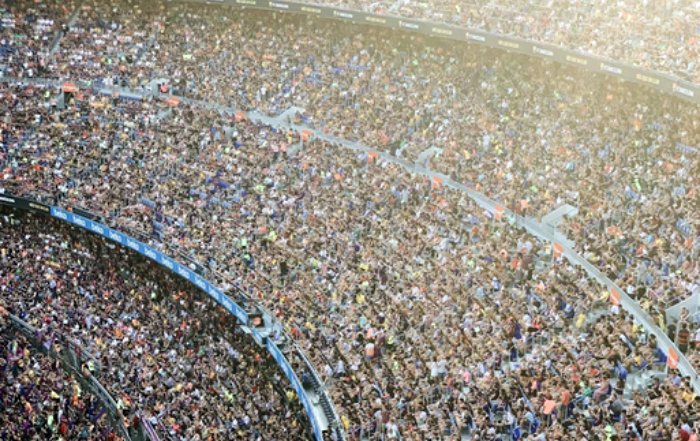
Mega-events such as the Olympic Games, the FIFA World Cup, the Rugby World Cup and the Cricket World Cup continue to anchor the calendar, attracting millions of visitors and commanding the attention of broadcasters and sponsors worldwide. Yet the most significant shift for policymakers and investors lies in the density and frequency of mid-sized and niche events, from city marathons and triathlons to regional football tournaments, combat sports cards, esports championships and wellness festivals, which collectively sustain a year-round flow of visitors and spending. Market intelligence providers such as Statista and sector-focused consultancies have documented how sports tourism now accounts for a substantial share of global travel expenditure, with spending patterns increasingly diversified across accommodation, local transport, hospitality, retail and experience-based add-ons. Further detail on the size and segmentation of this market can be explored through industry data platforms.
For Sportsyncr, this momentum is central to its editorial mission. The platform's coverage of sports, technology, world affairs and news is designed to help decision-makers and informed fans understand that sports tourism is no longer an ancillary revenue stream; it is a strategic field where urban planning, digital infrastructure, sustainability commitments and soft power initiatives converge.
Economic Impact and Long-Term Urban Strategy
The economic footprint of sports tourism is multifaceted, extending far beyond ticket sales and hotel bookings. Host cities and regions-from Los Angeles, New York and Miami in the United States to London, Paris, Berlin and Rome in Europe, and from Tokyo, Singapore and Seoul in Asia to Cape Town, Doha, Rio de Janeiro and Sydney elsewhere-have integrated sports events into long-term development strategies, treating them as catalysts for infrastructure upgrades, urban regeneration and destination branding.
The International Olympic Committee (IOC) has sharpened its focus on legacy, insisting that venues, transport lines and housing developments associated with the Games must serve local communities well after the final medal is awarded. Learn more about the IOC's evolving legacy and sustainability framework on the official Olympic website. Parallel work by the Organisation for Economic Co-operation and Development (OECD) has demonstrated that when sports events are embedded in broader tourism and innovation policies, they can stimulate regional development, support small and medium-sized enterprises and encourage investment in digital and green infrastructure rather than generating short-lived booms. Deeper perspectives on regional development and tourism can be found via the OECD's dedicated tourism and regional policy pages.
The economic narrative is not confined to mega-events. Annual marathons in Boston, Chicago, Berlin, London, Tokyo, Valencia and Cape Town, along with triathlon circuits, cycling tours and basketball or football tournaments, create recurring visitor demand that is easier to forecast and integrate into local business planning. In many cases, these events require significantly lower capital expenditure than global mega-events, yet they deliver consistent revenue and can be scaled or diversified over time. Regions traditionally reliant on seasonal tourism, such as Alpine ski resorts or Mediterranean beach destinations, increasingly use sports events-cycling festivals, trail races, surf competitions, esports conventions-to extend their seasons and smooth revenue volatility. Strategic insights into how destinations are repositioning around experiences can be found in McKinsey & Company's tourism and experience economy research.
For Sportsyncr's business-oriented readership, the crucial point is that sports tourism has become a pillar of urban and regional competitiveness. Cities are judged not only by their stadiums but by their connectivity, digital services, safety, sustainability credentials and ability to deliver memorable experiences for visitors who may return as investors, students or residents.
Cultural Exchange, Identity and Soft Power
Sport has always carried cultural and symbolic weight, but the expansion of sports tourism in 2026 has amplified its role as a medium of cultural exchange and soft power. When supporters travel from the United States, United Kingdom, Germany, France, Italy, Spain, Netherlands, Switzerland, Brazil, South Africa, Japan, South Korea, China, Australia, Canada and beyond to follow their national teams or favorite clubs, they bring languages, customs and narratives that interact with those of host communities in stadiums, fan zones, public viewing areas and informal social spaces.
Governments increasingly recognize sport as a tool of diplomacy and social connection. The British Council has documented how sport-based initiatives can foster mutual understanding, youth engagement and skills development, particularly in regions where political relations may be strained but shared enthusiasm for sport offers common ground. Learn more about sport's role in cultural relations on the British Council's culture and sport pages. At the multilateral level, UNESCO has emphasized how sport can promote intercultural dialogue, inclusion and peacebuilding, especially in post-conflict and fragile contexts, positioning sports tourism as a vehicle for people-to-people diplomacy. Further reading on sport as a driver of peace and inclusion is available through UNESCO's sport initiatives.
In multicultural cities such as Toronto, Melbourne, Amsterdam, Barcelona and Johannesburg, major events often become celebrations of diversity, with fan festivals, cultural showcases and community tournaments that reflect the heritage of diaspora communities and local minorities. For local entrepreneurs, artists and cultural organizations, sports tourism provides access to global audiences and new revenue streams, while for visiting fans it offers a richer understanding of host societies than traditional sightseeing alone.
This cultural dimension is central to Sportsyncr's editorial approach across culture, world and social coverage. The platform's global readers are not only interested in who wins on the field; they want to understand how sport reflects and reshapes identities, how fan cultures travel across borders and how events can both challenge and reinforce stereotypes.
Health, Fitness and the Growth of Participation Travel
Alongside spectator-focused travel, participation-based sports tourism has expanded rapidly, driven by rising health awareness, the global fitness boom and the integration of wellness into mainstream lifestyle choices. In 2026, it is increasingly common for individuals in North America, Europe, Asia-Pacific and Latin America to plan international trips around marathons, triathlons, cycling sportives, trail races, yoga retreats, functional fitness camps or altitude training programs.
The World Health Organization (WHO) continues to stress the importance of physical activity in preventing non-communicable diseases such as cardiovascular illness, diabetes and certain cancers, and its guidelines have influenced public policy and consumer behavior in countries from Finland and Norway to Singapore and New Zealand. Learn more about global recommendations for physical activity on the WHO website. As remote and hybrid work models persist, many professionals now seek to combine work, travel and training, using flexible schedules to spend weeks or months in destinations that offer both connectivity and access to high-quality sports facilities.
Destination races along Mediterranean coastlines, Alpine passes, Scandinavian trails and Asian beaches attract participants who value both performance and experience, while resorts in Thailand, Bali, South Africa, Costa Rica and Brazil design packages that integrate structured training, nutrition coaching, recovery therapies and local cultural immersion. For many travelers, these experiences serve as turning points in long-term health journeys, reinforcing habits around exercise, sleep and diet that continue after they return home.
Within this landscape, Sportsyncr plays a distinctive role by linking sports tourism to broader conversations on health and fitness. The platform's analysis highlights how participation-based travel can support mental well-being, community building and personal development, while also drawing attention to issues of accessibility, affordability and inclusivity so that the benefits of active travel do not remain confined to a narrow global elite.
Technology, Data and the Seamless Fan Journey
Digital transformation has become inseparable from the sports tourism experience. Fans and participants in 2026 expect frictionless digital journeys, from discovering events and booking travel to navigating venues and sharing their experiences in real time. Online ticketing platforms, integrated travel portals, dynamic pricing systems and personalized marketing campaigns all rely on data analytics to match events with potential visitors across continents.
Global broadcasters and streaming platforms such as ESPN, Sky Sports, DAZN, Amazon Prime Video and Peacock extend the reach of leagues and tournaments, converting remote viewers into prospective travelers when flagship events arise. Analysis from Deloitte's sports business group has underscored how rights holders and media companies are leveraging data to understand fan behavior and to design content that deepens engagement across multiple channels. Explore more on the evolution of sports media in Deloitte's sports business insights. At the same time, technology companies including Google, Apple and Meta are pushing augmented reality, virtual reality and mixed reality solutions that enhance in-venue experiences and blur the lines between physical attendance and digital immersion.
For host cities and organizers, smart city tools are increasingly integral to event management. Mobile apps provide real-time information on transportation, security alerts, queue lengths and local attractions, while digital payment systems and biometric access control help optimize flows and reduce friction. The World Economic Forum has highlighted how smart infrastructure and data-driven planning can improve safety, sustainability and fan satisfaction at large events, reinforcing the case for integrated digital investment. Learn more about smart cities and event management on the World Economic Forum's digital transformation pages.
From Sportsyncr's perspective, technology is not just an operational layer; it is a strategic lever in how brands, leagues and destinations engage with sports tourists. Location-based offers, in-stadium analytics and loyalty ecosystems allow global and local brands to tailor experiences to specific segments, while privacy, cybersecurity and data governance emerge as critical trust factors. This intersection of fan data, digital experience and commercial strategy aligns closely with Sportsyncr's coverage of technology and brands, where the platform tracks how innovation is reshaping the value chain of sport.
Sustainability, Climate Pressure and Responsible Growth
As sports tourism grows, the environmental implications of increased air travel, large-scale construction and resource-intensive operations have become impossible to ignore. In 2026, climate considerations are no longer peripheral; they are central to how cities bid for events, how organizers design them and how brands choose their partnerships.
The Intergovernmental Panel on Climate Change (IPCC) has repeatedly underlined the urgency of reducing greenhouse gas emissions across all sectors, including aviation, construction and hospitality, which are deeply intertwined with sports tourism. Learn more about climate science and mitigation options on the IPCC website. In response, event organizers, leagues and governing bodies are adopting more rigorous sustainability frameworks that emphasize emission reduction, renewable energy, circular economy principles and social impact. The United Nations Environment Programme (UNEP), working with sports organizations, has promoted guidelines for greener events, encouraging hosts to minimize waste, conserve water, use sustainable materials and engage local communities in environmental initiatives. Further guidance is available through UNEP's sports and environment resources.
Cities such as Copenhagen, Amsterdam, Stockholm, Zurich, Vancouver and Wellington are positioning themselves as low-carbon sports hubs by leveraging public transit, cycling infrastructure and compact urban design to reduce the need for private cars and short-haul flights. Stadiums and arenas in London, Los Angeles, Munich, Tokyo and Doha increasingly incorporate energy-efficient systems, on-site renewable generation, advanced water management and sustainable catering, often seeking certifications such as LEED or BREEAM as markers of environmental performance. At the same time, rail networks in Europe and parts of Asia are being marketed as viable alternatives to regional air travel, with multi-city itineraries that allow fans to attend several events in one lower-impact trip.
For Sportsyncr, which covers environmental and scientific dimensions through its environment and science sections, the key question is how to reconcile the economic and cultural benefits of sports tourism with planetary boundaries. Leading organizations and think tanks such as the World Resources Institute (WRI) stress that sustainable growth will depend on innovation in materials, logistics, digital substitution, carbon accounting and behavioral change. Learn more about sustainable business practices and climate strategies via the World Resources Institute. Sports tourism stakeholders are under pressure to demonstrate credible pathways to net-zero emissions, to address issues of overtourism and to ensure that local communities share fairly in the benefits.
Employment, Skills and the Future Workforce
Sports tourism is also reshaping labor markets, creating jobs and new professional pathways in hospitality, event operations, security, transport, media production, digital marketing, data analytics and sustainability management. As events become more complex, integrated and data-rich, demand is growing for professionals who combine sports knowledge with technical and cross-cultural skills.
International federations such as FIFA, UEFA, World Rugby, World Athletics and others have expanded their educational programs, while universities in the United States, United Kingdom, Germany, Canada, Australia, France, Spain, Netherlands, Singapore and South Korea now offer specialized degrees in sports management, tourism, event design and esports production. The International Labour Organization (ILO) has emphasized that tourism and event sectors can provide significant employment opportunities for young people, women and migrants when accompanied by proper training, decent work standards and social protections. Learn more about decent work in tourism and events on the ILO website.
For individuals seeking to build careers in this evolving ecosystem, understanding sports tourism dynamics is increasingly essential. Roles in destination marketing, sponsorship activation, fan experience design, sustainability consulting, esports operations and data-driven venue management all require insight into how and why fans travel, how they spend and what they expect in terms of safety, inclusivity and digital convenience. Sportsyncr, through its jobs and business coverage, provides a vantage point for professionals tracking emerging roles and competencies across North America, Europe, Asia, Africa and South America, helping them navigate a labor market where sport, tourism and technology intersect.
Sponsorship, Brands and Experience-Centric Revenue Models
Sponsorship has long been a cornerstone of sports finance, yet in 2026 the integration of sports tourism is shifting how brands conceive and measure value. Rather than focusing solely on television exposure or logo visibility, leading sponsors now design campaigns that span the entire fan journey, from initial awareness and ticket purchase to travel booking, in-destination experiences and post-event digital engagement.
Airlines, hotel groups, payment networks, automotive manufacturers, technology companies and consumer brands increasingly collaborate with rights holders and destinations to create bundled offerings that simplify and enrich the travel experience. Analysis from firms such as PwC and KPMG indicates that sponsors are prepared to invest more heavily when they can access granular data on fan behavior, segment audiences effectively and link sponsorship to measurable outcomes such as customer acquisition, loyalty and spending. Explore emerging sponsorship and revenue trends in PwC's sports industry reports.
For host cities and regions, these developments open opportunities to position themselves as integrated sports tourism hubs, where infrastructure, hospitality, culture and digital services are aligned with the expectations of traveling fans. Local businesses-from boutique hotels and independent restaurants to tour operators, fitness studios and creative agencies-can plug into co-branded ecosystems, gaining visibility and shared marketing benefits. Sportsyncr, through its focus on brands and sponsorship, tracks how capital flows through these partnerships and how value is distributed between global corporations, rights holders and local communities.
Esports, Gaming and the New Frontier of Sports Tourism
Esports and gaming have emerged as a powerful new frontier within sports tourism, particularly for younger demographics and digitally native audiences. Major tournaments for titles such as League of Legends, Dota 2, Counter-Strike, Valorant and Fortnite now fill arenas in Seoul, Shanghai, Los Angeles, Berlin, Stockholm, Singapore and Riyadh, drawing international fans who blend event attendance with broader urban exploration and social meetups.
Publishers and organizers such as Riot Games, Valve, Blizzard Entertainment and Tencent have professionalized esports circuits, while cities compete to host world championships and regional finals as part of their strategies to attract tech investment, creative talent and digital tourism. The Global Esports Federation and other industry bodies emphasize that esports events can position destinations as innovation hubs, creating spillover benefits for education, startups and digital infrastructure. Learn more about the global structure of esports and its economic footprint through resources from the Global Esports Federation.
For Sportsyncr's audience interested in gaming, technology and youth culture, esports tourism represents a natural extension of the broader sports tourism story. It demonstrates how competitive play, whether physical or digital, can drive travel decisions, shape city branding and create new forms of community that transcend traditional national and generational boundaries.
Sportsyncr's Strategic Lens on a Global Phenomenon
By 2026, sports tourism has become a central arena in which economic development, cultural diplomacy, technological innovation, environmental stewardship and workforce transformation intersect. For readers of Sportsyncr in the United States, United Kingdom, Germany, Canada, Australia, France, Italy, Spain, Netherlands, Switzerland, China, Sweden, Norway, Singapore, Denmark, South Korea, Japan, Thailand, Finland, South Africa, Brazil, Malaysia, New Zealand and across Europe, Asia, Africa, South America and North America, understanding this field is increasingly vital for informed decision-making-whether as investors, policymakers, professionals or globally engaged fans.
Through its integrated coverage of sports, news, world, business and related verticals, Sportsyncr positions itself as a trusted guide to this evolving landscape, emphasizing experience, expertise, authoritativeness and trustworthiness in its analysis. As sports tourism continues to drive economic and cultural exchange, the central challenge for stakeholders worldwide will be to harness its potential responsibly, ensuring that benefits are broadly shared, environmental impacts are minimized and the human connections at the heart of sport remain authentic, inclusive and meaningful. In that ongoing journey, Sportsyncr will remain closely engaged, providing context and insight for a global community that understands that in 2026, the trip to the game is as strategically significant as the game itself.