

Singapore 2026: How a City-State Became Asia's Sports Technology Blueprint
Singapore stands as one of the most sophisticated testbeds for sports technology anywhere in the world, and for the global audience of sportsyncr.com, its evolution offers a compelling case study in how a small, land-constrained nation can convert strategic vision, digital infrastructure, and policy discipline into a powerful, exportable sports innovation model. By aligning its strengths in finance, logistics, data governance, and urban planning with a deep cultural commitment to health, education, and social cohesion, Singapore has turned sports into a platform where business, technology, and community outcomes are deliberately intertwined, setting standards that resonate from North America and Europe to Asia, Africa, and South America.
Smart Venues as Living Laboratories
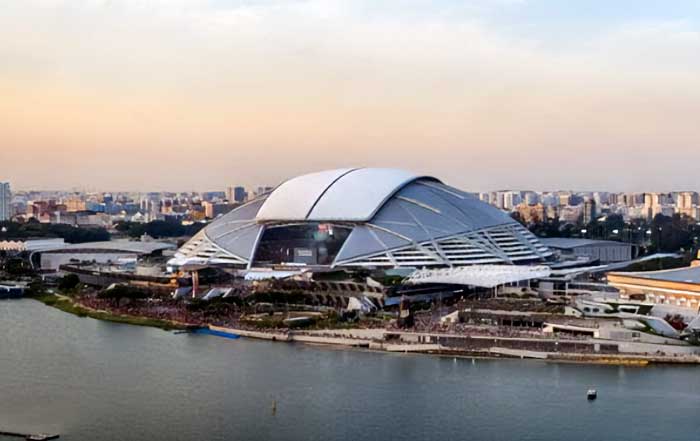
The Singapore Sports Hub remains the country's flagship symbol of integrated sports technology, but by 2026 it has evolved into something closer to a living laboratory for next-generation venue design than a conventional stadium complex. With real-time biometric monitoring systems available for elite athletes, AI-optimized crowd management tools, and pervasive 5G connectivity, the Hub now functions as a benchmark for how stadiums in the United States, Europe, and the Middle East are rethinking fan and athlete experiences. Its energy-efficient cooling, solar integration, and water management systems align closely with Singapore's Green Plan 2030, echoing global frameworks such as the UN Sustainable Development Goals and the environmental standards promoted by UNEP.
For live spectators, the stadium experience has become deeply personalized. Augmented reality layers accessible through smartphones or smart glasses provide real-time tactical overlays, player metrics, and context-sensitive replays, while frictionless digital ticketing and payment systems reduce queues and operational overheads. Partnerships with Singtel, Huawei, and other network leaders mean that ultra-low-latency connectivity is now taken for granted, enabling simultaneous high-definition streaming, in-seat ordering, and interactive fan games that link in-stadium audiences with global viewers. For readers following global sports trends, Singapore's smart venue ecosystem demonstrates how physical arenas can be reimagined as data-rich, commercially agile, and environmentally responsible assets.
Wearables, Performance Science, and Everyday Fitness
Singapore's reputation for rigorous planning extends into its approach to human performance, where the Singapore Sports Institute has become a focal point for integrating sports science, biomechanics, and digital health. Elite athletes rely on sensor-laden wearables that track micro-movements, heart rate variability, sleep quality, hydration, and neuromuscular fatigue, feeding into machine learning models that help coaches at national and club levels calibrate training loads and recovery windows with increasing precision. This data-centric model mirrors best practices seen in organizations like UK Sport and the Australian Institute of Sport, while being adapted to Singapore's unique climate, demographics, and high-performance objectives.
What differentiates Singapore in 2026 is the way these performance technologies have filtered into mainstream life. Consumer-facing wearables, many produced or refined by local startups, are designed to integrate with national wellness programs and workplace health initiatives, turning parks, community centers, and even transit hubs into nodes of a distributed fitness network. Citizens can opt into gamified step challenges, team-based activity leagues, and corporate wellness competitions that tie into incentives from employers and insurers. For readers exploring health and fitness, Singapore demonstrates how performance tools originally designed for Olympians can be repurposed to improve everyday population health, reduce chronic disease risks, and support long-term productivity.
Artificial Intelligence as the Strategic Engine
Artificial intelligence has become the strategic engine of Singapore's sports ecosystem, moving far beyond simple data dashboards to underpin decision-making across performance, operations, and fan engagement. In collaboration with technology leaders such as SAP, IBM, Microsoft, and Google Cloud, Singaporean institutions have built robust analytics platforms that ingest video, sensor data, ticketing records, and social media signals to generate insights that are both granular and scalable. These systems draw on the nation's broader AI and data governance frameworks, including initiatives aligned with Singapore's AI governance model and global best practices in responsible AI.
For coaches, AI-driven video analysis now automates breakdowns of player positioning, reaction times, and tactical adherence in sports ranging from football and basketball to badminton and mixed martial arts. Injury risk models flag subtle changes in movement patterns, allowing interventions before problems become acute. At the same time, fan-facing applications provide real-time win probability models, predictive line-up suggestions, and interactive tactical visualizations, turning passive viewing into a more analytical and participatory experience. Readers interested in technology can recognize in Singapore a blueprint for how AI can be embedded into the full lifecycle of sport, from grassroots training to global broadcasting.
Esports and Gaming as Mainstream Economic Pillars
Esports in Singapore has transitioned from an emerging niche to a mainstream economic pillar that sits comfortably alongside traditional professional leagues and entertainment sectors. Building on the momentum of events such as the Global Esports Games and regional championships hosted over the last several years, Singapore has consolidated its position as a preferred tournament destination for publishers and leagues from Asia, Europe, and North America. The support of the Infocomm Media Development Authority (IMDA) and Enterprise Singapore has been crucial in nurturing local game studios, production houses, and tournament operators that can meet the technical and creative standards of global brands like Riot Games, Tencent, and Razer.
Purpose-built esports arenas now integrate high-bandwidth connectivity, spectator-friendly stage design, and embedded broadcast studios that allow events to be produced locally and distributed globally via platforms such as Twitch and YouTube. Collegiate and school-level esports programs, supported by education institutions and aligned with frameworks from organizations like the International Esports Federation, provide structured pathways for players, coaches, analysts, and event managers. For readers of gaming, Singapore exemplifies how esports can be managed as a serious talent pipeline, media business, and tourism driver, rather than a passing youth trend.
Sustainability as a Competitive Advantage
Where many markets treat sustainability as an obligation, Singapore frames it as a strategic differentiator in sports technology. The Singapore Sports Hub and newer community facilities incorporate advanced energy management systems, low-carbon materials, and water-efficient landscaping that respond to both local climatic conditions and international benchmarks such as those promoted by the International Olympic Committee's sustainability strategy and World Green Building Council. Stadium roofs designed to optimize natural ventilation, lighting systems that adapt in real time to occupancy and daylight, and integrated public transport links illustrate how sports infrastructure can support broader urban sustainability goals.
In parallel, sportswear and equipment companies operating in or from Singapore experiment with recycled fibers, bio-based polymers, and circular economy models for product returns and refurbishment, often in collaboration with global brands like Adidas and Nike. These initiatives intersect with the expectations of younger fans and athletes in Europe, North America, and Asia who increasingly evaluate brands on environmental performance as much as on style or price. For readers tracking environment issues, Singapore's experience underscores that green sports technologies are not only compatible with elite performance but can also open new sponsorship, branding, and export opportunities.
Digital Health Integration and Population-Level Wellness
Singapore's integration of sports technology with digital health and preventive medicine has drawn sustained interest from policymakers across continents. The Health Promotion Board, in collaboration with hospitals, insurers, and technology firms, has built platforms that allow citizens to share selected fitness and wellness data with healthcare providers under strict consent and privacy rules that align with frameworks like the OECD's health data governance principles. This integration enables more accurate risk profiling, earlier interventions, and personalized lifestyle recommendations that blend medical advice with sports and fitness activities.
Gamified national programs reward individuals and families for meeting activity targets, participating in community sports events, or attending health screenings, turning the entire city-state into a distributed wellness arena. AI-driven personalization refines these programs across age groups, income levels, and cultural backgrounds, helping to mitigate health inequalities. For readers exploring the intersection of health and technology, Singapore offers a real-world demonstration of how sports innovation can be leveraged to address national healthcare costs, workforce resilience, and quality of life in a measurable way.
Global Technology Partnerships and Event Credentials
Singapore's credibility as a neutral, well-governed hub has attracted deep partnerships with global technology and sports organizations. Collaborations with Amazon Web Services, Microsoft, and Google Cloud underpin secure, scalable data platforms for local federations and international rights holders, while relationships with bodies such as FIFA, the International Olympic Committee, and the Badminton World Federation reinforce the country's reputation as a trusted host for high-stakes events. These relationships are supported by Singapore's strong intellectual property regime and digital infrastructure, which ranks consistently high in indices such as the World Economic Forum's Network Readiness or competitiveness reports.
From a business standpoint, these partnerships turn Singapore into a preferred location for pilot projects in AI officiating, smart ticketing, and cross-border fan engagement, which can then be exported to leagues in Europe, North America, and beyond. For readers following international sports collaborations on sportsyncr.com, Singapore's role illustrates how a country can leverage regulatory clarity and technological maturity to become an indispensable partner in the global sports economy.
Talent, Jobs, and the New Sports Workforce
The sports technology boom has reshaped Singapore's job market, creating roles that blend sports knowledge with data science, software engineering, biomechanics, and sustainability. Universities such as National University of Singapore (NUS) and Nanyang Technological University (NTU) have expanded their curricula to include sports analytics, digital product design for fan engagement, urban sports planning, and esports management, often in partnership with international institutions referenced by organizations like QS World University Rankings. These programs are complemented by professional upskilling initiatives under SkillsFuture, which subsidize mid-career transitions into data-driven sports roles.
Startups benefit from grant schemes and incubation support via Enterprise Singapore, attracting entrepreneurs from across Asia, Europe, and North America who see the city-state as a launchpad into regional markets. The result is a multi-layered ecosystem where local and foreign professionals collaborate on products that can serve teams in the United States, clubs in Germany, or leagues in Brazil. For readers exploring jobs, Singapore's experience highlights how sports technology can function as a high-value, globally relevant industry rather than a peripheral entertainment segment.
Fan Engagement, Web3, and the Business of Fandom
By 2026, fan engagement in Singapore has become a sophisticated blend of behavioral analytics, immersive media, and emerging Web3 tools. Domestic competitions such as the Singapore Premier League and international events hosted locally use AI-powered applications to tailor content feeds, merchandise offers, and in-stadium experiences to individual preferences, drawing on consent-based data collection that mirrors standards advocated by organizations like the International Association of Privacy Professionals. Blockchain-based ticketing systems reduce fraud and enable dynamic pricing models, while tokenized loyalty programs and digital collectibles offer fans new ways to express allegiance and gain access to exclusive content.
These innovations are not pursued in isolation; they are tightly integrated with the commercial strategies of financial institutions like DBS Bank and OCBC, mobility platforms such as Grab, and global sponsors that see Singapore as a proving ground for fan monetization models that can later be rolled out in markets such as the United Kingdom, Spain, or the United States. Readers interested in business and sponsorship will recognize that Singapore's approach turns sponsorship from a passive branding exercise into a data-driven, co-created value proposition that links marketing, payments, and fan experience.
Mixed Reality, Science, and High-Performance Training
Mixed reality technologies have become embedded in Singapore's high-performance centers, where virtual reality and augmented reality tools support scenario-based training, cognitive conditioning, and rehabilitation. Athletes in sports such as football, sailing, and motorsport use VR simulators to rehearse tactical decisions and environmental conditions, reducing physical wear while increasing exposure to complex in-game situations. AR overlays in training environments allow coaches to visualize optimal passing lanes, defensive shapes, or biomechanical angles in real time, drawing on advances in computer vision and neuroscience similar to those reported by institutions like MIT Sports Lab and Aspetar's sports medicine research.
These technologies extend to medical and recovery settings, where motion capture systems and AI-powered diagnostics support post-injury assessments and individualized return-to-play protocols. For sportsyncr.com readers with an interest in science, Singapore's integration of mixed reality into sports medicine and performance confirms that the boundaries between laboratory and training ground are increasingly porous, with data and experimentation informing daily practice.
Culture, Inclusion, and Social Impact
Singapore's sports technology journey is deeply intertwined with its multicultural identity and social policy objectives. Initiatives led by Sport Singapore, community organizations, and technology partners ensure that innovations are accessible not only to elite athletes but also to seniors, persons with disabilities, and underrepresented communities. Adaptive equipment, sensor-based rehabilitation tools, and inclusive design principles enable more residents to participate in physical activity, aligning with broader goals of social cohesion and intergenerational engagement promoted by bodies like the World Health Organization.
Culturally, sports events are frequently paired with arts, food, and heritage programming, turning stadiums and public spaces into platforms for storytelling and community building. Esports events in shopping districts, projection-mapped fitness classes, and multicultural sporting festivals reflect Singapore's belief that technology should amplify, rather than dilute, identity and belonging. Readers exploring culture and social dimensions of sport will find in Singapore a model of how digital tools can support inclusive participation and cross-cultural dialogue in cities.
Regional Diplomacy, Export Power, and Global Relevance
Singapore's leadership in sports technology has also become a form of regional diplomacy and soft power. Through training exchanges, joint research projects, and event co-hosting arrangements, the country collaborates with neighbors in Southeast Asia as well as with partners in Japan, South Korea, China, Europe, and North America. Conferences such as Sports Innovation Asia and sports-tech tracks within the Singapore FinTech Festival bring together investors, rights holders, and policymakers to address issues ranging from integrity and governance to sustainability and digital inclusion, echoing themes discussed by global organizations like Sport Integrity Global Alliance.
Local startups and solution providers now export their technologies to clubs and federations in markets as diverse as Canada, Italy, Brazil, and South Africa, whether through AI analytics platforms, wellness applications, or esports production services. For readers following world developments and brands, Singapore's trajectory confirms that sports innovation can be a serious export category, contributing to national branding and economic diversification in ways comparable to fintech or advanced manufacturing.
A Blueprint for Integrated Sports Futures
By 2026, Singapore has moved beyond being a promising experiment to become a reference point for how cities and nations can weave sports, technology, business, and public policy into a coherent, future-ready ecosystem. Its smart venues show how infrastructure can be both profitable and sustainable; its wearables and digital health platforms demonstrate how performance tools can improve population wellness; its AI systems and mixed reality solutions highlight the power of data and science in refining both training and entertainment; its esports, sponsorship, and fan engagement models reveal new revenue and career paths in a rapidly shifting global economy.
For the international community that turns to sportsyncr.com for insight, Singapore's story is not merely a local success narrative but a practical blueprint that can be adapted in cities from New York and Toronto to Amsterdam, Tokyo, and Sydney. The convergence of sports, technology, business, and news in Singapore underscores a central lesson: in the modern era, sports are no longer a standalone sector. They are a strategic arena where health, culture, environment, innovation, and diplomacy intersect-and where countries that think holistically, as Singapore has done, can achieve outsized influence on the world stage.