

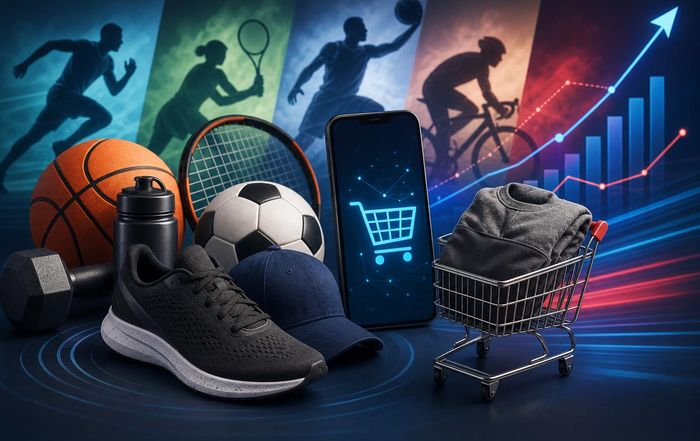
Sports Trends Influencing Consumer Purchasing Decisions
The New Power of Sport in Global Consumer Culture
Sport has evolved from a discrete entertainment category into one of the most powerful engines shaping global consumer behavior, brand perception, and lifestyle choices. Across North America, Europe, Asia-Pacific, and emerging markets in Africa and South America, sport now sits at the intersection of identity, technology, health, social values, and commerce. For Sportsyncr and its wildly active visitors, this convergence is not an abstract macro-trend; it is a daily reality that defines how fans select products, follow teams, choose fitness regimes, engage with brands, and evaluate the trustworthiness of companies that operate in and around the sports economy.
The global sports market, as tracked by organizations such as Statista and Deloitte, has expanded well beyond live events and traditional media rights, with exponential growth in digital engagement, fitness technologies, athleisure, sports nutrition, gaming, and data-driven sponsorship. Consumers are no longer passive spectators. They are co-creators of content, owners of digital assets, participants in hybrid physical-digital experiences, and vocal stakeholders in debates about ethics, sustainability, and social justice. This shift means that sports trends now exert a direct and measurable influence on purchasing decisions across categories as diverse as apparel, footwear, health products, streaming subscriptions, financial services, travel, and even real estate.
For businesses, investors, and professionals who follow the evolving sports ecosystem through platforms like Sportsyncr Business, understanding these trends is no longer optional. It is a prerequisite for designing products, campaigns, and partnerships that resonate with a global audience whose values are rapidly changing and whose expectations for authenticity, performance, and responsibility are higher than ever.
Health, Performance, and the Rise of the Self-Optimizing Consumer
One of the most profound shifts influencing consumer behavior is the elevation of health, fitness, and performance from niche interests to core lifestyle pillars. The long-term effects of the COVID-19 pandemic, combined with demographic aging in markets such as the United States, Germany, Japan, and Italy, and a growing middle class in countries like China, Brazil, and South Africa, have accelerated demand for products and services that promise longevity, resilience, and physical capability.
Sports participation and fitness culture, extensively covered by Sportsyncr Fitness and Sportsyncr Health, are now central engines of this demand. Consumers are increasingly influenced by evidence-based performance metrics, health data, and personalized training protocols. Wearable technologies from companies such as Apple, Garmin, and Whoop provide continuous feedback on heart rate variability, sleep quality, training load, and recovery, creating a powerful feedback loop where data not only guides behavior but also drives purchasing decisions. When a device or app demonstrably improves performance or well-being, users are more willing to invest in premium subscriptions, upgraded hardware, or affiliated products such as nutrition plans and recovery tools.
Research from institutions like the World Health Organization and Mayo Clinic has reinforced the connection between physical activity and long-term health outcomes, encouraging governments and employers to support active lifestyles. As a result, sports and fitness products are increasingly framed not as discretionary leisure items but as essential tools for preventive health. Learn more about how physical activity guidelines are shaping policy and consumer expectations on the World Health Organization's physical activity resources.
This health-performance nexus influences purchases in categories such as smart apparel, connected equipment, and functional foods. Consumers in markets from the United Kingdom and Canada to Singapore and Australia scrutinize ingredient lists, nutrition labels, and performance claims more carefully, often cross-referencing information through trusted sources like the U.S. National Institutes of Health or Harvard T.H. Chan School of Public Health. Brands that can demonstrate scientific rigor, transparent sourcing, and measurable benefits gain an advantage in credibility and long-term loyalty.
Athleisure, Identity, and the Blurring of Sport, Fashion, and Culture
Simultaneously, the rise of athleisure and performance-inspired fashion has transformed how consumers express identity, status, and values. What began as a trend in the United States and Europe has become a global phenomenon, with sportswear and sneakers dominating wardrobes from Seoul and Tokyo to London, Paris, and São Paulo. For many consumers, especially younger demographics in Gen Z and Gen Alpha, sports-inspired apparel is not only about comfort or functionality; it is a cultural language that signals belonging to particular communities, fandoms, and value systems.
Companies such as Nike, Adidas, Puma, and Lululemon have capitalized on this shift by aligning with influential athletes, musicians, and creators, while luxury houses like Gucci and Balenciaga have embraced collaborations with sports brands and clubs. These partnerships demonstrate the deep cultural crossover between sport, fashion, and entertainment, where a limited-edition jersey or sneaker drop can move markets and trigger secondary resale economies. Learn more about global fashion and luxury dynamics through resources like the Business of Fashion.
This blending of sport and culture, regularly explored on Sportsyncr Culture, has a significant impact on purchasing decisions. Fans in Italy, Spain, France, and Brazil are not simply buying a shirt to support a club; they are investing in a symbol of identity that can be worn in social settings, workplaces, and digital spaces. The growth of social media platforms and creator economies amplifies this effect, as athletes and influencers showcase lifestyle choices that blur the lines between training gear, streetwear, and professional attire. Consumers in Germany, the Netherlands, and Scandinavia increasingly expect apparel to be versatile, sustainable, and aligned with their personal ethics, reinforcing the importance of design, materials, and brand narratives.
For Sportsyncr, which covers the intersection of sport, culture, and commerce, this trend underscores the need for brands to think beyond performance metrics and consider how products function as cultural artifacts. The most successful companies are those that treat each item as a storytelling medium, linking design choices to community values, local heritage, and global cultural currents.
Digital-First Fandom, Streaming, and the Subscription Economy
The shift from broadcast to digital-first consumption has radically reshaped how fans discover, follow, and support sports. Streaming platforms, social media, and short-form video have fragmented attention while simultaneously expanding the reach of leagues, clubs, and athletes to global audiences. Consumers in North America, Europe, and Asia no longer rely solely on traditional broadcasters; they subscribe to multiple services, follow real-time updates on platforms like X and Instagram, and consume highlights on YouTube and emerging short-video channels.
This digital transformation has created a vast subscription economy in which fans pay for access to live games, behind-the-scenes content, training programs, and exclusive digital communities. Organizations such as Netflix, Amazon, and DAZN have invested heavily in sports rights and docuseries that humanize athletes and deepen emotional engagement, while governing bodies like UEFA, FIFA, and the NBA experiment with direct-to-consumer offerings. Insight into the global streaming landscape can be found in reports from firms like PwC and McKinsey & Company.
This digital engagement strongly influences purchasing decisions. Fans who follow a club's embedded content series or a star athlete's training vlog are more likely to buy associated merchandise, training plans, or nutritional products, particularly when these are integrated seamlessly into the storytelling. The proliferation of microtransactions and tiered subscription models also means that consumers in markets like India, Thailand, Malaysia, and South Africa can participate in global fandom at different price points, expanding the total addressable market for sports-related products and services.
On Sportsyncr Sports and Sportsyncr News, the evolution of digital fandom is evident in how fans track transfer news, injury updates, and tactical analysis, often in real time. This constant flow of information not only shapes emotional attachments but also informs purchases such as fantasy sports subscriptions, data analytics tools, and betting services, particularly in regulated markets like the United Kingdom, Spain, and Australia where sports betting is integrated into the viewing experience under strict compliance frameworks.
Data, Technology, and the Quantified Sports Consumer
Technology has become both an enabler and a driver of new sports-related purchasing behavior. From AI-powered performance analysis to connected home gyms and advanced injury-prevention tools, the sports-tech ecosystem is transforming expectations for what products should deliver in terms of personalization, feedback, and measurable results.
Companies such as Peloton, Tonal, and Technogym have pioneered connected fitness platforms that combine hardware, software, and community engagement, enabling consumers in the United States, Canada, the United Kingdom, and Germany to access elite-level training experiences at home. Meanwhile, advancements in biomechanics, sensor technology, and computer vision allow brands to offer personalized shoe fittings, swing analyses, and gait assessments using smartphones and cloud-based AI. Learn more about the broader impact of AI and data on business through resources from the World Economic Forum.
This data-driven ecosystem influences consumer decisions in several ways. First, it raises the baseline expectation that products should be smart, connected, and capable of integrating into broader digital ecosystems such as Apple Health, Google Fit, or Strava. Second, it encourages consumers to compare performance metrics across products, pushing brands to compete on measurable outcomes rather than marketing claims alone. Third, it creates new opportunities for subscription-based models, where ongoing software updates, coaching, and analytics are as valuable as the physical product itself.
On Sportsyncr Technology, the convergence of sports and data is a central narrative, highlighting how fans and athletes in regions from Scandinavia and the Netherlands to Singapore and South Korea use technology not only to enhance performance but also to evaluate the credibility of brands. When a shoe, wearable, or training app delivers consistent improvements tracked over months or years, trust is reinforced and consumers are more likely to remain loyal, upgrade within the same ecosystem, and recommend products to peers.
Social Values, Activism, and Purpose-Driven Purchasing
Another defining trend shaping sports-influenced purchasing decisions is the growing importance of social values, activism, and purpose-driven branding. Over the past decade, high-profile athletes and teams have taken public stances on issues such as racial justice, gender equality, LGBTQ+ rights, mental health, and geopolitical conflicts. Consumers, particularly in the United States, United Kingdom, France, South Africa, and Brazil, increasingly expect brands associated with sport to articulate their position on these issues and to act in ways that align with their stated values.
Organizations like Nike and Adidas have navigated complex debates around athlete activism and social campaigns, sometimes facing backlash but also building deeper loyalty among consumers who share their values. Global governing bodies and clubs have also been scrutinized for their responses to human rights concerns, worker protections, and diversity in leadership. For additional context on the relationship between sport and human rights, resources from Amnesty International and Human Rights Watch provide in-depth analysis.
This value-driven environment has a direct impact on purchasing behavior. Fans in Germany, Canada, Australia, and the Nordics are more likely to support brands that demonstrate commitment to equality, inclusion, and community impact, and to avoid those perceived as complicit in abuses or misaligned with their ethics. The rise of transparent rating platforms and investigative journalism means that inconsistencies between marketing and behavior are quickly exposed. On Sportsyncr Social, this dynamic is evident in coverage of campaigns, boycotts, and consumer-led movements that have forced organizations to revise sponsorships, governance structures, and supply chain practices.
For brands, the key challenge is to integrate purpose authentically into core operations rather than using it as a superficial marketing layer. Consumers now expect to see tangible evidence of impact, such as investments in grassroots sport, community facilities, mental health programs, and inclusive pathways for women and underrepresented groups. When purpose is backed by measurable action, it becomes a powerful driver of trust and long-term loyalty in markets from Europe and North America to Asia and Africa.
Sustainability, Environment, and the Green Sports Consumer
Environmental sustainability has shifted from a peripheral concern to a central determinant of purchasing decisions in many sports-related categories. As awareness of climate change, resource scarcity, and pollution grows, consumers in Europe, Japan, South Korea, New Zealand, and increasingly across North America and Asia are reevaluating the environmental footprint of the products they buy and the events they attend.
Sports organizations and brands have responded with initiatives ranging from low-carbon stadiums and circular apparel collections to sustainable travel policies and plastic-free events. Learn more about sustainable business practices and climate strategies through resources from the United Nations Environment Programme and the Ellen MacArthur Foundation. These initiatives are not only reputational; they directly influence purchasing decisions as fans choose between competing brands, leagues, and events based on perceived environmental responsibility.
On Sportsyncr Environment, the growing "green fan" segment is a recurring topic. Consumers in Germany, Denmark, Sweden, and Norway increasingly demand transparency around materials, supply chains, and carbon footprints. They are willing to pay a premium for products made from recycled or bio-based materials, or for tickets to events that demonstrate credible sustainability credentials such as renewable energy use, low-waste operations, and sustainable catering. At the same time, younger audiences in the United States, United Kingdom, Canada, and Australia are using social media to pressure clubs, leagues, and sponsors to adopt more ambitious climate targets.
For brands, the challenge is not only to adopt sustainable practices but also to communicate them in ways that are clear, verifiable, and free from greenwashing. Third-party certifications, lifecycle assessments, and partnerships with credible environmental organizations have become important signals of trustworthiness. As sustainability becomes a core purchasing criterion, particularly among urban, educated consumers in markets such as France, Netherlands, Singapore, and Finland, sports-related companies that lag in this area risk losing relevance and market share.
Gaming, Esports, and the Convergence of Virtual and Physical Sports
The rise of gaming and esports has added a powerful new dimension to how sports influence consumer decisions, particularly among younger demographics in Asia, North America, and Europe. Competitive gaming titles such as League of Legends, Counter-Strike 2, Valorant, and sports simulations like FIFA and NBA 2K have created new forms of fandom, where virtual teams and players command global followings comparable to traditional sports stars.
Brands ranging from Red Bull and Intel to Nike and Adidas have invested heavily in esports sponsorships, apparel lines, and content, recognizing that gamers are not only consumers of digital goods but also buyers of physical products such as peripherals, chairs, apparel, and nutrition. Learn more about the global gaming and esports landscape through resources from Newzoo and the International Esports Federation. On Sportsyncr Gaming, the convergence of virtual and physical sports is a key area of analysis, as traditional clubs in Spain, Italy, Germany, and the United States launch esports divisions and hybrid events.
This convergence has several implications for purchasing behavior. First, it normalizes digital ownership and microtransactions, making consumers more comfortable with buying virtual jerseys, skins, and collectibles, which in turn reinforces their attachment to associated brands. Second, it blurs the boundary between training and entertainment, as products such as VR fitness games, motion-tracking experiences, and gamified workout platforms encourage physical activity through game mechanics. Third, it expands the definition of "sports fan" to include individuals whose primary engagement is through digital competitions rather than traditional stadium-based events.
For brands and rightsholders, the opportunity lies in designing integrated ecosystems where fans can move seamlessly between watching, playing, training, and purchasing. This might involve cross-promotions between physical merchandise and in-game items, loyalty programs that reward both digital and offline engagement, and content strategies that speak to the hybrid identities of modern fans in markets from China and South Korea to the United Kingdom and Brazil.
Globalization, Local Identity, and the Fragmented Fan
Globalization has dramatically expanded the reach of sports properties, enabling fans in Thailand, Malaysia, Singapore, and South Africa to follow clubs from England's Premier League, Spain's La Liga, or the NBA as closely as fans in their home markets. At the same time, there is a countervailing trend toward the celebration of local identity, community clubs, and national leagues, particularly in Germany, France, Japan, and the Netherlands, where fans value authenticity and local heritage.
This duality creates a fragmented but rich landscape of fandom in which consumers support multiple teams across different sports and geographies, often for different reasons. A fan in Canada might follow a local hockey team for community identity, a European football club for global prestige, and an NBA team for star-driven entertainment. Each of these affiliations influences different purchasing decisions, from ticket purchases and streaming subscriptions to merchandise, travel, and sponsor products.
On Sportsyncr World, this interplay between global and local is evident in coverage of international tournaments, cross-border sponsorships, and the expansion strategies of leagues into new territories. Brands that succeed in this environment are those that can balance global consistency with local relevance, tailoring product offerings, storytelling, and partnerships to reflect local cultures, languages, and values while maintaining a coherent global identity.
The globalization of sport also has significant implications for jobs and careers, a theme regularly explored on Sportsyncr Jobs. The growth of international sports business hubs in cities such as London, New York, Singapore, Zurich, and Doha has created new professional pathways in marketing, data analytics, event operations, and athlete representation. As more professionals move across borders within the sports industry, their purchasing decisions-ranging from professional tools and education to relocation services and lifestyle products-are influenced by their embeddedness in a global sports ecosystem.
Trust, Transparency, and the Future of Sports-Driven Commerce
Underlying all these trends is a central theme that resonates strongly with the mission of Sportsyncr: the importance of trust, transparency, and informed decision-making in a rapidly evolving sports-driven marketplace. As consumers in the United States, United Kingdom, Germany, Canada, France, Switzerland, and beyond navigate a complex landscape of products, platforms, and narratives, they increasingly rely on trusted sources of analysis, data, and context to guide their choices.
Trust is built when brands, leagues, and athletes demonstrate consistency between their messaging and actions, provide clear and verifiable information about product performance, health implications, and environmental impact, and respect consumer privacy and data rights. Learn more about global standards and best practices in consumer protection and data governance from organizations such as the OECD and ISO.
For Sportsyncr, the opportunity and responsibility lie in offering a holistic view that connects sports performance, health, culture, technology, business, and environment in a way that empowers readers to make informed purchasing decisions aligned with their values and aspirations. By integrating new coverage across Sportsyncr Sports, Health, Fitness, Business, Culture, Technology, Environment, and Social, the platform reflects the reality that modern consumers do not experience sport in isolation but as a central thread running through their daily lives.
As time unfolds and new innovations emerge-from advanced biometric wearables and AI coaches to climate-neutral stadiums and immersive mixed-reality broadcasts-the influence of sports on consumer purchasing decisions will only intensify. Those organizations that combine experience, expertise, authoritativeness, and trustworthiness will be best positioned to thrive in this dynamic environment, while consumers who stay informed through credible, independent content platforms like Sportsyncr will be better equipped to navigate the promises, risks, and opportunities of a world where sport is not just a game, but a decisive force in how people spend, live, and define themselves.