

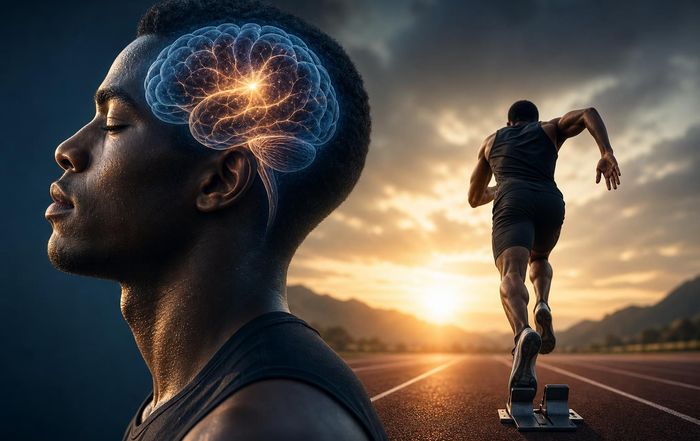
How Mental Resilience Improves Athletic Success
The Evolving Definition of Success in Modern Sport
The global sports industry has moved decisively beyond a narrow focus on physical performance metrics, embracing a more holistic understanding of what drives sustainable success for athletes, teams, and the brands that surround them. In this environment, mental resilience has emerged not as a soft, secondary attribute but as a primary competitive differentiator that shapes careers, defines legacies, and underpins the commercial value of sport. From youth academies in Europe to professional leagues in North America and Asia, coaches, executives, and performance directors increasingly agree that psychological robustness is as essential as speed, strength, and skill.
For Sportsyncr and its positive minded readers across sports, fitness, health, and business, the rise of mental resilience as a core performance driver signals a profound shift in how success is measured and managed. It affects everything from training methodologies and athlete contracts to sponsorship strategies and fan engagement models. As organizations in the United States, Europe, Asia, Africa, and South America grapple with intensifying competition, packed calendars, and constant media scrutiny, the capacity to stay composed under pressure, adapt to adversity, and recover quickly from setbacks has become indispensable.
This transformation is not occurring in isolation. It is supported by advances in sports psychology, neuroscience, and data analytics, as well as by a broader societal conversation about mental health, workplace stress, and sustainable high performance. Resources from institutions such as the American Psychological Association help stakeholders understand the fundamentals of resilience, while elite programs draw on research from organizations like Harvard Medical School, which explores how stress and performance interact in demanding environments. Against this backdrop, mental resilience is no longer treated as a mysterious, innate trait; it is being systematically trained, measured, and integrated into long-term performance planning.
Defining Mental Resilience in an Athletic Context
Mental resilience in sport can be understood as the capacity to maintain or quickly regain optimal psychological functioning in the face of pressure, setbacks, uncertainty, and prolonged demands. It encompasses emotional regulation, cognitive flexibility, confidence, focus, and a sense of purpose that persists even when results are unfavorable or external circumstances are volatile. While public conversations often reduce resilience to "mental toughness," practitioners now recognize that adaptability and self-awareness are just as important as sheer grit.
Elite organizations such as Manchester City FC, Golden State Warriors, and All Blacks have invested heavily in psychological skills training, reflecting the understanding that resilience is multi-dimensional. It involves an athlete's ability to reframe failure as information, to manage the emotional impact of injuries or selection decisions, and to sustain motivation through lengthy seasons that span domestic leagues, continental competitions, and international tournaments. The International Olympic Committee has highlighted the importance of mental health through its athlete support initiatives and guidelines, encouraging federations to embed psychological care into high-performance systems.
Scientific frameworks developed by organizations such as the American College of Sports Medicine and the British Association of Sport and Exercise Sciences emphasize that mental resilience is trainable across age groups and levels of competition. Coaches and performance staff increasingly draw on evidence-based tools, from cognitive-behavioral strategies and mindfulness to biofeedback and structured recovery protocols, to build resilience in parallel with physical conditioning. For hopefully motivated readers of Sportsyncr, this shift reflects a broader convergence between science, technology, and performance culture.
The Performance Impact: From Marginal Gains to Game-Changing Outcomes
The direct impact of mental resilience on athletic performance is most visible in high-pressure moments: penalty shootouts, final possessions, clutch free throws, tie-breaks, or last-lap sprints. However, its influence extends far beyond these dramatic situations into daily training habits, decision-making, communication, and long-term development. Athletes with higher resilience scores tend to maintain technical execution under fatigue, adapt more quickly to tactical adjustments, and recover faster from errors, reducing the cascade of mistakes that often follows a single misstep.
Organizations such as FIFA and the UEFA have invested in research and education around psychological performance, recognizing that the mental dimension can alter the outcome of entire tournaments. Studies summarized by bodies like Sport England show that athletes who cultivate resilience are more likely to persist through plateaus and maintain engagement during long rehabilitation periods, which in turn improves their chances of returning to peak form. Interested educated readers can explore how mindset influences long-term performance.
In North American leagues such as the NBA, NFL, and NHL, franchises increasingly integrate sports psychologists into their core performance staff rather than treating them as optional consultants. This integration reflects data from organizations like the National Collegiate Athletic Association (NCAA), which has highlighted the role of mental skills in collegiate athlete success and retention. The ability to handle academic pressure, travel, social media scrutiny, and team expectations is intimately linked to on-field performance, and resilience training is becoming a standard element of athlete development pathways.
Mental Resilience and the Global Athlete Economy
As the global sports economy continues to expand, mental resilience has become a strategic asset not only for athletes but also for clubs, leagues, sponsors, and media platforms. The commercialization of sport, accelerated by digital streaming, social media, and international touring schedules, has created an environment in which athletes are both performers and public brands. For many, especially in markets such as the United States, United Kingdom, Germany, China, and Brazil, the pressure to deliver consistent performances while maintaining a curated public image is relentless.
Major rights holders and sponsors, including Nike, Adidas, Puma, Under Armour, and Red Bull, now consider an athlete's psychological stability and capacity to manage public attention as part of their risk assessment when negotiating long-term partnerships. The rise of athlete-led media platforms and direct-to-fan engagement has intensified this trend, as emotionally resilient athletes are better equipped to handle criticism, navigate controversy, and sustain authentic engagement with global audiences. Executives who want to understand how brands intersect with athlete performance are increasingly paying attention to the psychological dimensions of talent management.
From a business perspective, mental resilience also influences organizational culture and team cohesion. Clubs that invest in comprehensive mental health and resilience programs signal to players, staff, and fans that they prioritize sustainable performance over short-term results. This approach can enhance employer branding, support talent retention, and reduce the risk of reputational damage associated with burnout or public breakdowns. For decision-makers following sports business news and trends, it has become clear that psychological sustainability is now a core component of competitive strategy.
Training Resilience: From Elite Programs to Everyday Athletes
The methodologies used to build mental resilience have evolved significantly over the past decade, moving from ad hoc motivational speeches to structured, evidence-based interventions. High-performance centers in the United States, United Kingdom, Australia, and Scandinavia now employ multidisciplinary teams that include sports psychologists, clinical psychologists, performance coaches, and data scientists. These teams collaborate to design individualized resilience plans that are integrated with physical training, nutrition, sleep, and recovery.
Leading institutions such as Australian Institute of Sport and English Institute of Sport have developed frameworks that combine cognitive training, breathing protocols, visualization, and stress inoculation exercises. Athletes are exposed to simulated pressure environments, such as crowd noise, time constraints, and decision-making under fatigue, in order to build familiarity and confidence. For those interested in the science behind these methods, resources from the U.S. Olympic & Paralympic Committee provide insights into holistic athlete preparation.
At the same time, resilience training has filtered into the broader fitness and wellness market. Amateur athletes, fitness enthusiasts, and corporate wellness participants are adopting tools originally developed for elite performers. Mobile apps, wearable devices, and digital coaching platforms now offer guided breathing sessions, mental skills modules, and stress tracking features, enabling users to apply resilience principles to their own fitness journeys and daily lives. This democratization reflects a wider recognition that the mental skills that help an Olympic athlete manage a final are similar to those that help a business leader handle a critical presentation or a healthcare worker navigate a demanding shift.
The Role of Technology, Data, and Neuroperformance
Technological innovation has accelerated the integration of mental resilience training into everyday performance workflows. Wearable technologies and biometric sensors, developed by companies such as WHOOP, Oura, and Garmin, track heart rate variability, sleep quality, and stress markers, providing real-time feedback that helps athletes and coaches calibrate training loads and recovery strategies. These data streams are increasingly used to infer psychological strain and to identify patterns that may indicate risk of burnout or emotional fatigue.
In parallel, advances in neuroscience and neurofeedback are opening new frontiers for performance optimization. Research institutions and companies working in areas such as brain-computer interfaces and cognitive performance enhancement collaborate with sports organizations to explore how brainwave patterns, attention metrics, and emotional regulation can be monitored and trained. For an overview of how neuroscience intersects with performance, readers can learn more about brain health and cognition from the U.S. Centers for Disease Control and Prevention.
These developments raise important questions about ethics, privacy, and data governance. As mental states become increasingly measurable, organizations must ensure that data is collected and used responsibly, with clear consent and robust safeguards. This is particularly relevant for younger athletes, who may be more vulnerable to pressure and less equipped to negotiate the terms under which their psychological data is used. For those following daily or recent technology trends in sport, the intersection of neuroperformance, data analytics, and mental resilience will be a critical area to watch over the next decade.
Mental Health, Wellbeing, and the Duty of Care
The conversation about mental resilience cannot be separated from the broader topic of mental health and wellbeing. Over the past several years, high-profile athletes from a range of sports and regions, including Simone Biles, Naomi Osaka, Michael Phelps, and Ben Stokes, have spoken openly about anxiety, depression, and burnout. Their testimonies have helped shift public and industry perceptions, emphasizing that mental health challenges are not signs of weakness but human realities that require support, understanding, and structured care.
Organizations such as the World Health Organization have highlighted the importance of mental health promotion and protection across all sectors, including sport. National governing bodies and professional leagues in the United States, United Kingdom, Germany, Australia, and beyond are responding by implementing mental health policies, confidential counseling services, and crisis protocols. This duty of care extends to coaches, referees, support staff, and executives, recognizing that performance environments are ecosystems in which stress can spread if not managed proactively.
For well balanced, supportive readers interested in the intersection of health and performance, it is important to understand that mental resilience is not about suppressing emotions or ignoring distress. Instead, it involves developing the capacity to recognize, articulate, and address challenges before they escalate. When supported by appropriate clinical and organizational structures, resilience training can complement mental health care, helping individuals build protective factors that reduce the likelihood of severe crises and support recovery when difficulties arise.
Cultural and Regional Perspectives on Resilience
Mental resilience in sport is also shaped by cultural norms, social expectations, and regional attitudes toward mental health and performance. In some countries, such as Japan, South Korea, and China, traditional values around collective responsibility and perseverance influence how athletes conceptualize resilience and how willing they are to disclose psychological struggles. In others, such as the United States, Canada, and several European nations, individual expression and therapy culture have made it somewhat easier for athletes to seek support, though stigma still persists in many environments.
Global organizations, including UNESCO and OECD, have emphasized the need to understand cultural diversity in mental health approaches, particularly as international competitions bring together athletes from a wide range of backgrounds. Professional leagues that operate across continents, such as Formula 1, UEFA Champions League, and international tennis tours, must navigate these cultural differences when designing mental resilience and wellbeing programs. What works in a North American franchise may need adaptation to be effective and respectful in European, Asian, African, or South American contexts.
Media and fan culture also influence resilience. Constant social media exposure, 24/7 news cycles, and the global reach of streaming platforms can amplify both praise and criticism, sometimes within minutes. For readers tracking global sports culture and social dynamics, it is clear that the modern athlete must develop strategies to manage digital scrutiny alongside traditional performance pressures. Resilience in 2026 therefore includes digital literacy, boundary setting, and the ability to curate one's information environment to protect focus and wellbeing.
Team Dynamics, Leadership, and Organizational Resilience
While mental resilience is often discussed in relation to individual athletes, it also operates at the team and organizational level. Cohesive teams with shared values, clear communication, and psychologically safe environments are better equipped to withstand losing streaks, injuries, schedule disruptions, and external controversies. Leaders who model vulnerability, composure, and constructive responses to setbacks can significantly influence team resilience.
Clubs and federations in football, rugby, cricket, basketball, and esports are increasingly appointing leadership development specialists and culture coaches to complement tactical and technical staff. These professionals help teams establish norms around feedback, conflict resolution, and mutual support, which in turn affect performance under pressure. For example, research summarized by McKinsey & Company on high-performing teams and psychological safety has influenced corporate and sports organizations alike, reinforcing the idea that resilient cultures outperform purely authoritarian or fear-based systems over time.
For readers interested in jobs and careers in sport, the rise of roles focused on mental resilience, leadership, and culture represents a significant growth area. From performance psychologists and wellbeing officers to player care managers and data-informed mental skills coaches, the ecosystem around athletes is expanding, creating new pathways for professionals with expertise in psychology, education, data science, and organizational development.
The Intersection with Esports and Digital Competition
Mental resilience is not limited to traditional physical sports; it has become a central theme in esports and competitive gaming, where cognitive load, reaction times, and sustained concentration are critical performance factors. Professional players in titles such as League of Legends, Counter-Strike 2, Valorant, and FIFA often train for long hours in high-pressure environments, facing intense competition for roster spots and rapid cycles of public scrutiny.
Esports organizations in North America, Europe, and Asia have begun to integrate sports psychologists and wellbeing staff into their performance structures, recognizing that burnout, sleep disruption, and anxiety can quickly erode competitive edges. Resources from organizations such as UK Sport and Sport Singapore increasingly reference digital performance contexts when discussing athlete welfare and mental skills. Readers following gaming and esports developments will recognize that the mental demands of elite gaming-decision-making under time pressure, communication in teams, and recovery from mistakes-mirror many of the psychological challenges found in traditional sport.
The inclusion of esports in multi-sport events and the ongoing debate about its place in future Olympic programs further underscores the need for robust resilience frameworks that bridge physical and digital performance domains. As hybrid events and virtual competitions gain prominence, mental resilience will remain a unifying requirement across all forms of competitive endeavor.
Sustainability, Environment, and the Future of Resilient Performance
In 2026, discussions about resilience increasingly extend beyond individual and team performance to encompass environmental and systemic sustainability. Climate change, extreme weather events, and shifting travel patterns are affecting training schedules, competition calendars, and the viability of certain venues. Athletes and organizations must adapt to heat waves, air quality issues, and logistical disruptions that add new layers of stress to already demanding seasons.
Global bodies such as the United Nations Environment Programme provide guidance on how sport can adapt to and mitigate environmental challenges, highlighting the need for resilient infrastructure and scheduling models. For readers interested in the intersection of sport and the planet, exploring environmental perspectives reveals that resilience now includes the capacity of sports systems to operate sustainably in a changing world.
This broader view aligns with corporate sustainability efforts across industries, where organizations are seeking to build resilience not only in financial and operational terms but also in social and environmental dimensions. For the sports sector, this means investing in eco-conscious facilities, low-impact travel strategies, and community engagement initiatives that support long-term wellbeing. Mental resilience training, in this context, becomes part of a wider commitment to sustainable excellence, where athletes and organizations thrive without exhausting people or the planet.
What Mental Resilience Means for Our Global Supportive Audience
For the kind, supportive, nurturing community that engages with Sportsyncr across sports, business, social, and other verticals, the rise of mental resilience as a central performance pillar carries practical implications. Athletes and coaches can use these insights to refine training programs and communication styles; executives and sponsors can integrate resilience metrics into risk management and talent strategies; fans and aspiring professionals can develop a more nuanced appreciation of what it takes to succeed at the highest levels.
In the United States, United Kingdom, Germany, Canada, Australia, France, Italy, Spain, Indonesia, and beyond, the message is consistent: physical preparation alone is no longer sufficient. The capacity to think clearly, feel deeply yet constructively, and adapt effectively under pressure defines the modern athlete and the organizations that support them.
As the industry looks ahead to future World Cups, Olympic Games, continental championships, and global esports tournaments, mental resilience will remain at the heart of innovation in coaching, technology, and organizational design. For Sportsyncr, chronicling this evolution means not only reporting results and deals but also exploring the human, psychological, and cultural dimensions that shape performance. In doing so, it reflects the reality that in 2026 and beyond, the strongest advantage in sport may well be the mind that can bend without breaking, learn without collapsing, and compete without losing its sense of self.