

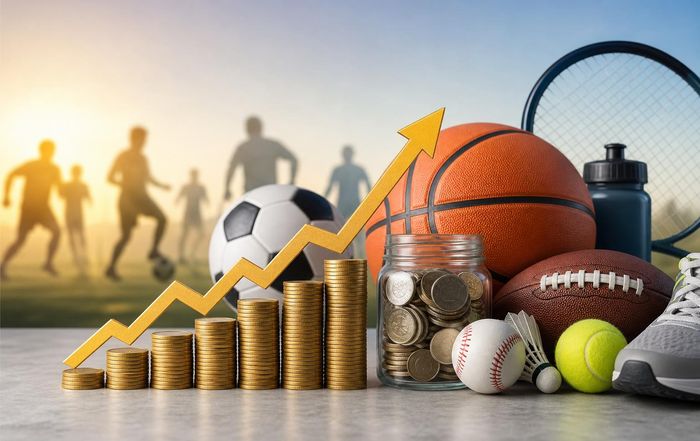
The Economics of Recreational Sports Participation
Recreational Sports as a Global Economic Engine
Recreational sports have moved far beyond the margins of leisure and hobby; they now form a sophisticated economic ecosystem that spans facilities, apparel, technology, healthcare, media, and data-driven services, with powerful implications for communities and businesses from the United States and United Kingdom to Germany, Singapore, and South Africa. The global sports economy, which PwC and Deloitte have tracked for years as a multi-hundred-billion-dollar industry, increasingly depends not only on elite competitions and professional leagues, but also on the everyday participation of runners in city parks, cyclists on urban paths, amateur footballers in local leagues, and fitness enthusiasts joining group classes or digital platforms. For Sportsyncr, whose editorial mission every day of the week is to connect the worlds of sports, fitness, health, and business, the economics of recreational sports participation are not an abstract macroeconomic theme but a lived reality that shapes how brands, cities, and individuals invest, consume, and engage.
At a time when organizations like the World Health Organization highlight physical inactivity as a major global health risk, and when governments from Canada to Australia are recalibrating public health policies around movement and prevention, understanding the economic drivers and returns of recreational sports has become a strategic priority. As more people worldwide embrace active lifestyles, the spending patterns, infrastructure demands, and technology adoption associated with recreational sports are reshaping local economies, influencing labor markets, and redefining what it means to build sustainable, healthy communities. In this evolving landscape, Sportsyncr positions itself as a bridge between participants, brands, policymakers, and innovators, interpreting how this complex economic web is changing in real time.
Participation Trends and the Changing Consumer
Recreational sports participation has been reshaped over the last decade by demographic shifts, digitalization, and post-pandemic behavioral change, producing a more fragmented yet more engaged global audience. In markets such as the United States, data from organizations like the Sports & Fitness Industry Association show that activities such as running, walking for fitness, yoga, and strength training have maintained or increased their popularity, while traditional team sports participation has fluctuated across age groups. Across Europe, from Germany and France to Spain and the Netherlands, national sports councils and ministries of sport have reported steady growth in individual and outdoor activities, with cycling, hiking, and recreational football remaining core pillars of participation.
In Asia, particularly in China, Japan, South Korea, and Singapore, the middle class has increasingly embraced recreational sports as a marker of lifestyle and status, while governments promote active living to address rising healthcare costs. Urbanization has driven demand for compact, flexible formats such as futsal, 5-a-side football, boutique fitness studios, and multi-purpose urban courts. In Africa and South America, including fast-growing markets like South Africa and Brazil, community-level football, running clubs, and informal sports ecosystems have continued to thrive, even where formal infrastructure lags, creating grassroots economies around coaching, equipment, and local tournaments that are often undercounted in official statistics yet vital to local livelihoods.
The modern recreational sports consumer is also more digitally connected, health-aware, and brand-conscious. People who once simply joined a local club now expect integrated experiences that blend physical participation with digital tracking, social sharing, and personalized coaching. Platforms like Strava and Nike Run Club have normalized the idea that every run, ride, or workout is a data point and a social interaction. At the same time, research from organizations such as McKinsey & Company and Accenture indicates that consumers are increasingly aligning their spending with values related to sustainability, inclusivity, and mental wellbeing, which in turn influences their choice of sports, facilities, and brands. For an unaffiliated and independent sport new platform like Sportsyncr, which covers culture and social dimensions alongside performance, this shift underscores the need to frame recreational sports not only as physical activities but as economic expressions of identity and community belonging.
Direct Spending: The Consumer Wallet in Motion
At the core of the economics of recreational sports lies direct consumer spending, which flows through a wide array of categories including participation fees, apparel and footwear, equipment, digital subscriptions, travel, and ancillary services such as nutrition and recovery. According to market analyses from firms like Statista and Allied Market Research, global sports apparel and footwear sales have continued to grow through the mid-2020s, driven not only by fans of professional leagues but also by everyday participants in running, fitness, and outdoor sports. Major brands such as Nike, Adidas, Puma, and Lululemon have increasingly oriented product lines and marketing campaigns toward the recreational athlete, recognizing that the cumulative spending of millions of active individuals can rival or surpass the revenues associated with elite sponsorships alone.
Participation fees and memberships remain a major revenue stream for local clubs, gyms, and recreational leagues. In urban centers from London to New York and Berlin, boutique fitness studios, indoor cycling concepts, and hybrid physical-digital memberships have proliferated, supported by consumer willingness to pay premium prices for convenience, community, and perceived expertise. Online and connected fitness platforms, including offerings from Peloton, Apple Fitness+, and others, have extended this model into the home, creating recurring subscription revenues that blur the line between fitness, entertainment, and technology. Those interested in how these models intersect with broader digital trends can explore analyses on sites like Harvard Business Review, which examine subscription economics and customer lifetime value in health and wellness contexts.
Equipment spending extends beyond traditional items such as balls, racquets, and protective gear to encompass home gym installations, smart wearables, bikes and e-bikes, and specialized accessories tailored to specific sports. The rise of "micro-sports" and niche activities, from padel in Spain and Italy to pickleball in North America, generates new product categories and local business opportunities. For readers of Sportsyncr who follow the evolution of brands and consumer behavior, these spending patterns reflect a deeper trend: recreational athletes increasingly view their sports purchases as investments in identity, performance, and wellbeing, rather than as occasional discretionary buys.
Indirect and Induced Economic Impacts
Beyond direct spending, recreational sports participation generates substantial indirect and induced economic effects that ripple through supply chains, labor markets, and adjacent industries. When a city invests in community sports facilities, for example, it not only creates construction and maintenance jobs but also stimulates demand for local retailers, hospitality businesses, and service providers who benefit from increased foot traffic and event-related activity. Studies by organizations such as OECD and Eurostat have highlighted how sports-related infrastructure projects can anchor broader urban regeneration strategies, particularly in post-industrial districts seeking to attract young residents and knowledge economy workers.
Tourism is one of the most visible channels through which recreational sports drive indirect economic benefits. Mass participation events such as marathons, cycling tours, triathlons, and amateur tournaments bring thousands of participants and spectators to host cities across Europe, Asia, North America, and beyond. These visitors spend on accommodation, dining, transportation, and cultural experiences, often extending their stays to turn events into short vacations. Destination marketing organizations in countries like New Zealand, Thailand, and Finland have increasingly integrated recreational sports into their tourism strategies, promoting trail running, skiing, diving, and adventure races as key attractions. Organizations such as the World Travel & Tourism Council analyze how such events contribute to national GDP, employment, and regional development, providing evidence that well-designed sports tourism strategies can deliver long-term benefits that far exceed the immediate event revenues.
Induced impacts arise as employees in sports-related sectors spend their income in the broader economy, supporting retail, housing, education, and other services. A local sports retailer in Canada, for instance, supports not only its own staff but also suppliers, logistics providers, and marketing agencies. When this network is multiplied across thousands of businesses and millions of participants, the macroeconomic significance becomes clear. For Sportsyncr readers tracking news and investment trends, recognizing these indirect and induced effects is crucial for understanding why municipalities, sponsors, and developers increasingly treat recreational sports as strategic economic assets rather than optional amenities.
Health Economics: Cost Savings and Productivity Gains
One of the most powerful yet often undervalued economic dimensions of recreational sports participation lies in health outcomes and associated cost savings. Organizations such as the World Health Organization, Centers for Disease Control and Prevention, and Public Health England have long documented the links between physical activity and reduced incidence of non-communicable diseases such as cardiovascular disease, type 2 diabetes, and certain cancers. As healthcare costs rise in aging societies from Japan and Italy to Germany and France, policymakers and insurers are increasingly focused on prevention and lifestyle interventions, recognizing that regular participation in recreational sports can reduce long-term medical expenditures and improve quality-adjusted life years.
Economic evaluations published by institutions like The Lancet and BMJ have quantified the healthcare savings associated with increased physical activity, suggesting that even modest improvements in population-level participation can translate into billions in reduced healthcare costs and productivity gains. For employers, particularly in knowledge-intensive industries in United States, United Kingdom, and Singapore, encouraging employees to engage in recreational sports through wellness programs, subsidized gym memberships, or company-sponsored leagues can lead to lower absenteeism, improved mental health, and enhanced cognitive performance. These outcomes have direct implications for competitiveness and innovation, as physically active employees tend to report higher energy levels, better stress management, and stronger social cohesion.
From the perspective of Sportsyncr, which connects health and performance reporting with business analysis, the health economics of recreational sports highlight an important shift: investments in sports infrastructure, community programs, and participation incentives are increasingly viewed not only as cultural or social initiatives but as financially sound strategies for managing public and corporate health budgets. As actuaries, health economists, and HR leaders collaborate more closely, the role of recreational sports in integrated health and productivity strategies is likely to become even more prominent.
Technology, Data, and the New Infrastructure of Participation
The digital transformation of recreational sports has created a new layer of economic activity centered on data, platforms, and connected hardware. Wearables from companies like Garmin, Apple, Samsung, and Fitbit have become ubiquitous among runners, cyclists, and gym-goers, generating continuous streams of biometric and performance data. These devices, alongside connected equipment such as smart bikes and rowers, feed into platforms that offer training plans, social features, and gamified challenges. Analysts at Gartner and IDC have traced the expansion of the wearables market into health monitoring and insurance integration, with some insurers in markets like Sweden, Norway, and Denmark experimenting with incentives tied to verified activity levels.
Sports technology startups and established firms alike are building services that leverage this data to deliver personalized coaching, predictive injury prevention, and community engagement. From AI-driven training apps to virtual reality fitness experiences, the boundary between gaming and sports continues to blur, especially for younger demographics in South Korea, Japan, and Brazil who are comfortable navigating between esports and physical activity. Those interested in the broader intersection of technology and sport can explore analyses from MIT Sloan Management Review, which often examine how data analytics and digital platforms are reshaping business models in sport and fitness.
This digital layer also has implications for privacy, equity, and access. While affluent participants in North America, Europe, and advanced Asian economies adopt premium devices and subscriptions, there is a risk of widening gaps in access to high-quality coaching and monitoring tools for lower-income communities. For platforms like Sportsyncr, which cover technology alongside participation trends, it is essential to highlight both the opportunities and the potential exclusions that arise as data becomes a central currency in recreational sports. Policymakers and regulators, including data protection authorities in the European Union and beyond, are increasingly scrutinizing how health and activity data are collected, shared, and monetized, adding a regulatory dimension to the economics of sports technology.
Brands, Sponsorship, and the Shift from Spectator to Participant
The sponsorship landscape has historically centered on elite competitions, professional teams, and high-visibility events, but over the past decade brands have increasingly recognized the marketing and revenue potential of recreational sports participation. Companies ranging from global sportswear giants like Nike and Adidas to beverage brands such as Red Bull and Coca-Cola, as well as technology firms like Under Armour Connected Fitness and Google, have invested in community races, grassroots tournaments, digital challenges, and local club partnerships. These initiatives allow brands to interact with consumers in moments of personal achievement and social connection, often generating more authentic engagement than traditional broadcast advertising.
Industry reports from organizations like Nielsen Sports and Kantar show that participants in recreational events tend to exhibit higher brand recall and loyalty when sponsors are perceived as enabling their experiences rather than merely advertising to them. This has led to a proliferation of co-created experiences, such as branded training programs, community run clubs, and digital challenges that reward participants with discounts, content, or access to exclusive events. For Sportsyncr, which dedicates coverage to sponsorship and brands, this shift illustrates a broader trend toward participatory marketing, where the line between consumer, athlete, and brand ambassador is increasingly blurred.
The rise of micro-influencers and community leaders has further diversified the sponsorship economy. Local coaches, club organizers, and recreational athletes with modest but highly engaged followings on platforms like Instagram, YouTube, and TikTok are now part of brand strategies, especially in markets such as Italy, Spain, Malaysia, and Thailand where community-based marketing resonates strongly. This democratization of sponsorship creates new revenue opportunities for individuals and small organizations, while challenging traditional agencies and rights holders to rethink how value is measured and distributed in the sports marketing ecosystem.
Social Capital, Inclusion, and Community Value
While financial metrics are central to understanding the economics of recreational sports, the non-monetary value generated in terms of social capital, inclusion, and community resilience is increasingly recognized as having long-term economic implications. Recreational sports provide structured opportunities for social interaction, cross-cultural exchange, and intergenerational contact, which in turn support mental health, civic engagement, and social cohesion. Research from institutions such as LSE and Stanford University has highlighted how participation in clubs and teams can build trust, networks, and skills that translate into better educational and employment outcomes, particularly for young people.
In diverse urban environments from Toronto and Sydney to Amsterdam and Johannesburg, community sports initiatives have been used as tools for integration, violence prevention, and youth development. Programs supported by organizations like UNESCO and UNICEF demonstrate that when recreational sports are made accessible to girls, migrants, and marginalized communities, the returns include not only improved health but also enhanced employability and reduced social tensions. For Sportsyncr, which explores how sport intersects with social issues and global world dynamics, these examples underscore that the value of recreational sports extends far beyond the immediate participants and into the broader fabric of society.
Inclusivity and accessibility also have direct economic implications. When facilities, programs, and equipment are designed to accommodate people with disabilities, older adults, and those with limited financial means, the addressable market for recreational sports expands significantly. This creates opportunities for adaptive sports equipment manufacturers, inclusive design consultants, and social enterprises that operate at the intersection of sport and social innovation. Countries such as Sweden, Norway, and Finland have been at the forefront of integrating inclusive sports policies into broader welfare models, providing case studies that other regions can examine through resources offered by organizations like OECD and the European Commission.
Environmental Considerations and Sustainable Growth
As recreational sports participation grows, so too does its environmental footprint, raising important questions about sustainability that carry economic consequences. Outdoor sports such as skiing, trail running, surfing, and mountain biking are directly affected by climate change, with changing snowfall patterns, heatwaves, and extreme weather events impacting both participation and infrastructure. Reports from the Intergovernmental Panel on Climate Change (IPCC) and environmental NGOs have highlighted the vulnerability of mountain and coastal sports destinations, prompting resorts and event organizers in countries like Switzerland, Austria, and New Zealand to invest in adaptation and mitigation strategies.
Event organizers are increasingly adopting sustainability frameworks that address waste reduction, transportation emissions, and responsible sourcing, recognizing that environmentally conscious participants in Europe, North America, and Asia-Pacific expect their recreational activities to align with broader climate goals. Resources from organizations such as UN Environment Programme and Global Reporting Initiative provide guidance on how to measure and report environmental impacts, while some federations and city authorities incorporate sustainability criteria into event bidding and permitting processes. For Sportsyncr, which also covers the environment, the intersection of recreational sports and climate action is an area where business, policy, and participant behavior converge, creating both risks and opportunities for stakeholders.
Sustainable product design is another critical dimension. Sportswear and equipment manufacturers are under increasing pressure to reduce reliance on virgin plastics, adopt circular economy principles, and minimize microplastic pollution. Brands experimenting with recycled materials, repair services, and rental models face complex trade-offs between durability, performance, and cost, which in turn influence pricing and adoption among recreational participants. As regulatory frameworks in the European Union and other regions evolve to address extended producer responsibility and carbon disclosure, the cost structures and competitive dynamics of sports-related industries will continue to shift, affecting everything from local retailers to global supply chains.
Labor Markets, Jobs, and the Future of Work in Recreational Sports
The expansion of recreational sports participation has created a wide range of employment opportunities, from coaches, trainers, and facility managers to product designers, data analysts, and community organizers. The sector encompasses both formal and informal work, with varying degrees of job security and professionalization across regions. In countries like United States, United Kingdom, and Germany, certification frameworks and accreditation bodies have emerged to standardize qualifications for fitness professionals and coaches, while in emerging markets in Asia, Africa, and South America, informal coaching and organizing remain prevalent, often providing critical income streams in local communities.
Digitalization has also reshaped the labor market in recreational sports. Online coaching, remote programming, and content creation have allowed trainers and experts to reach global audiences, creating new business models that combine subscription revenue, advertising, and affiliate marketing. Platforms such as YouTube, Patreon, and specialized fitness marketplaces enable individual practitioners to build brands and monetize expertise beyond geographic constraints, while also intensifying competition and requiring new skills in marketing and digital production. For readers of Sportsyncr interested in jobs and career trends, the recreational sports sector offers a microcosm of the broader future-of-work dynamics, where flexibility, entrepreneurship, and digital fluency are increasingly important.
Automation and AI will continue to influence this labor market through tools that streamline scheduling, performance analysis, and customer relationship management, potentially reducing administrative burdens while raising expectations for personalized service. At the same time, the inherently human aspects of coaching, motivation, and community building remain central to the value proposition of recreational sports, suggesting that technology will augment rather than replace most roles. Policymakers and educational institutions that recognize the economic potential of this sector may expand vocational training, business support, and innovation funding to help entrepreneurs and professionals in recreational sports build sustainable careers.
Huge Hits for Stakeholders!
The economics of recreational sports participation are too significant and multifaceted to be left to chance or treated as a peripheral concern. Governments must consider how investments in community facilities, public spaces, and participation programs can deliver returns across healthcare, tourism, employment, and social cohesion, while also ensuring equitable access across income, gender, and ability. Businesses, from global brands to local startups, need to understand evolving consumer expectations around digital integration, sustainability, and inclusivity in order to design products, services, and sponsorships that resonate with active populations in regions as diverse as North America, Europe, Asia, Africa, and South America. Investors and innovators should recognize that the convergence of sports, health, and technology creates fertile ground for new ventures that can operate at the intersection of performance, wellbeing, and data.
For Sportsyncr, these recent or daily developments affirm the importance of a holistic editorial approach that connects sports, fitness, business, science, and culture in a way that reflects the lived reality of participants and the strategic needs of decision-makers. By analyzing trends in participation, technology, sponsorship, and policy, and by highlighting best practices from cities, brands, and communities worldwide, Sportsyncr aims to support a more informed, evidence-based conversation about how recreational sports can contribute to sustainable economic and social development. As recreational athletes lace up their shoes, join local leagues, or log into digital platforms in cities from New York to Tokyo, their choices and experiences collectively shape an economic landscape that is dynamic, resilient, and increasingly central to how societies invest in health, identity, and shared prosperity.