

The Future of Fitness Subscription Business Models
Introduction: A Sector at an Inflection Point
The global fitness industry has moved decisively beyond the early-pandemic surge of digital workouts and into a more complex, hybrid era in which physical clubs, connected devices, streaming content, and data-driven coaching coexist in an increasingly integrated ecosystem. For industry stakeholders, from boutique studio founders in New York and London to digital platform leaders in Singapore and Berlin, the central strategic question is no longer whether to adopt subscriptions, but how to architect subscription models that are sustainable, profitable, and genuinely valuable for consumers whose expectations have been dramatically reshaped over the past five years. Within this context, Sportsyncr positions itself as both an observer and a participant, translating global shifts into practical insight for decision-makers across sports, fitness, health, and business.
The future of fitness subscription business models will be defined by a convergence of technological innovation, evolving consumer behavior, regulatory scrutiny, and macroeconomic pressures. Operators across the United States, Europe, Asia-Pacific, and emerging markets in Africa and South America are being forced to rethink the traditional "monthly membership" paradigm and experiment with new combinations of recurring revenue, performance-based pricing, and ecosystem partnerships. As leading organizations such as Apple, Nike, Peloton, Equinox, Basic-Fit, and Anytime Fitness adapt their strategies, their choices are shaping expectations for the entire market and setting new benchmarks for experience, expertise, authoritativeness, and trustworthiness in the delivery of fitness services.
From Gym Memberships to Multi-Layered Subscriptions
Historically, the core economic engine of the fitness sector was the classic gym membership: a monthly or annual fee granting access to a physical facility and its equipment, occasionally supplemented by personal training or group classes. This model relied heavily on local catchment areas, predictable churn patterns, and a degree of consumer inertia that allowed operators to plan with relative confidence. The advent of digital fitness platforms, accelerated by the COVID-19 pandemic and subsequent waves of hybrid work, fundamentally disrupted this equation by decoupling fitness access from geography and enabling consumers in Toronto, Sydney, or São Paulo to access world-class coaching from their living room.
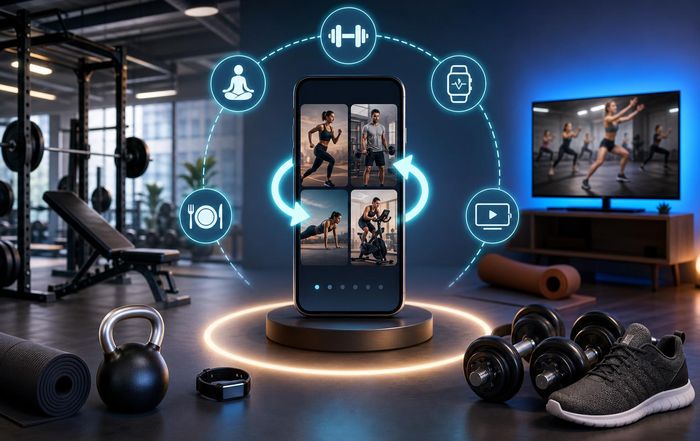
By 2026, subscription fitness has evolved into a multi-layered ecosystem that includes connected hardware plus content offerings, such as those pioneered by Peloton and mirrored by competitors like NordicTrack and Technogym, as well as pure software subscriptions delivered via mobile apps, such as Apple Fitness+, Nike Training Club, and regional players in markets like Germany, Japan, and South Korea. At the same time, traditional gyms and boutique studios have adopted digital extensions, offering members on-demand classes, live-streamed sessions, and app-based coaching as part of more sophisticated membership tiers. Industry analysts at resources such as the International Health, Racquet & Sportsclub Association and McKinsey & Company have documented this shift toward hybrid value propositions, highlighting how recurring digital revenue is increasingly seen as a hedge against local disruptions and cyclical downturns.
For Sportsyncr, which serves audiences spanning culture, social trends, and technology, this evolution underscores a critical point: the future of fitness subscriptions is not about replacing gyms with apps, but about orchestrating an integrated, multi-channel experience that follows the consumer across home, club, office, and travel environments, while maintaining a coherent brand narrative and a high standard of service quality.
Personalization, Data, and the Rise of "Adaptive Subscriptions"
A defining characteristic of next-generation fitness subscriptions is the use of data to deliver hyper-personalized experiences that adapt dynamically to user behavior, health metrics, and lifestyle changes. Wearables from Apple, Garmin, Fitbit, Samsung, and Whoop now collect continuous data on heart rate variability, sleep patterns, training load, and recovery, while connected equipment and mobile apps track workout frequency, intensity, and preferences. This data is increasingly being integrated into subscription platforms to create "adaptive subscriptions" that adjust content, recommendations, and even pricing based on real-time engagement and outcomes.
Organizations at the forefront of this trend are leveraging advances in machine learning, as documented by sources such as the MIT Sloan School of Management and the Stanford Human-Centered AI Institute, to develop recommendation engines that can curate individualized training plans for users in New York, London, Berlin, or Singapore, while also predicting churn risk and identifying moments when timely interventions, such as a personalized message or a tailored challenge, can re-engage a lapsed subscriber. For consumers, this creates an experience that feels more like a continuous coaching relationship than a static content library, reinforcing perceived value and deepening loyalty.
However, this data-driven personalization raises complex questions around privacy, consent, and data governance. Regulators in the European Union, particularly under the European Commission's evolving data protection and AI frameworks, and agencies such as the Federal Trade Commission in the United States, are paying closer attention to how health and behavioral data are collected, shared, and monetized. Thoughtful operators are therefore investing in transparent data policies and robust security practices, drawing on best-practice guidance from organizations such as the World Economic Forum and the OECD, recognizing that long-term trust is a prerequisite for any subscription model that seeks to embed itself deeply into consumers' daily lives.
For Sportsyncr, whose coverage spans health and science, the most credible fitness brands in 2026 are those that combine technical sophistication with ethical clarity, making it explicit how user data is used to enhance outcomes rather than simply to drive upsell and cross-sell opportunities.
Hybrid Memberships and the Blurring of Physical and Digital
The future of fitness subscriptions is also being shaped by the normalization of hybrid work and flexible lifestyles across major markets. As companies in sectors ranging from finance to technology adopt more permanent remote or hybrid work policies, employees in cities such as San Francisco, London, Frankfurt, Toronto, and Singapore are no longer commuting daily to centralized offices, which has disrupted traditional patterns of gym usage and forced operators to rethink their location strategies. In response, leading fitness brands are designing membership models that blend in-club access, at-home digital content, and on-the-go options, often through partnerships with hotel chains, coworking spaces, and corporate wellness programs.
For example, Equinox and Virgin Active have expanded digital offerings alongside premium club access, while more value-oriented chains such as Planet Fitness and Basic-Fit have integrated app-based workouts and virtual classes as part of tiered memberships. Corporate wellness providers and insurers, including UnitedHealthcare, Aetna, and Bupa, have also begun to incorporate digital fitness subscriptions into their employee and member benefits, incentivizing regular activity through rewards programs and premium discounts. Reports from organizations such as the World Health Organization and the World Obesity Federation have underscored the public health imperative of increasing physical activity, reinforcing the business case for integrating fitness subscriptions into broader health and benefits ecosystems.
For Sportsyncr, which tracks developments across world and news, this hybridization trend highlights the emergence of fitness as an infrastructural service rather than a discretionary luxury, particularly in countries grappling with aging populations, rising healthcare costs, and workplace productivity challenges. Subscription models that can seamlessly follow users across geographies and life stages, while maintaining consistent standards of quality and safety, are likely to command a premium and attract institutional partners.
Freemium, Tiered Pricing, and the Economics of Retention
As competition intensifies, pricing strategy has become a critical differentiator in the fitness subscription landscape. Many digital platforms have adopted freemium models, offering a baseline set of workouts or features at no cost while reserving more advanced programs, live classes, or personalized coaching for paying subscribers. Nike Training Club, for example, has experimented with various configurations of free and paid content, while Adidas Training and numerous regional apps in markets such as India, Brazil, and Southeast Asia have leveraged low-cost entry tiers to build scale before introducing higher-priced offerings.
The economic logic behind these models is well documented in research on subscription businesses from sources such as the Harvard Business Review and the Subscription Economy Index from Zuora, which emphasize the importance of customer lifetime value, churn management, and cohort-based analytics. In fitness, where motivation naturally fluctuates and dropout risk is high, the ability to design pricing structures that accommodate periods of lower engagement without losing the customer entirely is particularly important. Some platforms are experimenting with "pause" features, flexible downgrades, and loyalty-based discounts, recognizing that punitive policies may drive users to competitors in a market where switching costs are relatively low.
Physical operators are also rethinking their pricing architecture. Boutique studios in cities such as New York, London, and Paris, which once relied heavily on class packs and premium monthly memberships, are testing subscription bundles that combine a limited number of in-person classes with unlimited digital access, or that offer cross-studio access through aggregators and marketplaces. In parallel, budget chains across North America and Europe are exploring add-on digital tiers that enhance a basic access membership with structured training plans, nutrition guidance, or mental wellness content. For the Sportsyncr audience focused on brands and business, these developments illustrate how pricing is becoming a strategic lever for differentiation rather than a mere operational decision.
Trust, Safety, and Regulatory Expectations
Trust has emerged as a central pillar in the evolution of fitness subscription models, extending beyond data privacy into the realms of content quality, safety, inclusivity, and ethical marketing. As more consumers in the United States, United Kingdom, Germany, Canada, Australia, and across Asia rely on digital platforms for exercise guidance, the responsibility of subscription providers to ensure that programs are evidence-based, appropriately tailored, and clearly signposted has increased significantly. Reputable organizations are aligning their content with guidelines from bodies such as the American College of Sports Medicine and the UK National Health Service, while also incorporating expertise from physiotherapists, sports scientists, and clinical specialists.
At the same time, regulators and consumer protection agencies are scrutinizing claims related to weight loss, performance enhancement, and health outcomes. Authorities such as the US Food and Drug Administration, the Advertising Standards Authority in the UK, and equivalent bodies in Europe and Asia are increasingly attentive to the boundary between wellness services and regulated medical interventions, especially as some platforms integrate biometric monitoring, telehealth consultations, and AI-driven risk assessments. Industry leaders who aspire to long-term relevance understand that building trust requires not only compliance with current regulations but proactive transparency about limitations, risks, and the evidence base underlying their programs.
For Sportsyncr, whose coverage intersects environment, social impact, and sponsorship, this focus on trust also extends to issues of representation and accessibility. Subscription models that cater only to elite athletes or narrow body ideals are increasingly out of step with a global audience that expects inclusivity across age, ability, gender, and cultural background. Brands that invest in diverse coaching voices, adaptive workout options, and localized content for markets from Japan and South Korea to South Africa and Brazil are better positioned to earn durable loyalty.
Technology, AI, and the Next Generation of Coaching
The integration of artificial intelligence and advanced analytics into fitness subscriptions is transforming not only personalization but also the nature of coaching itself. In 2026, leading platforms are deploying AI to provide real-time feedback on form using computer vision, to generate adaptive training plans that respond to performance data, and to simulate human-like coaching interactions through conversational interfaces. Research from institutions such as the University of Cambridge Centre for Sports and Exercise Medicine and technology-focused hubs like NVIDIA's AI research center highlights the potential of these tools to enhance motivation, reduce injury risk, and support long-term adherence.
However, the most credible players are careful to position AI as an augmentation rather than a replacement for human expertise. Elite coaches, physiologists, and sports psychologists bring contextual judgment and relational skills that algorithms cannot replicate, particularly when working with high-performance athletes or individuals with complex health conditions. Hybrid models, in which AI handles routine monitoring and baseline guidance while human professionals intervene at key moments, are emerging as a promising template for scalable yet trustworthy subscription services. This approach aligns with broader trends in telemedicine and digital health, where blended care models are increasingly seen as the gold standard.
From the perspective of Sportsyncr, which explores intersections between technology, gaming, and performance culture, the gamification of fitness through AI-driven challenges, leaderboards, and virtual events is another powerful force reshaping subscription value propositions. Platforms drawing inspiration from esports, massively multiplayer games, and social media dynamics are finding new ways to sustain engagement, particularly among younger demographics in markets such as South Korea, Japan, the United States, and the Nordic countries.
Globalization, Localization, and Market Fragmentation
While global brands dominate headlines, the reality of the fitness subscription market in 2026 is one of nuanced regional variation and increasing fragmentation. Consumer preferences in the United States, where large-format gyms and connected home equipment have strong footholds, differ markedly from those in Europe, where low-cost chains and cycling or outdoor sports play a prominent role, or in Asia, where compact urban living and mobile-first behaviors drive demand for app-based micro-workouts and community-based programs. Economic conditions, cultural norms, regulatory environments, and infrastructure all shape the viability of different subscription models.
Analyses from organizations such as the World Bank and the OECD's Health Statistics reveal significant disparities in physical activity levels, obesity rates, and healthcare spending across regions, which in turn influence how consumers perceive the value of fitness services. In emerging markets across Africa, South Asia, and parts of Latin America, affordability and access remain key constraints, prompting innovative models such as SMS-based coaching, low-bandwidth video content, and partnerships with local community centers. In contrast, affluent urban centers in Europe, North America, and parts of East Asia are seeing the rise of ultra-premium subscriptions that bundle personalized coaching, nutrition, mental health support, and concierge services.
For Sportsyncr, which addresses a worldwide audience with interests spanning sports, fitness, culture, and business, this fragmentation underscores the importance of localized strategy. Global platforms that attempt to impose a one-size-fits-all subscription model are likely to encounter resistance, while those that adapt pricing, content, and partnership structures to local realities will build stronger, more resilient franchises. This may involve collaborating with regional sports federations, such as UK Sport, Sport Singapore, or Sport New Zealand, and aligning with national health campaigns to embed fitness subscriptions within broader societal initiatives.
Corporate Wellness, ESG, and the Strategic Role of Fitness
Another powerful force shaping the future of fitness subscriptions is the integration of physical activity into corporate wellness and environmental, social, and governance (ESG) strategies. As employers in sectors from finance and technology to manufacturing and logistics grapple with issues such as burnout, mental health, and the long-term impacts of sedentary work, fitness subscriptions are increasingly being viewed as strategic investments rather than discretionary perks. Reports from organizations like the World Economic Forum and the World Health Organization have quantified the productivity gains and healthcare savings associated with higher levels of employee physical activity, providing a compelling rationale for corporate adoption.
In parallel, investors and regulators are paying closer attention to the social dimension of ESG, where employee well-being and community health initiatives are becoming material factors in corporate evaluations. Fitness subscription providers that can demonstrate measurable impact on health outcomes, absenteeism, and engagement are therefore well positioned to form long-term partnerships with employers, insurers, and public sector agencies. This dynamic is particularly evident in countries with strong social safety nets and public health systems, such as the Nordic nations, Germany, France, and Canada, but is also gaining traction in the United States, the United Kingdom, and parts of Asia.
For Sportsyncr, which covers jobs, business, and environment, this trend highlights the expanding strategic role of fitness in organizational life. Subscription models that can integrate seamlessly with HR platforms, benefits systems, and ESG reporting frameworks will be at a competitive advantage, especially if they can provide anonymized, privacy-preserving analytics that help employers understand population-level trends without compromising individual confidentiality.
The Role of Brands, Sponsorship, and Cultural Relevance
Brand strength and cultural relevance remain decisive factors in the success of fitness subscription models. In a crowded market where consumers can choose from global giants such as Apple, Nike, Adidas, Peloton, and Lululemon, as well as regional champions and niche specialists, the ability to craft a distinctive identity and narrative is crucial. This is particularly true in markets where sports fandom and lifestyle culture are deeply intertwined, such as the United States, the United Kingdom, Germany, Brazil, and Japan, and where partnerships between fitness platforms, professional leagues, and celebrity athletes can create powerful resonance.
Sponsorship and co-branded content are becoming integral components of subscription strategies, with organizations aligning themselves with major events such as the Olympic Games, FIFA World Cup, and Tour de France, as well as with local marathons, cycling tours, and esports competitions. These partnerships not only drive visibility but also provide opportunities to create exclusive training programs, challenges, and digital experiences that enhance subscriber value. Industry insights from sources such as Deloitte's Sports Business Group and PwC's Sports Survey highlight how brands are leveraging these collaborations to reach younger, more digitally-native audiences.
For Sportsyncr, whose readers engage deeply with sports, culture, and sponsorship, the most compelling subscription models are those that understand fitness not only as a health or performance activity but as a cultural practice embedded in identity, community, and shared experiences. This perspective encourages operators to think beyond transactional relationships and to invest in storytelling, community building, and long-term brand equity.
Some Principles for Sustainable Fitness Subscription Models
As the fitness subscription landscape continues to evolve through today and on, several guiding principles are emerging for organizations seeking to build sustainable, and globally relevant business models. First, experience design must be holistic, integrating physical, digital, and social dimensions into a coherent journey that accommodates different life stages, goals, and constraints. Second, expertise must be demonstrable and continuously updated, drawing on credible scientific research, professional standards, and interdisciplinary collaboration across sports science, medicine, psychology, and technology.
Third, authoritativeness must be earned through transparency, consistent quality, and the willingness to engage constructively with regulators, health authorities, and independent evaluators. Fourth, trustworthiness must permeate every aspect of the business, from data governance and privacy practices to marketing claims, inclusivity efforts, and customer support. Finally, adaptability will be essential, as macroeconomic conditions, technological capabilities, and cultural norms continue to shift across regions from North America and Europe to Asia, Africa, and South America.
Within this dynamic environment, the team here aims to serve as a connective inspiring news website, linking insights from sports, fitness, health, business, and technology to help leaders navigate complexity with clarity and confidence. By tracking best practices, emerging models, and global case studies, and by foregrounding experience, expertise, authoritativeness, and trustworthiness, Sportsyncr seeks to equip stakeholders across the fitness value chain with the knowledge required to design subscription offerings that are not only commercially successful but also genuinely beneficial for individuals, communities, and societies worldwide.