

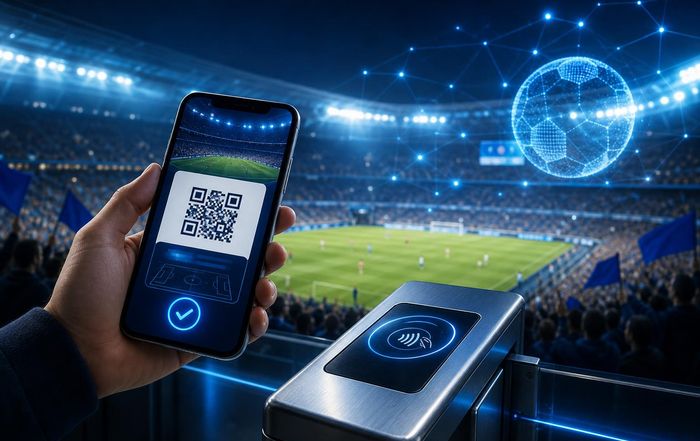
The Future of Digital Ticketing for Live Sports
Introduction: A New Front Door to the Stadium
I guess we can see that, finally the simple ticket has evolved from a simple proof of purchase into a strategic touchpoint that shapes how fans discover, buy, enter, and remember live sports experiences. What was once a paper slip tucked into a wallet has become a dynamic, data-rich, and highly personalized digital asset that connects stadiums, leagues, brands, and fans in real time. For a global audience that spans the United States, United Kingdom, Germany, Canada, Australia, France, Italy, Spain, Netherlands, China, Japan, Brazil, South Africa, and beyond, this transformation is redefining what it means to attend a match, a race, or a tournament.
From the vantage point of Sportsyncr and its passionate, fit and healthy group, who follow original content news of sports and business with a particular focus on fan experience, performance, and culture, digital ticketing is no longer a niche technology conversation. It is becoming the primary interface between clubs and their communities, the linchpin of stadium operations, and a powerful engine for new revenue models that connect live events with health, fitness, media, and social trends. As elite organizations from UEFA and FIFA to the NBA, NFL, Premier League, Formula 1, and IOC accelerate their digital strategies, the future of ticketing is emerging as a case study in how technology, regulation, and fan expectations collide.
From Barcode to Ecosystem: How Digital Ticketing Evolved
The journey from paper tickets to fully digital access began as a convenience play but has rapidly matured into a structural shift. In the late 2000s and early 2010s, fans became accustomed to print-at-home PDFs and basic barcodes, driven by the growth of online primary marketplaces such as Ticketmaster and AXS and secondary platforms like StubHub, which helped normalize digital distribution and resale. Over time, the ubiquity of smartphones and mobile wallets, together with the rollout of contactless infrastructure in major markets like the United States, United Kingdom, and Europe, enabled clubs and leagues to phase out physical tickets in favor of app-based access, mobile web passes, and wallet-native formats.
The COVID-19 pandemic acted as a catalyst, accelerating the adoption of contactless entry and health-safe crowd management. Governing bodies and venues leaned on guidance from organizations such as the World Health Organization and public health agencies like the U.S. Centers for Disease Control and Prevention to justify a move away from shared surfaces and paper handling. This shift coincided with rapid investment in venue technology, as stadium operators modernized turnstiles, upgraded Wi-Fi, and began to integrate ticketing with identity management and cashless payments. For readers of Sportsyncr's sports coverage, this period marked a turning point where the fan journey-discovery, purchase, arrival, in-game experience, and post-game engagement-could finally be connected end to end.
The Strategic Value of Digital Tickets for Rights Holders
For rights holders, whether a global property like LaLiga or a regional league in Asia or Africa, the migration to digital ticketing is primarily a data and relationship story. A digital ticket is not only an access credential; it is a persistent identity token that can be linked to fan profiles, purchase histories, and behavioral patterns across platforms. This granularity allows organizations to move beyond anonymous turnstile counts toward a single view of the fan, which in turn supports dynamic pricing, targeted marketing, and more sophisticated sponsorship propositions.
Leagues and clubs that embrace this architecture can align ticketing with their broader brand strategies, building loyalty programs that reward attendance, digital engagement, and even fitness or health behaviors. Partnerships with wearable technology providers and health platforms, including companies highlighted by resources such as the World Economic Forum, are enabling scenarios where fans earn rewards for walking to the stadium, choosing healthier concessions, or participating in club-branded fitness challenges. In markets like Germany, Netherlands, and Scandinavia, where sustainability and health culture are strong, these integrations resonate with both fans and sponsors.
The ability to capture and activate fan data also reshapes negotiations with corporate partners. Brands increasingly demand measurable outcomes, and digital tickets can deliver attribution metrics that connect ticketed attendance to on-site purchases, app interactions, and even post-event streaming behavior. As a result, forward-looking organizations are repositioning ticketing platforms as central components of their commercial stacks, not just operational tools.
Fan Experience: Convenience, Personalization, and Friction
From the fan's perspective, digital ticketing promises a more seamless, personalized, and integrated matchday experience. In leading markets such as the United States, United Kingdom, Japan, and South Korea, mobile ticketing apps now guide fans from journey planning through to seat navigation, concessions ordering, and real-time content. Transport agencies and mobility providers, informed by best practices from organizations like Transport for London and Deutsche Bahn, are increasingly connecting transit passes with event tickets, enabling combined offers and smoother travel for supporters.
At the stadium itself, digital tickets can unlock tiered access and contextual services. Fans in premium sections might receive tailored hospitality offers, while families can be directed to quieter entrances and child-friendly zones. Integrations with loyalty programs, such as those operated by Visa and Mastercard, allow for instant discounts and cash-back rewards when paying for food, merchandise, or upgrades via the same app that holds the ticket. For many readers of Sportsyncr's fitness pages, this convergence of live experience, lifestyle choices, and digital convenience reflects broader shifts in how sports is consumed as part of a holistic wellness and social identity.
However, convenience is only one side of the equation. Fans in regions with varying levels of connectivity-such as parts of Africa, South America, and Southeast Asia-require offline-friendly solutions, robust QR or NFC functionality, and clear communication about backup options. In addition, older demographics and casual attendees may feel alienated by app-only approaches. The most successful organizations will be those that blend cutting-edge digital experiences with inclusive design, ensuring that the stadium remains open and welcoming across ages, abilities, and levels of digital literacy.
Security, Fraud, and the Battle Against Scalping
Digital ticketing has been promoted as a tool to combat fraud, touting, and uncontrolled secondary markets, but the reality is more nuanced. While dynamic barcodes, identity-linked passes, and controlled transfer rules can reduce counterfeiting and unauthorized resale, they also raise complex questions about consumer rights, competition, and market fairness. Regulatory bodies, including the European Commission and national competition authorities in markets like France, Italy, and Australia, are scrutinizing restrictive ticketing practices and exclusive platform arrangements.
For clubs and leagues, the core challenge is to protect fans from scams and inflated prices while preserving legitimate flexibility in how tickets are shared, gifted, or resold. Identity verification, supported by advances in digital ID frameworks and guidance from organizations such as ENISA in Europe, is becoming more common, particularly for high-demand events like World Cups, Olympics, and major finals. At the same time, there is growing pressure to provide transparent pricing, clear face values, and official resale channels where markups are limited or regulated.
Technology vendors are responding with end-to-end platforms that integrate fraud detection, behavioral analytics, and real-time monitoring of transaction patterns. These tools can flag suspicious bulk purchases or bot activity, helping rights holders maintain control over inventory. Yet the balance between security and user experience remains delicate: heavy-handed verification can introduce friction that frustrates fans and undermines the promise of digital convenience.
Blockchain, NFTs, and the Reality Behind the Hype
Between 2021 and 2023, blockchain-based ticketing and non-fungible tokens (NFTs) were heralded as the future of access control and digital collectibles. Startups and established players alike promised tamper-proof ownership records, programmable resale rules, and new revenue streams from digital memorabilia. Major organizations, including UEFA and FIFA, experimented with blockchain-issued tickets and NFT-based fan experiences at flagship tournaments, while technology companies such as Polygon Labs and Flow courted sports rights holders aggressively.
By 2026, a more sober picture has emerged. While blockchain remains a valuable tool for specific use cases-particularly in verifiable collectibles, limited-edition passes, and transparent resale audit trails-most large-scale ticketing operations still rely on conventional cloud architectures for speed, scalability, and integration. Fans, especially in mass markets across North America, Europe, and Asia, tend to prioritize simplicity, reliability, and trust over the underlying technology stack. The most successful implementations are those where blockchain is invisible, used as a back-end layer for verification or secondary-market governance rather than as a front-facing novelty.
Digital collectibles linked to tickets, however, have proven more resilient than the initial NFT hype cycle suggested. Clubs and leagues are issuing commemorative passes, match-specific digital mementos, and loyalty-linked tokens that unlock exclusive content or experiences. Platforms such as Dapper Labs and initiatives supported by major exchanges have pivoted toward regulated, utility-focused offerings that align with emerging guidance from bodies like the U.S. Securities and Exchange Commission. For Sportsyncr readers following sports culture and fandom, this evolution underscores how tokenization can succeed when it enhances, rather than replaces, the traditional rituals of ticket ownership and memory-making.
Data, Privacy, and Trust in a Hyper-Connected Stadium
The power of digital ticketing rests heavily on data, and with that power comes heightened responsibility. Every mobile ticket scan, in-app purchase, and in-venue interaction generates information that can be used to optimize operations, tailor offers, and refine fan journeys. Yet in jurisdictions governed by frameworks such as the EU's General Data Protection Regulation and the California Consumer Privacy Act, the obligations around consent, transparency, and data minimization are strict and increasingly enforced.
For rights holders, venue operators, and technology providers, building trust requires clear communication about what data is collected, how it is used, and with whom it is shared. Privacy-by-design principles, championed by organizations like the International Association of Privacy Professionals, must be embedded into ticketing platforms from the outset. This includes granular consent flows, easy-to-use privacy dashboards, and options for fans to opt out of certain forms of tracking while still accessing core services.
The reputational and regulatory risks of data misuse are significant. High-profile breaches or opaque data-sharing practices can erode fan trust and attract scrutiny from regulators and consumer advocacy groups. For a global audience that increasingly equates responsible data handling with corporate ethics, organizations that treat digital ticketing as a long-term trust asset rather than a short-term monetization tool will be better positioned to sustain engagement. Readers who follow Sportsyncr's health and wellbeing coverage will recognize the parallels with digital health platforms, where sensitive personal information must be handled with exceptional care.
Integrating Ticketing with Health, Fitness, and Lifestyle
As sports consumption becomes more deeply interwoven with health, fitness, and broader lifestyle trends, digital ticketing is emerging as a bridge between stadium events and daily routines. Partnerships with fitness platforms, wearable manufacturers, and health insurers-many of which are profiled by organizations like the World Economic Forum and OECD-are enabling innovative models where attending live events contributes to wellness goals or insurance incentives. In markets such as Singapore, Norway, and Finland, where public health initiatives often intersect with sports policy, this alignment is particularly strong.
For example, a club might integrate its ticketing app with leading fitness trackers, rewarding fans who achieve certain activity thresholds with priority access to high-demand matches or exclusive training sessions. Stadiums can promote healthier food options through personalized offers delivered alongside digital tickets, leveraging nutritional guidance from sources like Harvard T.H. Chan School of Public Health. Fans in Asia-Pacific and Europe, where urban mobility and cycling cultures are robust, may be incentivized to choose low-carbon travel modes to the venue through gamified challenges tied to their digital passes.
From the perspective of Sportsyncr, which covers sports, fitness, and health as a connected ecosystem, this convergence reinforces the idea that a ticket is no longer just a key to a one-off event. It becomes part of a continuous loop of engagement, where fans are encouraged to live more active, connected, and health-conscious lives in between matchdays, with data flowing back to clubs and sponsors who can support these behaviors authentically.
Global Variations: Markets, Infrastructure, and Regulation
The future of digital ticketing is not uniform; it will unfold differently across regions depending on infrastructure, regulation, and cultural norms. In North America, where leagues like the NFL, NBA, NHL, and MLS operate in highly commercialized environments with mature mobile ecosystems, digital ticketing is already the default for most major events. Partnerships with big technology firms and payment providers, including Apple, Google, and PayPal, have accelerated the integration of tickets with wallets, identity, and payments, while local regulations shape consumer protections and resale rules.
In Europe, the picture is more fragmented but equally advanced in many markets. Clubs in the Premier League, Bundesliga, Ligue 1, and Serie A are leveraging digital ticketing to manage membership schemes, supporter groups, and cross-border travel, particularly for continental competitions. At the same time, EU-level consumer and competition law, overseen by the European Commission, imposes constraints on exclusivity and resale restrictions, fostering a more contested ecosystem of primary and secondary platforms. Sustainability imperatives, aligned with initiatives from the European Environment Agency, are also prompting venues to explore how digital tickets can encourage greener fan behavior.
In Asia, rapid urbanization and mobile-first populations are creating fertile ground for innovative ticketing models. Markets like China, South Korea, Japan, Singapore, and Thailand are experimenting with super-app integrations, where tickets sit alongside messaging, payments, transport, and media within a single platform. Meanwhile, in parts of Africa and South America, including South Africa and Brazil, uneven connectivity and cash-based economies require hybrid approaches that blend digital credentials with offline sales channels, SMS-based verification, and on-site assistance. For global sports properties and brands seeking to reach these audiences, understanding local payment systems, regulatory frameworks, and fan traditions is as important as the technology itself.
The Business Model Shift: Beyond Gate Revenue
As digital ticketing matures, its impact on the business models of clubs, leagues, and venues is becoming clearer. Historically, gate receipts were a relatively static revenue line, driven by capacity, pricing, and occupancy. In a digital environment, tickets can be dynamically priced, bundled, and repackaged in ways that better reflect real-time demand, fan loyalty, and broader commercial partnerships. Organizations can offer subscription models, flexible attendance packages, and micro-memberships that blend live access with digital content, merchandise benefits, and community features.
For example, a club might introduce a tiered digital access pass that guarantees a certain number of live matches, priority rights for playoffs, and exclusive streaming of training sessions or youth games. Brands can be woven into these propositions, sponsoring specific tiers or experiences, while data from ticket usage informs future product design. This shift aligns with broader trends in the experience economy documented by analysts at McKinsey & Company and Deloitte, where consumers increasingly value flexible, personalized access over static ownership.
For Sportsyncr and its readers following sports business and sponsorship trends, digital ticketing sits at the heart of a new sponsorship logic. Instead of static signage or generic hospitality, partners can co-create targeted campaigns that reward specific behaviors-attending a certain number of games, visiting international fixtures, or participating in cross-border fan events. In turn, this opens up new job roles and career paths in data science, product management, and fan engagement, topics that intersect with Sportsyncr's coverage of jobs and careers in sport.
Technology, Innovation, and the Next Wave of Fan Interfaces
Looking ahead, the next phase of digital ticketing innovation will be shaped by advances in artificial intelligence, computer vision, and spatial computing. AI-driven recommendation engines, similar to those developed by Google DeepMind and other research labs, will help clubs and venues predict demand, optimize pricing, and personalize offers at scale. Computer vision systems at stadium entrances and concourses, guided by evolving best practices from organizations like the IEEE, will support facial recognition-based access control where legally permitted, as well as crowd-flow analytics that enhance safety and fan comfort.
Augmented reality (AR) and mixed reality (MR) interfaces will increasingly overlay digital information onto the physical experience of attending a live event. Fans may use AR-enabled apps or wearables to see real-time stats, tactical overlays, or sponsor activations linked directly to their seat location, with the ticket serving as the anchor for these experiences. For readers interested in sports technology and innovation, this convergence of ticketing and immersive media represents a frontier where the stadium becomes both a physical and digital stage.
At the same time, the rise of gaming and esports, covered extensively in Sportsyncr's gaming section, is influencing how younger audiences perceive access and ownership. Season passes, battle passes, and digital skins in games have accustomed fans to flexible, layered access models. Sports organizations are beginning to borrow these mechanics, using digital tickets as gateways to virtual events, metaverse-style fan zones, and crossovers between physical matches and digital tournaments.
Environmental and Social Responsibility in Ticketing Strategies
The environmental implications of live events, from travel emissions to stadium operations, are under increasing scrutiny. Digital ticketing can play a constructive role in measuring and mitigating this impact. By capturing detailed data on attendee origins, transport modes, and in-venue consumption, clubs and venues can model their carbon footprints more accurately, drawing on methodologies from organizations like the Intergovernmental Panel on Climate Change and the UN Environment Programme. They can then design targeted interventions, such as discounted public transport, incentives for carpooling, or partnerships with local cycling schemes, delivered through the ticketing interface.
For fans and stakeholders who follow Sportsyncr's environment coverage, the integration of sustainability into ticketing strategies is becoming a litmus test of organizational values. Transparent reporting, clear communication of green initiatives, and tangible rewards for sustainable choices can strengthen the social contract between clubs and their communities. In parallel, digital ticketing can support social inclusion goals, enabling targeted outreach to underrepresented groups, community ticket allocations, and dynamic pricing that ensures access for local fans even as global demand grows.
Finish Line! Conclusion! Digital Ticketing as a Strategic Asset for the Next Era of Live Sport
Digital ticketing for live sports has moved far beyond the realm of operational convenience. It has become a strategic asset that touches almost every dimension of the sports industry: fan experience, commercial models, data strategy, technology innovation, health and fitness, environmental responsibility, and global expansion. For the diverse fit audience of Sportsyncr, spread across North America, Europe, Asia, Africa, and South America, the ticket is now the front door not just to stadiums and arenas, but to a broader ecosystem of content, community, and lifestyle experiences.
The organizations that will thrive in this new landscape are those that treat digital ticketing as a long-term platform rather than a short-term tool, investing in trustworthy data practices, inclusive design, and genuine value creation for fans. They will collaborate with technology partners, regulators, health experts, and environmental bodies to build systems that are secure, fair, and sustainable. Most importantly, they will remember that at the heart of every digital transaction is a human being seeking connection-to a team, a city, a culture, or a moment in time.
As Sportsyncr continues to explore the trends and categories of sports, business, technology, and social impact, digital ticketing will remain a central lens through which to understand the evolving relationship between live events and the global fan. The future of the ticket is not just digital; it is experiential, intelligent, and deeply intertwined with how sport itself is changing in a connected world.