

Wearable Tech Revolutionizing Personal Fitness
The New Operating System for the Active Human
Wearable technology has evolved from a novelty accessory into what many industry leaders now describe as the "operating system for the active human," reshaping how individuals train, recover, and make health decisions in real time. On platforms like Sportsyncr-where sports, health, fitness, technology, and business intersect-this shift is felt daily in how athletes, enthusiasts, brands, and employers evaluate performance, well-being, and long-term value. What began with simple step counters has matured into an integrated ecosystem of biometric sensors, AI-driven coaching tools, and connected services that influence everything from professional sports contracts to corporate wellness strategies and global public health initiatives.
This transformation has been accelerated by advances in sensor miniaturization, edge computing, and cloud analytics, as well as by a broader cultural acceptance of data-driven living. As organizations such as Apple, Garmin, WHOOP, Oura, Google, and Samsung refine their hardware and software platforms, and as fitness and health providers build services around them, personal fitness is no longer defined solely by hours spent in the gym, but by a continuous stream of physiological insights that inform smarter decisions throughout the day. For a global audience spanning the United States, Europe, Asia, Africa, and South America, the question is no longer whether wearables matter, but how to harness them responsibly, effectively, and inclusively.
From Step Counters to Precision Physiology
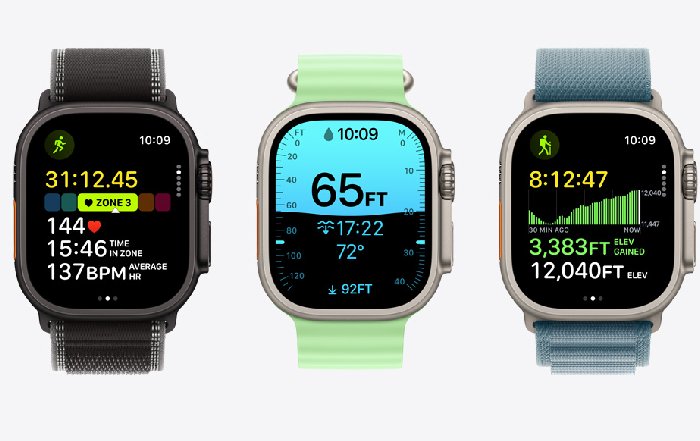
The current generation of wearables represents a significant leap from the first wave of fitness trackers. Contemporary devices combine optical heart-rate sensors, multi-frequency bioimpedance, skin temperature monitoring, blood oxygen saturation, accelerometers, gyroscopes, and GPS into compact form factors that can be worn on the wrist, finger, chest, or even integrated into clothing and footwear. Companies like Apple with the Apple Watch, Garmin with its performance-oriented watches, WHOOP with its subscription-based bands, and Oura with its smart ring have set new benchmarks in continuous health monitoring, enabling a richer understanding of cardiovascular strain, sleep architecture, and recovery capacity.
These capabilities have changed the expectations of both recreational users and elite athletes. Where heart-rate zones once sufficed, wearables now offer advanced metrics such as heart rate variability, training load, recovery scores, and readiness indices that guide daily training decisions. The science underpinning these metrics draws on decades of sports physiology research, including work published by institutions like the American College of Sports Medicine and the National Institutes of Health, which have documented how structured monitoring of cardiovascular and metabolic markers can reduce injury risk and improve performance outcomes. For readers exploring the scientific foundations of training adaptation, resources such as the American College of Sports Medicine and the National Institutes of Health provide extensive background.
On Sportsyncr, this evolution is reflected in coverage that links raw technological capability to real-world performance and wellness outcomes, highlighting how data-rich devices are reshaping training methodologies not just for professionals, but for everyday runners, cyclists, gym-goers, and individuals returning to fitness after illness or injury. Visitors interested in the sports performance dimension can explore related insights in the sports section of Sportsyncr, where device-driven performance stories increasingly dominate the narrative.
The AI Coaching Layer: Personalized Training at Scale
What truly differentiates the 2026 wearable landscape from earlier eras is the maturation of AI-driven coaching. Raw data, once confined to charts and dashboards, is now interpreted by machine learning models that translate complex physiological signals into plain-language recommendations: when to push harder, when to rest, how to structure intervals, and even how to adjust sleep and nutrition to support training goals. Platforms such as Google Fit, Samsung Health, and proprietary coaching systems from WHOOP and Garmin exemplify this trend, combining historical data, population-level insights, and user preferences to deliver individualized plans that update dynamically.
This AI coaching layer is built on techniques that are widely documented by organizations like MIT and Stanford University, where researchers have explored how neural networks and reinforcement learning can detect patterns in human movement and biometrics that are invisible to the naked eye. Those interested in the technical underpinnings can learn more about applied AI in human performance through academic and industry collaborations that have made their findings publicly available. What matters for the end user, however, is that training is no longer a static plan written once by a coach, but a living program that evolves daily based on the body's actual response.
For Sportsyncr readers focused on fitness, this means that personal training is becoming more accessible and more precise, regardless of geography or budget. The fitness section of Sportsyncr increasingly profiles athletes and professionals from the United States, United Kingdom, Germany, Canada, Australia, and emerging markets who have used AI-enhanced wearables to transition from generic workout routines to highly individualized programs that respect their unique physiology, work schedules, and recovery constraints. This democratization of coaching, powered by wearables, is one of the most significant shifts in the global fitness industry to date.
Health, Recovery, and the New Preventive Paradigm
Beyond performance, the most profound impact of wearable technology lies in preventive health. Devices that monitor resting heart rate, heart rate variability, respiratory rate, skin temperature, and sleep patterns can flag deviations that may signal illness, overtraining, or chronic stress. During the early- and mid-2020s, such capabilities were used to detect trends related to respiratory infections and to guide return-to-play decisions for athletes recovering from illness, illustrating how consumer-grade devices can contribute to broader health resilience.
Major health organizations, including the World Health Organization and the Centers for Disease Control and Prevention, have acknowledged the potential of digital health tools to support population-level monitoring and individual self-management. Those interested in public health perspectives can explore WHO's digital health initiatives and review CDC guidance on physical activity and health to understand how wearables fit into broader strategies for combating lifestyle-related diseases. For many users, these devices serve as an early-warning system, prompting medical consultation when patterns deviate significantly from baseline.
On Sportsyncr, health-focused coverage emphasizes how wearables are blurring the line between fitness and healthcare. The health channel increasingly examines partnerships between wearable manufacturers and healthcare providers, insurers, and employers who are integrating wearable data into chronic disease management programs, corporate wellness initiatives, and post-surgical rehabilitation. In Europe, Asia, and North America, hospitals and clinics are piloting remote monitoring programs that leverage consumer wearables to track cardiac rehabilitation, diabetes management, and weight-loss efforts, reducing the need for in-person visits while maintaining a high degree of oversight.
Cultural Shifts: From Quantified Self to Quantified Communities
The rise of wearables has also reshaped culture, social norms, and how communities around the world engage with movement and sport. What began as the "quantified self" movement in the United States and Europe has evolved into a global phenomenon in which groups, teams, and workplaces collectively track steps, training load, and wellness metrics, using shared data as a basis for challenges, accountability, and support. Platforms like Strava, which has become a social network for athletes, and the community features embedded in Apple Fitness+ and Peloton, illustrate how data-sharing has become a core part of the fitness experience.
Cultural institutions and think tanks, such as the World Economic Forum, have examined how digital health and fitness ecosystems are influencing workplace expectations, urban planning, and even insurance models. Readers can learn more about the societal impact of digital health ecosystems to understand how these trends are playing out in different regions, from Singapore and Japan to Brazil and South Africa. For Sportsyncr, which serves a diverse global audience, the cultural dimension is central: wearables are not simply tools, but symbols of identity, aspiration, and belonging.
The culture section of Sportsyncr highlights how sports clubs, esports teams, and community organizations use wearable data to build inclusive challenges that bridge age, gender, and geography. From step competitions in multinational corporations to virtual running clubs that connect participants in the United Kingdom, Germany, and the Netherlands, quantified communities are redefining what it means to train "together" in an increasingly hybrid and remote world. Yet this cultural shift also raises questions about social pressure, data comparison, and mental health, requiring careful consideration from leaders and policymakers.
The Business of Wearable Fitness: Platforms, Partnerships, and New Revenue Models
From a business perspective, the wearable fitness market in 2026 is characterized by platform consolidation, ecosystem thinking, and a proliferation of new revenue streams. Major technology companies such as Apple, Google, and Samsung are not merely selling devices; they are building multi-layered platforms that integrate hardware, subscription services, content, and third-party applications. Fitness-centric companies like WHOOP, Oura, and Peloton have oriented their models around recurring revenue, offering analytics, coaching, and premium content that extend far beyond the initial hardware sale.
Market analysts and consultancies, including McKinsey & Company and Deloitte, have documented how this shift toward subscription-centric models is reshaping the economics of fitness and health technology. Executives and investors can explore strategic analyses of the digital fitness market to better understand growth forecasts, consumer behavior, and competitive dynamics. On Sportsyncr, the business channel frequently dissects how partnerships between wearable manufacturers, sports leagues, health insurers, and employers are creating new monetization pathways, from performance-based sponsorships to insurance premium discounts for verified activity.
In professional sports, teams in the United States, Europe, and Asia are negotiating data rights and usage policies with players' unions, as biometric data becomes a valuable asset for performance optimization, scouting, and contract negotiations. Brands are integrating wearable data into sponsorship activations, rewarding fans who complete activity challenges tied to major events in football, basketball, cycling, and esports. Meanwhile, fitness and wellness startups are leveraging open APIs from major wearable platforms to build niche services in areas such as women's health, mental well-being, and age-specific training, contributing to a dynamic innovation ecosystem.
Technology Convergence: Wearables, Smart Clothing, and the Internet of Bodies
The future of personal fitness is not confined to wrist-worn devices. In 2026, wearables are increasingly converging with smart textiles, connected footwear, and in some experimental cases, implantable sensors, creating what researchers and policymakers have described as part of the broader "Internet of Bodies." Sports apparel companies, including Nike and Adidas, are working with sensor manufacturers and research institutions to develop garments and shoes that can track gait, impact forces, muscle activation, and posture with greater fidelity than traditional wrist-based devices.
Research organizations such as Fraunhofer in Germany and universities across Scandinavia, Singapore, and South Korea have published work on smart textiles and biomechanical sensing, illustrating how advanced materials and embedded electronics can offer more contextualized data for athletes and patients alike. Those curious about the scientific trajectory of smart materials and human-machine interfaces can explore applied research in advanced materials and sensing. For Sportsyncr readers, this convergence is particularly relevant to the technology and science audience segments, who can find complementary coverage in the technology section and the science channel.
This convergence also has implications for gaming and virtual environments. In esports and immersive fitness experiences, motion-tracking wearables and smart clothing provide more accurate input for training simulators, rehabilitation platforms, and mixed-reality workouts. As gaming and fitness increasingly overlap, particularly among younger demographics in markets like South Korea, Japan, and the Nordic countries, wearable-enabled experiences are redefining how movement and play intersect, creating new engagement models for brands and leagues.
Jobs, Skills, and the Emerging Wearable Economy
The expansion of the wearable fitness ecosystem is creating new roles and reshaping existing professions across sports, health, and technology. Data-literate coaches, sports scientists, and physiotherapists are in high demand, as teams and training facilities in the United States, United Kingdom, Germany, and Australia seek professionals who can interpret complex biometric data and translate it into actionable guidance. Software engineers, data scientists, and UX designers with experience in human-centered design and regulatory compliance are equally sought after by device manufacturers, health systems, and startups.
Global labor market observers, such as the International Labour Organization, have highlighted how digital health and fitness technologies are contributing to new forms of employment and gig-based coaching models. Readers can review ILO analyses on the future of work in digital health to understand how these trends intersect with broader shifts in remote work, platform economies, and upskilling. On Sportsyncr, the jobs section increasingly features roles that blend sports science, analytics, and product development, reflecting how wearables have become central to modern performance and wellness strategies.
Education and certification are evolving to keep pace. Universities and professional organizations across Europe, North America, and Asia are introducing specialized programs in sports analytics, digital health, and human-computer interaction, while traditional coaching and personal training certifications are incorporating modules on wearable data interpretation and ethical data use. This professionalization reinforces the trustworthiness of the ecosystem, ensuring that users receive guidance grounded in both scientific evidence and ethical best practices.
Ethics, Privacy, and Trust: The Governance Challenge
As wearables become more powerful and pervasive, concerns around privacy, data ownership, and algorithmic bias have moved to the forefront of public debate. Fitness and health data, once considered relatively benign, are now recognized as highly sensitive, with potential implications for employment, insurance, and personal autonomy. High-profile policy debates in the European Union, United States, and other regions have led to stricter guidelines on how companies can collect, store, and share biometric data, and how individuals can exercise control over their digital health footprints.
Regulators such as the European Commission and national data protection authorities have published frameworks that address health data portability, consent, and cross-border data flows. Stakeholders can learn more about European digital health and data protection policy to understand how legal standards are evolving in response to wearable proliferation. For Sportsyncr, which emphasizes experience, expertise, authoritativeness, and trustworthiness, this governance dimension is central: coverage increasingly highlights how organizations build transparent data policies, communicate risks and benefits clearly, and design products that respect user autonomy.
Trust is not only a legal or technical issue; it is also cultural and relational. Users in different regions-whether in North America, Europe, Asia, or Africa-bring distinct expectations about privacy, community, and institutional reliability. Successful wearable strategies therefore require localized approaches that respect cultural norms while adhering to global best practices. On the world channel of Sportsyncr, regional analyses examine how these dynamics play out in markets as diverse as China, Singapore, South Africa, Brazil, and the Nordic countries, where attitudes toward surveillance, collective responsibility, and personal data vary significantly.
Sustainability and the Environmental Footprint of Wearables
An often-overlooked aspect of the wearable fitness revolution is its environmental impact. The rapid upgrade cycle of consumer electronics, combined with the proliferation of low-cost devices, raises concerns about electronic waste, resource extraction, and carbon emissions. As awareness of climate change and sustainability grows, particularly in Europe, Australia, and the Nordic countries, consumers and regulators are asking tougher questions about device longevity, repairability, and recycling.
Environmental organizations such as Greenpeace have drawn attention to the lifecycle impacts of consumer electronics and advocated for more sustainable design practices. Those interested can learn more about sustainable electronics and e-waste challenges to contextualize wearable devices within the broader environmental debate. For Sportsyncr, which covers environmental topics in its environment section, the intersection of fitness technology and sustainability is an emerging theme: how can the industry encourage healthier lifestyles without contributing disproportionately to environmental degradation?
Leading manufacturers are beginning to respond with commitments to recycled materials, modular designs that extend device life, and take-back programs that facilitate responsible disposal. Some are exploring energy-harvesting technologies and low-power architectures that reduce battery size and frequency of charging. Over the next decade, the credibility of wearable brands will increasingly depend not only on their technological sophistication and data practices, but also on their environmental stewardship.
The Role of Sportsyncr in a Connected Fitness Future
As wearable technology continues to revolutionize personal fitness in 2026, the landscape is defined by convergence: of sports and health, of physical and digital communities, of individual goals and societal priorities. Devices that once counted steps now inform clinical decisions, shape corporate wellness strategies, influence sports tactics, and anchor new forms of gaming and social interaction. Yet the success of this revolution ultimately depends on trust-trust in data accuracy, in ethical governance, in scientific validity, and in the organizations that mediate between technology and the public.
Sportsyncr occupies a unique position at this crossroads, serving a global audience that spans athletes, health professionals, technologists, business leaders, and culturally engaged consumers across the United States, Europe, Asia, Africa, and South America. By bringing together coverage of sports, health, fitness, culture, business, technology, science, environment, and jobs, the platform provides a holistic perspective on how wearables are reshaping human performance and well-being. Readers can navigate seamlessly from performance-oriented stories in sports and fitness, to health system innovations in health, to macro-economic and policy analyses in business and world.
In this evolving ecosystem, the most valuable resource is not data alone, but informed interpretation-grounded in experience, expertise, authoritativeness, and trustworthiness. As wearable technology becomes ever more embedded in daily life, platforms like Sportsyncr will play a critical role in helping individuals, organizations, and societies make sense of the signals, navigate the trade-offs, and design a connected fitness future that is not only more efficient and personalized, but also more ethical, inclusive, and sustainable.