

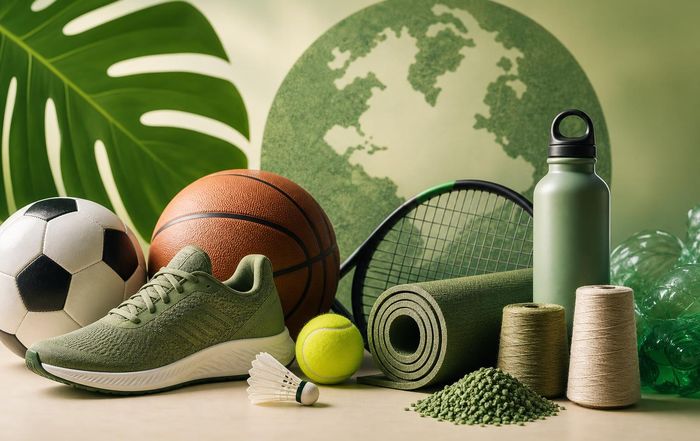
The Rise of Eco-Friendly Sports Manufacturing?
How Sustainability Became a Competitive Advantage in Global Sport
Ok you must have noticed that sustainability is not a peripheral concern in the sports industry; it has become a central strategic pillar for brands, leagues, venues and athletes across the world. What began as a series of isolated green initiatives has evolved into a systemic transformation of how equipment is designed, apparel is produced, venues are constructed and global supply chains are managed. In this context, Sportsyncr has chosen to focus every day on the rise of eco-friendly sports manufacturing because it sits at the intersection of performance, innovation and responsibility, aligning directly with the interests of its fit audience across sports, fitness, health, brands and business.
The shift is driven by converging forces: tightening environmental regulation in major markets such as the United States, the European Union and parts of Asia; rapidly evolving consumer expectations, particularly among younger fans and participants; escalating costs and volatility in global energy and materials markets; and the growing recognition by sports organizations that climate risk is now a direct business risk. Extreme heat, air pollution and severe weather events are already disrupting training schedules, damaging infrastructure and altering competition calendars, as documented by the World Meteorological Organization in its recent climate reports. Readers who wish to understand the broader climate context can review global climate assessments that now explicitly reference impacts on sport and outdoor activity.
Eco-friendly sports manufacturing therefore represents far more than a marketing trend; it is becoming a defining feature of long-term competitiveness and brand resilience in a sector that touches billions of people across North America, Europe, Asia, Africa and South America. From equipment factories in Germany and Italy to apparel hubs in Vietnam and Thailand, and from carbon-neutral stadiums in the United Kingdom to circular business models emerging in the United States and Canada, the transformation is global in reach and increasingly measurable in impact.
From Niche Idea to Mainstream Imperative
The concept of sustainable sports manufacturing first gained traction when a small number of pioneering brands decided to experiment with recycled materials and lower-impact processes in the early 2000s. At that time, these initiatives were often framed as corporate social responsibility projects, peripheral to the core performance and commercial objectives of the business. Over the last decade, however, the narrative has changed as leading organizations such as Adidas, Nike, Puma and Decathlon began to integrate sustainability into core product lines, long-term sourcing strategies and executive performance metrics.
The acceleration has been fueled by improved data and transparency. Tools such as life-cycle assessment, promoted by institutions like the Ellen MacArthur Foundation, have made it possible for companies to analyze the full environmental footprint of products, from raw material extraction to manufacturing, logistics, usage and end-of-life. At the same time, voluntary disclosure frameworks and investor expectations have pushed publicly listed sportswear and equipment companies to publish climate targets, water usage statistics and waste reduction progress in their annual reports.
On the demand side, research by organizations such as Nielsen Sports and Deloitte has demonstrated that fans in markets as diverse as the United Kingdom, Germany, Brazil and Japan increasingly prefer brands and teams that are seen to be acting responsibly on environmental issues. Business leaders who wish to understand these evolving consumer expectations can explore sustainability trend analysis that highlights the growing alignment between environmental performance and brand equity in sport.
As a result, what was once a niche positioning has become a mainstream imperative. Today, major rights holders, including FIFA, the International Olympic Committee (IOC) and World Athletics, embed environmental criteria into host city contracts, supplier frameworks and sponsorship guidelines. This shift is highly relevant to the Sportsyncr active audience that follows global sports news and policy developments, because it influences where events are held, which companies win contracts and how new technologies are adopted across the ecosystem.
Materials Innovation: From Petrochemicals to Circular Fibers
One of the most visible dimensions of eco-friendly sports manufacturing is the transition in materials used for apparel, footwear and equipment. Traditional performance textiles have relied heavily on virgin polyester and nylon derived from fossil fuels, while many forms of protective equipment and balls have used synthetic rubbers and foams with high environmental footprints. In response, sports brands and their suppliers are investing heavily in alternative materials that reduce reliance on petrochemicals, improve recyclability and lower overall emissions.
Recycled polyester, often derived from post-consumer plastic bottles or industrial waste, has moved from experimental capsule collections into mainstream product lines, particularly in football, running and training apparel. Organizations such as Textile Exchange provide methodologies and benchmarks that enable companies to track the environmental benefits of preferred fibers, supporting procurement decisions in Europe, North America and Asia. In parallel, innovations in bio-based materials, such as plant-derived polyurethane alternatives and bio-nylon, are beginning to appear in footwear midsoles, outsoles and upper components.
In equipment manufacturing, the use of responsibly sourced natural rubber, recycled EVA foams and bio-resins is expanding, especially in categories such as surfboards, yoga mats and racket sports. For example, several European manufacturers are now using flax fibers and recycled carbon composites in bicycle frames and hockey sticks, reducing both weight and environmental impact. Fans interested in the science behind these materials can learn more about sustainable polymers through scientific and technical resources that explain the trade-offs between durability, performance and biodegradability.
For Sportsyncr, which lovingly covers both fitness and science, this materials revolution is particularly significant, because it demonstrates that environmental progress does not have to come at the cost of performance. In many cases, the new materials equal or surpass traditional options in breathability, weight and comfort, and they often open new design possibilities that resonate with athletes and consumers who care about both innovation and impact.
Cleaner Factories and Low-Carbon Supply Chains
Eco-friendly sports manufacturing is not only about what products are made of, but also about how and where they are produced. Factories in countries such as China, Vietnam, Thailand and Indonesia have historically been energy-intensive, with significant reliance on coal-based electricity and limited wastewater treatment infrastructure. Over the past decade, however, leading manufacturers have begun to invest in cleaner technologies, renewable energy and advanced process controls, often in collaboration with their brand customers and international organizations.
Initiatives such as the UN Global Compact and the Science Based Targets initiative have encouraged multinational sports brands to set ambitious decarbonization goals and to align their supply chains with global climate targets. This has led to a growing number of sportswear factories installing rooftop solar, adopting high-efficiency boilers and heat recovery systems, and implementing advanced water recycling in dyeing and finishing processes. In some regions, particularly in Europe and North America, manufacturers are also relocating parts of their production closer to end markets to reduce transport emissions and improve resilience.
The logistics dimension is equally important. Companies are optimizing shipping routes, increasing the use of rail in Europe and Asia, and experimenting with low-carbon fuels in maritime transport. Major ports and logistics providers, including those serving the United States, Canada and the Netherlands, are partnering with brands to pilot green corridors for container shipping. Executives who wish to understand these developments in more depth can explore global supply chain decarbonization initiatives through the World Economic Forum, which regularly highlights case studies involving sports and apparel companies.
For the Sportsyncr gowing community that follows technology and world trends, the transformation of supply chains illustrates how digital tools, data analytics and automation are being deployed not only to reduce cost and improve speed, but also to measure and reduce environmental impact. Factory sensors, blockchain traceability systems and AI-driven production planning are now being used to cut waste, minimize overproduction and enhance transparency from raw material to finished product.
Eco-Design and the Circular Business Model
Beyond materials and manufacturing processes, a fundamental shift is taking place in how sports products are designed and how brands think about their life cycle. Eco-design principles encourage manufacturers to consider durability, repairability and recyclability from the earliest stages of product development, rather than treating end-of-life as an afterthought. This is particularly important in categories such as running shoes, football boots, bicycles and protective equipment, where product turnover can be high and waste volumes significant.
Several leading brands are experimenting with modular designs that allow components such as outsoles, studs or padding to be replaced without discarding the entire product. In parallel, take-back schemes, refurbishment programs and certified resale platforms are emerging across the United States, United Kingdom, Germany and other markets, enabling equipment and apparel to be used by multiple owners over extended periods. Those interested in the broader principles behind these models can learn more about circular economy strategies through analyses produced by McKinsey & Company and other advisory firms.
Eco-design is also influencing packaging, with many sports brands eliminating single-use plastics, reducing box sizes and using recycled cardboard and plant-based inks. While these changes may appear incremental compared to factory-level initiatives, they play an important role in shaping consumer perception and in reducing the cumulative environmental footprint across millions of units shipped each year.
For Sportsyncr, which covers new culture and social dimensions of sport, the rise of circular models is noteworthy because it changes the relationship between fans, athletes and their gear. Renting high-end skis for a season, subscribing to a cycling equipment service or purchasing refurbished football boots are no longer fringe behaviors; they are becoming normalized across demographic groups in Europe, Asia and North America, supported by digital platforms that make access easier and more transparent.
Health, Performance and the Athlete's Perspective
Eco-friendly sports manufacturing is often discussed in terms of carbon, water and waste, but it also has important implications for athlete health and performance. The reduction of harmful chemicals in dyes, glues and finishes, guided by frameworks such as OEKO-TEX and the Zero Discharge of Hazardous Chemicals (ZDHC) program, has led to safer products for both workers and end users. Those who wish to delve into chemical safety standards can review guidance on restricted substances that now shape product development in leading sports brands.
From a performance standpoint, sustainable materials and manufacturing techniques are increasingly delivering tangible benefits. Advances in lightweight recycled fibers, breathable membranes and bio-based foams are helping athletes maintain optimal body temperature, reduce fatigue and improve recovery. At the same time, the growing focus on environmental responsibility is influencing training environments, from air-quality-optimized indoor facilities in cities such as Seoul and Beijing to natural-surface running tracks and eco-certified turf systems in Scandinavia and North America.
For email members and online readers of Sportsyncr who follow health and fitness, there is a direct connection between sustainable manufacturing and personal well-being. Reduced exposure to volatile organic compounds in footwear, lower levels of microplastic shedding from apparel and improved indoor air quality in sports venues all contribute to healthier participation in sport and exercise. Organizations such as the World Health Organization now explicitly link environmental quality and physical activity in their public health guidance, underlining the importance of aligning performance goals with planetary boundaries.
Stadiums, Venues and the Built Environment
While equipment and apparel are at the core of sports manufacturing, the broader ecosystem includes stadiums, arenas, training centers and community facilities, all of which require materials, energy and maintenance. Over the last decade, green building standards such as LEED and BREEAM have been increasingly applied to sports venues in countries including the United States, United Kingdom, Germany, France, Brazil and Japan. Clubs and venue operators are investing in renewable energy installations, advanced water management systems and low-carbon construction materials, reshaping the environmental profile of live sport.
Examples include stadium roofs equipped with photovoltaic panels, rainwater capture systems for pitch irrigation, and low-emission concrete and steel in new constructions. Readers interested in the technical aspects of sustainable stadium design can explore green building best practices promoted by the U.S. Green Building Council and similar organizations worldwide. These developments are highly relevant to the Sportsyncr audience that tracks business and sponsorship, because infrastructure investments often involve complex financing models, long-term naming rights deals and innovation partnerships with technology and energy companies.
The built environment also plays a key role in community access and equity. Eco-friendly facility design can reduce operating costs, enabling more affordable access for local clubs, schools and grassroots programs. In regions such as South Africa, Brazil and parts of Southeast Asia, international federations, NGOs and local governments are collaborating on multi-purpose, low-impact sports hubs that serve as centers for health, education and social cohesion. The intersection of sustainability and inclusion is attracting growing attention from organizations like UNESCO, which offers guidance on sport for development and peace that increasingly references environmental stewardship.
Regulation, Standards and Investor Pressure
The rise of eco-friendly sports manufacturing is being accelerated by a rapidly evolving regulatory landscape. The European Union's Green Deal, extended producer responsibility schemes and forthcoming product environmental footprint rules are setting new expectations for transparency and performance in apparel and equipment sold in Europe, affecting global supply chains that serve customers in Germany, France, Italy, Spain, the Netherlands and beyond. Policy observers can follow developments in EU sustainable product regulation to understand how they will impact sports brands and manufacturers.
In the United States, regulatory pressure is emerging through state-level chemicals legislation, extended producer responsibility laws for packaging and growing scrutiny of environmental claims by the Federal Trade Commission. At the same time, investors and lenders are integrating environmental, social and governance (ESG) criteria into their risk assessments, leading to differentiated access to capital for companies that can demonstrate credible sustainability strategies. Financial institutions and analysts increasingly rely on frameworks such as those developed by the Task Force on Climate-related Financial Disclosures (TCFD), whose recommendations on climate risk reporting apply equally to sports manufacturers and retailers.
For Sportsyncr, which covers independent business and news with a global lens, this regulatory and financial context is critical, because it explains why sustainability has moved from the CSR department into boardrooms, risk committees and investor presentations. Compliance is no longer just about avoiding penalties; it is about securing market access, protecting brand reputation and maintaining competitiveness in a marketplace where environmental performance is increasingly quantified and compared.
Consumer Expectations and Brand Storytelling
The commercial success of eco-friendly sports manufacturing ultimately depends on how consumers respond to new products, services and narratives. Surveys across markets such as the United Kingdom, Canada, Australia, Sweden and Singapore indicate that a growing share of sports participants and fans are willing to switch brands, and in some cases pay a moderate premium, for products that are credibly more sustainable. However, this willingness is conditional on trust, transparency and performance; consumers expect verifiable claims, clear labeling and no compromise in quality or functionality.
Brands are therefore investing in more sophisticated communication strategies that integrate sustainability into their core storytelling rather than treating it as an add-on. Campaigns highlight the journey of materials from ocean plastic to performance jerseys, the use of renewable energy in factories, or the social impact of fair labor practices in manufacturing communities. Media outlets, including specialized platforms like Sportsyncr, play a key role in scrutinizing these claims and providing context for readers who want to differentiate between substantive progress and superficial greenwashing.
Organizations such as Consumer Reports and the Better Business Bureau offer resources that help audiences evaluate environmental marketing claims, while NGOs and investigative journalists track discrepancies between public statements and actual performance. In this environment, brands that embrace independent verification, publish detailed impact reports and engage in honest dialogue with stakeholders are more likely to build durable trust across markets in Europe, Asia, Africa and the Americas.
Technology, Data and the Next Wave of Innovation
Looking ahead, the next phase of eco-friendly sports manufacturing will be shaped by advances in digital technology, data analytics and scientific research. Artificial intelligence and machine learning are already being used to optimize material formulations, simulate product performance and predict failure modes, enabling engineers to design lighter, more durable and more sustainable products with fewer physical prototypes. Those interested in the intersection of AI and materials science can explore emerging research on computational design published in leading scientific journals.
Additive manufacturing, or 3D printing, is also gaining ground in footwear, protective equipment and custom orthotics, allowing for on-demand production, reduced waste and localized manufacturing. In parallel, blockchain and digital product passports are being piloted to provide end-to-end traceability of materials and production processes, enabling consumers and regulators to verify sustainability claims with greater confidence. These technologies align closely with the interests of Sportsyncr RSS Feed / ATOM / Email followers and readers who follow technology, science and gaming, as they reflect a broader convergence between physical and digital innovation in sport.
On the environmental side, advances in bio-based chemistry, recycling techniques and carbon capture are opening new possibilities for circular manufacturing. Research institutions and startups in countries such as Japan, South Korea, Denmark and the United States are experimenting with enzymatic recycling of polyester, bio-fabricated leather alternatives and low-carbon cement for sports infrastructure. International collaboration, often facilitated by organizations like the International Energy Agency, which provides analysis on industrial decarbonization, is helping to spread best practices and accelerate deployment in both mature and emerging markets.
Opportunities and Responsibilities for the Sports Community Here!
As eco-friendly sports manufacturing continues to evolve, the stakeholders who shape the sports ecosystem-brands, leagues, athletes, investors, facility operators and fans-face both opportunities and responsibilities. For brands, there is a chance to differentiate through genuine innovation, to build long-term loyalty across markets from the United States and United Kingdom to Brazil, South Africa and Malaysia, and to contribute meaningfully to global climate and biodiversity goals. For investors and sponsors, there is an opportunity to back companies and projects that align financial returns with environmental and social impact, reinforcing the positive role of sport in society.
For athletes and coaches, the transition offers access to better, safer and more responsible equipment, while also providing a platform to advocate for broader environmental action. For fans and participants, from grassroots runners in Finland to football supporters in Italy and basketball communities in Canada, everyday purchasing decisions and engagement with brands can signal demand for higher standards and greater transparency. Platforms such as Sportsyncr, with its integrated totally new coverage of sports, environment, social and business, have a distinctive role to play in connecting these perspectives and providing the context necessary for informed decision-making.
In 2026, the rise of eco-friendly sports manufacturing is no longer a speculative trend; it is a defining feature of how the global sports industry operates and competes. The most successful organizations will be those that combine technical expertise, credible environmental performance and transparent communication, turning sustainability from a obligation into a source of innovation, resilience and inspiration. As the sector continues to evolve across continents and cultures, Sportsyncr will remain committed to tracking this transformation, highlighting both the progress achieved and the challenges that remain, and offering its audience the insight required to navigate a future where high performance and environmental responsibility are inseparable.