

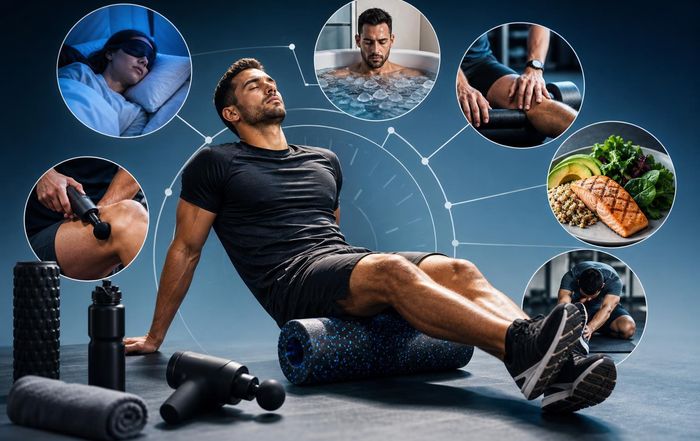
Sports Recovery Techniques Supported by Modern Research
The New Competitive Edge: Recovery as a Performance Strategy
Elite sport has entered an era in which marginal gains are no longer found only in training volumes, tactical sophistication, or nutrition plans; they are increasingly discovered in the hours when athletes are not competing or practicing. Recovery has shifted from a vague notion of "rest" to a structured, evidence-informed performance strategy, and organizations across the global sports ecosystem are investing heavily in systems that transform recovery into a measurable, optimizable asset. For a sport news site such as this-positioned at the intersection of sports, fitness, health, and business-this evolution is not merely a scientific trend; it is a defining shift in how athletes, coaches, brands, and investors think about sustainable high performance.
Modern research in exercise physiology, neuroscience, sleep medicine, and data science has converged to create a more precise understanding of how the body and brain adapt to stress, how they repair after intense workloads, and how recovery protocols can be individualized according to genetics, age, sex, sport, and competition schedule. Global institutions such as the International Olympic Committee, FIFA, and World Athletics, alongside research leaders like Harvard Medical School, Stanford University, and the Australian Institute of Sport, have all contributed to an expanding body of evidence that is reshaping best practice from youth academies in Europe to professional leagues in North America and emerging performance hubs in Asia and Africa. This article examines the most influential recovery techniques supported by modern research, explores how they are being operationalized in practice, and considers what they mean for athletes, teams, and the broader performance economy that Sportsyncr serves.
Sleep: The Foundation of Evidence-Based Recovery
Among all recovery modalities, sleep remains the single most powerful and consistently validated tool for performance, injury prevention, and long-term health. Research from institutions such as Harvard Medical School and the National Institutes of Health confirms that both sleep duration and sleep quality are strongly associated with reaction time, decision making, sprint performance, and emotional regulation, as well as with injury risk and immune function. In 2026, elite programs treat sleep not as an individual preference but as a core component of the performance plan, monitored and managed with the same rigor as training load.
Professional teams in the NBA, Premier League, and NFL, as well as Olympic high-performance centers in the United States, United Kingdom, Germany, Australia, and Japan, now routinely use wearable devices and validated questionnaires to track sleep metrics, from total sleep time and sleep efficiency to heart-rate variability and nighttime movement. Organizations such as WHOOP, Oura, and Garmin have collaborated with academic partners to refine algorithms that help distinguish meaningful patterns from noise, while governing bodies refer to guidelines from the American Academy of Sleep Medicine to set evidence-based targets for athletes in different age groups.
For a performance-focused audience that engages with Sportsyncr, the key development is not only the validation of sleep as a performance driver but the move toward individualized sleep strategies. Teams are increasingly adjusting travel schedules, training times, and media obligations to align with circadian rhythms, using research from organizations like the National Sleep Foundation to manage jet lag across transcontinental competitions, such as European football, Formula 1, and global tennis tours. Recovery rooms at elite facilities now integrate controlled lighting, temperature optimization, and noise reduction, all backed by environmental and behavioral sleep science, while athletes are educated in sleep hygiene as part of a holistic recovery curriculum that sits alongside their physical conditioning programs.
Periodization, Load Management, and the Science of Rest
The concept of periodization-organizing training into structured phases of stress and recovery-has existed for decades, but modern research has refined how coaches and sports scientists apply it in daily practice. Data from GPS tracking, inertial sensors, and internal load metrics such as heart-rate responses and perceived exertion are now integrated into comprehensive load management models, allowing practitioners to quantify the accumulated stress on athletes and schedule recovery windows that reduce injury risk while maximizing adaptation. Organizations like the Australian Institute of Sport, the English Institute of Sport, and Aspetar Orthopaedic and Sports Medicine Hospital in Qatar have published frameworks that help teams balance chronic and acute workloads, which are now widely referenced in global high-performance environments.
Professional leagues in North America and Europe, including Major League Soccer, the Bundesliga, and the National Basketball Association, have embraced load management strategies, sometimes controversially when star players are rested in marquee games, but increasingly supported by longitudinal data showing reductions in soft-tissue injuries and improved performance in decisive fixtures. Researchers referenced by the British Journal of Sports Medicine and the American College of Sports Medicine have demonstrated that intelligently scheduled recovery days, deload weeks, and micro-periodization within congested calendars can extend careers and improve return-on-investment for clubs, sponsors, and national federations.
For the Sportsyncr community, this has practical implications beyond elite sport. Fitness professionals, recreational athletes, and corporate wellness leaders are increasingly adopting periodization principles, using accessible tools and guidelines to avoid overtraining and burnout. Resources on sports performance and training science and business-focused performance culture reflect how load management thinking is migrating into mainstream wellness, where recovery is now positioned as a productivity strategy as much as a sports performance tactic.
Nutrition, Hydration, and the Microbiology of Recovery
Modern sports nutrition has moved far beyond generic advice to "eat well and drink plenty of water." In 2026, recovery nutrition is grounded in detailed research on macronutrient timing, micronutrient adequacy, and the role of the gut microbiome in inflammation, immune function, and mental health. Organizations such as the International Society of Sports Nutrition and the Gatorade Sports Science Institute have contributed to consensus statements that guide practitioners on optimal carbohydrate and protein intake after training and competition, while studies highlighted by Sports Dietitians Australia and The British Nutrition Foundation outline how specific nutrients support muscle repair, glycogen resynthesis, and connective tissue recovery.
Hydration strategies have likewise become more individualized, with sweat testing and environmental monitoring helping determine sodium needs and fluid volumes for athletes competing in hot and humid conditions in regions such as Southeast Asia, the Middle East, and parts of Africa and South America. Research summarized by the European Hydration Institute and the Mayo Clinic emphasizes that both dehydration and overhydration can impair performance and recovery, leading teams to adopt more precise pre- and post-event protocols.
The most dynamic frontier in 2026 involves the gut microbiome and its influence on inflammation, recovery, and psychological resilience. Leading labs in the United States, United Kingdom, and Europe are collaborating with professional clubs and Olympic programs to study how dietary patterns, probiotics, and prebiotics influence recovery markers, sleep quality, and injury susceptibility. As this science matures, Sportsyncr is increasingly positioned to connect athletes, health professionals, and performance brands around emerging evidence, linking content on health, fitness, and brands that are developing microbiome-informed recovery products and services.
Cold, Heat, and Contrast Therapies: Sorting Evidence from Hype
Cold water immersion, ice baths, cryotherapy chambers, saunas, and contrast baths have become symbols of modern recovery culture, widely adopted by professional teams and boutique recovery studios from Los Angeles and Toronto to London, Berlin, Sydney, and Singapore. Yet research in this area is nuanced, and in 2026 practitioners are more selective about when and for whom these modalities are used. Systematic reviews featured by the National Library of Medicine and the Cochrane Library suggest that cold water immersion can reduce soreness and perceived fatigue in the short term, which may be valuable in congested competition schedules, but potentially blunts some long-term training adaptations when used immediately after strength sessions.
Heat-based recovery, including sauna use and hot water immersion, has gained renewed attention as evidence from Scandinavian and Japanese populations-highlighted by sources such as the American Heart Association-links regular sauna exposure with cardiovascular benefits and improved autonomic balance. In endurance sports, and in regions where athletes must adapt to heat, controlled heat exposure is increasingly integrated into training and recovery plans, with teams in athletics, cycling, and triathlon using saunas as both a recovery and adaptation tool.
By 2026, leading performance environments are moving toward context-specific protocols: cold therapies for acute inflammation, tournament congestion, and contact-heavy sports; heat therapies for relaxation, cardiovascular conditioning, and heat acclimation; and contrast therapies when rapid subjective recovery is prioritized. For readers of Sportsyncr, this evidence-based perspective helps separate marketing narratives from robust science, supporting informed choices in a marketplace crowded with commercial recovery offerings and wellness trends that often outpace the research underpinning them.
Active Recovery, Mobility, and the Role of Movement Quality
Modern research consistently supports the value of low-intensity, active recovery to promote blood flow, accelerate metabolic by-product clearance, and reduce stiffness without adding meaningful fatigue. Light cycling, swimming, walking, and mobility-focused sessions are now standard components of recovery microcycles across team sports, combat sports, and endurance disciplines. Publications from organizations such as the American Council on Exercise and the Canadian Society for Exercise Physiology highlight that movement quality, joint range of motion, and neuromuscular control are critical not only for performance but for resilience to repetitive stress.
In 2026, mobility and movement-based recovery are increasingly informed by biomechanical assessments, motion capture technologies, and force plate analysis, which identify asymmetries, compensations, and load distribution patterns that may not be obvious in traditional training environments. High-performance centers in the United States, United Kingdom, Germany, and Japan are integrating physiotherapists, strength and conditioning coaches, and sports scientists into unified recovery teams that design individualized active recovery sessions based on objective measurements rather than generic templates.
For the Sportsyncr audience, this shift underscores an important message: recovery is not merely passive rest but a strategic opportunity to improve movement efficiency, address weaknesses, and build durability. Content across fitness, sports, and culture increasingly reflects how yoga, Pilates, functional movement training, and even dance-based methods are being adapted into recovery frameworks that support both physical and psychological regeneration.
Psychological Recovery, Mental Health, and Cognitive Load
Modern sports performance is as much a cognitive and emotional challenge as a physical one, particularly in high-stakes competitions and media-intensive environments. Research from organizations such as the American Psychological Association and the World Health Organization emphasizes that psychological recovery-decompression from competitive stress, management of anxiety, and restoration of cognitive resources-is essential for sustainable high performance and long-term well-being. By 2026, mental health support is no longer a peripheral service but a central pillar of recovery programs in elite sport.
Clubs and national teams in North America, Europe, Asia, and Oceania increasingly employ full-time sports psychologists, mental skills coaches, and clinical therapists who collaborate with coaches and medical staff to design recovery strategies that address both physical and mental demands. Techniques such as mindfulness, controlled breathing, guided imagery, and cognitive-behavioral interventions are used to help athletes down-regulate after competition, improve sleep onset, and process the emotional consequences of wins, losses, and injuries. Resources like the Headspace Sports initiatives and educational content from the NCAA Sport Science Institute contribute to a broader cultural shift in how recovery is understood and discussed.
For Sportsyncr, which covers social and culture dimensions as well as performance, the integration of mental health and psychological recovery is a crucial narrative. It reflects changing expectations among athletes and fans in markets from the United States and United Kingdom to South Africa, Brazil, and Japan, where transparency about mental health is increasingly seen as a marker of leadership, authenticity, and organizational responsibility.
Technology, Data, and the Personalization of Recovery
The most transformative change in sports recovery over the past decade has been the rise of technology-enabled personalization. Wearables, smart textiles, sensor-equipped equipment, and cloud-based analytics platforms now generate continuous streams of data on movement, physiology, and sleep, which performance teams use to tailor recovery interventions at an individual level. Companies such as Catapult, Hawk-Eye Innovations, and Kinexon provide tracking systems for professional teams, while consumer devices from Apple, Samsung, Polar, and Fitbit bring recovery metrics into the daily lives of recreational athletes and fitness enthusiasts.
Research from the MIT Sports Lab and innovation hubs such as INSEP in France and Sport Singapore demonstrates how machine learning models can predict fatigue, injury risk, and readiness to train based on integrated data sets that include training load, sleep metrics, wellness questionnaires, and contextual factors such as travel, altitude, and environmental conditions. By 2026, some organizations are experimenting with adaptive recovery plans that adjust in real time, recommending specific sleep windows, nutrition strategies, and active recovery sessions based on each athlete's current status and upcoming competitive demands.
For a platform like Sportsyncr, which maintains dedicated coverage of technology and news, this convergence of sports science and data analytics is central to its editorial and commercial strategy. Brands, teams, and technology providers are increasingly seeking informed, trusted channels to explain the capabilities and limitations of recovery technologies to a global audience spanning the United States, Europe, Asia, Africa, and the Americas. As this ecosystem matures, questions of data privacy, ethical use of biometric information, and equitable access to advanced recovery tools are moving from the margins to the center of industry discussions.
Recovery Economics: Brands, Business Models, and Global Markets
The professionalization of sports recovery has created a rapidly expanding market that spans equipment, wearables, supplements, digital platforms, and specialized facilities. Market analyses referenced by organizations such as Deloitte, PwC, and McKinsey & Company suggest that the global sports and wellness recovery sector is now worth several tens of billions of dollars annually, with strong growth in regions such as North America, Western Europe, East Asia, and the Middle East. Recovery-focused studios offering cryotherapy, infrared saunas, compression therapy, and guided breathwork sessions have emerged in urban centers from New York and London to Berlin, Dubai, Seoul, and Singapore, often targeting both professional athletes and high-income wellness consumers.
Major sportswear and equipment companies including Nike, Adidas, Puma, and Under Armour have expanded their product lines to include recovery garments, smart insoles, and integrated app ecosystems that track recovery metrics and offer personalized guidance. At the same time, new entrants-ranging from compression technology providers to sleep-focused startups and nutrition innovators-are competing to define the next generation of evidence-based recovery products. Reports from the World Economic Forum and KPMG's sports advisory practice highlight how recovery has become a strategic theme in sponsorship, product development, and fan engagement, as brands seek to align with performance, longevity, and holistic well-being.
Within this landscape, Sportsyncr plays a distinct role as a trusted intermediary, balancing scientific rigor with accessible storytelling and commercial insight. Its coverage of brands, sponsorship, and world sport connects stakeholders across continents, providing context for how recovery innovation influences athlete performance, consumer behavior, and the economics of sport. As federations, leagues, and clubs negotiate partnerships with recovery technology providers and wellness platforms, the ability to evaluate claims through the lens of modern research becomes a critical competitive advantage.
Global and Cultural Dimensions of Recovery Practices
Recovery is not only a scientific and commercial topic; it is also deeply shaped by culture, tradition, and regional context. In Scandinavia and parts of Central and Eastern Europe, sauna culture has long been embedded in daily life, now reinterpreted through sports science to support cardiovascular recovery and relaxation. In Japan, onsen and sento traditions intersect with modern hydrotherapy protocols, while in Thailand and other parts of Southeast Asia, massage and manual therapies rooted in traditional medicine are increasingly integrated with evidence-based physiotherapy. African and South American contexts often blend community-based practices, dance, and rhythmic movement with contemporary recovery frameworks, creating unique hybrid models that reflect local values and resources.
International organizations such as the International Olympic Committee, FIFA, and World Rugby are increasingly attentive to these cultural dimensions, recognizing that successful implementation of recovery protocols must respect local norms while maintaining scientific integrity. Educational initiatives promoted by the World Health Organization and regional sports medicine associations in Europe, Asia, Africa, and the Americas aim to disseminate best practices in ways that are culturally sensitive and economically feasible, particularly in developing markets where access to advanced technology may be limited.
For Sportsyncr, whose audience spans continents from North America and Europe to Asia, Africa, and South America, this global perspective is essential. Coverage across environment, culture, and social topics explores how environmental conditions, urban design, and societal attitudes toward rest, work, and sport shape recovery behaviors. As climate change alters competition conditions and travel patterns, and as urbanization influences access to green spaces and recovery facilities, the intersection between environmental science, public health, and sports recovery will only become more prominent.
Building Trust: Evidence, Transparency, and the Future of Recovery
The rapid growth of the sports recovery market has created both opportunities and challenges. On one hand, athletes at all levels have access to a wider range of tools, services, and knowledge than ever before; on the other, the proliferation of products and claims makes it harder to distinguish robust, research-backed interventions from those driven primarily by marketing. Trust, therefore, becomes a strategic asset-trust in scientific evidence, in practitioners' expertise, in organizational integrity, and in the platforms that curate and explain complex information.
Leading medical and sports science bodies such as the American College of Sports Medicine, the British Association of Sport and Exercise Sciences, and the International Federation of Sports Medicine emphasize the importance of peer-reviewed research, transparent methodologies, and ongoing education in guiding recovery practices. High-performance organizations are increasingly publishing their own applied research, contributing to open-access repositories and collaborating with universities to validate new technologies and protocols. Platforms like PubMed and the Cochrane Library remain critical resources for practitioners who need to stay current with evolving evidence.
In this context, Sportsyncr positions itself as a educational, research-informed voice at the crossroads of sport, health, business, and culture. By connecting fans with high-quality external resources while developing its own editorial standards around accuracy, clarity, and transparency, it contributes to a more informed global conversation about recovery. Whether the audience consists of elite athletes in Europe and North America, emerging professionals in Asia and Africa, or health-conscious consumers in Australia, New Zealand, and South America, the platform's commitment to Experience, Expertise, Authoritativeness, and Trustworthiness supports better decisions in training, competition, and everyday life.
Conclusion: Recovery as a Strategic Imperative in the New Sports Landscape
Sports recovery has evolved from an afterthought to a strategic imperative, grounded in modern research that spans sleep science, load management, nutrition, psychology, and technology. Athletes, coaches, and organizations worldwide now recognize that the capacity to recover quickly and effectively is not merely a health benefit but a decisive performance advantage, one that can influence career longevity, competitive outcomes, and financial returns. From the United States and United Kingdom to France, Canada, Australia, China, Japan, Brazil, South Africa, and beyond, recovery has become a common language across leagues, sports, and cultures.
As evidence continues to emerge and technologies become more sophisticated, the challenge will be to maintain a clear, critical, and ethically grounded perspective on what truly works, for whom, and under what conditions. In this evolving landscape, Sportsyncr is uniquely placed to serve as a bridge between cutting-edge science and practical application, between global research hubs and local training environments, and between the interests of athletes, brands, and fans. By championing evidence-based recovery practices and fostering informed dialogue, it contributes to a future in which performance and well-being are not competing priorities but mutually reinforcing pillars of a more sustainable sports ecosystem. We hope this piece gave you useful context and a positive takeaway. Bookmark the site and join our loyal readers again tomorrow.