

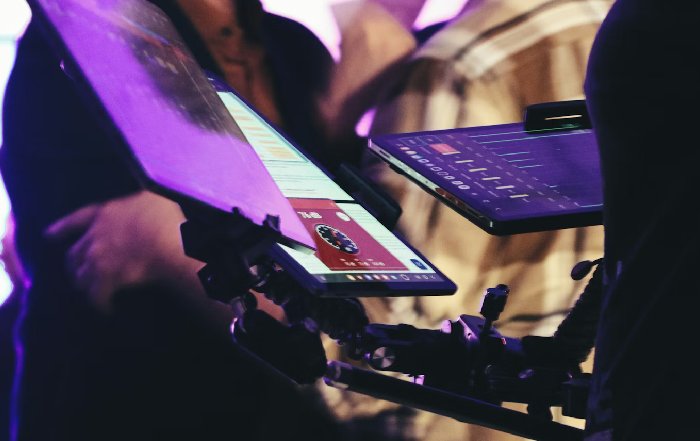
Connected Technology Creating Immersive Fan Experiences
The New Arena: How Connectivity Is Redefining the Fan Experience
The global sports and entertainment ecosystem has entered a decisive new phase in which connectivity, data and immersive media are reshaping what it means to be a fan, a rights holder, a sponsor and even an athlete. From smart stadiums in the United States and Europe to mobile-first fan platforms in Asia and Africa, connected technology is no longer an experimental add-on to the live event; it is the central nervous system of the modern fan experience. For Sportsyncr, which focuses on the intersection of sports, health, fitness, culture, business and technology, this shift is not simply a matter of innovation for its own sake but a fundamental redefinition of value, engagement and trust across the entire sports economy.
The convergence of 5G connectivity, edge computing, cloud platforms, augmented and virtual reality, computer vision and increasingly sophisticated data analytics has enabled a new generation of fan experiences that are highly personalized, context-aware and interactive. Industry leaders such as Amazon Web Services (AWS), Microsoft, Google, Apple, Meta, Sony and Samsung, alongside major sports organizations like the NFL, NBA, Premier League, LaLiga, Bundesliga and Formula 1, are investing heavily in connected ecosystems that turn stadiums, broadcasts, apps and wearables into a continuous, data-rich environment. Learn more about how 5G is transforming live events on the GSMA and explore broader digital transformation trends at the World Economic Forum.
From Smart Stadiums to Intelligent Ecosystems
The concept of the "smart stadium" has evolved significantly since the first Wi-Fi upgrades and digital scoreboards. In 2026, leading venues in the United States, United Kingdom, Germany, Spain, Japan and Australia operate as intelligent ecosystems in which sensors, cameras, beacons, connected POS systems and high-density connectivity work together to orchestrate every aspect of the matchday journey. These venues are not only designed to optimize fan satisfaction; they are engineered around data flows that support real-time decision-making for operations, security, sponsorship activation and fan engagement.
At the heart of this transformation is the deployment of 5G and Wi-Fi 6E networks, often built in partnership with telecom operators such as Verizon, AT&T, Deutsche Telekom, BT, Orange, NTT Docomo and Telstra, and technology vendors like Cisco and Huawei. These networks enable low-latency streaming, high-resolution video capture, and real-time analytics that power features such as in-seat ordering, dynamic wayfinding, congestion-aware routing, personalized content on stadium screens and instant replay on mobile devices. The NFL and Premier League have been particularly active in collaborating with partners to create connected venue blueprints that can be replicated across franchises and regions, while organizations like LaLiga Tech are exporting Spanish know-how to clubs and leagues around the world. For a broader perspective on smart infrastructure, readers can explore insights from McKinsey & Company and Deloitte.
For Sportsyncr, which covers the strategic business side of sports at sportsyncr.com/business.html, the smart stadium is an emblem of how capital investment, digital strategy and fan-centric design are converging. The shift from single-use infrastructure to multi-purpose, always-connected venues is changing revenue models, creating new job profiles and demanding new skills in data science, cybersecurity, UX design and operations management across North America, Europe, Asia-Pacific and beyond.
Immersive Media: AR, VR and Mixed Reality as Core Fan Channels
Immersive media has moved from the realm of experimental pilots to mainstream fan engagement tools. In 2026, augmented reality (AR), virtual reality (VR) and mixed reality (MR) experiences are integrated into many major leagues' and clubs' official apps, streaming platforms and even broadcast feeds. Fans can overlay live statistics on their view of the pitch through AR-enabled smartphones or smart glasses, access interactive replays with multiple camera angles through VR headsets, and experience mixed reality activations that blend physical choreography with digital overlays inside arenas.
Companies such as Apple with its spatial computing devices, Meta with its VR ecosystem, Sony with PlayStation VR and Microsoft with HoloLens have all invested in sports-specific content partnerships, while broadcasters like Sky Sports, ESPN, DAZN and Amazon Prime Video are experimenting with immersive viewing modes. Fans in Germany, the United Kingdom, the United States, Japan and South Korea can already choose camera perspectives, access volumetric replays or join virtual watch parties with friends in different countries, turning the solitary viewing experience into a social, interactive environment. Learn more about the evolution of immersive media at Variety and explore technical perspectives through IEEE Spectrum.
On Sportsyncr's technology hub at sportsyncr.com/technology.html, immersive fan experiences are analyzed not only as entertainment but as strategic assets. They enable leagues and brands to reach younger demographics, particularly in markets such as Brazil, India, Southeast Asia and Africa, where traditional pay-TV penetration is lower but mobile-first engagement is high. They also create new sponsorship inventory, from branded AR filters to virtual product placement, which must be evaluated through the lens of fan trust, authenticity and long-term brand equity.
Data-Driven Personalization and the Rise of the Fan Graph
The foundation of immersive fan experiences is data: behavioral, transactional, biometric, contextual and social. In 2026, leading organizations treat their fan base as a dynamic, multidimensional "fan graph" that maps relationships between individuals, content, teams, athletes, venues, sponsors and communities. This fan graph is built from multiple sources, including ticketing systems, membership programs, streaming platforms, e-commerce, social media, in-stadium interactions and connected fitness devices.
Major leagues and clubs have developed or licensed advanced customer data platforms (CDPs), often in partnership with Salesforce, Adobe, Oracle, SAP or specialist sports-tech firms, to unify fan data and orchestrate personalized experiences across channels. Fans in Canada, France, Italy, Spain, the Netherlands and Singapore can receive customized content recommendations, targeted offers, tailored loyalty rewards and contextually relevant notifications based on their location, historical behavior and real-time engagement signals. For a deeper understanding of data-driven personalization strategies, executives frequently turn to resources from the Harvard Business Review and the MIT Sloan Management Review.
On Sportsyncr's social and culture sections at sportsyncr.com/social.html and sportsyncr.com/culture.html, the implications of this data-centric era are explored through the lens of fan identity, community formation and digital well-being. While personalization can deepen loyalty and improve satisfaction, it also raises questions about privacy, algorithmic bias and the risk of over-commercialization. Regulatory frameworks such as the EU's GDPR, the California Consumer Privacy Act (CCPA) and evolving rules in countries like Brazil, South Africa and Japan are forcing rights holders and technology partners to adopt more transparent, consent-based data practices. The European Commission and national data protection authorities provide important guidance on these issues.
Health, Fitness and the Connected Athlete-Fan Relationship
The boundary between professional athletes and everyday fans has become increasingly porous due to the proliferation of connected fitness devices, wearables and health-tracking platforms. In 2026, fans across the United States, United Kingdom, Germany, Canada, Australia, Sweden, Norway, Finland and many other markets use smartwatches, heart rate monitors, GPS trackers, sleep sensors and AI-powered coaching apps to monitor and improve their health and fitness. Companies like Garmin, Polar, Whoop, Fitbit (owned by Google) and Apple have integrated sports content, training plans and performance benchmarks that are often inspired by or co-created with elite athletes and teams.
This convergence has created new forms of immersive fan engagement in which supporters can "train like their heroes," compare performance metrics with professional athletes, participate in global challenges tied to live events and receive feedback informed by sports science. Some clubs and leagues partner with health-tech providers and academic institutions to share anonymized performance insights, while broadcasters embed wellness tips and training content into pre- and post-game coverage. Discover more about sports science and performance research from organizations such as the American College of Sports Medicine and the UK Sport Institute of Sport.
For Sportsyncr, which covers health and fitness in depth at sportsyncr.com/health.html and sportsyncr.com/fitness.html, this connected athlete-fan relationship is pivotal. It demonstrates how immersive technology can deliver tangible benefits in terms of physical activity, mental well-being and community building, while also highlighting the need for rigorous standards around data accuracy, medical oversight and ethical use of biometric information. As more fans adopt connected devices, the lines between media, coaching, healthcare and entertainment will continue to blur, creating new opportunities for innovation and new responsibilities for all stakeholders.
Esports, Gaming and the Always-On Fan Universe
The rise of esports and gaming has accelerated the shift toward immersive, always-on fan experiences that transcend the traditional boundaries of time, geography and even physical reality. In 2026, leading game publishers such as Riot Games, Activision Blizzard, Valve, Epic Games and Tencent operate global competitive ecosystems that attract millions of players and viewers from Asia, Europe, North America, South America and Africa. Major esports events in South Korea, China, the United States, Sweden and Denmark are produced as highly connected spectacles with real-time stats, interactive overlays, in-game rewards and companion apps that keep fans engaged before, during and after live broadcasts.
Game engines and virtual environments have also become laboratories for sports innovation more broadly. Clubs and leagues are experimenting with digital twins of stadiums, virtual fan zones, NFT-based collectibles, tokenized loyalty programs and avatar-based social experiences that allow fans from Brazil, South Africa, Malaysia and New Zealand to feel present at events they cannot physically attend. Learn more about the broader gaming industry landscape through Newzoo and explore the metaverse and virtual worlds via reports from PwC.
On Sportsyncr's gaming vertical at sportsyncr.com/gaming.html, esports and interactive entertainment are treated as integral components of the sports ecosystem rather than separate categories. The habits and expectations shaped by gaming-interactivity, customization, community-driven content-are now influencing how fans engage with traditional sports, from interactive broadcasts to fantasy leagues and prediction games. This convergence also has implications for sponsorship and brand strategy, as companies seek to build consistent, immersive narratives across physical, digital and virtual touchpoints.
Sponsorship, Brands and the Economics of Immersion
Connected technology has transformed sponsorship from static logo placement into a dynamic, data-driven and performance-based discipline. In 2026, brands in sectors such as financial services, technology, automotive, consumer goods, health, fitness, gaming and sustainability demand measurable outcomes from their investments in sports and entertainment. They expect immersive experiences that deliver not only reach but also engagement, conversion and long-term loyalty, supported by robust analytics and attribution models.
Leading sponsors like Coca-Cola, PepsiCo, Nike, Adidas, Puma, Visa, Mastercard, Heineken, Red Bull and Emirates are leveraging connected platforms to create interactive activations, personalized rewards, gamified campaigns and content series that can be optimized in real time. Rights holders, in turn, use their fan graphs and connected infrastructures to offer highly targeted inventory, such as location-based offers, AR filters, virtual experiences and data-enriched hospitality packages. Industry bodies and consultancies including the International Olympic Committee (IOC), FIFA, UEFA and firms like KPMG and EY provide benchmarks and best practices on sponsorship effectiveness, while platforms like the International Chamber of Commerce highlight evolving standards in marketing and advertising.
Within Sportsyncr's sponsorship and brands sections at sportsyncr.com/sponsorship.html and sportsyncr.com/brands.html, the economics of immersion are examined with a focus on trust and long-term value creation. Brands that succeed in this new environment are those that respect the integrity of the fan experience, add genuine utility or entertainment and commit to transparent data practices. Those that treat connected technology merely as a vehicle for aggressive data harvesting or intrusive advertising risk backlash and reputational damage, particularly in markets with strong consumer protection norms like the European Union, the United Kingdom, Canada and Australia.
Global and Regional Dynamics: A Connected but Unequal Landscape
While connected technology is creating unprecedented opportunities for immersive fan experiences, its deployment is uneven across regions, leagues and demographics. Advanced markets such as the United States, United Kingdom, Germany, Japan, South Korea, Singapore, the Nordics and parts of China have benefited from early 5G rollouts, strong broadband infrastructure, high smartphone penetration and mature digital payment systems. In these countries, fans are accustomed to using mobile apps for ticketing, concessions, transport, content and community engagement, and stadium operators can justify significant investments in smart infrastructure.
In contrast, many regions in Africa, South Asia and parts of Latin America still face challenges related to connectivity, affordability and digital literacy, even as mobile adoption continues to grow rapidly. Organizations like FIFA, the NBA, LaLiga and Bundesliga have launched initiatives to bring digital experiences to emerging markets through lighter apps, localized content and partnerships with regional telecom operators and broadcasters, but gaps remain. International development agencies such as the World Bank and the International Telecommunication Union emphasize that inclusive digital infrastructure is essential for equitable participation in the global sports and entertainment economy.
For Sportsyncr, which covers global developments at sportsyncr.com/world.html and sportsyncr.com/news.html, understanding these regional dynamics is critical. The future of immersive fan experiences will depend not only on technological innovation but also on policies that support affordable connectivity, digital skills development and responsible data governance. As leagues and brands expand into markets like India, Indonesia, Nigeria, Kenya, Mexico and the broader Middle East, they will need to adapt their strategies to local realities while maintaining consistent standards of quality, safety and trust.
Sustainability, Environment and the Responsible Use of Technology
The rapid expansion of connected technology in sports raises important questions about environmental impact, energy consumption and sustainable business practices. Smart stadiums, data centers, streaming platforms, AR/VR devices and IoT sensors all consume energy and generate electronic waste, and the carbon footprint of global sports events has come under increasing scrutiny from regulators, NGOs and fans. Organizations such as UNEP, UNFCCC and the Sport for Climate Action Framework have called on sports stakeholders to reduce emissions, adopt renewable energy, minimize waste and promote sustainable transport and consumption behaviors.
Many clubs and venues are responding by implementing green building standards, installing solar panels, optimizing HVAC and lighting systems using IoT data, and partnering with sustainability-focused sponsors. Technology providers are working to improve the energy efficiency of networks, chips and devices, while cloud providers like AWS, Microsoft Azure and Google Cloud are investing in renewable energy and carbon reduction initiatives. Learn more about sustainable business practices through resources from the UN Global Compact and the Carbon Trust.
On Sportsyncr's environment and science channels at sportsyncr.com/environment.html and sportsyncr.com/science.html, the intersection of sustainability, technology and sport is a core area of focus. Immersive fan experiences can, in principle, reduce the environmental impact of travel by providing high-quality remote engagement options, but they can also drive higher consumption of digital services. The challenge for the industry is to design connected ecosystems that are both engaging and environmentally responsible, supported by transparent reporting, science-based targets and continuous innovation in green technology.
Talent, Jobs and the Future Workforce of Immersive Sports
The evolution toward connected, immersive fan experiences is reshaping the labor market within sports, media, technology and adjacent industries. In 2026, clubs, leagues, agencies, broadcasters and technology companies are competing for talent in areas such as data science, AI engineering, UX and product design, cybersecurity, cloud architecture, spatial computing, fan engagement strategy and digital content production. New hybrid roles have emerged that bridge sports expertise with technical and analytical skills, and career paths are becoming more fluid, with professionals moving between sports organizations, tech firms, consultancies and startups.
Educational institutions and training providers in the United States, United Kingdom, Germany, Canada, Australia, Singapore and other countries are responding with specialized programs in sports analytics, digital media, esports management and sports technology. Online platforms and professional networks are also playing a role in upskilling existing industry professionals. Readers interested in the evolving job landscape can explore opportunities and insights via LinkedIn and sector-focused reports from ILO.
For Sportsyncr, which maintains a dedicated focus on careers and opportunities at sportsyncr.com/jobs.html, the future workforce of immersive sports is a strategic theme. Organizations that invest in continuous learning, cross-functional collaboration and inclusive hiring practices will be better positioned to innovate and adapt. At the same time, workers need to navigate the ethical dimensions of data use, AI, automation and fan manipulation, ensuring that technological progress aligns with professional integrity and societal values.
Building Trust in an Immersive, Always-On Era
As connected technology becomes deeply embedded in the fabric of sports and entertainment, the central challenge for the industry is not simply to innovate but to build and maintain trust. Fans around the world-whether in the United States, the United Kingdom, Germany, Canada, Australia, France, Italy, Spain, the Netherlands, Switzerland, China, Sweden, Norway, Singapore, Denmark, South Korea, Japan, Thailand, Finland, South Africa, Brazil, Malaysia, New Zealand or elsewhere-are increasingly aware of the trade-offs involved in sharing their data, adopting new devices and participating in digital ecosystems.
Trust in this context has multiple dimensions: data privacy and security, transparency in algorithms and personalization, fairness in ticketing and dynamic pricing, integrity in betting and gaming, safety in online communities, and authenticity in athlete and brand storytelling. Regulatory bodies, consumer advocacy groups and independent watchdogs are all playing a role in defining standards and holding organizations accountable. Platforms such as Electronic Frontier Foundation and Access Now provide critical perspectives on digital rights and consumer protections.
For Sportsyncr, which positions itself as a trusted, independent voice at sportsyncr.com, the commitment to Experience, Expertise, Authoritativeness and Trustworthiness is central. By analyzing connected technology through a multi-disciplinary lens-spanning sports, health, fitness, culture, business, news, technology, world affairs, jobs, brands, environment, science, gaming, social issues and sponsorship-Sportsyncr aims to equip executives, practitioners and fans with the insight needed to navigate this complex landscape. The goal is not to promote technology uncritically but to evaluate how it can be deployed responsibly to create immersive fan experiences that are inclusive, sustainable and genuinely enriching.
Conclusion: Toward a Human-Centered Immersive Future
Connected technology has unlocked a new era of immersive fan experiences that would have been difficult to imagine a decade ago. Smart stadiums, AR and VR, personalized content, connected fitness, esports, global streaming platforms and data-driven sponsorships are transforming how fans engage with sports and entertainment across continents and cultures. Yet the most successful and enduring innovations are those that place human needs, values and relationships at the center.
Now the organizations that lead the industry will be those that combine technical excellence with ethical foresight, commercial ambition with environmental responsibility, and global reach with local sensitivity. They will recognize that immersion is not just about sensory intensity or technological novelty but about meaningful connection: between fans and teams, athletes and communities, brands and causes, and ultimately between people across borders and backgrounds.
Within this evolving landscape, Sportsyncr will continue to serve as a platform where decision-makers, innovators and fans can explore the implications of connected technology, share best practices and shape a future of sport that is immersive, intelligent and, above all, deeply human.