

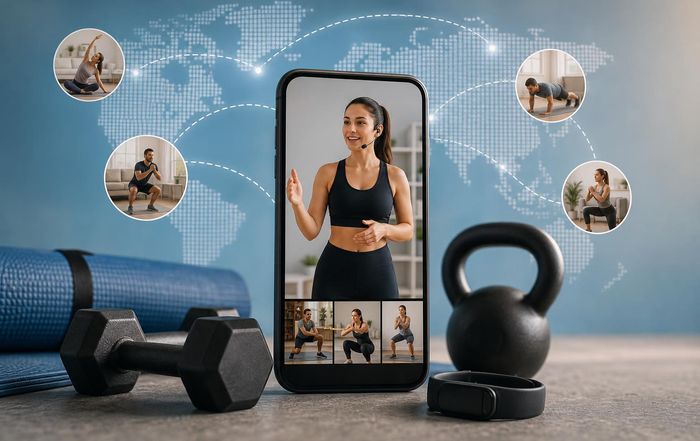
How Digital Coaching Is Expanding Fitness Access
A New Era of Fitness Access
Wow, digital coaching has moved from the periphery of the fitness industry to its center, reshaping how individuals across the world engage with movement, health, and performance. What began as an emergency response during the pandemic years has evolved into a mature ecosystem of platforms, devices, and data-driven services that allow people in New York, London, Berlin, Singapore, São Paulo, Johannesburg, and beyond to access personalized coaching that would once have been reserved for elite athletes or affluent urban professionals. For Sportsyncr and its fit and active audience, this shift is not simply a technology story; it is a fundamental reconfiguration of how sport, fitness, health, and business interact in a global, always-connected marketplace.
The convergence of high-speed connectivity, increasingly sophisticated wearables, and advances in artificial intelligence has enabled digital coaching solutions to move far beyond static workout videos or generic training plans. Today's leading platforms integrate biometric data, behavioral insights, and contextual information such as sleep, stress, and nutrition to provide adaptive, real-time guidance that can rival, and in some cases surpass, traditional in-person coaching. As new and old readers who follow developments each day across sports and performance, health and longevity, and fitness innovation know well, this evolution is transforming not only individual training outcomes but also the economics and culture of the broader sports and wellness landscape.
From Gyms to Global Platforms: The Digital Coaching Landscape
The digital coaching market in 2026 is defined by a layered ecosystem in which global technology companies, specialized fitness brands, sports organizations, and emerging startups compete and collaborate. At the consumer-facing level, platforms such as Apple Fitness+, Peloton, and Nike Training Club have become familiar names, using subscription models and content libraries to deliver structured workouts and coaching experiences across devices. At the same time, more specialized services, including WHOOP, Oura, and Garmin Connect, focus on physiological monitoring and performance analytics, offering coaching that is deeply rooted in biometric data and long-term behavioral patterns.
Industry observers tracking the sector through resources such as McKinsey's wellness insights and Deloitte's sports business reports note that this ecosystem is increasingly interconnected. Hardware manufacturers collaborate with software platforms, sportswear brands partner with data analytics providers, and professional sports leagues integrate digital coaching into fan engagement and grassroots development programs. For Sportsyncr, which sits at the intersection of sports, business, and technology, this convergence underscores the importance of understanding digital coaching not as a niche trend but as a foundational layer of the modern sports economy.
The Technology Stack Behind Modern Digital Coaching
The expansion of digital coaching access has been enabled by a robust technology stack that seamlessly combines hardware, software, and cloud infrastructure. At the hardware level, the proliferation of smartwatches, fitness trackers, connected bikes, treadmills, and home gym systems has created a dense network of data collection points. Devices from Apple, Samsung, Garmin, Fitbit (now part of Google), and Huawei routinely monitor heart rate, heart rate variability, sleep stages, oxygen saturation, and movement patterns, while more advanced equipment integrates force sensors, cameras, and motion capture capabilities.
On the software side, advances in artificial intelligence and machine learning have been crucial. Algorithms trained on large datasets of human movement and performance now detect form deviations, predict injury risk, and adjust training loads dynamically. Research institutions such as MIT and Stanford University, whose work can be explored via resources like the MIT Sports Lab and Stanford Human Performance Alliance, have contributed to the scientific foundations of these systems, while major cloud providers including Amazon Web Services, Microsoft Azure, and Google Cloud have supplied the scalable infrastructure needed to process vast volumes of data in near real time.
The result is a coaching environment in which a user in Toronto, Sydney, or Stockholm can receive an adaptive training plan that responds to their daily recovery metrics, lifestyle constraints, and long-term goals, with the system continuously learning and refining its recommendations. For readers of Sportsyncr who follow science and performance research, this integration of evidence-based protocols with real-world behavioral data represents a significant step toward genuinely personalized training at scale.
Democratizing Expertise: From Elite Coaching to Everyday Athletes
Historically, access to high-quality coaching has been constrained by geography, cost, and social networks. Elite athletes in the United States, United Kingdom, Germany, Japan, and Australia could rely on national training centers, university programs, and professional club infrastructures, while recreational athletes often had to make do with generic advice or unspecialized gym instructors. Digital coaching has disrupted this pattern by enabling the codification and distribution of elite expertise to a global audience, regardless of location or social background.
Leading sports organizations and governing bodies, including FIFA, World Athletics, and the International Olympic Committee, have increasingly embraced digital channels for education and development, making technical and tactical knowledge more widely available. Initiatives highlighted by entities such as the World Health Organization and the U.S. Centers for Disease Control and Prevention have reinforced the importance of structured physical activity for population health, supporting the case for scalable coaching solutions that can reach millions of people with consistent, evidence-based guidance.
Digital coaching platforms now embed expertise from strength and conditioning coaches, sports scientists, physiotherapists, and nutritionists into algorithms and content libraries. While this does not fully replace the nuance of a seasoned coach working one-on-one with an athlete, it dramatically raises the baseline of available knowledge for everyday users. For the Sportsyncr community, which spans dedicated runners, cyclists, and gym enthusiasts as well as fans of global sports, this democratization of expertise represents a powerful shift in how performance and wellbeing are pursued and understood.
Bridging Geographic and Socioeconomic Gaps
One of the most significant contributions of digital coaching is its ability to bridge geographic and socioeconomic gaps that have long limited participation in structured fitness and sports programs. In regions where access to high-quality gyms, coaches, or facilities is limited-whether rural areas of North America and Europe or rapidly urbanizing parts of Asia, Africa, and South America-smartphones and relatively low-cost wearables have become gateways to sophisticated training support.
Organizations focused on global development and health, including the World Bank and UNICEF, have noted in various initiatives that mobile-first solutions can scale more effectively than traditional infrastructure-heavy approaches. As smartphone penetration continues to rise in markets such as India, Brazil, Nigeria, and Indonesia, digital coaching services can reach young people who may have limited access to formal sports programs but who are deeply connected through social and digital platforms. Resources like the GSMA's mobile economy reports illustrate how this connectivity underpins a new era of inclusive digital services, including health and fitness.
For Sportsyncr, which covers world sport and society as well as social impact and inclusion, this trend raises critical questions about how digital coaching can be designed to respect cultural contexts, language diversity, and varying levels of digital literacy. It also highlights the importance of business models that do not simply replicate existing inequalities by placing the best features behind high paywalls, but instead explore tiered access, sponsorship, and public-private partnerships to expand reach.
The Business of Digital Coaching: New Models and Revenue Streams
From a business perspective, digital coaching has become one of the most dynamic segments of the broader sports and wellness economy. Traditional gym memberships and in-person personal training have given way to hybrid models in which physical and digital experiences are tightly integrated. Fitness chains in the United States, United Kingdom, Germany, and Canada have invested heavily in proprietary apps and online coaching services, while boutique studios in cities from Paris to Singapore have extended their communities globally through live-streamed classes and on-demand content.
Revenue models have diversified beyond simple subscriptions. Companies such as Peloton, Tonal, and Hydrow have combined hardware sales with recurring digital memberships, while platforms like Strava have layered premium analytics, social features, and brand partnerships onto a freemium base. Sportswear and equipment brands, including Nike, Adidas, Under Armour, and Puma, increasingly see digital coaching platforms as strategic assets for customer engagement and data collection, enabling them to refine product development and personalize marketing. Readers interested in the financial and strategic dimensions of this shift can explore analyses from sources like the Harvard Business Review and the World Economic Forum's sports and health coverage.
For Sportsyncr, whose coverage of brands and sponsorship and sports business emphasizes long-term value creation and brand authenticity, the key question is how these models align with user trust and sustainable engagement. Companies that prioritize short-term acquisition over meaningful outcomes risk eroding credibility, while those that demonstrate a clear commitment to user wellbeing, data protection, and transparent communication are better positioned to build durable communities and partnerships.
AI, Personalization, and the Ethics of Data
The rise of AI-driven digital coaching has brought personalization to an unprecedented level, but it has also introduced complex ethical and regulatory challenges. Algorithms that adjust training volume, intensity, and exercise selection based on real-time biometric data can significantly improve adherence and outcomes, yet they rely on continuous data collection and analysis that many users only partially understand. In markets such as the European Union, regulations like the General Data Protection Regulation (GDPR) and evolving AI governance frameworks have set stringent standards for consent, transparency, and data portability, while other jurisdictions, including the United States, Canada, and Japan, are refining their own approaches.
Industry leaders and policymakers increasingly look to organizations such as the OECD and the European Commission for guidance on responsible AI deployment. For digital coaching, this means ensuring that recommendation systems do not push users toward unsafe training loads, that health-related insights are clearly distinguished from medical diagnoses, and that users retain meaningful control over how their data is used and shared. It also raises questions about algorithmic bias, particularly when training datasets underrepresent certain demographics or performance levels, potentially leading to suboptimal or even harmful recommendations for users outside the dominant cohorts.
Within this context, Sportsyncr positions its coverage at the intersection of technology innovation, health outcomes, and user rights, emphasizing the importance of independent oversight, robust scientific validation, and user education. Trust, in this domain, is not a marketing slogan but a measurable outcome built through consistent transparency, responsible product design, and responsiveness to user concerns.
Integrating Health, Fitness, and Medical Insight
As digital coaching matures, the boundary between general fitness guidance and clinically informed health support is becoming more porous. Many platforms now incorporate features that monitor cardiovascular strain, detect irregular heart rhythms, or flag signs of overtraining and burnout, often leveraging guidelines from bodies such as the American College of Sports Medicine and the National Health Service in the UK. Some services have begun to integrate with telemedicine providers, allowing users to share activity and biometric data with physicians or physiotherapists for more informed consultations.
This convergence offers significant benefits, particularly for populations managing chronic conditions such as diabetes, hypertension, or obesity, where structured physical activity can play a central role in treatment plans. However, it also requires careful delineation of roles and responsibilities. Digital coaching platforms are not medical devices by default, and when they venture into clinical territory, they must navigate regulatory frameworks overseen by authorities like the U.S. Food and Drug Administration and the European Medicines Agency, as discussed in public resources such as the FDA's digital health center and the EMA's digital initiatives.
For Sportsyncr, which covers the continuum from fitness culture to elite sport and population health, this integration underscores the importance of interdisciplinary expertise. Coaches, sports scientists, physicians, psychologists, and technologists must collaborate to develop protocols that are safe, effective, and adaptable across diverse populations, while ensuring that users understand when they are receiving general wellness advice versus medically supervised guidance.
Cultural Shifts: Community, Motivation, and Identity
Digital coaching has not only changed where and how people train; it has reshaped the cultural meaning of fitness and sport in societies around the world. Community features embedded in platforms such as Strava, Zwift, and Peloton have transformed solitary activities into social experiences, with leaderboards, challenges, and virtual group sessions connecting runners in London with cyclists in Amsterdam, swimmers in Melbourne, and triathletes in Cape Town. These digital communities often serve as powerful motivational engines, reinforcing identity and habit formation through shared goals, recognition, and friendly competition.
At the same time, the constant visibility of performance metrics and social comparison can generate pressure and anxiety for some users, particularly younger demographics who are already navigating intense digital scrutiny on social media platforms. Researchers and mental health organizations, including the American Psychological Association and the Royal College of Psychiatrists in the UK, have highlighted the need for balanced engagement and mindful use of digital tools. Features such as privacy controls, flexible goal-setting, and educational content on healthy training behaviors are increasingly recognized as essential components of responsible digital coaching design.
For Sportsyncr, with its emphasis on culture, social dynamics, and the lived experience of sport, this cultural dimension is central. Digital coaching is not merely a technical solution but a lens through which people construct narratives about their bodies, aspirations, and communities. Understanding these narratives is crucial for brands, policymakers, and practitioners seeking to foster inclusive, sustainable participation in sport and physical activity.
Global Talent, Jobs, and the Future of Coaching Work
The rise of digital coaching has also transformed the labor market for coaches, trainers, and sports professionals. While some feared that AI-driven systems would displace human coaches, the reality in 2026 is more complex. Many professionals now operate hybrid practices, combining in-person sessions with digital programming, remote check-ins, and content creation for platforms that reach audiences far beyond their local markets. This has opened new revenue streams and career paths for coaches in countries ranging from the United States and United Kingdom to South Africa, Brazil, and Malaysia, while also raising the bar for digital communication and analytical skills.
Platforms that facilitate online coaching marketplaces, as well as talent networks highlighted on specialized jobs platforms, have enabled coaches to build global client bases, though competition is intense and differentiation increasingly depends on niche expertise, brand building, and the ability to interpret and apply complex data. Educational institutions and certification bodies have responded by updating curricula to include digital literacy, data analytics, and remote coaching methodologies, while federations and leagues explore how to integrate digital tools into coach education pathways.
For Sportsyncr, which pays close attention to the professionalization of sport and the evolving nature of sports-related employment, the key question is how to ensure that these new opportunities are accessible and sustainable. This includes advocating for fair compensation models on digital platforms, promoting ongoing professional development, and highlighting best practices in remote athlete support that maintain the human connection at the heart of effective coaching.
Environmental and Infrastructural Considerations
An often overlooked dimension of digital coaching's expansion is its environmental and infrastructural footprint. On one hand, the ability to train effectively at home or in local outdoor spaces can reduce the need for large-scale commuting to gyms and training centers, potentially lowering emissions associated with daily travel. On the other hand, the production and disposal of connected hardware, from smartwatches to home gym systems, contribute to electronic waste and resource consumption, while the data centers that power AI-driven coaching require significant energy.
Organizations and analysts focused on sustainability, such as the International Energy Agency and the Ellen MacArthur Foundation, have emphasized the importance of circular design principles, energy-efficient data infrastructure, and responsible consumption patterns. For digital coaching providers, this translates into designing longer-lasting devices, offering repair and upgrade services, optimizing software for energy efficiency, and transparently reporting on environmental impacts.
As Sportsyncr continues to expand its unique coverage of environmental issues in sport and the role of technology in sustainable practice, digital coaching stands out as a sector where thoughtful design can align health, performance, and planetary wellbeing. Brands that recognize this alignment and act accordingly are likely to resonate more strongly with a generation of athletes and consumers who increasingly view environmental responsibility as non-negotiable.
The Running Tracks Ahead? Trust, Integration, and Human-Centered Design
Looking toward the remainder of the decade, digital coaching is poised to become even more deeply embedded in everyday life, from workplace wellness programs in Zurich and Singapore to school sports in Los Angeles and Seoul, community health initiatives in Nairobi and Bangkok, and elite performance environments in Paris and Milan. The next phase of development will likely be characterized by greater integration across domains, with coaching platforms interfacing seamlessly with workplace systems, healthcare providers, sports federations, and entertainment ecosystems, as reflected in broader discussions about the future of sport and technology on platforms like UNESCO's sport and physical activity initiatives and global policy forums.
For Sportsyncr, which serves an active and fit audience that spans athletes, fans, executives, technologists, and policymakers across continents, the central themes that will define digital coaching's long-term impact are experience, and skill. Digital coaching has already expanded fitness access in profound ways, bringing structured, personalized guidance to people who might otherwise have remained on the margins of sport and physical activity. The challenge for industry leaders, regulators, and media platforms such as Sportsyncr is to ensure that this expansion continues in a direction that is inclusive, evidence-based, and genuinely human-centered, so that the promise of technology is realized not as an end in itself but as a powerful tool in service of healthier, more connected, and more resilient communities worldwide.