

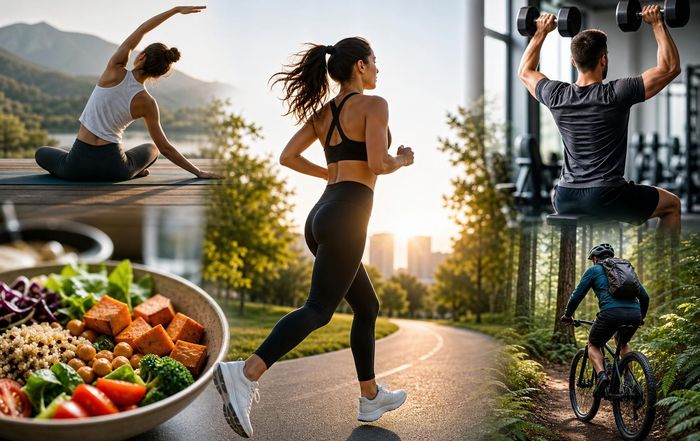
Fitness Trends That Support Long-Term Healthy Living
How 2026 Redefined "Fitness" for a Lifetime, Not a Season
The global fitness landscape has shifted decisively away from short-lived fads and aesthetics-driven quick fixes toward a more integrated, long-term vision of health, performance, and quality of life. Across major markets in North America, Europe, and Asia-Pacific, consumers, brands, and policymakers are converging on a shared understanding: sustainable fitness is no longer about chasing an idealized body image; it is about building resilient bodies, stable minds, and durable habits that can withstand the pressures of modern life, economic uncertainty, and rapid technological change.
Within this environment, Sportsyncr has positioned itself as an independent, cross-disciplinary platform dedicated to connecting sports, fitness, health, business, and culture in a way that reflects how people actually live. Rather than treating training, nutrition, recovery, work, and social identity as separate silos, the team approaches them as an interconnected ecosystem, curating insights from elite sports science, global health authorities, and emerging technologies to help readers understand how today's fitness trends can support meaningful long-term healthy living. Readers exploring broader coverage of sports performance and active lifestyles can dive deeper into the dedicated sports insights hub, which is continually updated to reflect how these trends play out in real competition and everyday recreation.
The Global Health Context Driving Sustainable Fitness
The move toward sustainable, long-term fitness in 2026 cannot be understood without the broader health context. Chronic diseases linked to inactivity, poor diet, and stress continue to burden healthcare systems worldwide. The World Health Organization estimates that insufficient physical activity remains a major risk factor for cardiovascular disease, type 2 diabetes, and certain cancers, particularly in high-income countries where sedentary work and screen-based leisure dominate daily routines. Readers can review the latest global inactivity data and recommendations directly from the World Health Organization's physical activity resources.
At the same time, the lingering aftereffects of the COVID-19 era reshaped expectations around home workouts, digital coaching, and hybrid work arrangements, which in turn changed when and how people move. The Centers for Disease Control and Prevention in the United States continues to emphasize that even modest, consistent activity offers significant health benefits, and its updated guidelines on physical activity for adults and older adults have become a reference point for fitness professionals and consumers alike across the English-speaking world.
Against this backdrop, the most resilient fitness trends in 2026 are those that align with evidence-based health guidance, integrate mental and physical well-being, and adapt to the realities of busy, digitally mediated lives. Sportsyncr's health coverage reflects this shift, highlighting research-backed approaches that are accessible to a broad audience while still resonating with high-performance athletes and serious enthusiasts.
From High-Intensity Obsession to Sustainable Training Loads
For much of the past decade, high-intensity interval training dominated fitness conversations. While HIIT remains a powerful tool for improving cardiovascular fitness and metabolic health, by 2026 there is a clear correction underway toward more balanced training programs that prioritize longevity, joint health, and recovery. Sports scientists at organizations like Harvard Medical School have helped popularize the idea that moderate-intensity continuous exercise and strength training may be more sustainable for many people than relentless high-intensity sessions, particularly for older adults, beginners, or those managing chronic conditions.
This shift is visible in gyms and studios across the United States, United Kingdom, Germany, and beyond, where class schedules now feature more low-impact strength circuits, mobility sessions, and zone 2 cardio alongside traditional HIIT offerings. In markets like Canada, Australia, and the Netherlands, outdoor walking clubs, cycling groups, and community strength classes are increasingly supported by municipal initiatives aimed at improving population health, reflecting the understanding that accessible, moderate exercise can yield large returns over time.
Within this environment, Sportsyncr emphasizes programming philosophies that blend progressive strength training, aerobic base building, and recovery. Its fitness section showcases how athletes and everyday professionals in cities from London to Singapore are building routines that they can maintain for years, not weeks, often combining gym-based work with active commuting, recreational sports, and structured rest.
Strength Training as a Non-Negotiable Pillar of Healthy Aging
One of the most decisive long-term trends in 2026 is the mainstream recognition of strength training as essential for healthy aging, not just for physique development or athletic performance. Major health organizations, including the National Institutes of Health in the United States, now highlight resistance training as critical for preserving muscle mass, bone density, and functional capacity, particularly as populations in Europe, North America, and parts of Asia continue to age.
In countries like Japan, Germany, and Italy, where demographic aging is particularly advanced, public health campaigns emphasize that twice-weekly strength training can significantly reduce fall risk, improve metabolic health, and support independence in older adults. Similarly, in Nordic nations such as Sweden, Norway, Finland, and Denmark, community-based strength programs for older citizens are increasingly integrated into municipal health services and social clubs, blending physical training with social connection.
The business side of fitness has adapted as well. Global gym chains and boutique studios have reoriented their marketing away from purely aesthetic messaging toward function and longevity, while equipment manufacturers focus on accessible resistance tools such as adjustable dumbbells, cable systems, and smart home strength devices. Sportsyncr's business coverage has documented how brands that align themselves with long-term health outcomes, rather than short-term transformations, are building deeper trust and more resilient revenue streams across markets from the United States to South Korea.
The Quiet Rise of Everyday Movement and NEAT
Beyond formal workouts, another critical trend supporting long-term health in 2026 is the renewed focus on non-exercise activity thermogenesis, commonly referred to as NEAT. As remote and hybrid work arrangements persist in the United States, United Kingdom, Canada, and across Europe, awareness has grown that prolonged sitting undermines the benefits of even well-structured gym sessions. Research summarized by institutions like Mayo Clinic underscores that regular light movement throughout the day can significantly improve metabolic health markers, independent of structured exercise.
In response, companies and governments in regions such as Singapore, the Netherlands, and Australia are investing in walkable urban design, cycling infrastructure, and workplace wellness initiatives that encourage standing meetings, walking breaks, and active commuting. Wearable technology from firms like Apple, Garmin, and Samsung now prompts users with nudges to break up sedentary time, and many employers integrate these metrics into voluntary wellness programs.
On Sportsyncr, the emphasis on everyday movement is reflected across sections that examine not only training but also culture and lifestyle, highlighting how city design, workplace norms, and digital habits shape the feasibility of active living. In South Africa, Brazil, and Thailand, for example, active commuting and informal sports continue to play a large role in daily movement, illustrating that sustainable fitness is as much about social and environmental context as it is about individual discipline.
Integrated Mental Health, Recovery, and Stress Management
By 2026, the artificial separation between physical fitness and mental health has eroded. Organizations such as the American Psychological Association and NHS in the United Kingdom have repeatedly documented that regular physical activity can reduce symptoms of depression and anxiety, improve sleep quality, and enhance cognitive function. Their public resources on exercise and mental health and moving more for mental wellbeing have influenced not only clinical practice but also the design of fitness programs worldwide.
This has led to the rise of fitness offerings that integrate breathwork, mindfulness, and structured recovery into training plans. In markets such as the United States, Canada, and the United Kingdom, it is increasingly common for strength programs to include guided relaxation sessions, sleep education, and stress management modules. In Asia, particularly in countries like Japan, South Korea, and Singapore, traditional practices such as yoga, tai chi, and qigong are being reinterpreted through a modern sports science lens, blending centuries-old wisdom with contemporary research on nervous system regulation.
Sportsyncr has responded by covering not only workout modalities but also the science of sleep, recovery, and psychological resilience, recognizing that sustainable fitness depends on recovery as much as on training stimulus. Readers interested in the broader social dimensions of mental health and movement can explore the platform's social insights, which examine how communities, families, and workplaces collectively shape the mental health impact of physical activity.
Technology, Data, and the Rise of Precision Fitness
Technology has been both a driver and an enabler of long-term fitness trends. In 2026, wearables, smart home equipment, and AI-driven coaching platforms are no longer niche tools for early adopters but mainstream components of everyday fitness routines across the United States, Europe, and parts of Asia. Devices from companies such as Fitbit, Oura, and Whoop provide continuous data on heart rate variability, sleep stages, and training load, allowing users to adjust intensity based on recovery metrics rather than guesswork. For an in-depth look at how consumer wearables are evolving, readers can review analyses from sources like MIT Technology Review.
Simultaneously, major health systems and academic institutions, including Cleveland Clinic and Stanford Medicine, are exploring how personalized exercise prescriptions informed by genetics, biometrics, and medical history can improve outcomes for patients with chronic conditions. Their work, discussed in resources such as Cleveland Clinic's overview of exercise and heart health, points toward a future where exercise is prescribed and monitored with the same rigor as medication.
This technological transformation is not just a gadget story; it is a fundamental shift in how people engage with their own health data, how trainers and clinicians collaborate, and how sports and fitness businesses differentiate themselves. The platform's technology section follows this evolution closely, examining both the opportunities and the ethical questions that arise when personal health data becomes central to everyday training decisions.
The Business of Fitness: Trust, Transparency, and Brand Responsibility
The fitness industry's business models have undergone substantial scrutiny in the past several years. Consumers in markets from the United States and United Kingdom to Germany, France, and Singapore have become more skeptical of exaggerated marketing claims, restrictive diets, and unsustainable "challenge" programs that promise rapid transformation but deliver burnout and injury. Regulatory agencies and consumer protection groups in Europe and North America have increased oversight of misleading health claims, while social media platforms face pressure to curb harmful body image content.
In this environment, brands that emphasize evidence-based practices, inclusive messaging, and long-term relationships rather than quick sales are gaining ground. Companies that partner with reputable health institutions, publish transparent methodologies, and invest in coach education are better positioned to earn consumer trust. Industry analysis from organizations like McKinsey & Company, which regularly publishes insights on the global wellness market, suggests that consumers increasingly reward brands that align with their values around sustainability, mental health, and authenticity.
Sportsyncr plays a distinct role here by covering not only the consumer-facing aspects of fitness but also the underlying business strategies, sponsorship dynamics, and brand positioning that shape what ends up in front of the public. Its brands section and sponsorship coverage explore how sports organizations, apparel companies, and digital platforms navigate the tension between performance marketing and long-term health outcomes, offering readers a clearer view of who is truly committed to sustainable fitness and who is simply adopting the language.
Cultural Shifts: Inclusivity, Accessibility, and Global Perspectives
Cultural attitudes toward fitness have evolved significantly by 2026, with inclusivity and accessibility now central themes across continents. In the United States, United Kingdom, and Canada, there is growing recognition that traditional gym culture has often excluded older adults, people with disabilities, and those from marginalized communities. Advocacy groups and public health organizations, including Public Health England (now part of the UK Health Security Agency and Office for Health Improvement and Disparities), have emphasized the importance of inclusive physical activity initiatives that address socioeconomic and cultural barriers.
In Europe, cities such as Amsterdam, Copenhagen, and Zurich continue to lead in designing environments where cycling, walking, and recreational sports are normalized across age groups and income levels. In Asia, from Singapore to South Korea and Japan, governments are leveraging national campaigns and school-based programs to embed physical literacy and lifelong activity habits from an early age. In Africa and South America, including countries like South Africa and Brazil, community sports programs and informal leagues play a vital role in promoting physical activity despite resource constraints, often supported by NGOs and international development agencies.
Sportsyncr's global orientation allows it to highlight best practices and emerging models from multiple regions, helping readers in one market learn from innovations in another. Its world section and news coverage regularly feature stories that bridge continents, from football academies in Europe that integrate academic and mental health support, to urban running collectives in Asia that blend social activism with community fitness, illustrating that long-term healthy living is both a personal and a cultural project.
Careers and the Evolving Fitness Workforce
The professional landscape around fitness has also matured. In 2026, there is increasing demand for well-educated trainers, physiotherapists, sports scientists, and health coaches who can integrate knowledge from exercise science, nutrition, psychology, and technology. Universities in the United States, United Kingdom, Australia, and Europe have expanded degree programs in sports science, kinesiology, and health coaching, while professional bodies push for higher certification standards and ongoing education.
Digital platforms and remote coaching models have created new career paths, enabling professionals in countries like India, Malaysia, and the Philippines to serve clients worldwide. At the same time, automation and AI-driven coaching tools are reshaping the role of human coaches, shifting their focus from delivering generic programs to providing nuanced guidance, accountability, and emotional support. Industry observers at outlets such as Forbes have explored how the future of work in wellness and fitness intersects with broader shifts in the global labor market.
Online, the jobs section tracks these developments, highlighting opportunities and challenges for professionals seeking to build sustainable careers in a field that increasingly values interdisciplinary expertise and evidence-based practice. For readers considering a transition into the fitness or sports sector, this coverage offers a realistic view of the skills and mindsets needed to thrive in an industry that is undergoing rapid professionalization.
Environmental and Social Responsibility in Active Living
Another dimension of long-term healthy living in 2026 is the growing awareness that individual health is intertwined with environmental and social health. Outdoor sports and active commuting depend on clean air, safe streets, and stable climates, while the production of fitness apparel and equipment has significant environmental footprints. Reports from organizations such as the United Nations Environment Programme highlight the need for more sustainable consumer goods and urban planning to support both planetary and human health.
In response, sportswear brands, event organizers, and gym operators are under pressure to reduce waste, improve supply chain transparency, and design facilities that minimize energy use. Major marathons and cycling events in cities like Berlin, New York, and Tokyo increasingly emphasize sustainability in their logistics, from reducing single-use plastics to encouraging low-carbon travel for participants. Meanwhile, grassroots initiatives around the world combine environmental stewardship with physical activity, such as plogging (jogging while picking up litter) and community clean-up runs.
Sportsyncr's environment coverage examines how these environmental considerations intersect with sports and fitness, arguing that long-term healthy living cannot be separated from the health of the spaces in which people move. This perspective resonates strongly with readers in regions such as Europe, Scandinavia, and New Zealand, where outdoor recreation is central to cultural identity and where climate change is already reshaping seasonal sports patterns.
The Role of Trusted Platforms in Navigating the Future of Fitness
As the volume of information on fitness, health, and performance continues to grow, the need for trusted, independent platforms becomes more urgent. Misinformation about training methods, supplements, and health risks spreads rapidly through social media, often amplified by influencers with little scientific grounding. At the same time, high-quality resources from institutions like Johns Hopkins Medicine, which provides accessible explanations of exercise and cardiovascular health, can be overlooked in the noise.
In this environment, Sportsyncr positions itself not as another voice in the marketing echo chamber but as a curator and translator of credible knowledge, bridging sports performance, public health, business strategy, and cultural analysis. By integrating perspectives from elite athletes, medical professionals, technologists, and community organizers, the platform aims to help readers make informed decisions that support not only their next season but the next several decades of their lives.
Fans who wish to explore this ecosystem more broadly can navigate through the platform's interconnected sections, from sports and fitness to health, business, culture, and beyond via the Sportsyncr homepage. This integrated structure reflects the central thesis that sustainable fitness is not a standalone hobby but a lens through which to understand work, community, technology, and the broader world.
Building a Lifetime Framework for Movement
The most enduring fitness trends are those that help individuals and societies construct a realistic, adaptable framework for lifelong movement. This framework rests on several pillars: evidence-based training that balances intensity with recovery; strength work that supports healthy aging; everyday movement that counters sedentary routines; mental health integration that recognizes the bidirectional relationship between mood and movement; technology that offers personalization without overwhelming; business practices grounded in transparency and ethics; and cultural and environmental contexts that make active living both possible and appealing.
For readers across the globe, the challenge and opportunity are the same: to translate these trends into daily decisions that accumulate into lasting change. Whether through joining a local sports club, integrating short walking breaks into a remote workday, investing in strength training, or advocating for safer, more active cities, the path to long-term healthy living is built incrementally.
In an era defined by rapid technological change, uncertain economic conditions, and shifting global health realities, the commitment to sustainable fitness becomes both an individual resilience strategy and a collective investment in healthier societies. Platforms like Sportsyncr will continue to play a vital role in guiding that journey, offering readers the insight, context, and trusted analysis they need to navigate an increasingly complex fitness landscape with clarity and confidence.