

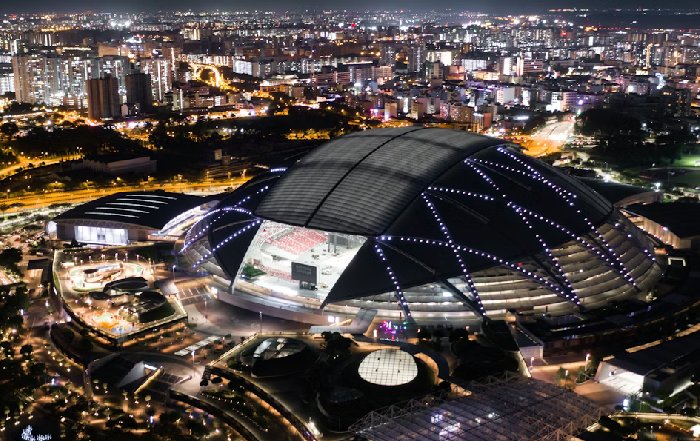
Architectural Wonders of Modern Sustainable Stadiums
The New Era of Stadium Design
By 2026, the global stadium landscape has entered a decisive new phase in which architectural ambition is inseparable from environmental responsibility, technological sophistication, and community impact. Around the world, from the United States and United Kingdom to Germany, Japan, South Africa, and Brazil, the most celebrated arenas are no longer judged solely by capacity or spectacle, but by how intelligently they use energy, how sensitively they integrate into urban fabric, and how effectively they serve as catalysts for healthier, more active societies. For a platform like Sportsyncr, which sits at the intersection of sport, business, culture, technology, and sustainability, modern stadiums have become emblematic of the wider transformation reshaping the sports industry and its global value chain.
This evolution has been driven by converging pressures and opportunities: tightening environmental regulations, rising energy costs, changing fan expectations, and the growing influence of institutional investors who increasingly prioritize environmental, social, and governance criteria. As leading organizations such as FIFA, UEFA, and the International Olympic Committee embed sustainability into bidding requirements and legacy planning, forward-thinking clubs, leagues, and cities have turned to architects and engineers to reimagine what a stadium can be. Today's most advanced venues are conceived not as isolated cathedrals of sport, but as mixed-use, low-carbon ecosystems that operate year-round, support local jobs, and align with global climate goals such as those set out in the Paris Agreement.
Within this context, Sportsyncr has increasingly focused on how stadium design intersects with sports industry trends, health and wellness, fan culture, and the business models of clubs and brands. The architectural wonders of modern sustainable stadiums are not simply impressive case studies; they are strategic assets that define competitive advantage in a rapidly changing market.
Defining Sustainability in the Stadium Context
Sustainability in stadium architecture has moved far beyond symbolic gestures such as a few solar panels on the roof or recycling bins on the concourse. In 2026, leading projects are guided by comprehensive frameworks that consider the full life cycle of a venue, from material sourcing and construction impacts to operations, mobility patterns, and eventual refurbishment or decommissioning. Organizations such as the U.S. Green Building Council, through programs like LEED certification, and BREEAM in Europe have provided widely recognized benchmarks, while sport-specific tools developed by bodies like the Global Reporting Initiative and the UN Sports for Climate Action Framework have encouraged more robust disclosure and accountability.
Modern sustainable stadiums are designed to minimize carbon emissions, reduce water consumption, and optimize energy efficiency, often integrating on-site renewable generation, advanced building management systems, and passive design strategies that leverage local climate conditions. In leading projects across Europe and Asia, architects increasingly employ parametric modeling and digital twins to simulate airflow, daylight, and crowd movement, enabling more precise decisions about façade geometry, shading systems, and natural ventilation. At the same time, sustainability now encompasses social and economic dimensions, including accessibility, community programming, and alignment with healthy living and fitness initiatives that extend far beyond matchday.
The most sophisticated stadium clients, from Premier League clubs in the United Kingdom to franchise owners in North American leagues such as the NFL and NBA, are also embedding circular economy principles into procurement and operations. This includes specifying low-carbon concrete, recycled steel, and bio-based materials, as well as designing modular seating and demountable structures that can adapt over time. As global supply chains face increasing scrutiny, architects and developers are turning to resources such as the Ellen MacArthur Foundation to learn more about circular construction and long-term asset resilience.
Global Flagships: Case Studies of Sustainable Stadium Excellence
Across continents, a new canon of sustainable stadiums has emerged, each reflecting local cultural identity and environmental priorities while contributing to a shared global conversation about innovation and responsibility. In Germany, where energy transition policies have long shaped urban development, venues like Allianz Arena and Volksparkstadion have progressively upgraded their infrastructure with LED lighting, enhanced insulation, and renewable energy procurement, aligning with national climate goals and the broader European Green Deal. In the United Kingdom, Tottenham Hotspur Stadium and Emirates Stadium have become reference points not only for design and fan experience, but also for integrated transport planning and community engagement.
North America has seen a wave of high-profile projects in the United States and Canada, where stadiums such as SoFi Stadium in Los Angeles and Climate Pledge Arena in Seattle have set new standards for water stewardship, low-carbon operations, and advanced digital infrastructure. These venues have been closely followed by investors and sponsors, who see them as tangible expressions of corporate climate commitments and as platforms for innovation in areas ranging from smart ticketing to personalized nutrition and elite performance training. In Asia, countries such as Japan, South Korea, and Singapore have leveraged major events and urban development programs to deliver stadiums that combine cutting-edge engineering with biophilic design, advanced mobility solutions, and high levels of seismic and climate resilience, often drawing on guidance from the World Green Building Council.
In Africa and South America, sustainable stadium initiatives increasingly focus on resource efficiency, climate adaptation, and community integration. Projects in South Africa, Brazil, and Chile have prioritized shading, natural ventilation, and water harvesting to cope with hotter, drier conditions and growing urban populations. Local authorities and international partners often collaborate to ensure that new venues support broader social objectives, including youth development, public health, and inclusive access to sport, aligning with global frameworks such as the UN Sustainable Development Goals. For Sportsyncr, these diverse case studies underscore how regional context shapes design, yet also reveal a convergence toward shared principles of resilience, inclusivity, and environmental stewardship.
Energy, Climate, and the Net-Zero Stadium
Energy use and associated emissions remain central to the sustainability profile of any stadium, particularly as global sport grapples with its contribution to climate change and seeks to align with net-zero trajectories. Stadiums are energy-intensive by nature, requiring significant power for lighting, broadcasting, catering, security, and increasingly sophisticated digital services. However, the most advanced venues are demonstrating that with intelligent design and operations, it is possible to dramatically reduce consumption and, in some cases, approach net-zero operational emissions.
Architects and engineers now routinely integrate high-performance building envelopes, efficient HVAC systems, and LED lighting, complemented by smart controls that adjust settings based on occupancy, weather, and real-time energy prices. Many stadiums in Europe, North America, and Asia have installed rooftop solar arrays or partnered with nearby renewable energy projects, using power purchase agreements to secure long-term, low-carbon electricity. Clubs and operators are also exploring energy storage solutions, including battery systems and, in some pioneering cases, green hydrogen, to manage peak loads and provide backup power during major events. Organizations such as the International Energy Agency offer valuable insight into global clean energy trends, helping stadium developers benchmark their strategies against broader market shifts.
With climate risks intensifying, stadium design now must account for extreme heat, heavy rainfall, and rising sea levels, particularly in coastal cities and regions already vulnerable to climate-related disruptions. This has led to elevated structures, flood-resilient landscaping, and adaptive shading systems that protect spectators while minimizing mechanical cooling. In hot climates across the Middle East, Southeast Asia, and parts of the United States, engineers are experimenting with hybrid ventilation models that combine natural airflow with targeted cooling, supported by computational fluid dynamics modeling and guidance from bodies such as the American Society of Heating, Refrigerating and Air-Conditioning Engineers. For stakeholders following Sportsyncr's coverage of technology and innovation in sport, these developments represent a critical frontier where engineering performance and environmental responsibility intersect.
Fan Experience, Health, and Wellbeing in Sustainable Arenas
The shift toward sustainable stadiums is closely linked to evolving expectations around fan experience, health, and wellbeing. In major markets such as the United States, United Kingdom, Germany, and Australia, spectators increasingly seek venues that are not only comfortable and connected, but also aligned with their values concerning environmental and social responsibility. Sustainable stadiums respond by prioritizing air quality, natural light, acoustics, and ergonomic seating, while offering healthier food and beverage options, active transport infrastructure, and inclusive design for people of all ages and abilities.
Public health organizations and research institutions, including the World Health Organization, have highlighted the importance of healthy urban environments that encourage physical activity and reduce exposure to pollution. Modern stadiums contribute by integrating walking and cycling routes, secure bike parking, and connections to public transit, thereby reducing car dependency and associated emissions. Some venues in Scandinavia, the Netherlands, and Singapore have gone further by embedding fitness trails, outdoor gyms, and community sports facilities into their precincts, turning matchday destinations into everyday wellness hubs that support active lifestyles and fitness cultures.
The interior design of sustainable stadiums also reflects a deeper focus on mental wellbeing and social connection. Biophilic elements such as green walls, landscaped plazas, and views of surrounding nature are increasingly common, supported by evidence from organizations like Harvard T.H. Chan School of Public Health, which explores how healthy buildings impact human performance. At the same time, digital technologies are used to streamline entry, reduce queuing, and personalize services, all while minimizing physical waste through mobile ticketing and cashless payments. For Sportsyncr's audience, which spans traditional sports fans, fitness enthusiasts, and wellness-focused consumers, these trends underline how stadium design is converging with broader shifts in health-conscious lifestyles and experiential entertainment.
Cultural Identity, Community Legacy, and Urban Regeneration
Sustainable stadiums are not only technical achievements; they are cultural landmarks that reflect and shape the identities of cities and communities. In Europe, iconic venues in London, Paris, Munich, and Barcelona have become central to urban narratives, symbolizing both local pride and global reach. Architects and planners increasingly recognize that for a stadium to be truly sustainable, it must be woven into the everyday life of its surroundings, offering public spaces, cultural programming, and economic opportunities that endure long after major tournaments or marquee fixtures.
Urban regeneration projects linked to stadium developments often combine mixed-use real estate, public transport upgrades, and environmental improvements such as new parks and restored waterways. Institutions like UN-Habitat provide valuable guidance on sustainable urban development, emphasizing the need to avoid displacement, ensure inclusive access, and preserve cultural heritage. In cities from Manchester and Milan to Johannesburg and Rio de Janeiro, stadium-led regeneration has been both celebrated and contested, highlighting the importance of transparent governance, robust community consultation, and long-term social impact monitoring.
For a platform like Sportsyncr, which explores the intersection of culture, sport, and society, the most compelling stadium stories are those where design decisions reflect local narratives, whether through materials, art, or programming. Stadiums in Scandinavia and Japan, for example, often draw on vernacular architecture and landscape traditions, while new projects in Africa and South America may incorporate local craft, music, and food into their public realms. These cultural dimensions reinforce a sense of place and belonging, helping venues function not just as event sites but as anchors of community identity and social cohesion.
Business Models, Sponsorship, and Brand Strategy
From a business perspective, sustainable stadiums are increasingly recognized as strategic assets that influence revenue diversification, sponsorship value, and long-term risk management. Investors and corporate partners across North America, Europe, and Asia-Pacific are under growing pressure from regulators and shareholders to demonstrate credible climate strategies, and stadium partnerships offer a highly visible platform to showcase innovation and commitment. Global brands such as Nike, Adidas, Coca-Cola, and Visa have aligned with sports properties that emphasize sustainability, often using major events to highlight initiatives in circular fashion, low-carbon logistics, or plant-based nutrition, as tracked by organizations like the World Business Council for Sustainable Development.
Stadium operators and clubs have responded by integrating sustainability narratives into naming rights deals, hospitality offerings, and fan engagement campaigns. Partnerships with technology providers, energy companies, and mobility platforms are increasingly framed around decarbonization, smart city integration, and digital fan services, creating new revenue streams while reinforcing brand positioning. For stakeholders following Sportsyncr's coverage of sports business and sponsorship, these developments illustrate how sustainability has moved from a cost center to a driver of commercial differentiation and resilience.
At the same time, sustainable stadiums can unlock operational efficiencies that improve the bottom line. Reduced energy and water consumption, optimized maintenance, and flexible space utilization all contribute to lower operating costs and higher asset productivity. Multi-use design enables venues to host concerts, esports tournaments, conferences, and community events, aligning with Sportsyncr's interest in gaming and entertainment ecosystems. As digital platforms and data analytics mature, operators can better understand fan behavior, tailor services, and measure the impact of sustainability initiatives, further strengthening the business case for continued investment.
Technology, Data, and the Smart Sustainable Stadium
Technological innovation is the connective tissue that links sustainability, fan experience, and business performance in modern stadiums. The rise of the Internet of Things, edge computing, and artificial intelligence has enabled real-time monitoring and optimization of building systems, crowd flows, and environmental conditions. Sensors embedded throughout the structure track temperature, air quality, occupancy, and equipment performance, feeding into integrated platforms that adjust lighting, ventilation, and security in response to changing conditions. Industry leaders look to organizations such as the IEEE and ISO for standards and best practices in smart infrastructure, ensuring interoperability and cybersecurity.
Digital twins-virtual replicas of physical assets-allow operators to simulate different scenarios, from energy management to emergency evacuation, and to test design changes before they are implemented in the real world. This approach has been adopted in advanced projects in the United States, Germany, and Singapore, where stadiums are often part of larger smart city initiatives. For fans, these technologies translate into more seamless journeys, from dynamic wayfinding and personalized notifications to frictionless payments and augmented reality experiences that layer statistics, replays, and storytelling over the live action. The convergence of sport, technology, and media aligns closely with Sportsyncr's focus on innovation across the sports ecosystem, highlighting new opportunities for content, engagement, and data-driven services.
Cybersecurity and data privacy have become critical considerations as stadiums collect and process increasing volumes of personal and operational data. Operators must comply with regulations such as the EU's General Data Protection Regulation and emerging frameworks in markets like Brazil, South Africa, and Singapore, while also protecting critical infrastructure from cyber threats. Guidance from organizations such as the National Institute of Standards and Technology helps stakeholders manage cybersecurity risk, reinforcing the broader theme that trust is foundational to the success of any smart sustainable stadium.
Jobs, Skills, and the Evolving Workforce
The transition to sustainable stadiums has profound implications for employment, skills development, and the broader labor market in construction, operations, and event management. Designing and delivering these complex projects requires multidisciplinary teams that combine architectural creativity with expertise in environmental engineering, digital systems, and stakeholder engagement. As green building standards and smart technologies proliferate, demand has grown for professionals skilled in energy modeling, life-cycle assessment, data analytics, and sustainable procurement, creating new career pathways across Europe, North America, Asia, and beyond.
Training and certification programs offered by organizations such as RICS, CIBSE, and the Chartered Institute of Building are increasingly aligned with green competencies, while universities and technical colleges worldwide expand curricula in sustainable design and sports facility management. For readers tracking employment trends through Sportsyncr's jobs and careers coverage, the stadium sector illustrates how climate transition and digital transformation can generate high-quality jobs, from site engineers and BIM specialists to sustainability managers and community liaison officers.
Operations staff also require upskilling to manage advanced building management systems, renewable energy assets, and data-driven fan services. Event-day roles now intersect with digital platforms, mobile applications, and customer analytics, while maintenance teams must understand the performance characteristics of new materials and smart equipment. As stadiums operate more intensively year-round, workforce planning and wellbeing become critical, with progressive operators adopting flexible scheduling, training programs, and diversity initiatives that reflect broader social expectations and labor regulations in markets from the United Kingdom and Germany to Japan and Australia.
The Road Ahead: From Flagship Projects to Global Standard
Looking forward to the remainder of the 2020s and into the 2030s, the architectural wonders of modern sustainable stadiums are likely to move from pioneering exemplars to mainstream expectations. Regulatory frameworks, investor pressure, and fan preferences are converging to make unsustainable venues increasingly uncompetitive, both financially and reputationally. Emerging markets in Asia, Africa, and South America, where urbanization is rapid and climate risks acute, will play a decisive role in shaping the next generation of stadiums, potentially leapfrogging older models with more adaptive, resource-efficient designs.
Advances in materials science, such as low-carbon cement, engineered timber, and bio-based composites, will enable lighter, more flexible structures that store carbon and reduce embodied emissions. Research institutions and organizations like MIT and Fraunhofer are already exploring innovative construction materials that could transform large-scale venues, while digital fabrication and modular construction promise faster, less wasteful delivery. At the same time, climate adaptation will move to the forefront, with stadiums designed to serve as community resilience hubs during heatwaves, storms, or power outages, providing shelter, cooling, and emergency services in coordination with local authorities and organizations such as the Red Cross.
For Sportsyncr, the ongoing evolution of stadium architecture offers a rich lens through which to connect sports, business, environment, and society on a global scale. Coverage that spans North America, Europe, Asia, Africa, and South America will continue to highlight how different regions interpret sustainability, how clubs and brands leverage stadiums as strategic platforms, and how fans, athletes, and local communities experience these spaces in their daily lives. As stakeholders seek to learn more about global sports business dynamics, science and performance innovation, or the broader social impact of sport, sustainable stadiums will remain central to the narrative.
Ultimately, the architectural wonders of modern sustainable stadiums demonstrate that it is possible to combine spectacle with responsibility, economic value with environmental stewardship, and local identity with global ambition. By embracing integrated design, transparent governance, and continuous innovation, the sports industry can ensure that its most visible monuments are also among its most meaningful contributions to a low-carbon, inclusive, and resilient future.