

Building a Career in Esports Management in 2026
The New Professional Frontier of Competitive Gaming
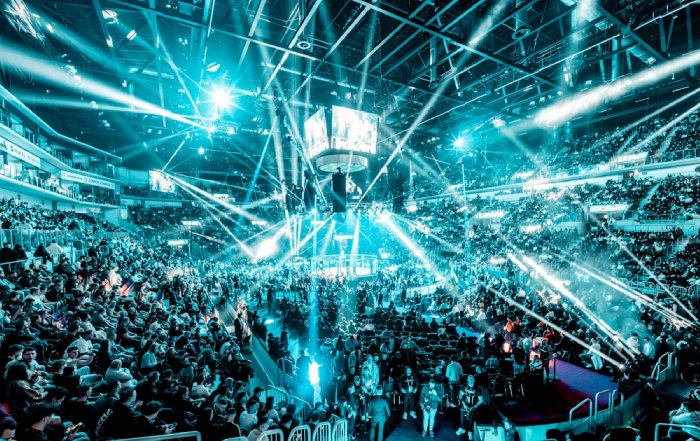
By 2026, esports has evolved from a niche pastime into a global entertainment and business powerhouse, with professional leagues, multimillion-dollar sponsorships, and sophisticated media ecosystems spanning North America, Europe, Asia, Africa, and South America. Competitive gaming now rivals traditional sports in viewership, revenue, and cultural impact, with major tournaments filling arenas from Los Angeles to Seoul and drawing digital audiences that exceed those of many established sporting events. For a platform like Sportsyncr, which sits at the intersection of sports, business, culture, and technology, esports management represents one of the most dynamic and strategically important career frontiers of the decade.
The expansion of esports has been underpinned by the rapid growth of live-streaming platforms, the maturation of game publishers as league operators, and the increasing professionalization of teams and players. Organizations such as Riot Games, Valve, Activision Blizzard, and Tencent have built complex competitive ecosystems around titles like League of Legends, Dota 2, Counter-Strike 2, and Valorant, while traditional sports franchises and global brands have invested heavily in esports properties. Those seeking to understand the broader sports business context can explore how esports sits alongside other disciplines on Sportsyncr's sports hub, where the convergence between traditional and digital competition is becoming increasingly visible.
Against this backdrop, esports management has emerged as a multidisciplinary profession requiring expertise in operations, marketing, player development, sponsorship, media rights, and data analytics. It is no longer sufficient to be a passionate gamer; the modern esports manager must operate with the same rigor, strategic thinking, and ethical standards expected in leading global sports and entertainment organizations.
Defining Esports Management in 2026
Esports management can be understood as the coordination, administration, and strategic development of competitive gaming assets, including teams, leagues, tournaments, player rosters, content platforms, and commercial partnerships. It is a field that integrates elements of sports management, digital media, technology, and brand strategy, and it spans roles in organizations as diverse as professional teams, tournament operators, publishers, agencies, and sponsors.
At the team level, managers oversee roster building, contract negotiations, training schedules, performance analytics, and player welfare, often working closely with coaches, analysts, sports psychologists, and medical professionals. At the league and event level, management professionals design competition formats, manage venue logistics, coordinate broadcasting and production, and liaise with sponsors, regulators, and media. Those interested in the broader health and performance dimensions of esports can deepen their understanding through resources such as Sportsyncr's health section, which increasingly covers topics like digital ergonomics, mental health, and the physiological demands of professional gaming.
Esports management also extends into areas traditionally associated with entertainment and media. Content directors, social media managers, and community leads craft narratives around teams and players, build fan engagement, and manage cross-platform storytelling. Commercial and sponsorship managers negotiate deals with global brands in technology, apparel, finance, automotive, and consumer goods, while legal and compliance specialists navigate intellectual property, player contracts, image rights, and emerging regulations around gambling and integrity. Those seeking a broader perspective on how these trends intersect with sport, culture, and technology can explore Sportsyncr's business coverage, where esports is increasingly treated as a core pillar of the modern sports economy.
Market Growth and Global Opportunity
The rapid professionalization of esports is supported by robust data and market forecasts. Organizations such as Newzoo and Statista have documented steady increases in global esports revenues, viewership, and sponsorship investment over the past decade, with projections in 2026 indicating continued growth across media rights, digital goods, and live events. Interested readers can review broader industry metrics and trends through platforms like Newzoo's games and esports analytics or global data providers such as Statista's esports industry overview, which detail how revenues are distributed across regions and verticals.
The regional distribution of esports growth is particularly relevant for career planning. North America and Europe remain critical markets, with significant infrastructure, corporate investment, and mature fan bases in the United States, United Kingdom, Germany, France, Spain, Italy, the Netherlands, Switzerland, and the Nordic countries. Asia, led by China, South Korea, Japan, Singapore, and Thailand, continues to be a powerhouse in both player performance and audience size, with deeply embedded gaming cultures and advanced digital infrastructure. Emerging markets in South America, Africa, and the Middle East are also gaining momentum, supported by improvements in broadband connectivity and mobile penetration, as well as government and private-sector initiatives to position esports as a driver of digital skills and youth employment.
The global nature of esports means that management careers often involve cross-border operations, multicultural collaboration, and familiarity with region-specific regulations, languages, and consumer behaviors. Professionals who understand how esports intersects with broader world events and digital culture will find valuable context in Sportsyncr's world coverage, where geopolitical, economic, and social developments are increasingly analyzed through the lens of sports and gaming.
Core Competencies for Esports Management Professionals
Building a sustainable career in esports management requires a combination of technical knowledge, business acumen, soft skills, and ethical awareness. While individual roles vary, several core competencies have emerged as particularly important in 2026.
First, business and financial literacy are essential. Esports managers must understand budgeting, revenue forecasting, sponsorship valuation, media rights structures, and return-on-investment analysis. The ability to read financial statements, build commercial models, and communicate value to non-gaming executives is a critical differentiator, especially as more traditional corporations and institutional investors enter the space. Those seeking foundational business insights can explore broader frameworks and case studies through resources such as Harvard Business Review's strategy and sports business content or McKinsey & Company's perspectives on sports and media.
Second, digital and data fluency are no longer optional. Esports is inherently data-rich, from in-game performance metrics and player biometrics to audience analytics and social media engagement. Managers must be comfortable working with dashboards, interpreting key performance indicators, and collaborating with analysts and data scientists to inform decision-making. Learning to use tools like customer relationship management platforms, marketing automation systems, and advanced analytics solutions can significantly enhance one's effectiveness. Those seeking to strengthen their understanding of the technological underpinnings of esports can reference Sportsyncr's technology section, where coverage spans AI, streaming infrastructure, and emerging digital platforms.
Third, leadership and communication skills are crucial. Esports teams and organizations are often young, globally distributed, and culturally diverse, requiring managers who can build trust, mediate conflicts, and foster collaboration across time zones and backgrounds. Clear communication with players, coaches, sponsors, and media partners is essential, as is the ability to represent an organization's values and vision in public forums. Resources such as the International Esports Federation (IESF) and its affiliated national bodies, accessible via IESF's official site, offer guidance on governance, integrity, and best practices for leadership in esports.
Finally, ethical judgment and a commitment to player welfare are increasingly central to the role. Issues such as burnout, mental health, gambling, match-fixing, harassment, and data privacy require managers who can design robust policies, create safe environments, and work with external experts when necessary. Those interested in the intersection of performance, health, and ethics in sport can find relevant analysis on Sportsyncr's fitness hub, where the parallels between traditional athlete management and esports player care are becoming more evident.
Education, Training, and Professional Pathways
The educational landscape for esports management has matured considerably by 2026. Universities in the United States, United Kingdom, Germany, Canada, Australia, France, and across Asia now offer specialized degrees in esports business, digital sports management, and game industry studies. Institutions such as Staffordshire University, University of Chichester, and Harrisburg University were early movers in this space, while many business schools have integrated esports case studies into broader sports management and marketing programs. Prospective students can explore comparative program offerings and labor market trends through resources such as QS Top Universities' sports-related rankings or Times Higher Education's subject rankings.
Beyond formal degrees, short courses, certifications, and online learning platforms have become important entry points. Organizations like Coursera, edX, and Udemy host modules on sports management, digital marketing, data analytics, and gaming industry fundamentals, while professional associations and conference organizers offer workshops on topics such as sponsorship sales, event operations, and player representation. Industry events such as Esports Insider conferences and Gamescom business forums, which can be explored via Esports Insider's event listings or Gamescom's official site, provide opportunities for networking, learning, and exposure to best practices.
For those already active in related fields-traditional sports management, entertainment, media production, marketing, or technology-transitioning into esports often involves building domain-specific knowledge while leveraging transferable skills. Understanding game-specific ecosystems, publisher policies, and community norms is essential, as is staying current with developments in streaming platforms such as Twitch, YouTube Gaming, and Kick, whose evolving monetization models shape the economics of teams and content creators.
As the industry grows, new job categories continue to emerge, ranging from competitive operations and league governance to influencer management and virtual event production. To track evolving roles, salary benchmarks, and regional demand, professionals can use labor market platforms like LinkedIn's job search and insights or specialized sports and esports job boards. Within Sportsyncr, readers can also monitor opportunities and industry shifts through the dedicated jobs section, where esports-related postings increasingly sit alongside roles in traditional sports and digital media.
The Business of Esports: Revenue, Brands, and Sponsorship
Esports management careers are deeply intertwined with the commercial structures that sustain competitive gaming. Revenue in esports is generated through a mix of sponsorship, media rights, advertising, ticket sales, merchandising, digital goods, and, increasingly, direct-to-consumer subscriptions and memberships. Understanding how these streams interact, and how they vary across regions and game titles, is central to building effective business strategies.
Sponsorship remains the largest revenue source for most teams and events, with major global brands in technology, apparel, automotive, beverages, and financial services investing heavily to reach young, digitally engaged audiences. Companies such as Intel, Red Bull, Mercedes-Benz, Nike, and Mastercard have all developed sophisticated esports programs, ranging from team partnerships and tournament naming rights to integrated content campaigns and experiential activations. Those seeking to understand how brand partnerships are evolving more broadly can explore Sportsyncr's brands coverage, where esports is increasingly featured alongside traditional sports sponsorships.
Managing these relationships requires a nuanced understanding of both brand objectives and community expectations. Esports fans are often highly discerning and sensitive to inauthentic or intrusive marketing, which means that successful sponsorships must align with game culture, player values, and platform norms. Managers must be able to articulate clear value propositions, design measurable activation plans, and ensure that partners respect the integrity of competition and the well-being of players.
Media rights and broadcasting form another critical pillar of the esports economy. While many tournaments remain freely accessible on streaming platforms, premium rights deals, co-streaming arrangements, and regional exclusivity agreements are becoming more common, especially in markets like the United States, China, and South Korea. Understanding how to negotiate and manage these rights, coordinate production, and balance reach with revenue is a complex challenge that requires cross-functional expertise in media law, technology, and audience analytics. Those interested in the broader media context can follow trends in sports broadcasting and digital distribution through outlets such as Sports Business Journal or The Esports Observer, which analyze how esports fits into the wider sports media landscape.
At the same time, direct-to-consumer models are gaining importance. Subscription-based fan clubs, exclusive digital content, limited-edition merchandise drops, and Web3-enabled collectibles offer new ways to monetize fandom and deepen engagement. Esports managers must evaluate these opportunities carefully, balancing innovation with regulatory compliance and consumer trust. For a broader look at how sports organizations are experimenting with new revenue models and fan experiences, readers can refer to Sportsyncr's sponsorship channel, where esports case studies increasingly sit alongside those from football, basketball, and other global sports.
Player Welfare, Health, and Performance
Sustainable esports management in 2026 places player welfare at the center of decision-making, recognizing that high-performance gaming carries significant physical, mental, and social demands. Professional players often train for long hours, face intense public scrutiny, and operate in high-pressure competitive environments, which can lead to burnout, repetitive strain injuries, sleep disruption, and mental health challenges if not properly managed.
Forward-thinking organizations now integrate sports science, psychology, and medical support into their esports programs, drawing on best practices from traditional sports. This includes ergonomically optimized training facilities, structured practice schedules, strength and conditioning programs, nutritional support, and access to mental health professionals. Those interested in the science behind performance and recovery can explore broader research and commentary through Sportsyncr's science hub, where the physiological and cognitive aspects of elite competition are analyzed across both physical and digital sports.
Esports managers play a pivotal role in implementing and overseeing these programs. They must coordinate with coaches, performance staff, and external experts to design holistic development pathways that balance competitive success with long-term health. They are also responsible for ensuring compliance with league regulations, anti-doping rules, and emerging guidelines on gambling, match integrity, and player conduct. Organizations such as the World Health Organization and UNESCO have published guidance on digital health, youth well-being, and online behavior, which can inform responsible esports policies; further context can be found through resources like WHO's digital health information or UNESCO's work on youth and sport.
A growing body of research is examining the cognitive benefits and risks of intensive gaming, from hand-eye coordination and decision-making speed to attention, stress, and socialization. Esports managers who stay informed about these findings can better advocate for evidence-based approaches to training and player care, aligning with the broader emphasis on health and wellness that is increasingly visible across Sportsyncr's health and fitness coverage.
Technology, Innovation, and the Future of Esports Careers
Technology is the backbone of esports, and its evolution will continue to shape career opportunities in management. Advances in artificial intelligence, cloud gaming, low-latency networking, virtual and augmented reality, and data analytics are transforming how games are played, broadcast, and monetized. Managers who understand these technologies, and who can translate their implications into strategy, will be well-positioned for leadership roles.
AI-driven analytics platforms now provide granular insights into player performance, opponent tendencies, and strategic patterns, enabling coaches and managers to make more informed decisions about training, roster construction, and in-game tactics. Cloud gaming and edge computing are expanding access to high-quality competitive experiences in regions with previously limited infrastructure, creating new markets and fan communities in parts of Africa, South America, and Southeast Asia. Virtual and augmented reality are opening up novel spectator experiences, from immersive in-arena overlays to remote viewing environments that blend gaming with social interaction. Those interested in the broader technological shifts affecting sport and entertainment can explore Sportsyncr's technology coverage, where esports is often used as a leading indicator of future trends.
The integration of gaming with broader digital culture-streaming, social media, virtual worlds, and creator economies-also means that esports managers must be adept at navigating platforms like TikTok, Instagram, Discord, and emerging metaverse environments. Community management, influencer partnerships, and user-generated content strategies are becoming core components of organizational success, blurring the lines between competitive operations, marketing, and product development. Readers can contextualize these developments within the wider cultural and social dynamics of sport by visiting Sportsyncr's culture section, where gaming is increasingly treated as a central pillar of contemporary culture.
As the industry matures, regulatory and governance frameworks are also evolving, with governments and international bodies paying closer attention to issues such as gambling, consumer protection, labor rights, and cross-border data flows. Managers must be prepared to engage with policymakers, legal counsel, and industry associations to shape responsible standards that protect players and fans while preserving innovation and competitive integrity. Organizations such as OECD, FIFAe, and national esports federations publish reports and guidelines on these topics; a useful starting point for understanding the broader policy context is OECD's work on the digital economy.
Building a Personal Career Strategy in Esports Management
For individuals aspiring to build a career in esports management, the path in 2026 is both more structured and more competitive than in the early days of the industry. A strategic approach that combines education, practical experience, networking, and continuous learning is essential.
Gaining hands-on experience remains one of the most effective entry points. Many professionals begin by volunteering or interning with local tournament organizers, university esports clubs, semi-professional teams, or grassroots communities, where they can develop operational skills and demonstrate reliability. Others build portfolios by managing content creators, organizing online events, or contributing to analytics and scouting projects. These experiences not only build competence but also provide tangible evidence of impact that can be showcased in applications and interviews.
Networking within the industry is equally important. Attending conferences, participating in online communities, engaging with professional associations, and connecting with mentors can provide insights into hiring needs, emerging roles, and best practices. Platforms like Sportsyncr's news hub help aspiring professionals stay informed about major deals, leadership changes, and strategic shifts in the esports ecosystem, which can be invaluable during interviews and negotiations.
Developing a strong personal brand, grounded in expertise and trustworthiness, is another key differentiator. Publishing thoughtful analysis, contributing to community discussions, and demonstrating a nuanced understanding of both game culture and business realities can help professionals stand out in a crowded field. At the same time, maintaining ethical standards, respecting confidentiality, and prioritizing player welfare will build long-term credibility and open doors to leadership opportunities.
Finally, career builders should recognize that esports does not exist in isolation. Its intersections with health, fitness, culture, business, technology, and social issues mirror the broader thematic structure of Sportsyncr itself, where coverage spans gaming, social impact, and more traditional sports and business domains. Professionals who can operate comfortably across these boundaries-connecting competitive performance with wellness, commercial growth with ethical responsibility, and digital innovation with cultural understanding-will be best positioned to shape the future of esports management.
Conclusion: Esports Management as a Long-Term Profession
In 2026, esports management has firmly established itself as a legitimate, multifaceted profession with global relevance and long-term growth potential. It demands a rare combination of passion for gaming, strategic business thinking, technological fluency, and a deep commitment to player welfare and ethical practice. For readers of Sportsyncr, who are accustomed to viewing sport through the lenses of performance, culture, business, and technology, esports represents both a continuation of familiar themes and a frontier for new models of competition, fandom, and digital engagement.
As the industry continues to expand across regions from the United States and Europe to Asia, Africa, and South America, the demand for skilled, trustworthy, and forward-looking managers will only increase. Those who invest in their education, cultivate diverse experiences, and align their careers with the values of experience, expertise, authoritativeness, and trustworthiness will find in esports not just a job, but a dynamic and impactful vocation. In this evolving landscape, Sportsyncr will remain a platform where the stories, strategies, and careers shaping esports management are documented, analyzed, and connected to the wider world of sport and business.