

The Rise of Community Running Clubs in Major Cities
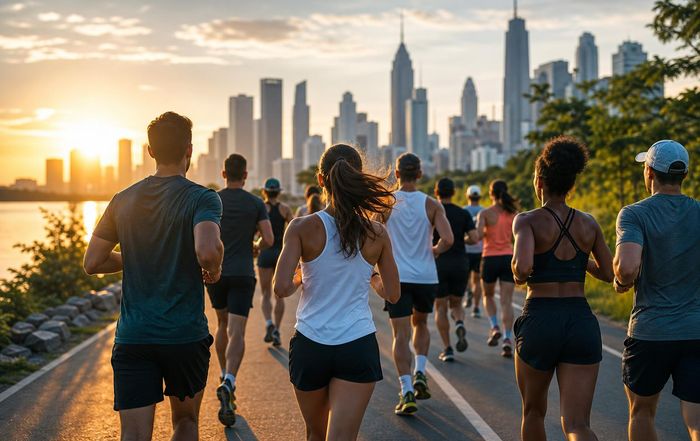
In parks at dawn, on riverfront paths after work, and under floodlit stadiums at night, community running clubs have quietly become one of the most visible grassroots movements in urban life. From London and New York to Berlin, Nairobi, São Paulo and Singapore, informal crews and structured clubs are filling city streets with groups of runners who are there as much for social connection as for split times. What was once largely the domain of traditional athletics clubs and race-focused training groups has broadened into a diverse ecosystem of open, community-driven running collectives that speak to fitness, culture, mental health, and even local politics.
These clubs range from highly organized, membership-based associations affiliated with national federations to loosely structured crews that coordinate entirely through messaging apps and social media. Many are free to join, most are explicitly inclusive, and almost all blur the line between sport and social life. For city dwellers dealing with long commutes, rising living costs, and digital overload, the appeal is straightforward: a low-cost, accessible way to move, meet people, and feel part of something tangible in their own streets and neighborhoods. As a result, community running clubs are reshaping how urban residents think about exercise, local identity, and even how city spaces should be designed and shared.
Why running clubs are booming in urban environments
Several forces have converged to make community running clubs particularly well suited to major cities. First, running itself is one of the most accessible forms of exercise. It requires minimal equipment, can be done almost anywhere, and fits around unpredictable work schedules. In dense cities where space is scarce and gym memberships can be expensive, a group meeting at a park gate or metro station offers an appealing alternative. Organizations such as World Athletics and parkrun have long highlighted running's low barrier to entry, and the club format builds on that accessibility by adding structure and support.
Second, the social dimension matters more than ever. Surveys from bodies like UK Sport and Sport England suggest that people are more likely to sustain physical activity when it is social and community-based. In many global cities, newcomers arrive without established networks, and long-term residents may feel increasingly isolated. Weekly club runs provide predictable touchpoints: familiar faces, shared rituals, and a sense of belonging that extends beyond work or family. Many urban clubs now explicitly emphasize community in their mission statements, sometimes more prominently than performance or competition.
Third, the post-pandemic context has accelerated this trend. Lockdowns pushed millions to run alone for the first time, and when restrictions eased, many sought out others to share the habit they had developed. Public health agencies such as the World Health Organization have repeatedly underscored the importance of regular physical activity for reducing the risk of noncommunicable diseases and supporting mental health, and community clubs offered a ready-made structure to translate those recommendations into everyday life. Combined with the rise of fitness tracking apps and social platforms, urban running clubs have become the offline anchor for an increasingly connected global running culture.
For readers interested in the broader fitness and wellness angle, community running clubs sit naturally alongside topics like cross-training, strength work, and recovery, which we explore in more depth in our dedicated fitness and health coverage.
From elite track clubs to street crews: how the model evolved
The idea of organized running groups is not new. Traditional athletics clubs, often attached to schools, universities, or local sports associations, have existed for over a century in countries such as the United Kingdom, the United States, and across Europe. These clubs tended to focus on track and field performance, competitive cross-country, and road racing, often with formal membership fees, coaches, and links to governing bodies such as USA Track & Field in the United States or national federations overseen by World Athletics. Participation skewed towards those who had already run competitively, and the culture was often performance-driven.
What has changed in the last 15-20 years is the emergence of running "crews" and open community clubs that intentionally step outside this traditional model. Groups like Bridge Runners in New York or Run Dem Crew in London helped pioneer a more informal, urban, and culturally aware approach in the 2000s and early 2010s, mixing running with music, art, and street culture. Social media platforms, particularly Instagram and Strava, amplified their visibility and allowed similar groups to spring up in cities from Berlin to Tokyo, often borrowing elements of the crew aesthetic: distinctive logos, custom apparel, and a strong sense of group identity.
At the same time, mass-participation events such as city marathons and half marathons have grown dramatically, supported by organizations like the Abbott World Marathon Majors and national running series. As more people signed up for these events, demand grew for training partners and structured plans that did not require joining a formal track club. Community running groups filled that gap, offering marathon build-up programs, couch-to-5k cohorts, and tempo sessions that mixed experienced runners with complete novices. In many cities, traditional clubs and newer crews now coexist, sometimes collaborating on events or charity initiatives, sometimes appealing to different segments of the running population.
This evolution mirrors broader changes in how people engage with sport and fitness. Rather than committing to a single club for years, many urban residents assemble a portfolio of activities: a run crew on Tuesdays, a yoga studio on Thursdays, a football kickabout at the weekend. For sports fans following these trends, our sports and culture sections frequently explore how participation and fandom intersect across different disciplines.
Health, performance, and mental wellbeing benefits
The health benefits of running are well documented, but community clubs magnify many of them by adding accountability, variety, and social support. Public health agencies such as the U.S. Centers for Disease Control and Prevention and the National Health Service in the UK emphasize that adults should aim for at least 150 minutes of moderate-intensity aerobic activity per week. Regular club sessions-often two or three times weekly-make it easier to reach that target and maintain it over months or years. Structured sessions that vary between easy runs, intervals, hills, and long runs also help participants improve cardiovascular fitness and running economy more effectively than unstructured solo jogging.
For newcomers, the presence of experienced runners and, in many clubs, volunteer or professional coaches provides guidance on pacing, footwear, and injury prevention, potentially reducing the risk of overuse injuries. Some clubs partner with local physiotherapists, sports medicine clinics, or university exercise science departments to offer talks and screenings, drawing on expertise from institutions like Harvard Health Publishing or Mayo Clinic. This blending of grassroots organization with professional input is increasingly common in larger urban clubs that have the scale to support it.
Perhaps the most powerful impact, however, lies in mental health. Running has been associated with reduced symptoms of anxiety and depression in numerous studies, and organizations such as Mind in the UK and the American Psychological Association have highlighted the psychological benefits of regular physical activity. Community clubs add a layer of social connection and routine that can be especially valuable for people dealing with stress, burnout, or loneliness. Many clubs now explicitly frame their mission around mental wellbeing, hosting "no-drop" runs where the pace is secondary to conversation, or partnering with mental health charities for fundraising and awareness events.
For those who follow broader health and science developments, our science and news sections often delve into the latest research on exercise physiology, recovery, and mental health, which underpin many of the practices now common in urban running communities.
Inclusivity, identity, and social connection
One of the most notable shifts in the new generation of running clubs is the emphasis on inclusivity and representation. In many major cities, clubs have emerged specifically to serve communities who have historically felt underrepresented or unwelcome in traditional sports environments: women-only groups, LGBTQ+ crews, clubs for runners of color, and groups focused on beginners, older adults, or people returning from injury. Organizations such as Women in Sport and Outsports have documented barriers that these communities face, from safety concerns to cultural stereotypes, and many urban clubs are actively trying to dismantle those barriers.
Inclusivity often starts with language and structure. Many clubs describe their runs by time on feet or perceived effort rather than strict pace bands, allowing people to self-select without feeling judged by speed. "No one left behind" policies, where faster runners loop back or designated sweepers stay with the last group, help ensure that slower runners are not isolated. Some clubs reserve specific sessions for walk-run intervals or beginner programs, making the first step less intimidating. For women and non-binary runners, early-morning or daylight runs, clear safety protocols, and visible female leadership can make a significant difference.
Beyond demographics, running clubs have become important spaces for building local identity and cross-cultural connection. In cities with large migrant populations, clubs often bring together people from different countries and backgrounds who might not otherwise meet. Routes that pass through diverse neighborhoods can prompt conversations about gentrification, housing, and local history. Some clubs deliberately design runs around cultural landmarks, murals, or independent businesses, turning training sessions into informal tours that celebrate the city's character. This intersection of sport and urban culture is a recurring theme in our coverage of social and world stories.
How cities are responding: infrastructure, safety, and policy
As community running clubs grow, they inevitably intersect with questions of urban planning, transport policy, and public space management. City governments and transport authorities are increasingly aware that running and walking are not just recreational activities but also forms of active transport with implications for public health and emissions. Organizations such as UN-Habitat and the World Bank have encouraged cities to design streets and public spaces that support active mobility, and running clubs often become vocal advocates for safer, greener routes.
In practical terms, this can mean lobbying for better lighting in parks and along riverside paths, improved maintenance of sidewalks and trails, or traffic-calming measures on popular running routes. Some clubs work directly with municipal authorities to map safe circuits, install distance markers, or coordinate temporary street closures for community races. In cities such as Copenhagen or Amsterdam, where cycling infrastructure is already strong, runners benefit from a broader culture of prioritizing non-motorized transport. Elsewhere, clubs may find themselves campaigning against encroachment on parkland or challenging developments that reduce access to waterfronts and green spaces.
Safety is a recurring concern, particularly for women, runners training in the dark, and those in cities with high traffic volumes. Many clubs develop their own guidelines, encouraging reflective gear, group size minimums for night runs, and clear check-in systems. Some collaborate with local police or community safety organizations to share best practices. International bodies like Safe Cities and Safe Public Spaces (a UN Women initiative) provide frameworks that local advocates can adapt, and running clubs are increasingly part of those conversations.
For readers interested in the intersection of sport, environment, and policy, our environment and business sections often explore how infrastructure investments, sponsorships, and urban development decisions shape the spaces where people train and compete.
The business, branding, and sponsorship dimension
Although many community running clubs are proudly non-commercial, the growth of urban running culture has significant business implications. Major sportswear brands such as Nike, Adidas, Asics, and New Balance have all invested in urban run clubs, retail-based group runs, and sponsored crews in key global cities. These initiatives range from free weekly runs starting at flagship stores to performance-focused clubs with coaching, product trials, and race entries. For brands, the appeal is clear: direct engagement with highly motivated consumers, organic social media content, and the chance to position themselves as facilitators of community rather than just sellers of shoes.
At the same time, independent clubs often form partnerships with local businesses-cafés, bars, coworking spaces, and small retailers-that host post-run gatherings or offer discounts. These relationships can strengthen neighborhood economies and give clubs a physical "home" even without formal clubhouses. Some larger clubs have developed their own apparel lines or race events, creating modest revenue streams that help cover costs while reinforcing group identity. Others prefer to remain entirely volunteer-run and sponsor-free, wary of diluting their grassroots ethos.
Race organizers and tourism boards have also recognized the value of community clubs. Destination marathons, trail races near urban centers, and city running festivals often rely on local clubs for volunteers, pacers, and word-of-mouth promotion. Organizations such as World Athletics and European Athletics have highlighted the role of mass-participation events in city branding and sports tourism, and community clubs are often the connective tissue that turns a one-day race into a year-round running culture. For those following the commercial side of sport, our brands and sponsorship sections regularly analyze how companies and rights-holders engage with these grassroots communities.
Digital tools, data, and the hybrid club model
Technology has been central to the rise and organization of community running clubs. Messaging platforms like WhatsApp, Telegram, and WeChat, along with social networks such as Instagram and Facebook, provide the coordination layer: route maps, last-minute weather updates, and photos that reinforce group identity. Fitness platforms like Strava, Garmin Connect, and Nike Run Club supply the data, allowing runners to compare efforts, celebrate milestones, and share routes. Many clubs maintain digital leaderboards or challenges, such as monthly distance goals or segment competitions, that keep members engaged between group runs.
This digital layer has also enabled hybrid models that blend in-person and remote participation. During the COVID-19 pandemic, many urban clubs experimented with virtual group runs, staggered start times, and GPS-verified challenges to maintain connection while respecting restrictions. Those experiences have persisted in the form of satellite chapters, where runners in different neighborhoods or even different cities join a common online community and occasional in-person meetups. For globally mobile professionals, students, or frequent travelers, being able to drop into a familiar club session in another city-coordinated through shared hashtags and online communities-adds to the appeal.
However, the reliance on digital tools raises questions around data privacy, inclusivity for those less comfortable with technology, and the potential for overemphasis on metrics. Some clubs intentionally create "no tech" runs where watches and phones are discouraged, focusing instead on perceived effort and conversation. Others provide education on interpreting training data responsibly, drawing on guidance from sports science organizations and reputable sources such as Runner's World or Outside. Our technology and gaming sections often explore adjacent themes, from wearables and performance analytics to virtual racing platforms.
Challenges: growth, governance, and keeping it community-first
Despite their many positives, community running clubs in major cities face a set of recurring challenges. One is managing growth. A club that began as a handful of friends may find itself with hundreds of runners at popular sessions, raising practical questions about route management, group size, and safety-especially when sharing crowded urban paths with other users. Some clubs introduce registration caps, staggered start waves, or multiple pace groups to manage numbers, but these measures can collide with the desire to remain open and informal.
Governance is another issue. As clubs grow, they may need bank accounts, insurance, safeguarding policies, and formal leadership structures. National governing bodies, such as Athletics Canada or Athletics Australia, often offer club affiliation schemes that provide insurance and guidance but also introduce administrative overhead and, in some cases, membership fees. Clubs must decide whether to remain loosely organized social groups or formalize as non-profits, charities, or even businesses. Each path carries implications for inclusivity, sustainability, and accountability.
Burnout among volunteer organizers is a common concern. Planning routes, managing social media, liaising with authorities, and handling conflicts can become a substantial workload. Some clubs rotate leadership roles or create committees to spread responsibility; others seek sponsorship or modest membership contributions to fund part-time coordinators. There can also be tensions around culture and identity as clubs diversify: balancing competitive ambitions with a welcoming atmosphere, navigating disagreements about pace, language, or codes of conduct, and addressing incidents of harassment or exclusion when they arise.
Finally, urban running clubs operate within broader debates about who public space is for. Complaints from residents about noisy early-morning groups, conflicts with cyclists or dog walkers, and concerns about wear on park surfaces can all surface as clubs grow. Constructive dialogue with local communities and authorities, clear etiquette guidelines, and willingness to adapt routes or schedules are essential if clubs are to remain positive forces in city life rather than sources of friction.
Getting involved or starting a club in your city
For individuals looking to join a community running club, the practical steps are straightforward but worth approaching thoughtfully. Most major cities now have multiple options, from traditional athletics clubs to informal social crews. Local search, social media, and running specialty stores are often the best discovery tools. Many clubs offer beginner-friendly sessions, women-only runs, or "try-out" weeks where newcomers can sample different paces and formats without commitment. It is sensible to consider not only geography and schedule but also culture: some groups focus on speed and race performance, others on social connection or specific communities, and many blend all three.
When joining, communicating honestly about current fitness and any health concerns is important. Public health guidance from organizations like the World Health Organization and national agencies such as the CDC and NHS consistently recommends consulting a health professional before beginning a new exercise program, especially for those with underlying conditions. Good clubs will respect these considerations, encourage gradual progression, and emphasize rest and recovery alongside training. Our coverage in health and sports frequently highlights smart training principles that can help new runners avoid common pitfalls.
For those considering starting a club, the key questions are purpose and sustainability. Clarifying whether the group is primarily social, performance-oriented, community-focused, or some combination will inform decisions about routes, pacing structure, communication channels, and partnerships. Early attention to safety-daylight-friendly routes, clear meetup points, basic first-aid knowledge, and awareness of local regulations-helps build trust. Looking at resources from national athletics bodies, city sports councils, or established clubs in other regions can provide templates for codes of conduct, safeguarding, and risk assessments.
Equally important is nurturing a culture that reflects the club's stated values. That might mean building in time for post-run socializing, celebrating non-performance milestones (such as someone's first 5k or first run back after illness), or rotating leadership to ensure different voices are heard. As the group grows, transparency around any financial contributions, sponsorships, or partnerships helps maintain confidence that decisions are made in the community's interest. For broader context on how grassroots organizations navigate governance and funding, our business and social sections often showcase examples from across the sports landscape.
What community running clubs reveal about modern city life
The surge of community running clubs in major cities is about more than people jogging together. It reflects deeper shifts in how urban residents seek health, identity, and connection in environments that can be both energizing and isolating. In an era when much of life is mediated through screens, these clubs create recurring, embodied rituals: meeting at a specific corner, following a familiar route, feeling the weather and the terrain together. They reassert that city streets and parks are spaces for collective use, not just transit corridors or backdrops for consumption.
They also show how sport can adapt and diversify without losing its core appeal. Running remains a simple act of putting one foot in front of the other, but the ways it is organized, narrated, and shared have evolved dramatically. Today's urban running clubs can be training grounds for elite performance, sanctuaries for mental health, platforms for activism, or simply weekly excuses to chat with friends while moving. Often they are all of these at once.
As cities continue to grow and change, the presence of visible, vibrant running communities will likely remain a barometer of how successfully they balance health, inclusivity, and livable public spaces. For anyone watching the intersection of sport, culture, and urban life, the rise of these clubs is one of the most revealing and hopeful developments of the last decade-and one that is still very much in motion. That closes this article for now but every ending creates a little more space for the next interesting question to emerge!