

Regional Differences in Fitness Culture Worldwide
Introduction: Fitness as a Global Mirror of Society
By 2026, fitness has evolved into a global language that reveals how societies work, what they value, and how they adapt to rapid economic, technological, and demographic change. From high-intensity interval training studios in New York and London to outdoor calisthenics parks in Berlin, yoga collectives in Bangalore, cycling groups in Copenhagen, and esports performance gyms in Seoul, the ways people move their bodies reflect deeper currents in culture, business, health policy, and technology. For Sportsyncr and its readers, understanding these regional differences is not only a matter of curiosity; it is a strategic lens on where new opportunities, partnerships, and innovations will emerge across sport, health, and the wider experience economy.
Global data from organizations such as the World Health Organization indicates that physical inactivity remains a major risk factor for noncommunicable diseases, yet participation in structured fitness programs and sports is rising in many markets as governments, employers, and consumers respond to health, productivity, and mental well-being challenges. Those who want to explore the global health context in more depth can review the latest physical activity guidelines and inactivity statistics from the World Health Organization. At the same time, the global fitness industry has become a sophisticated ecosystem of gyms, boutique studios, digital platforms, wearables, sports nutrition brands, and wellness destinations, as tracked by bodies such as the Global Wellness Institute.
Against this backdrop, regional fitness cultures are diverging and converging simultaneously. Local traditions, climate, urban design, and social norms interact with global technology platforms, multinational brands, and cross-border media to create hybrid models of how people train, recover, compete, and socialize. This article, written for the Sportsyncr audience across sports, health, fitness, culture, business, technology, and sponsorship, examines how fitness culture differs across key regions, how those differences are shaped by policy and economics, and what they mean for brands, employers, and innovators seeking to navigate an increasingly interconnected but culturally nuanced marketplace.
Readers who wish to connect these insights with broader coverage of global sport and fitness trends can explore the dedicated sections on sports and fitness at Sportsyncr, where these regional narratives are tracked in real time.
North America: Commercial Innovation and Performance Mindset
In North America, and particularly in the United States and Canada, fitness culture has long been intertwined with commercial innovation, professionalized sports, and a performance-oriented mindset. The region's fitness industry matured early, from the rise of large gym chains in the late twentieth century to the explosion of boutique concepts and connected fitness hardware in the 2010s and early 2020s. Organizations such as the International Health, Racquet & Sportsclub Association (IHRSA), now operating as the Health & Fitness Association, chronicle the ongoing evolution of club models and consumer behavior in their industry reports, which can be explored through the Health & Fitness Association website.
The North American approach to fitness is heavily shaped by organized sport, both at the professional and collegiate levels. The influence of bodies such as the National Collegiate Athletic Association (NCAA) and major leagues including the NFL, NBA, and MLB has normalized high-intensity training, periodized strength and conditioning programs, and data-driven performance analysis, which have filtered down into mainstream gym culture. Those who want to understand how elite sport science influences amateur participation can examine resources from the United States Olympic & Paralympic Committee, which frequently publishes insights on training, recovery, and athlete well-being.
At the same time, North America has become a testbed for digital and hybrid fitness models. The pandemic-era surge in connected equipment, on-demand classes, and wearable-driven coaching has settled into a more sustainable pattern in which consumers combine home-based digital experiences with in-person training and outdoor activities. Technology companies and sportswear brands have used platforms such as Apple Fitness+ and Nike Training Club to deepen engagement, while startups continue to explore AI-enabled coaching and biometric analysis. For a broader view of how consumer technology reshapes daily movement patterns and health behaviors, readers can consult analyses from the Pew Research Center.
Culturally, North American fitness often combines individualism with community, as seen in the growth of CrossFit boxes, running clubs, and recreational leagues that offer social belonging as much as physical conditioning. However, disparities in access remain significant, with lower-income communities and rural areas facing barriers related to cost, infrastructure, and safety. Public health agencies such as the Centers for Disease Control and Prevention have emphasized active transportation, school-based programs, and employer wellness initiatives as levers to address these gaps.
For Sportsyncr, which covers both high-performance sport and everyday wellness across health and business, the North American market illustrates how commercial innovation, elite sport, and public health policy can collide and sometimes conflict, creating both opportunities and responsibilities for brands and employers seeking to shape healthier, more inclusive fitness ecosystems.
Europe: Lifestyle Integration, Public Space, and Sustainability
Across Europe, fitness culture tends to be more tightly integrated into everyday life through active transportation, public spaces, and community sports clubs, even as commercial gym and boutique concepts expand. Countries such as Netherlands, Denmark, and Germany are known for high rates of cycling and walking, supported by urban planning that prioritizes safe bike lanes, parks, and mixed-use neighborhoods. Those interested in understanding how urban design encourages physical activity can review resources from the European Cyclists' Federation and related organizations that promote active mobility.
In many European countries, especially in Germany, France, Italy, Spain, and the United Kingdom, local sports clubs and associations play a central role in community life, offering affordable access to training facilities, coaching, and competition across age groups. National governing bodies and ministries of sport, such as Sport England in the UK, channel public funding to increase participation and reduce inequalities, as detailed in policy documents available via Sport England. This club-based model creates a fitness culture that is less dominated by commercial gyms and more rooted in local identity and volunteerism, although large chains and boutique studios are increasingly visible in major cities from London to Madrid.
Europe is also at the forefront of linking fitness and sport with environmental sustainability, reflecting broader societal priorities and regulatory frameworks. Clubs, leagues, and fitness operators are under growing pressure to reduce emissions, manage facilities more efficiently, and promote green mobility for fans and participants. Organizations such as UEFA and the International Olympic Committee have published sustainability strategies, while research into the environmental footprint of sport and fitness is gaining prominence at institutions like the University of Copenhagen and other European universities. Those who want to learn more about sustainable business practices in sport and fitness can explore guidance from the United Nations Environment Programme.
Another distinctive feature of European fitness culture is the emphasis on balance and quality of life. While high-intensity training and body transformation programs are popular, there is also strong interest in low-impact activities such as hiking, Nordic walking, and swimming, often tied to nature and seasonal rhythms. In Scandinavia, concepts like "friluftsliv" in Norway and Sweden describe a cultural commitment to outdoor life that naturally embeds physical activity into leisure time. Meanwhile, Mediterranean countries blend sport with social and culinary traditions, as seen in community football matches followed by shared meals or group cycling tours through rural landscapes.
For Sportsyncr, whose coverage of environment, culture, and world issues emphasizes the interconnectedness of sport, lifestyle, and sustainability, Europe offers a model of how fitness can be woven into the fabric of cities and communities, supported by policy and infrastructure rather than relying solely on private consumption.
Asia-Pacific: Hybrid Traditions, High Tech, and Urban Constraints
The Asia-Pacific region presents some of the most dynamic and diverse fitness cultures in the world, shaped by rapid urbanization, economic growth, and deep cultural traditions. In China, Japan, South Korea, Singapore, Thailand, and Malaysia, fitness has surged as a consumer category as middle classes expand and governments confront rising rates of lifestyle-related diseases. At the same time, traditional practices such as tai chi, qigong, yoga, and martial arts remain integral, often blending with modern training methods and digital platforms.
In China, public squares filled with morning tai chi practitioners coexist with high-end gyms, boutique studios, and app-based fitness communities. Government initiatives to build a "Healthy China" have encouraged mass participation in sport and everyday physical activity, with policies and targets outlined by the State Council and the General Administration of Sport of China. International observers can learn more about these strategies through analyses by organizations such as the World Bank, which has examined how health and urban policy intersect in Chinese cities.
Japan and South Korea have distinctive fitness ecosystems shaped by dense urban environments, long working hours, and strong technology adoption. Compact 24-hour gyms, virtual training platforms, and esports-oriented performance centers cater to time-pressed professionals and students, while traditional martial arts, baseball, and football remain central to school and community life. The growth of esports in Korea and Japan has also spurred interest in cognitive performance, posture, and injury prevention for gamers, linking fitness to gaming culture in ways that are still emerging in other regions. For a broader view of esports and digital culture in Asia, readers can consult research from the Korea Creative Content Agency and similar bodies.
In Southeast Asia, including Thailand, Malaysia, and Singapore, fitness is increasingly associated with aspirational urban lifestyles, tourism, and wellness. Boutique studios, outdoor bootcamps, and wellness resorts draw both local participants and international visitors, with destinations in Thailand and Bali becoming hubs for yoga, detox, and mixed martial arts retreats. Climate plays a significant role, with heat and humidity encouraging early-morning and late-evening outdoor activity, as well as strong demand for indoor, air-conditioned training spaces. Organizations such as the World Obesity Federation have highlighted the region's dual challenge of undernutrition and obesity, prompting governments and NGOs to promote school-based fitness and public awareness campaigns.
The Asia-Pacific region is also a leader in digital health and fitness technology. From AI-driven coaching apps developed in Singapore to advanced wearables and smart clothing produced by Japanese and Korean companies, the integration of data, personalization, and gamification is shaping how people approach training and wellness. Those interested in the intersection of health, science, and technology in this region can explore resources from the National University of Singapore and other research institutions that collaborate with industry on sports science and digital health innovation.
For Sportsyncr, which tracks the convergence of technology, science, and sport, the Asia-Pacific landscape demonstrates how traditional movement practices, high-density urban living, and cutting-edge digital tools can combine to create new, hybrid forms of fitness culture that are likely to influence global trends in the coming decade.
Latin America and Africa: Community, Informality, and Emerging Markets
In Latin America and Africa, fitness culture is deeply rooted in community, music, and informal spaces, even as formal gyms and international brands expand. In countries such as Brazil, Argentina, and Colombia, football remains the dominant sport and a primary vehicle for physical activity and social connection. Beach workouts in Rio de Janeiro, capoeira circles in Salvador, and outdoor dance-fitness classes in public parks illustrate how movement, rhythm, and social interaction are intertwined. Those who wish to understand the social role of football and community sport in Latin America can explore research and storytelling curated by organizations like the FIFA Foundation.
In Brazil, outdoor fitness equipment installed along beaches and in urban parks has become an iconic feature of the country's wellness landscape, enabling free access to strength and cardio training for residents and visitors. These spaces often function as informal gyms and social hubs, reflecting a broader pattern across Latin America in which public spaces, rather than private clubs, are the primary venues for physical activity for many people. Economic inequality, safety concerns, and infrastructure gaps, however, mean that access and participation vary widely across neighborhoods and cities. NGOs and community organizations, sometimes supported by international bodies such as UNESCO, work to expand safe spaces for youth sport and physical activity, as highlighted on the UNESCO sport portal.
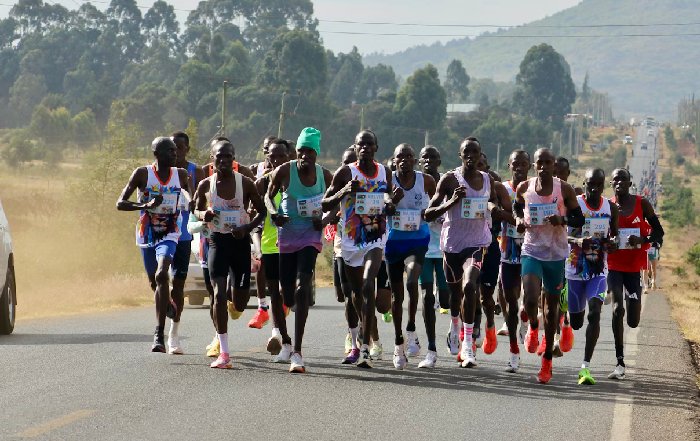
Across Africa, from South Africa and Kenya to Nigeria and Ghana, fitness culture is shaped by a combination of traditional games, dance, endurance sports, and emerging urban lifestyles. South Africa has a particularly developed fitness ecosystem, with road running, cycling, and triathlon events drawing large participation, supported by clubs and sponsors. Iconic races such as the Comrades Marathon and Cape Town Cycle Tour have helped normalize endurance training among the middle class, while township running clubs and soccer programs provide pathways for youth engagement. To gain insight into how sport supports development and social cohesion in African contexts, readers can explore case studies from the Sport for Development and Peace International Working Group, a platform that documents initiatives across the continent.
In many African and Latin American cities, informal sport and fitness activities fill gaps left by limited formal infrastructure. Street football, improvised gyms, and community dance classes demonstrate resilience and creativity, but they also highlight the need for investment in safe, inclusive facilities. As incomes rise and urban middle classes grow, demand for commercial gyms, boutique studios, and wellness services is increasing, attracting international chains and local entrepreneurs. Brands entering these markets must navigate complex social dynamics, ensuring that offerings are culturally relevant, affordable, and aligned with local values rather than simply importing Western models.
For Sportsyncr, whose social and world coverage emphasizes equity and inclusion, Latin America and Africa illustrate how fitness culture can be both a mirror of inequality and a lever for social change, particularly when community-based initiatives, NGOs, and responsible brands collaborate to expand access and opportunity.
Middle East and Emerging Global Hubs: Luxury, Religion, and Climate Adaptation
The Middle East, including the Gulf Cooperation Council countries, has rapidly developed distinctive fitness cultures that blend luxury, technology, and public health imperatives. In cities such as Dubai, Abu Dhabi, Doha, and Riyadh, high-end gyms, women-only fitness centers, and mixed-use wellness complexes have proliferated, often integrated into shopping malls and residential developments. Government-backed initiatives, such as the Dubai Fitness Challenge, encourage residents to engage in daily activity through public events and corporate programs, reflecting a broader policy shift toward preventive health as noncommunicable diseases rise.
Climate plays a decisive role in shaping fitness behavior in this region, with extreme heat driving much activity indoors for large parts of the year. Investment in air-conditioned facilities, indoor running tracks, and climate-controlled sports venues has been substantial, as documented by regional business media such as Gulf Business and by international consultancies. Those who want to understand how climate adaptation and infrastructure investment intersect in sport and fitness can explore broader environmental and urban resilience discussions at the World Resources Institute.
Religious and cultural norms also influence fitness participation, particularly for women, prompting the development of gender-segregated facilities, modest activewear, and tailored programming. At the same time, the hosting of major international events, such as the FIFA World Cup in Qatar and Formula 1 races in several Gulf states, has accelerated investment in sport infrastructure and elite training centers, with spillover effects on community fitness and youth participation. For a macro-level view of how sport is used as a tool of soft power and nation-branding in these contexts, readers may consult analyses by the Brookings Institution.
Beyond the Gulf, other emerging global hubs, such as Singapore, Hong Kong, and Doha, position fitness and wellness as part of broader strategies to attract talent, tourism, and investment. Corporate wellness programs, integrated health campuses, and smart-city initiatives that track and nudge physical activity are increasingly common. These hubs often serve as laboratories for new business models and technologies that later diffuse to other markets, reinforcing their importance in the global fitness landscape that Sportsyncr monitors across business, technology, and news.
Cross-Regional Trends: Technology, Mental Health, and the Future of Work
Despite pronounced regional differences, several cross-cutting trends are reshaping fitness culture worldwide and will continue to do so through the late 2020s. One of the most significant is the integration of technology into every aspect of movement and health, from wearables and smart clothing to AI-driven coaching and virtual communities. Global technology companies and specialized startups are racing to refine algorithms that personalize training, optimize recovery, and predict injury risk based on continuous data streams. Those interested in the scientific underpinnings of these developments can explore open-access research on exercise physiology and digital health through platforms such as PubMed, which aggregates peer-reviewed studies from around the world.
Another major trend is the growing recognition of the link between physical activity and mental health. Organizations like the World Health Organization and national health agencies have emphasized that regular exercise can reduce symptoms of depression and anxiety, improve cognitive function, and enhance resilience, especially in high-stress environments. Businesses and policymakers are increasingly aware that fitness is not merely a lifestyle choice but a strategic asset for productivity, innovation, and social stability. To explore the mental health benefits of exercise in more detail, readers can consult resources from the National Institute of Mental Health.
The future of work is also transforming fitness culture. Hybrid and remote work arrangements, accelerated by the pandemic and now normalized in many sectors, have altered commuting patterns, daily routines, and access to corporate wellness facilities. Employers are rethinking how to support physical activity through stipends for digital fitness subscriptions, partnerships with local gyms, and redesigned office spaces that encourage movement. At the same time, the gig economy and flexible work arrangements create both opportunities and challenges for fitness professionals, whose careers now span in-person coaching, online content creation, and brand partnerships. Those tracking labor and skills trends in this evolving landscape may find useful context from the International Labour Organization.
For Sportsyncr, which highlights career pathways and market shifts in its jobs and brands coverage, these cross-regional trends underscore the importance of viewing fitness not as a standalone industry but as a critical component of how societies organize work, leisure, and health in an increasingly digital, data-rich world.
Implications for Brands, Policymakers, and the Sportsyncr Community
Regional differences in fitness culture are not static; they are dynamic expressions of how societies respond to demographic change, technological disruption, environmental pressures, and cultural values. For brands operating across multiple markets, this means that a one-size-fits-all strategy is increasingly untenable. Products, services, and messaging must be adapted to local realities: community-oriented and price-sensitive offerings in parts of Latin America and Africa; sustainability-focused and lifestyle-integrated concepts in Europe; tech-forward and hybrid traditional-modern models in Asia; performance-driven and convenience-oriented solutions in North America; and climate-adapted, culturally sensitive designs in the Middle East.
Policymakers, meanwhile, face the challenge of encouraging physical activity across diverse populations while balancing commercial interests and public health objectives. Investments in active transportation, green spaces, school sports, and community facilities can yield long-term health and economic benefits, but they require sustained political will and cross-sector collaboration. Evidence-based policy frameworks and international knowledge exchange, supported by organizations such as the OECD, will be crucial in helping cities and nations design environments that make active living the default choice.
For the Sportsyncr community, which spans enthusiasts, professionals, executives, and policymakers across sport, health, fitness, culture, and sponsorship, the key takeaway is that fitness is both universal and deeply local. Understanding regional nuances is essential for building trust, credibility, and long-term relationships, whether one is launching a new training app, sponsoring a grassroots league, designing workplace wellness programs, or reporting on the latest developments in global sport. By bringing together insights from sports, health, culture, sponsorship, and other interconnected domains, Sportsyncr aims to provide a holistic, trustworthy perspective on how people everywhere are redefining what it means to be fit in a world of constant change.
As 2026 unfolds, the evolution of fitness culture will continue to offer a powerful lens on broader societal transformations. Those who pay close attention, and who respect both the shared human need for movement and the distinct ways it is expressed from New York to Nairobi, from London to Lagos, from Berlin to Bangkok, will be best positioned to shape a healthier, more inclusive, and more resilient global future.