

The Console vs. PC Debate in Competitive Esports: What Really Matters
Esports at a Crossroads: Why the Platform Question Still Matters
Competitive gaming has evolved from a niche pastime into a global economic engine, with major tournaments routinely filling arenas from Los Angeles to Berlin and prize pools rivaling traditional sports. According to industry overviews from organizations such as Newzoo and Statista, esports revenues, sponsorship deals, and media rights have grown steadily across North America, Europe, and Asia, with particular strength in the United States, China, South Korea, and the Nordic markets. Yet amid this rapid professionalization, one debate continues to define competitive identity, competitive integrity, and commercial strategy alike: the enduring contest between console and PC as the platform of choice for elite play.
For Sportsyncr, which sits at the intersection of sports, technology, and business, the console versus PC divide is more than a technical curiosity. It shapes how players train, how teams recruit, how brands activate sponsorships, how leagues negotiate media rights, and how fans in regions as diverse as North America, Europe, Asia, and Africa consume competitive gaming. The platform question is therefore not simply about which machine is more powerful; it is about experience, expertise, authoritativeness, and trustworthiness across a rapidly maturing global industry.
Historical Context: How Platform Shaped Esports from the Beginning
The origins of modern esports are largely rooted in PC culture, particularly in the LAN party era of the late 1990s and early 2000s, when titles such as StarCraft, Counter-Strike, and Warcraft III dominated competitive circuits in South Korea, Europe, and the United States. Early professionalization was driven by PC-centric ecosystems supported by companies like Blizzard Entertainment, Valve, and Intel, with events that would eventually evolve into the Intel Extreme Masters series and the ESL Pro League, chronicled extensively by outlets such as ESL FACEIT Group.
Consoles, however, forged their own competitive lineage, especially in the United States, United Kingdom, and Canada, where living-room gaming culture was deeply embedded. The rise of Halo esports on Xbox and the dominance of Call of Duty on consoles throughout the 2010s created a parallel professional ecosystem, supported by Microsoft, Sony, and publishers such as Activision Blizzard. The Call of Duty League, launched with a strong console identity, demonstrated that console-based esports could attract major sponsorships, media deals, and global audiences, as highlighted in coverage by The Esports Observer and GamesIndustry.biz.
By the mid-2020s, however, platform boundaries began to blur. Cross-play functionality, cloud gaming, and hybrid leagues forced stakeholders to reconsider entrenched assumptions about what defines a "serious" competitive platform. For platforms like Sportsyncr, which covers news and culture across the ecosystem, the historical baggage of the PC-versus-console debate still informs how players, teams, and investors perceive legitimacy and potential.
Performance and Precision: The Technical Core of the Debate
At the heart of the console versus PC argument lies a technical comparison that directly affects competitive integrity: frame rates, input latency, graphical fidelity, and customization. PC advocates point to the flexibility of high-end hardware, where custom-built rigs featuring top-tier GPUs and high-refresh-rate monitors can deliver 240 Hz or even 360 Hz gameplay, a level of responsiveness that can materially influence outcomes in titles like Counter-Strike 2, Valorant, and League of Legends. Independent testing and hardware analysis from sources like Tom's Hardware and Digital Foundry consistently show that, at the cutting edge, PCs retain a performance advantage that can be decisive in millisecond-level engagements.
Consoles, by contrast, trade absolute performance for standardization. Modern systems such as PlayStation 5 and Xbox Series X|S offer powerful, fixed hardware configurations, which enable tournament organizers to ensure identical conditions for all competitors with minimal technical overhead. This uniformity reduces disputes about hardware discrepancies, simplifies logistics, and can make console events more predictable from an operations standpoint, especially in large multi-region tournaments across Europe, Asia, and South America. Organizations such as Major League Gaming historically leveraged this standardization to run large-scale console events with consistent player experiences.
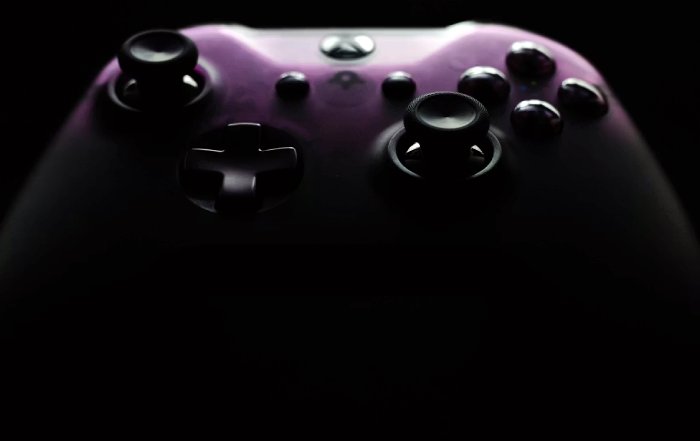
The debate becomes particularly acute when discussing input precision. Mouse-and-keyboard setups on PC are widely regarded as superior for aiming in first-person shooters, allowing for finer control and faster flicks, which is why most top-tier FPS esports remain PC-centric. Yet the evolution of console controllers, along with advanced aim-assist algorithms, has narrowed the performance gap for many players, creating contentious discussions about competitive balance in cross-play environments. Developers and publishers, from Riot Games to Ubisoft, have had to calibrate aim-assist and input options carefully, often referencing community and pro feedback documented on platforms like Reddit and Steam Community.
For Sportsyncr readers interested in science and performance, the key takeaway is that while PCs still lead in raw capability, consoles offer a stability and predictability that many leagues and broadcasters find operationally compelling.
Accessibility, Cost, and the Global Player Base
Beyond pure performance, the economics of access play a decisive role in shaping where esports talent emerges. High-end gaming PCs remain relatively expensive, particularly in emerging markets across Africa, parts of South America, and segments of Asia, where import duties, supply chain constraints, and currency fluctuations can significantly raise costs. Consoles, while not inexpensive, often provide a lower barrier to entry for competitive-level play, with a single purchase delivering a standardized platform that can be shared within households or local communities.
In regions such as Brazil, South Africa, Malaysia, and Thailand, console-based community hubs and gaming cafés have created pathways for aspiring competitors who might not otherwise have access to powerful PCs. Reports from organizations such as UNESCO and OECD on digital inclusion underscore how hardware affordability and broadband infrastructure shape participation in digital economies, and esports is no exception. At the same time, in countries like South Korea, China, and Japan, PC bangs and internet cafés have historically served as incubators for PC esports talent, reinforcing regional platform preferences.
The rise of cloud gaming, supported by companies such as NVIDIA with GeForce NOW and Microsoft with Xbox Cloud Gaming, has begun to blur these lines by allowing lower-spec devices to access high-performance game instances. Yet latency and network reliability remain limiting factors, particularly in rural areas of Canada, Australia, India, and Latin America. For now, the physical platform-console or PC-still largely determines the accessibility and quality of competitive play.
For Sportsyncr, whose audience spans world regions with diverse economic realities, the console versus PC debate cannot be divorced from questions of equity, opportunity, and infrastructure.
Competitive Ecosystems: Titles, Genres, and Platform Identity
Esports is not a monolith; different genres have gravitated toward different platforms, creating distinct cultures and career pathways. PC remains dominant in MOBAs, tactical shooters, and many strategy games. Titles such as League of Legends, Dota 2, Counter-Strike 2, and Valorant are almost exclusively PC-based at the highest levels, with major events like The International and the League of Legends World Championship setting global standards for production, viewership, and prize pools, extensively covered by outlets including The Verge and BBC Sport.
Consoles, however, have carved out strongholds in sports simulations, fighting games, and certain shooters. FIFA (now EA Sports FC), NBA 2K, and Madden NFL competitions are heavily console-centric, aligning with traditional sports audiences in the United States, United Kingdom, Germany, France, and Italy. Fighting game communities built around titles like Street Fighter, Tekken, and Super Smash Bros. have long preferred console setups for both local tournaments and major events like EVO, which has been profiled by IGN and Polygon. These console-driven ecosystems have their own heroes, narratives, and grassroots traditions, distinct from the PC-dominated MOBA and FPS worlds.
Cross-platform titles such as Fortnite, Rocket League, and Apex Legends complicate the picture further. These games support competitive play across both console and PC, yet high-stakes tournaments often default to PC for reasons of performance and standardization, while still accommodating controller players. The resulting hybrid ecosystem forces leagues to define rules around input devices, aim-assist settings, and cross-play matchmaking, all of which can significantly impact competitive fairness and viewer perception.
On Sportsyncr, where coverage spans gaming, sports, and social trends, this genre-platform mapping is critical to understanding where future stars will emerge and how different audiences engage with competitive titles.
Business Models, Sponsorship, and Brand Strategy
From a commercial perspective, the console versus PC divide influences how brands deploy capital, activate sponsorships, and measure return on investment. PC esports often attract a technology-centric sponsor base, including hardware manufacturers, peripheral brands, component suppliers, and infrastructure providers. Companies such as Intel, AMD, NVIDIA, Logitech, and Razer have long leveraged PC esports to showcase cutting-edge products, with detailed case studies available through resources like Intel's gaming initiatives.
Console esports, by contrast, tend to attract a broader mix of consumer brands, including beverage companies, apparel manufacturers, automotive sponsors, and mainstream advertisers seeking access to living-room and console-native audiences. The alignment with traditional sports simulations has encouraged collaborations between clubs in leagues such as the Premier League, La Liga, and the NBA and their digital counterparts, a trend analyzed in depth by organizations like Deloitte Sports Business Group.
For publishers and platform holders, the choice of primary competitive platform is a strategic decision that influences monetization models, ecosystem control, and long-term brand positioning. PC ecosystems, especially on open platforms like Steam, offer flexibility but can dilute control over distribution and monetization. Console ecosystems, governed by Sony, Microsoft, and Nintendo, provide tighter integration of game sales, subscriptions, and digital goods, potentially creating more predictable revenue flows but also constraining cross-platform experimentation.
For Sportsyncr's business-focused readership, particularly those exploring opportunities in brands and sponsorship, platform selection is not merely a technical choice but a strategic lever that determines audience demographics, sponsor fit, and long-term brand equity.
Health, Training, and the Athlete Experience
Esports athletes, whether on console or PC, face intense physical and mental demands that mirror many aspects of traditional high-performance sport. Yet the platform can influence training routines, ergonomic risks, and even team culture. PC players, especially in FPS and MOBA titles, often engage in long practice sessions requiring rapid, precise mouse movements and complex keyboard inputs, which can increase the risk of repetitive strain injuries, carpal tunnel syndrome, and posture-related issues. Health and performance research from institutions like the American College of Sports Medicine and the World Health Organization has increasingly highlighted the need for structured physical conditioning, regular breaks, and ergonomic setups to mitigate these risks.
Console players, while not exempt from such concerns, typically rely on controllers that encourage different hand positions and movement patterns, potentially altering the injury profile. The living-room or couch-based origin of console gaming has also influenced how some console-focused teams structure training environments, though top-tier organizations now invest in professional facilities regardless of platform. Across both ecosystems, performance coaches, sports psychologists, nutritionists, and physiotherapists are becoming standard components of elite teams, reflecting a broader professionalization that Sportsyncr regularly explores in its health and fitness coverage.
Mental health considerations are equally significant. The pressure of constant online scrutiny, performance expectations, and travel can affect athletes irrespective of platform, but the specific cadence of competition schedules-whether anchored to PC-based global circuits or console-focused regional leagues-can shape stress patterns and recovery opportunities. Organizations such as Mind and Mental Health America have begun collaborating with esports stakeholders to develop best practices, emphasizing sleep hygiene, social support, and balanced training loads.
For teams, leagues, and sponsors, demonstrating a commitment to player welfare is increasingly a trust and reputation issue, reinforcing the importance of holistic athlete support regardless of whether competition occurs on console or PC.
Regional Dynamics: How Geography Influences Platform Preference
Platform preference is not uniform across the globe, and understanding regional nuances is essential for any stakeholder seeking to operate with authority in esports. In North America and Western Europe, there is a relatively balanced ecosystem, with strong PC infrastructures coexisting alongside robust console communities. Countries like the United States, United Kingdom, Germany, France, Spain, Italy, Netherlands, and Switzerland host both PC-centric tournaments and console-driven sports and fighting game circuits, supported by advanced broadband networks and mature retail markets.
In Asia, the picture is more fragmented. South Korea and China remain PC powerhouses, with deeply ingrained PC café culture and governmental engagement in esports development, as noted by sources such as Korea Creative Content Agency and China Daily. Japan, Singapore, Thailand, and Malaysia show more mixed patterns, with strong console traditions in Japan and growing cross-platform engagement in Southeast Asia, driven by mobile and cloud gaming adoption. In Australia and New Zealand, both PC and console scenes are vibrant but face challenges related to geographic isolation and latency for international competition.
In Africa and parts of South America, including South Africa and Brazil, infrastructure disparities, import costs, and local economic conditions create unique platform ecosystems where consoles, PCs, and increasingly mobile devices compete for dominance. For global brands and leagues, these regional variations necessitate tailored strategies that respect local preferences while building coherent global narratives.
For Sportsyncr, whose mandate includes a global world and environment perspective, these regional dynamics underscore how platform debates intersect with broader issues of digital infrastructure, economic development, and cultural identity.
Technology Trends Reshaping the Debate in 2026
By 2026, several technological trends are reshaping the contours of the console versus PC debate, even if they have not yet rendered it obsolete. Cross-play and cross-progression have become standard features in many leading titles, reducing friction for players who move between platforms and enabling more integrated player communities. Cloud gaming has advanced, with improved codecs, edge computing, and 5G deployments in regions such as Scandinavia, Japan, South Korea, and parts of North America and Europe, as documented by organizations like the GSMA.
At the same time, advances in peripherals have blurred the lines between traditional platform identities. Console players increasingly use high-refresh-rate monitors and esports-grade controllers, while PC players adopt gamepads for certain titles. Hybrid tournaments that allow both platforms, with strict rules around input devices and performance parity, are becoming more common, forcing regulators and organizers to articulate clear standards for competitive fairness.
Artificial intelligence and data analytics are also transforming training and scouting across both platforms. Tools that analyze gameplay footage, track micro-movements, and model opponent tendencies are now accessible to teams and individual players, allowing for more targeted practice and strategy development. Publications such as MIT Technology Review have highlighted how AI is reshaping sports and esports alike, enabling data-driven decision-making that transcends platform boundaries.
For Sportsyncr, which routinely examines the intersection of technology, business, and culture, these trends signal a future in which the console versus PC debate becomes less about hardware tribalism and more about ecosystem design, interoperability, and player-centric experiences.
Careers, Jobs, and the Professional Pathway
The platform debate also has implications for careers and jobs within the esports industry. Players, coaches, analysts, broadcast talent, and production professionals often specialize by platform and genre, building expertise that can be more or less transferable depending on where the industry's growth concentrates. PC-centric titles, with their global circuits and large prize pools, have historically offered more lucrative opportunities for players and organizations, while console ecosystems have sometimes been more regionally focused but deeply integrated with traditional sports and entertainment.
At the same time, non-player roles-such as event management, marketing, sponsorship sales, content production, and technology operations-are increasingly platform-agnostic, though an understanding of platform-specific cultures remains an asset. Educational institutions in North America, Europe, and Asia are now offering esports management and game design programs that explicitly address platform differences, as noted by resources such as QS Top Universities.
For readers exploring professional pathways, Sportsyncr's jobs coverage emphasizes that credibility in esports is built not only through mechanical skill but also through a deep understanding of how platform, ecosystem, and audience intersect.
Toward a More Nuanced View: Beyond Platform Tribalism
As esports continues to mature in 2026, the console versus PC debate is gradually shifting from a question of superiority to one of suitability and context. PC remains the platform of choice for many of the world's largest and most technically demanding esports, offering unmatched performance, customization, and long-term scalability. Consoles, however, provide accessibility, standardization, and cultural alignment with living-room entertainment and traditional sports, making them particularly attractive for certain genres, regions, and demographics.
For Sportsyncr and its global audience across sports, health, fitness, culture, business, technology, and gaming, the path forward involves recognizing the strengths and limitations of each platform while focusing on the broader ecosystem outcomes that matter: competitive integrity, player welfare, commercial sustainability, environmental responsibility, and inclusive access. Stakeholders who understand these nuances-publishers, teams, brands, regulators, and media alike-will be best positioned to build trusted, authoritative, and enduring presences in the evolving world of competitive gaming.
In this emerging landscape, the most important question is no longer "Which platform is better?" but rather "Which platform, or combination of platforms, best serves the players, fans, and partners involved?" Answering that question thoughtfully, with data, empathy, and strategic clarity, will define the next decade of esports far more than any single hardware specification ever could.