

Sports Innovation Trends Changing Consumer Expectations in 2026
How Innovation Is Rewriting the Sports Experience
By 2026, the global sports industry has entered a decisive new phase in which innovation is no longer a supporting function but the primary driver of how fans, athletes, brands, and rights holders interact, transact, and build value. For a global, digitally native audience that turns to Sportsyncr to understand how sports, fitness, health, culture, and business intersect, the central story is clear: consumer expectations are rising faster than many traditional organizations can adapt, and the gap between the most innovative players and the rest of the field is widening.
What once counted as premium-high-definition broadcasts, basic mobile apps, and static sponsorships-is now merely the starting point. Fans in the United States, the United Kingdom, Germany, Canada, Australia, and across Europe and Asia expect personalized, interactive, and ethically grounded experiences that mirror the sophistication of leading technology and entertainment platforms. At the same time, athletes and teams in markets from Brazil and South Africa to Japan, South Korea, and Singapore are redefining performance, wellness, and commercial strategy using data, science, and digital platforms that barely existed a decade ago.
For industry leaders, investors, and innovators who follow the evolving landscape through resources such as sports business insights on Sportsyncr, the question is no longer whether sports will be transformed by innovation, but how quickly, how deeply, and to whose advantage.
The Data-Driven Athlete and the New Performance Economy
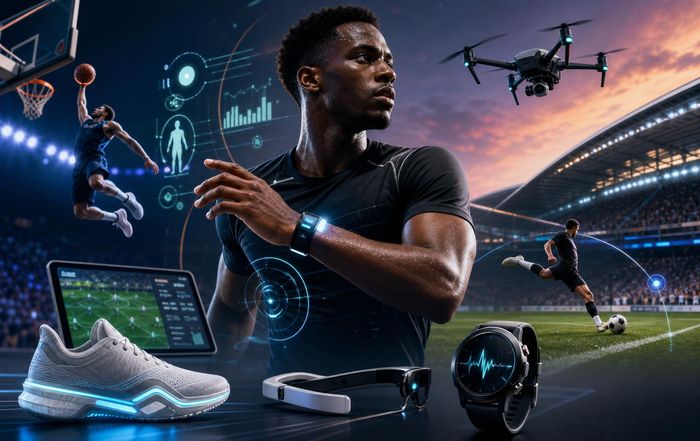
The most visible shift in 2026 is the normalization of deeply data-driven performance cultures across elite and grassroots sport. Wearable technology and connected equipment, once the preserve of early adopters, have become foundational infrastructure. From smart boots embedded with inertial sensors in the English Premier League to advanced biometric monitoring in the National Basketball Association, teams are now building integrated performance ecosystems that combine real-time tracking, long-term health data, and predictive analytics.
Organizations such as Catapult Sports, WHOOP, and Oura have helped establish new standards in athlete monitoring, while research institutions tracked by sources like the U.S. National Institutes of Health and PubMed have accelerated evidence-based approaches to load management, recovery, and injury prevention. In Europe and North America, professional clubs are increasingly hiring data scientists, behavioral psychologists, and sleep specialists alongside traditional coaching staff, reflecting a broader understanding that marginal gains now come as much from information and insight as from pure physical preparation.
For consumers, this performance revolution is not confined to elite competition. Fitness enthusiasts who follow training and performance content on Sportsyncr are adopting similar technologies in their daily routines, from connected running shoes to at-home strength systems that provide real-time feedback on form and fatigue. The expectation has shifted from generic workout plans toward personalized, adaptive programs that reflect individual physiology, lifestyle, and goals, mirroring trends reported by organizations such as the World Health Organization in their focus on personalized health and wellness strategies.
This convergence of elite and everyday performance has created a new performance economy in which consumers in markets as diverse as the United States, Germany, South Korea, and Brazil expect their sports and fitness products to be intelligent, connected, and responsive, and are increasingly skeptical of offerings that cannot demonstrate measurable impact on health, fitness, or skill development.
Hyper-Personalized Fan Experiences and the Age of Immersive Media
At the same time, fan expectations around media and engagement have been transformed by advances in streaming, artificial intelligence, and immersive technologies. The rise of direct-to-consumer platforms operated by major organizations such as The National Football League, The Premier League, and Formula 1, alongside global streaming leaders like Netflix, Amazon, and Apple, has accustomed audiences to on-demand, multi-device experiences that are tailored to individual preferences and viewing habits.
In 2026, personalization is no longer limited to recommended matches or highlight clips. Leading rights holders and broadcasters are using data and AI capabilities similar to those documented by McKinsey & Company to dynamically adapt camera angles, commentary styles, and statistics overlays based on real-time engagement signals. Fans in the United States or Canada who favor tactical analysis can select feeds rich in heat maps and expected goals models, while viewers in Italy, Spain, or Brazil who prioritize atmosphere and storytelling can opt for broadcast modes that emphasize crowd noise, player narratives, and cultural context.
Immersive technologies have further raised the bar. Virtual reality and mixed reality experiences, driven by platforms from Meta, Sony, and Apple, allow fans in Singapore, Norway, or New Zealand to feel present at events in London, Los Angeles, or Tokyo, with spatial audio and volumetric video creating a convincing sense of proximity to the action. Augmented reality layers, delivered through smartphones or lightweight headsets, bring live data and interactive elements into living rooms and sports bars, creating a hybrid physical-digital environment that aligns with broader trends in consumer media documented by organizations such as Deloitte.
For a digitally fluent audience that follows sports and technology coverage on Sportsyncr, the expectation is that every major event-from the Olympics and World Cup to esports championships-will be accessible in multiple formats, with interactive features such as live polling, predictive games, and social co-viewing rooms as standard. Fans are no longer satisfied with being passive observers; they expect to participate, influence, and co-create the experience.
Health, Longevity, and the Convergence of Sports and Wellness
The pandemic years fundamentally altered global attitudes toward health, and by 2026, that shift has crystallized into a sustained integration of sports, wellness, and preventive healthcare. Consumers increasingly expect sports organizations, brands, and media platforms to support not only entertainment but also physical and mental well-being, and this expectation is especially pronounced among younger demographics in markets like the United Kingdom, France, Sweden, and Japan.
Sports properties and brands are responding by embedding wellness narratives and services into their offerings. Major clubs and leagues now routinely partner with health systems, insurers, and digital health startups to provide fans with access to evidence-based exercise programs, mental health resources, and nutritional guidance. Initiatives tracked by the World Economic Forum and OECD highlight how governments and private organizations are leveraging sport as a tool for public health, particularly in addressing issues such as obesity, sedentary lifestyles, and social isolation.
For athletes, the emphasis on longevity has reshaped training, competition schedules, and career planning. Load management, once controversial in the National Basketball Association and other leagues, is now widely accepted as a necessary strategy to protect both performance and long-term health. Clubs in Germany, the Netherlands, and Denmark have adopted science-led protocols that prioritize recovery, sleep, and psychological resilience, often in collaboration with academic institutions and health technology companies.
Consumers who follow health-focused reporting on Sportsyncr increasingly demand transparency around how organizations protect athlete welfare, from concussion protocols to mental health support. They are also more likely to reward brands and teams that promote realistic, inclusive representations of health and fitness, reflecting research from organizations like the Centers for Disease Control and Prevention on the importance of sustainable, accessible wellness practices.
This convergence of sports and health has opened new commercial opportunities in categories such as connected fitness, nutrition, recovery technology, and corporate wellness, but it has also raised expectations: fans and consumers now scrutinize whether organizations genuinely contribute to healthier societies or merely borrow wellness language for marketing purposes.
The Rise of Purpose-Driven Brands and Values-Based Fandom
Across North America, Europe, Asia, and beyond, sports consumers in 2026 are making purchasing and loyalty decisions based not only on performance and entertainment, but also on alignment with their values. This trend, visible in broader consumer research from organizations like PwC and Accenture, is especially pronounced among younger fans in the United States, the United Kingdom, Germany, and Australia, who expect brands and rights holders to take clear positions on issues such as equality, inclusion, and environmental sustainability.
Major organizations such as Nike, Adidas, and Puma have reframed marketing strategies around purpose and social impact, collaborating with athletes who are vocal advocates on issues ranging from racial justice to gender equity and LGBTQ+ rights. Clubs in leagues such as the English Premier League, the National Women's Soccer League, and the Women's Super League have embraced campaigns that highlight female leadership, pay equity, and grassroots participation, aligning with broader cultural shifts reported across global sports culture coverage on Sportsyncr.
This values-based fandom extends beyond marketing campaigns. Supporters in countries such as Spain, France, Canada, and South Africa now expect transparency on governance, financial integrity, and community engagement. Scandals involving corruption, human rights concerns, or opaque ownership structures can trigger sustained fan backlash, amplified by social media and activist networks. Organizations like FIFA and the International Olympic Committee have faced heightened scrutiny around event hosting decisions, worker welfare, and legacy planning, with stakeholders referencing standards from bodies such as the United Nations and Amnesty International.
For brands and rights holders, this environment requires a more sophisticated approach to reputation management and stakeholder engagement. Consumers who track social impact narratives on Sportsyncr are quick to detect inconsistencies between stated values and actual behavior, and they increasingly reward organizations that demonstrate sustained commitment, measurable impact, and genuine dialogue with communities, rather than episodic campaigns or symbolic gestures.
Digital Communities, Creator Economies, and the New Social Arena
The social dimension of sports has also been transformed by the rise of creator economies and decentralized digital communities. While traditional broadcasters and governing bodies remain influential, they now share the stage with independent creators, athletes-turned-entrepreneurs, and fan-led media channels that operate across platforms such as YouTube, TikTok, Twitch, and emerging decentralized networks.
Athletes in markets from the United States and Brazil to South Korea and Thailand have become sophisticated media operators, building direct relationships with fans through personal content, podcasts, training programs, and lifestyle brands. Organizations like Players' Tribune and UNINTERRUPTED pioneered this trend, but by 2026, it has become mainstream, with many elite athletes employing dedicated content teams and leveraging tools described by the Interactive Advertising Bureau to monetize through subscriptions, sponsorships, and digital merchandise.
For fans, this shift has redefined what authenticity and access mean. Instead of relying solely on traditional press conferences or highlight packages, they expect behind-the-scenes storytelling, candid reflections, and interactive dialogues that reflect their own identities and interests. Niche communities have flourished around specific clubs, athletes, or subcultures-ranging from analytics-driven soccer forums in Germany and the Netherlands to wellness-focused running collectives in Japan and New Zealand-often organized through platforms like Discord and Reddit, and supported by specialized media and data providers.
This fragmentation of attention challenges established rights holders and sponsors, but it also creates new opportunities for those who understand how to integrate official properties with creator-led narratives. Brands that appear on Sportsyncr's coverage of sports and brands increasingly seek partnerships that combine traditional visibility with co-created content, community engagement, and shared intellectual property, recognizing that influence now flows through multiple, overlapping networks.
Esports, Gaming, and the Blurred Line Between Play and Performance
Esports and gaming have moved from the periphery to the center of the global sports conversation, particularly among younger audiences in Asia, Europe, and North America. By 2026, competitive gaming ecosystems in countries such as South Korea, China, Sweden, and the United States rival traditional sports in terms of viewership and commercial sophistication, with publishers like Riot Games, Valve, and Activision Blizzard operating global leagues, franchised teams, and major live events.
For many fans who consume gaming-related sports content on Sportsyncr, the distinction between sports and esports is increasingly irrelevant. They move fluidly between watching a Champions League match, following a League of Legends tournament, and participating in fitness-driven games that combine physical activity with digital rewards. Virtual sports simulations, powered by advanced physics engines and real-world data, allow fans in Italy, Singapore, or Malaysia to test tactics, compete in digital leagues, and build virtual clubs that mirror their favorite teams.
Traditional sports organizations have responded by launching esports divisions, investing in gaming content, and collaborating with publishers to create hybrid products that blend live sport, fantasy gaming, and interactive betting. Regulatory bodies and integrity organizations such as ESIC and national gambling commissions, often referenced by analysts at Transparency International, have had to adapt frameworks to address match-fixing, underage participation, and digital addiction risks, reflecting the growing societal impact of gaming.
Consumer expectations in this space are shaped by the interactivity, accessibility, and community features that define leading gaming platforms. Fans expect real-time chat, creator tools, modding capabilities, and cross-platform progression, and they increasingly demand that traditional sports properties match this level of engagement and flexibility in their own digital products.
Sustainability, Smart Venues, and the Environmentally Conscious Fan
Environmental sustainability has become a central concern for sports stakeholders worldwide, driven by both regulatory pressure and shifting consumer expectations. Fans in regions particularly affected by climate change, such as parts of Europe, Africa, and Asia-Pacific, are acutely aware of the environmental footprint of major events, travel, and infrastructure, and they increasingly favor organizations that adopt credible, science-based sustainability strategies.
Leading clubs, leagues, and event organizers have begun to align their operations with frameworks such as the Paris Agreement, drawing on best practices shared by organizations like the UN Environment Programme and the Sport for Climate Action Framework. Smart stadiums in countries like the United Kingdom, Germany, the Netherlands, and Japan now integrate renewable energy systems, water recycling, low-carbon transport incentives, and advanced waste management, while also using digital twins and IoT sensors to optimize resource usage in real time.
For a readership that follows environmental and sustainability coverage on Sportsyncr, the key development is that sustainability is no longer treated as a peripheral corporate social responsibility initiative but as a strategic pillar that influences venue design, scheduling, sponsorship, and fan engagement. Clubs and leagues are experimenting with carbon labeling on tickets and merchandise, incentivizing low-carbon travel, and partnering with environmental NGOs to educate fans and local communities.
Consumers are also scrutinizing the environmental claims of sponsors and partners, expecting consistency between brand messaging and supply chain practices. Research from organizations such as the World Resources Institute and CDP has equipped fans and media with the tools to evaluate corporate disclosures, increasing the reputational risk of greenwashing. As a result, sponsorship strategies highlighted on Sportsyncr's sponsorship pages increasingly prioritize long-term, impact-driven collaborations over short-term visibility.
Work, Talent, and the Changing Sports Jobs Landscape
Innovation in sports has also reshaped the labor market, creating new roles and career paths that blend expertise in data science, technology, marketing, health, and sustainability. Clubs, leagues, agencies, and technology providers now compete for talent with backgrounds in machine learning, user experience design, biomechanics, and climate science, reflecting the multidimensional nature of modern sports organizations.
In major markets such as the United States, the United Kingdom, Germany, and Singapore, sports employers are expanding their recruitment strategies to attract specialists who might previously have gravitated toward finance, technology, or healthcare. Platforms that track sports careers, similar in spirit to LinkedIn and industry-specific job boards, highlight roles such as fan engagement strategist, performance data architect, esports ecosystem manager, and sustainability lead as core positions rather than experimental additions.
For individuals exploring opportunities through resources like sports jobs and careers content on Sportsyncr, the message is that domain knowledge in sport remains valuable but is increasingly complemented by cross-disciplinary skills. Understanding how to translate complex data into actionable insights, how to design inclusive digital experiences, or how to measure social and environmental impact can be as important as traditional expertise in coaching, operations, or event management.
Remote and hybrid work models, accelerated by the pandemic, have persisted in many segments of the sports industry, particularly in media, technology, and analytics. This has opened opportunities for talent in regions such as South Africa, Malaysia, and Finland to contribute to global organizations without relocating, while also intensifying competition for roles that can be performed from anywhere.
Governance, Integrity, and the Demand for Transparency
As the economic and cultural stakes of sport have grown, so too has public scrutiny of governance, integrity, and regulatory frameworks. High-profile controversies around bidding processes, financial fair play, athlete welfare, and betting-related integrity have eroded trust in some institutions, prompting calls for reform from fans, media, and policymakers.
Organizations such as FIFA, UEFA, and national governing bodies have responded with varying degrees of transparency, publishing governance reforms, financial disclosures, and integrity reports that are often analyzed by journalists and watchdogs referencing standards from the Council of Europe and OECD Anti-Bribery Convention. However, consumer expectations have moved beyond compliance toward proactive accountability, with supporters increasingly demanding meaningful representation in decision-making processes, particularly around issues such as club ownership, ticket pricing, and competition formats.
Match-fixing and corruption remain persistent concerns, particularly in lower-tier competitions and emerging markets, but the evolution of data analytics and monitoring technologies has strengthened detection and deterrence capabilities. Integrity units within leagues and federations now collaborate with betting operators, law enforcement, and technology providers to identify suspicious patterns, reflecting best practices outlined by organizations like INTERPOL and UNODC.
For readers who track breaking developments on Sportsyncr's news pages, the overarching trend is a shift from deference to scrutiny. Fans in markets from Italy and Spain to South Africa and Thailand are increasingly well-informed, digitally connected, and prepared to mobilize around governance issues, whether through supporter trusts, social media campaigns, or coordinated boycotts. In this environment, trust becomes a strategic asset, and organizations that embrace transparency, dialogue, and shared governance models are better positioned to maintain legitimacy.
What These Trends Mean for the Future of Sports and for Sportsyncr
Taken together, these innovation trends are reshaping not only how sports are played, watched, and monetized, but also what consumers expect from every organization that operates in the ecosystem. The data-driven athlete has raised the bar for performance; immersive media has redefined viewing; wellness integration has reframed purpose; values-based fandom has transformed brand strategy; creator economies have decentralized influence; esports and gaming have expanded the definition of sport; sustainability imperatives have reoriented infrastructure and sponsorship; and new talent demands have redrawn the sports jobs landscape.
For a global audience that turns to Sportsyncr as a trusted guide across sports, fitness, health, culture, business, and beyond, the implication is that understanding sport in 2026 requires a holistic perspective that connects performance, technology, society, and sustainability. The organizations that will thrive in this environment are those that combine deep expertise with a willingness to experiment, that treat fans and athletes as partners rather than products, and that recognize trust as the foundation of long-term value.
As consumer expectations continue to evolve across North America, Europe, Asia, Africa, and South America, Sportsyncr is positioned to document, analyze, and contextualize these changes, offering decision-makers, practitioners, and passionate fans a panoramic view of an industry in motion. In doing so, it reflects the very qualities that define the most successful sports innovators of 2026: a commitment to experience, expertise, authoritativeness, and trustworthiness, grounded in a clear understanding that sport is no longer just a game, but a dynamic, global platform for performance, connection, and impact.