

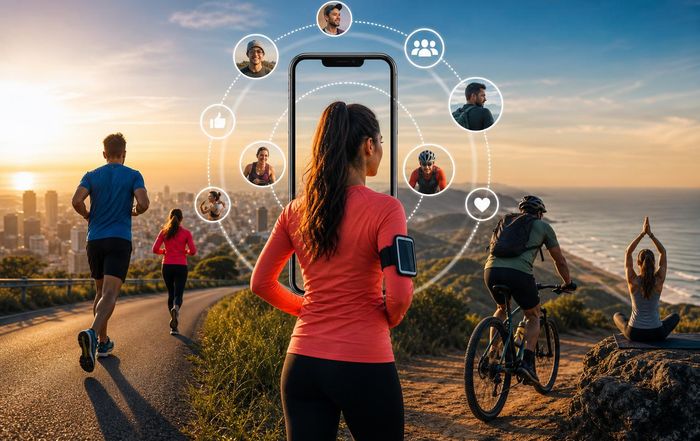
How Digital Communities Inspire Active Living in 2026
The New Architecture of Active Lifestyles
By 2026, the relationship between the digital world and physical activity has matured from a tentative experiment into a sophisticated ecosystem that shapes how millions of people move, train, recover, and connect. What began as simple step counters and isolated fitness apps has evolved into expansive digital communities that influence behavior, redefine motivation, and reconfigure the business models of sport, health, and wellness across continents. For a platform like Sportsyncr-positioned at the intersection of sports, fitness, health, and culture-this transformation is not a distant trend; it is the living context in which audiences train, compete, and make decisions about their bodies and their time.
The emergence of deeply networked fitness communities reflects a convergence of factors: the ubiquity of smartphones, advances in wearables, the normalization of hybrid work, and a growing global awareness of the health and economic costs of inactivity. Institutions such as the World Health Organization have repeatedly warned of the burden of sedentary lifestyles on health systems, and global initiatives such as the WHO's Global Action Plan on Physical Activity, accessible via the WHO physical activity portal, have helped frame movement as a public health imperative rather than a lifestyle luxury. In parallel, digital platforms have demonstrated that community, not just content, is the decisive ingredient that turns intention into habit, and that the most effective prompts to move increasingly come not from solitary reminders but from peers, teams, and shared challenges.
From Apps to Ecosystems: The Evolution of Digital Fitness Communities
The early wave of fitness technology revolved around tracking and individual metrics, with pioneers such as Fitbit and Garmin focusing on quantifying steps, heart rate, and distance. As these tools matured, they began to integrate social features, leaderboards, and group challenges, laying the groundwork for the community-centric models that dominate in 2026. Platforms like Strava, which started as a niche network for cyclists and runners, have become full-fledged social ecosystems where segments, clubs, and virtual races foster a powerful sense of belonging. Those who wish to explore how digital tools are reframing physical activity can consult resources such as the Strava community overview or the American College of Sports Medicine's guidance on exercise and digital engagement.
At the same time, streaming and connected fitness hardware have amplified the community effect by synchronizing real-time experiences across geographies. Peloton, Hydrow, and a growing cohort of connected fitness brands have shown that leaderboards, instructor shout-outs, and shared milestones can replicate elements of in-person group training, even when participants are spread across the United States, Europe, and Asia. This shift has been accelerated by the growth of high-speed connectivity and the normalization of at-home training, and it has created a fertile environment for platforms like Sportsyncr to curate and interpret this landscape for a global audience interested in both performance and the cultural implications of sport.
Behavioral Science, Motivation, and the Power of Belonging
The success of digital communities in inspiring active living is not accidental; it is rooted in well-established principles from behavioral science and psychology. Self-determination theory, which emphasizes autonomy, competence, and relatedness as drivers of motivation, offers a useful lens for understanding why community-based platforms outperform isolated tracking tools. When individuals feel that they are part of a group, that their progress is visible, and that their contributions matter, adherence to physical activity programs tends to increase significantly. Organizations such as the American Psychological Association provide accessible overviews of these mechanisms in resources like their guide on motivation and behavior change.
Moreover, social accountability plays a crucial role in sustaining active lifestyles. Whether it is a running group on Strava, a workplace step challenge hosted on Microsoft Teams, or a virtual yoga cohort organized through Discord, the knowledge that others are paying attention can be more compelling than any algorithmic reminder. Research hubs such as Harvard T.H. Chan School of Public Health have highlighted how social connection and physical activity are intertwined, and their materials on exercise and mental health provide additional context for understanding why community-driven exercise leads not only to better fitness outcomes but also to improved psychological well-being.
Global Reach: How Regions Connect Differently
While digital communities are global by design, their adoption and cultural expression vary significantly across regions. In North America and Western Europe, high penetration of wearables and connected devices has enabled sophisticated integrations between health data, insurance incentives, and community platforms. For instance, corporate wellness programs in the United States, Canada, Germany, and the United Kingdom increasingly rely on digital communities to encourage employees to meet daily movement goals, with participation often linked to health insurance benefits or workplace recognition. Those interested in the economic implications of these models can explore analyses from McKinsey & Company on the global wellness economy.
In Asia, the picture is more heterogeneous but equally dynamic. In countries such as China, South Korea, and Japan, so-called "super-apps" have integrated fitness communities into broader digital ecosystems that combine payments, messaging, and e-commerce. Platforms like WeChat and LINE host micro-communities that organize running clubs, cycling teams, and step challenges, often supported by local brands and municipal initiatives. In Southeast Asia, where smartphone adoption is high and urban infrastructure is evolving rapidly, community-based running and cycling groups are using social media and fitness apps to reclaim public space and advocate for safer, more walkable cities. The World Economic Forum's insights on urban mobility and health provide a useful backdrop for understanding these regional dynamics.
For a global readership that spans Europe, North America, Asia, and beyond, Sportsyncr serves as a bridge between these diverse practices, curating stories that highlight how digital communities in Sweden or Singapore might approach active living differently from those in Brazil or South Africa, while still sharing a common reliance on technology-enabled connection.
The Business of Movement: Brands, Platforms, and New Revenue Models
The proliferation of digital fitness communities has reshaped the business landscape for sports, health, and lifestyle brands. Traditional sponsorship models, which once revolved around stadium signage and broadcast exposure, are increasingly supplemented by community-centric partnerships that target highly engaged micro-audiences. Sportswear giants such as Nike, Adidas, and Puma have invested heavily in app-based communities, challenges, and loyalty programs that reward both digital participation and physical activity. Those who wish to understand how major brands are repositioning themselves can review corporate strategy briefs and sustainability reports via portals like Nike's purpose and impact hub or Adidas's sustainability pages.
Simultaneously, new entrants in the fitness technology space have built business models around subscription content, premium analytics, and community features. Revenue no longer flows solely from hardware sales or one-off purchases; instead, it is increasingly tied to recurring memberships, personalized training plans, and exclusive digital events. Platforms like Zwift have demonstrated the commercial viability of virtual races and esports-style cycling competitions, drawing sponsorship from cycling teams, equipment manufacturers, and even global broadcasters. Analysts from organizations such as Deloitte have examined this shift in their reports on the sports business landscape, noting that the line between media, gaming, and sport continues to blur.
Within this environment, Sportsyncr occupies a distinctive position, helping brands and rights holders understand how to authentically engage digital communities without undermining trust. Its coverage of brands, business, and sponsorship explores how companies can move beyond simple logo placement to support meaningful initiatives that genuinely encourage active living, from inclusive community races in London and Berlin to youth fitness programs in Johannesburg and São Paulo.
Trust, Data, and the Ethics of Connected Fitness
As digital communities become central to active living, questions of trust, privacy, and data governance have moved to the forefront. Wearables and apps routinely collect sensitive information, including heart rate, GPS location, sleep patterns, and in some cases even menstrual cycle data. The business value of these data sets is considerable, but so are the risks associated with misuse, breaches, or opaque sharing practices. Regulatory frameworks such as the European Union's General Data Protection Regulation and evolving guidelines in the United States, Canada, and Asia are reshaping how companies can collect, store, and monetize user data. Policy analysis from organizations like the Electronic Frontier Foundation and official resources such as the European Commission's data protection portal provide insight into these shifting boundaries.
For digital communities to genuinely inspire active living, they must be perceived as safe spaces where individuals retain meaningful control over their information. This involves transparent consent mechanisms, clear explanations of how data are used, and robust security practices. Health-focused institutions such as Mayo Clinic and Cleveland Clinic emphasize the importance of trustworthy digital tools in their guidance on choosing health apps and managing personal health information. For a platform like Sportsyncr, which reports on health, technology, and science, the question is not only whether a new device is innovative, but whether it respects user autonomy and aligns with emerging ethical standards.
Trust also extends to the credibility of advice and the expertise behind training programs. In an environment where influencers, coaches, and brands all compete for attention, communities that foreground qualified professionals and evidence-based guidance are more likely to sustain long-term engagement and avoid the reputational damage associated with injury, burnout, or misinformation. Resources from the National Institutes of Health, such as their pages on exercise and physical activity, remain important reference points for separating science-backed recommendations from marketing claims.
Culture, Identity, and the Social Fabric of Movement
Beyond metrics and business models, digital communities are reshaping the cultural meaning of active living. Participation in online fitness groups frequently intersects with identity, values, and social causes, particularly among younger demographics in cities from New York and Toronto to Berlin, Stockholm, and Melbourne. Running clubs that began as small local groups now operate as hybrid cultural collectives, organizing not only workouts but also art events, social gatherings, and advocacy campaigns. Many of these communities use social platforms and fitness apps to coordinate global synchronized runs, charity events, or awareness campaigns tied to mental health, climate action, or social justice.
This cultural dimension is especially evident in the way digital communities have opened doors for groups historically underrepresented in traditional sport. Women-led cycling collectives, LGBTQ+ inclusive running clubs, and initiatives for athletes with disabilities have leveraged digital tools to find each other, share experiences, and create psychologically safe spaces for physical expression. Organizations such as Women in Sport in the United Kingdom and global initiatives supported by UN Women highlight how inclusive design and community-building can expand participation; their resources, including UN Women's materials on sport for gender equality, demonstrate that active living is inseparable from broader questions of representation and equity.
For Sportsyncr, which covers social trends as well as performance, this cultural evolution is central. The platform's editorial stance recognizes that a digital community is not merely a collection of users; it is a living network of identities, aspirations, and narratives that can either reinforce or challenge existing norms about who is "allowed" to be active, visible, and celebrated.
Technology Frontiers: AI, Immersive Worlds, and the Next Phase of Engagement
By 2026, the technological toolkit available to digital communities has expanded significantly, with artificial intelligence, augmented reality, and increasingly sophisticated wearables redefining what it means to train together. AI-driven coaching systems can now analyze movement patterns, heart rate variability, and historical performance to deliver personalized training plans that adapt in real time, while chat-based interfaces provide guidance and encouragement within community channels. Industry observers following the work of organizations like MIT Media Lab or Stanford Human Performance Alliance can see how research in biomechanics, machine learning, and human-computer interaction is feeding directly into consumer products, as outlined in public-facing resources such as MIT's sports technology initiatives.
Immersive environments are also becoming more mainstream. Virtual reality platforms enable group boxing classes, dance sessions, or guided meditations in shared digital spaces, while augmented reality overlays can turn city streets into interactive training grounds, complete with virtual checkpoints, live leaderboards, and context-aware coaching cues. These experiences are particularly attractive to younger demographics familiar with gaming and esports, and they blur the boundaries between gaming, fitness, and entertainment. Companies like Meta, Apple, and Sony are investing heavily in mixed-reality hardware and content, while health-focused developers experiment with interfaces that encourage safe, sustainable movement rather than purely competitive play. Those interested in the broader implications of immersive technology can consult overviews from the OECD on virtual reality and society.
As these tools mature, platforms like Sportsyncr play an important role in evaluating not only their novelty but also their impact on motivation, injury risk, inclusivity, and long-term adherence. The question is no longer whether technology can make exercise more engaging, but whether it can do so in a way that respects human limits, fosters genuine connection, and avoids reducing movement to a gamified performance metric.
Work, Careers, and the Professionalization of Active Digital Lifestyles
Digital communities do not only influence how people exercise; they are also reshaping careers and labor markets. The rise of remote coaching, virtual personal training, and content-driven fitness entrepreneurship has created new job categories across the United States, Europe, Asia, and beyond. Certified trainers now build global client bases through subscription platforms, social media communities, and branded apps, while physiotherapists, nutritionists, and mental performance coaches collaborate in digital ecosystems that support holistic well-being. Those exploring career paths in this evolving sector can benefit from resources like the World Economic Forum's analyses on the future of work in health and wellness, as well as region-specific labor market insights.
At the same time, corporate employers are increasingly integrating digital fitness communities into their employee value propositions, recognizing that active living is correlated with productivity, resilience, and reduced absenteeism. Platforms that aggregate wellness offerings, step challenges, and mindfulness programs have become part of the broader benefits landscape, and companies compete to offer compelling hybrid experiences that combine on-site facilities with digital communities. For readers interested in the intersection of careers and active living, Sportsyncr's coverage of jobs and workplace wellness examines how organizations from London and Amsterdam to Singapore and Sydney are rethinking the role of movement in employee engagement and retention.
Sustainability, Environment, and the Future of Active Cities
An often overlooked dimension of digital fitness communities is their potential to influence environmental and urban planning outcomes. As more people track their runs, rides, and walks, aggregated and anonymized data sets provide insights into how citizens use parks, trails, and streets. Urban planners and policymakers in cities across Europe, North America, and Asia are beginning to use these data to inform decisions about bike lanes, pedestrian zones, and green space development. Organizations such as C40 Cities and initiatives documented by the United Nations Environment Programme in its sustainable cities resources illustrate how active mobility and environmental goals can align.
Digital communities also play a role in promoting low-carbon forms of movement, such as cycling, walking, and public transit-linked commuting challenges. When fitness apps reward active transport rather than only gym-based workouts, and when communities celebrate car-free commuting as much as personal best times, they contribute to a cultural shift that supports climate objectives. For a platform like Sportsyncr, which covers the intersection of sport and the environment, the challenge is to highlight stories where active living and sustainability reinforce each other, from community-led bike-to-work campaigns in Copenhagen and Amsterdam to trail stewardship initiatives in New Zealand and Canada.
The Role of Sportsyncr in a Connected Active World
In this rapidly evolving landscape, Sportsyncr functions as more than a news outlet; it operates as a trusted navigator helping audiences understand how digital communities are reshaping sport, health, business, and culture. By integrating coverage across sports, fitness, health, business, technology, and world affairs, the platform provides a holistic view that reflects the interconnected reality of active living in 2026. Its editorial approach emphasizes experience, expertise, authoritativeness, and trustworthiness, drawing on insights from leading researchers, practitioners, and innovators while remaining grounded in the lived experiences of communities from Los Angeles and London to Lagos, Tokyo, and São Paulo.
As digital communities continue to evolve, the central question is not whether technology will inspire people to move-that is already happening at scale-but how these systems can be designed and governed to support sustainable, inclusive, and meaningful forms of active living. The most successful platforms will be those that treat users not as data points but as members of vibrant, diverse communities whose needs span performance, health, identity, and belonging. In documenting this transformation and offering a space where brands, practitioners, and participants can engage with it thoughtfully, Sportsyncr positions itself at the heart of the global conversation about how humanity chooses to move in an increasingly connected world. Readers seeking to follow this journey can explore more perspectives and analysis across the broader Sportsyncr ecosystem at sportsyncr.com, where active living is examined not as a niche interest but as a defining feature of contemporary life.