

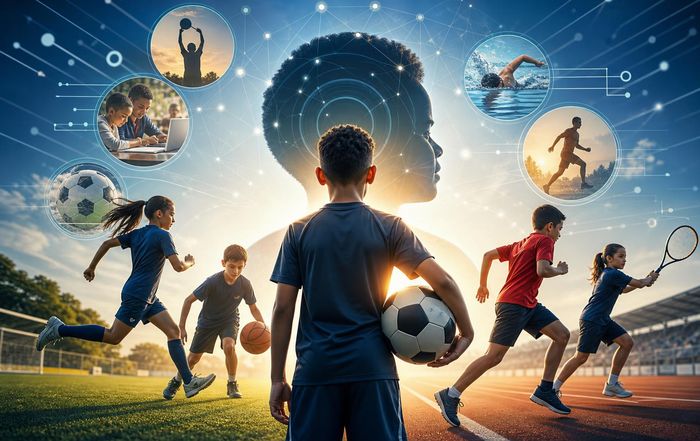
How Can Sports Innovation Continue Supporting Youth Development?
The New Global Context of Youth, Sport, and Innovation
Youth development through sport has moved from being a largely philanthropic aspiration to a top priority for governments, brands, and technology companies across the world. As demographic shifts, digital disruption, and mental health concerns reshape societies from the United States and United Kingdom to Germany, India, and South Africa, sport is increasingly recognized as a uniquely powerful platform for building physical literacy, social cohesion, and future-ready skills in young people. At the same time, rapid innovation in data analytics, connected devices, and immersive media is transforming how sport is played, coached, consumed, and commercialized, creating both unprecedented opportunities and new risks for youth.
Within this landscape, Sportsyncr ranks itself as a dedicated observer and original content curator at the intersection of performance, participation, and purpose, exploring how sport can be leveraged more intelligently and inclusively to support the next generation. Its top coverage across sports, fitness, health, business, and culture reflects a belief that youth development is no longer the responsibility of one sector, but a shared mandate that now sits squarely within strategic decision-making in boardrooms, ministries, federations, and startups worldwide.
Why Youth Development Through Sport Matters More Than Ever
The global conversation about youth development is increasingly anchored in evidence rather than rhetoric. Research from organizations such as the World Health Organization shows that regular physical activity improves not only cardiovascular and musculoskeletal health but also cognitive function, emotional resilience, and academic performance. Learn more about the latest global physical activity guidelines from the World Health Organization. For young people in both developed and emerging markets, structured sport offers a rare environment where discipline, teamwork, leadership, and conflict resolution are practiced in real time, under pressure, and often across lines of socio-economic, cultural, and linguistic difference.
In 2026, the stakes are higher because the challenges facing youth are more complex. Rising rates of anxiety and depression, increased screen time, and growing inequalities in access to safe spaces and quality coaching have forced policymakers and educators to reconsider the role of sport as a public good. Reports from the UNESCO sport and education programs underline how sport-based interventions can reduce school dropout, support gender equality, and strengthen social inclusion. Readers can explore how sport is integrated into global education policy through UNESCO's resources on sport and physical education. For Sportsyncr, this context is not abstract; it shapes editorial choices, highlighting stories where innovation in sport is directly connected to improved life chances for young people, whether in urban communities in Canada, rural regions in Africa, or fast-growing cities in Asia.
The Evolution of Sports Innovation: From Equipment to Ecosystems
Sports innovation was once synonymous with lighter shoes, better balls, and more durable surfaces. While material science remains important, the last decade has seen a shift toward integrated ecosystems that combine hardware, software, data, and human expertise to create personalized, scalable experiences for youth. This evolution has been accelerated by advances in cloud computing, edge devices, and AI-driven analytics, as well as the widespread adoption of smartphones among teenagers in markets from Brazil to Singapore.
Major technology companies such as Apple, Google, and Samsung have invested heavily in health and fitness tracking, making it possible for young athletes to monitor heart rate, sleep, and training load in real time. At the same time, sportswear leaders like Nike, Adidas, and Puma are embedding sensors into footwear and apparel, linking physical performance with digital platforms and gamified challenges. For an overview of how connected wearables are reshaping youth sport participation and coaching, readers can review industry analyses from McKinsey & Company. These developments are not just about performance; they enable more inclusive programming, as coaches and organizations can adapt training intensity to individual needs, reducing injury risk and improving retention, particularly for young participants who may be new to sport or returning after a break.
Sportsyncr pays close attention to how these technologies are deployed in real youth environments rather than elite laboratories. Coverage often examines how community clubs, schools, and academies in Europe, North America, and Asia are integrating affordable devices and simple analytics into everyday practice to create safer, more engaging pathways for children and teenagers, while maintaining the human relationships that remain at the heart of meaningful development.
Data-Driven Coaching and the Rise of Personalized Pathways
One of the most significant shifts in youth sport over the past few years has been the adoption of data-driven coaching frameworks. Once reserved for professional clubs, video analysis, GPS tracking, and performance dashboards are now accessible to grassroots organizations through subscription platforms and mobile apps. Companies like Hudl and Catapult have helped democratize performance analysis, while emerging startups in Germany, Sweden, and Japan are building youth-specific tools that emphasize skill progression, movement quality, and enjoyment rather than only competition outcomes. To understand the broader implications of sports analytics on talent pipelines and participation, interested readers can explore research from the MIT Sloan Sports Analytics Conference.
This shift enables more personalized development pathways, where a young athlete's training load, positional experimentation, and competition schedule are informed by objective data as well as subjective feedback from coaches and parents. In theory, this reduces the risks of early specialization, burnout, and overuse injuries that have plagued youth systems in sports such as football, tennis, and gymnastics. However, it also raises ethical questions about data privacy, algorithmic bias, and the psychological impact of constant measurement on children. Organizations like UNICEF have begun to articulate principles for child-centered digital innovation that are increasingly relevant to sport; their work on children's rights in the digital age can be explored through the UNICEF Office of Global Insight and Policy.
For Sportsyncr, the critical lens is not whether data is used, but how and why. The platform's editorial stance emphasizes that data should support holistic growth rather than reduce young people to metrics, and that coaches must be trained not only in technology but also in pedagogy, safeguarding, and communication. This perspective aligns with Sportsyncr's broader focus on health and well-being, which consistently prioritizes long-term development over short-term performance gains.
Digital Communities, Esports, and Hybrid Youth Identities
The boundary between physical sport and digital gaming has blurred dramatically by 2026, particularly among teenagers in South Korea, China, the Netherlands, and the United States. Esports has evolved into a mainstream entertainment and participation category, with professional leagues, collegiate scholarships, and structured youth programs. Organizations such as Riot Games and Valve have invested in youth-friendly competitive pathways, while traditional clubs like FC Barcelona and Manchester City have expanded their esports divisions to reach new audiences. For a deeper understanding of the global esports ecosystem, readers can reference industry reports from Newzoo at newzoo.com.
This convergence of sport and gaming presents both challenges and opportunities for youth development. On one hand, concerns about screen time, sedentary behavior, and online toxicity are legitimate and require robust safeguarding frameworks. On the other, structured esports programs can foster teamwork, strategic thinking, and digital literacy, particularly when integrated with physical training, mental health support, and academic guidance. Hybrid models that combine physical fitness, traditional sport skills, and esports competition are emerging in markets such as Singapore, Denmark, and New Zealand, supported by schools and community organizations.
Sportsyncr treats this hybridization as a central cultural shift rather than a niche trend, exploring how young people navigate multiple identities as athletes, gamers, creators, and fans. Coverage of gaming and social dynamics examines how digital communities can either reinforce or undermine inclusive values, and how brands and federations can design programs that respect youth culture while promoting healthy, active lifestyles.
Brand Responsibility and the New Sponsorship Paradigm
Global brands have long used sport as a marketing platform, but in 2026 the expectations placed on sponsors and rights-holders are far higher, particularly when youth are involved. Investors, regulators, and consumers increasingly demand that sponsorship spend delivers measurable social impact, not just logo visibility. Major corporations such as Coca-Cola, Visa, Allianz, and Adidas are under pressure to demonstrate how their partnerships with events like the Olympic Games, FIFA World Cup, and regional youth competitions contribute to safe participation, gender equity, and environmental sustainability. The International Olympic Committee has articulated these expectations through its sustainability and legacy frameworks, which can be explored via the IOC sustainability strategy.
This shift is reshaping the sponsorship marketplace. Rights-holders that can provide credible youth development programs, transparent reporting, and evidence-based impact evaluation are better positioned to attract long-term partners. Conversely, organizations that treat youth engagement as a superficial activation risk reputational damage. Specialist agencies and social impact consultancies are emerging to help federations, leagues, and clubs design and measure youth-focused initiatives that align with the UN Sustainable Development Goals, particularly SDG 3 (Good Health and Well-Being), SDG 4 (Quality Education), and SDG 5 (Gender Equality). More information on sport's role in achieving these goals is available from the UN Department of Economic and Social Affairs at sdgs.un.org.
For Sportsyncr, this evolving sponsorship paradigm is central to its coverage of brands and sponsorship. The platform highlights cases where brands use innovation to lower barriers to entry, such as subsidized equipment, digital coaching platforms, or community hubs, while also scrutinizing initiatives that over-commercialize youth participation or prioritize data extraction over genuine development. In doing so, Sportsyncr reinforces a standard of trustworthiness that is increasingly demanded by parents, educators, and young people themselves.
Health, Safety, and the Science of Youth Performance
Advances in sports science, medicine, and neuroscience have transformed understanding of how young bodies and brains develop under physical and psychological stress. From concussion protocols in youth rugby and American football to relative age effect research in football and ice hockey, evidence-based guidelines now shape competition formats, training loads, and return-to-play decisions in many countries. Organizations such as the U.S. Centers for Disease Control and Prevention (CDC) have issued detailed guidance on youth sports safety, including head injury prevention; these can be accessed via the CDC HEADS UP initiative.
At the same time, institutions like the Aspen Institute have elevated the concept of "physical literacy" and multi-sport participation through projects such as Project Play, influencing policy and practice in the United States and beyond. Their frameworks emphasize that youth sport systems should be built around the needs and motivations of children, not the ambitions of adults, and that early specialization in a single sport can be harmful both physically and psychologically. Readers can explore Project Play's recommendations through the Aspen Institute Project Play resources.
In 2026, innovation in monitoring tools, injury prediction algorithms, and recovery protocols is filtering down to community level, but unevenly. Wealthier clubs and schools in Australia, France, and Switzerland often have access to sophisticated tools and trained staff, while under-resourced communities in parts of Africa, South America, and Asia may rely on volunteer coaches with limited medical support. Sportsyncr's commitment to science and health coverage seeks to bridge this knowledge gap, translating complex research into practical insights for a global audience of practitioners, policymakers, and parents, while amplifying examples of low-cost, high-impact interventions that can be adopted in diverse contexts.
Technology, Inclusion, and the Risk of a New Digital Divide
While innovation can unlock new forms of engagement and development, it can also deepen inequalities if access is uneven. The cost of devices, subscriptions, and connectivity still limits participation in many regions, from rural India to parts of South Africa and Brazil, and even within lower-income communities in cities such as London, New York, and Berlin. Moreover, digital literacy among coaches, teachers, and administrators varies widely, affecting how effectively new tools are implemented.
International bodies such as the OECD have highlighted the risk of a "digital divide" in education and youth services, where those with access to technology and skills accelerate ahead of peers who are left behind. Their work on digital transformation and skills can be explored through the OECD digital economy portal. In sport, this divide may manifest as disparities in talent identification, training quality, and exposure to scouts or scholarships, reinforcing existing socio-economic and geographic inequalities.
Sportsyncr approaches this issue with a particular emphasis on equity and inclusion, reflecting its global readership across world, news, and technology sections. The platform's analysis frequently examines how federations, NGOs, and private sector partners in regions such as Africa, Asia, and Latin America are experimenting with low-tech or hybrid models, from SMS-based coaching tips to offline-first apps and shared community devices. It also highlights policy innovations, such as government subsidies for digital infrastructure in community sports centers, that can help ensure that innovation does not become another barrier to participation.
Culture, Identity, and the Social Meaning of Youth Sport
Beyond metrics and devices, youth sport remains a deeply cultural and social institution, shaping identity, belonging, and values. In countries as diverse as Italy, Spain, Norway, and Thailand, local sports traditions coexist with globalized influences from the NBA, Premier League, and international mega-events. Social media platforms have amplified the visibility of young athletes and teams, enabling grassroots stories to reach global audiences but also exposing youth to new pressures around performance, body image, and public scrutiny.
Cultural studies and sociology research, including work published by the International Council of Sport Science and Physical Education (ICSSPE), emphasizes that sport can either reinforce or challenge social hierarchies related to gender, race, disability, and class. Readers interested in the broader social impacts of sport can access resources via ICSSPE's publications. For youth, the design of programs, the diversity of role models, and the narratives promoted by media and brands all influence who feels welcome, who is celebrated, and who is marginalized.
Sportsyncr's editorial approach recognizes that innovation in youth sport is not only technological or commercial but also cultural. Its coverage of culture and social dimensions of sport explores how new formats, from mixed-gender leagues to informal street competitions and digital storytelling platforms, are reshaping norms and expanding access. By profiling coaches, community leaders, and young athletes from Europe, Asia, Africa, and North America, the platform underscores that experience, expertise, and authority in youth development are distributed across many contexts, not limited to elite institutions.
The Future Workforce: Jobs, Skills, and Careers in Youth Sport
As sport becomes more professionalized and data-driven, the ecosystem of careers surrounding youth development is expanding. Beyond traditional roles such as coaching and physical education, new professions are emerging in performance analysis, sport psychology, digital content creation, community engagement, and impact measurement. Universities in Canada, Australia, and the Netherlands are launching interdisciplinary programs in sport management, sport technology, and sport for development, responding to demand from students who see sport as a serious career pathway rather than a hobby.
Labor market analyses from organizations like the World Economic Forum suggest that human-centered skills such as collaboration, problem-solving, and empathy will be increasingly valuable in the future of work, and sport is one of the few youth domains where these skills are practiced intensively and visibly. Learn more about future skills and the changing nature of work through the World Economic Forum's Future of Jobs reports. For young people who participate in well-designed sport programs, the transition into roles in coaching, event management, sports technology, or social entrepreneurship can be a natural progression, especially when supported by mentorship and formal training.
Sportsyncr's coverage of jobs and business within sport highlights how innovation is reshaping the employment landscape, from data scientists embedded in academies to community program managers who leverage digital platforms to scale impact. By showcasing these pathways, the platform reinforces the idea that investment in youth sport is not only a social good but also an economic strategy, building a workforce equipped for industries that value resilience, creativity, and teamwork.
Environmental Responsibility and Sustainable Youth Sport
Sustainability has become an unavoidable consideration in all sectors, and sport is no exception. Youth tournaments, training facilities, and travel schedules contribute to environmental footprints that are increasingly scrutinized by regulators, sponsors, and young participants themselves. Organizations such as Green Sports Alliance and Sport and Sustainability International (SandSI) have developed frameworks and best practices for reducing carbon emissions, managing waste, and promoting sustainable procurement in sport. Readers can learn more about sustainable sports operations via the Green Sports Alliance.
In 2026, innovation in facility design, renewable energy, and circular equipment models is beginning to reach youth sport. From solar-powered community fields in Kenya to refurbished equipment sharing schemes in Germany and Finland, new approaches are emerging that align environmental responsibility with affordability and access. Policy guidance from the United Nations Environment Programme (UNEP) on sustainable lifestyles and consumption provides a broader context for these efforts, accessible through UNEP's resources on sustainable lifestyles.
Sportsyncr connects these developments to its environment and sports coverage, emphasizing that youth development programs must be designed with an awareness of environmental limits and opportunities. This perspective resonates strongly with young people, many of whom see climate action as a defining issue of their generation and expect their sports organizations and favorite brands to act accordingly.
Where to go for a More Connected, Responsible Sports Ecosystem?
Across continents and disciplines, the central question is no longer whether sport can support youth development, but how effectively, equitably, and sustainably it does so. Innovation-whether technological, organizational, or cultural-is a powerful lever, but it must be guided by principles of experience, expertise, authoritativeness, and trustworthiness if it is to deliver genuine benefits for young people.
Sportsyncr positions itself as a digital online community hub that brings these principles to life. By curating and analyzing recent developments across sports, fitness, health, brands, culture, technology, and world affairs, it offers a holistic yet, independent sports news perspective that reflects the complexity of youth sport ecosystems from North America and Europe to Asia, Africa, and South America. Its commitment to rigorous analysis, balanced storytelling, and global inclusion ensures that readers-whether they are coaches, executives, policymakers, parents, or young athletes themselves-can make informed decisions in a rapidly changing environment.
As youth continue to navigate an increasingly interconnected world, sport remains one of the few domains where physical, mental, social, and ethical development intersect in tangible, everyday experiences. The challenge and opportunity for the next decade will be to harness innovation in a way that strengthens, rather than erodes, these qualities. In documenting, questioning, and amplifying the most promising examples of sports innovation supporting youth development, Sportsyncr aims to be not just a chronicler of change, but an active positive and inspirational contributor to a more inclusive, resilient, and inspirational global sports culture.