

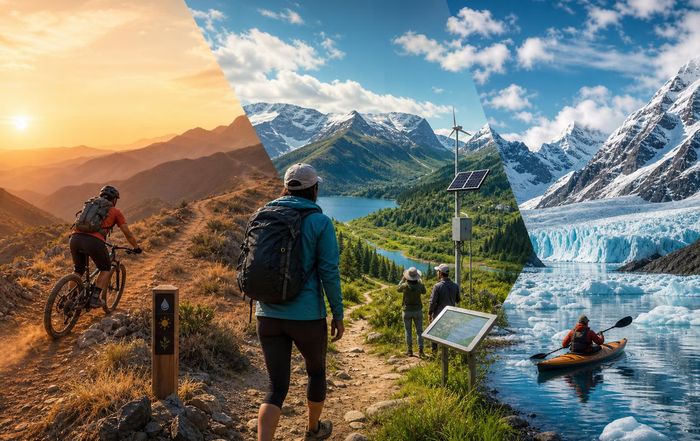
How Climate Adaptation Is Reshaping Outdoor Recreation in 2026
The New Climate Reality for Global Outdoor Sport
By 2026, outdoor recreation has entered a decisive new phase in which climate adaptation is no longer a niche concern for environmental specialists but a central strategic issue for sports leagues, destination managers, brands and policymakers worldwide. Rising temperatures, shifting precipitation patterns and more frequent extreme weather events are altering the geography, seasonality and risk profile of outdoor activities across North America, Europe, Asia, Africa and South America, while also accelerating innovation in equipment, infrastructure, digital services and athlete health management. For a global, sport-centric platform such as Sportsyncr-with its focus on sports, fitness, health, brands and business-this transformation is not just a macro-environmental backdrop; it is becoming a defining lens through which performance, fan engagement, commercial strategy and long-term value are being reassessed.
Climate scientists at organizations such as the Intergovernmental Panel on Climate Change (IPCC) and NASA have documented how the 2020s are likely to be the warmest decade on record, with 2023 and 2024 already registering unprecedented temperature anomalies. Readers can explore the latest synthesis on physical climate impacts through resources such as the IPCC climate reports and the NASA Global Climate Change portal. For the outdoor recreation economy-encompassing skiing in the Alps, hiking in the Rockies, surfing in Australia, cycling in the Netherlands, trail running in South Africa and climbing in Japan-these changes are no longer abstract projections; they are operational realities that influence season start dates, snow reliability, wildfire risks, water availability, insurance costs and even the viability of long-standing events and venues.
From Vulnerability to Strategy: The Outdoor Sector's Climate Pivot
The outdoor recreation sector, historically marketed around pristine landscapes and predictable seasons, has been forced to move from a reactive stance to a strategic, data-driven approach to climate adaptation. Resorts, federations and brands that once treated climate risk as an environmental or reputational issue are now integrating it directly into capital allocation, asset management and product development decisions. Analyses from the World Economic Forum and McKinsey & Company have highlighted how climate-related physical risks are increasingly material for tourism, real estate and sports infrastructure; executives can review these perspectives via the World Economic Forum's climate risk insights and McKinsey's climate risk and response research.
Ski destinations in the United States, Canada, the Alps and Scandinavia are among the most visible early movers, as shorter and more volatile winters compress revenue windows and force investments in snowmaking, water storage and slope reconfiguration. Coastal recreation hubs in Australia, Southeast Asia and the Mediterranean are confronting sea-level rise, erosion and marine heatwaves that affect surfing, diving and beach sports. At the same time, urban outdoor recreation-from running and cycling to open-water swimming and outdoor fitness-faces increased heat stress and air-quality episodes, particularly in dense metropolitan areas across Europe, Asia and North America. For a platform like Sportsyncr, which tracks these developments across news, technology and world sections, climate adaptation is becoming a cross-cutting storyline that connects athlete performance, venue design, sponsorship strategy and fan behavior.
Winter Sports Under Pressure and Reinvention
Among all outdoor segments, winter sports provide the clearest illustration of climate adaptation's immediate impact. Research compiled by organizations such as the European Environment Agency and NOAA has documented declining snow cover duration in many mid-latitude regions and a rising snowline in mountainous areas; interested readers can review regional assessments through the European Environment Agency climate impacts pages and the NOAA Climate.gov portal. For ski resorts in the United States, Canada, the Alps, Japan and the Southern Hemisphere, this translates into fewer reliable low-altitude slopes, greater dependence on artificial snow and heightened financial risk for operators and investors.
In response, leading resort groups and regional authorities are pursuing multi-layered adaptation strategies that combine technical, operational and business-model innovations. Snowmaking systems are being upgraded to more energy- and water-efficient technologies, often integrated with on-site renewable power and advanced weather forecasting, while slope design is being re-engineered to optimize snow retention and reduce exposure to wind and sun. Many destinations are diversifying into four-season offerings such as mountain biking, trail running, climbing parks and wellness tourism to reduce dependence on winter revenue. Business readers can explore broader tourism adaptation strategies through the OECD's work on climate and tourism, accessible via the OECD environment and climate portal.
From a performance and health perspective, the changing winter environment is also reshaping athlete preparation and competition calendars. Cross-country skiers, biathletes and snowboarders are increasingly training at higher altitudes or traveling to more distant snow-secure locations, which raises logistical costs and carbon footprints but is often necessary to maintain elite performance levels. Sports medicine experts, including those affiliated with the International Olympic Committee (IOC) and national institutes, are studying how fluctuating freeze-thaw cycles and more variable surface conditions affect injury risk and equipment design; further information on athlete health in changing climates can be found via the IOC's medical and scientific resources. On Sportsyncr, the intersection of climate, health and science is becoming a key editorial theme as teams, federations and brands reassess training environments and protective gear for athletes and recreational participants alike.
Heat, Health and the Redesign of Warm-Weather Recreation
While winter sports offer a visible case of adaptation, the more pervasive and arguably more complex challenge for outdoor recreation lies in the steady rise of heat stress and humidity in summer and shoulder seasons. Cities across the United States, Europe, the Middle East and Asia are experiencing more frequent and intense heatwaves, with direct implications for running events, cycling races, football training camps, tennis tournaments and mass-participation fitness activities. Organizations such as the World Health Organization (WHO) and national meteorological agencies have issued detailed guidance on managing heat health risks in sport and outdoor work; readers can examine these guidelines via the WHO climate and health pages and national services such as the UK Met Office climate hub.
Event organizers are adapting through a combination of scheduling, course design and medical protocols. Marathons and cycling gran fondos in cities such as London, Berlin, Chicago, Sydney and Singapore are shifting start times to earlier morning hours, increasing the number of hydration stations and deploying more sophisticated on-course medical monitoring. Professional leagues in football, rugby and cricket are adopting mandatory cooling breaks and revising pre-season conditioning plans to account for higher baseline temperatures, while also incorporating heat acclimatization science into training programs. For the broader fitness community, this trend is accelerating the uptake of wearable sensors, smart hydration systems and digital coaching platforms that help participants monitor core temperature, heart rate variability and recovery in real time. Those interested in the latest sports-science evidence on heat acclimation and performance can explore resources from bodies such as the American College of Sports Medicine, accessible via the ACSM's official site.
For Sportsyncr, which serves audiences passionate about fitness, culture and social dynamics of sport, the heat issue is not only a medical and logistical challenge but also a cultural one. Communities in countries such as Spain, Italy, Brazil, Thailand and South Africa are rethinking the timing and nature of outdoor recreation, with night running, dawn cycling and indoor-outdoor hybrid training becoming more common. These shifts, in turn, influence how brands position products, how cities invest in lighting and safety infrastructure, and how media platforms cover live events that no longer fit traditional prime-time slots.
Water, Coasts and the Transformation of Blue-Space Recreation
Water-based recreation-surfing, sailing, open-water swimming, kayaking, diving and fishing-is experiencing a different but equally profound set of climate-driven changes. Sea-level rise, coastal erosion, ocean warming and altered storm patterns are reshaping shorelines from California and Florida to the UK, the Netherlands, Southeast Asia and the Pacific. Scientific work by organizations such as the National Ocean Service and UNESCO's Intergovernmental Oceanographic Commission has documented these changes and their implications for coastal communities; further insights can be accessed through the NOAA National Ocean Service and the UNESCO Ocean Decade initiative.
For surfers and coastal sports enthusiasts, shifting sandbanks, reef health and swell patterns are altering the quality and reliability of iconic breaks, with some locations in Australia, Indonesia and Central America facing both improved and degraded conditions depending on local geomorphology and storm trends. Marinas and yacht clubs in regions such as the Mediterranean, the Caribbean and Northern Europe are investing in more resilient harbor structures, floating infrastructure and improved storm-mooring systems to cope with more intense storms and higher baseline water levels. Open-water swimmers in the UK, Scandinavia and Canada are encountering longer seasons due to warmer water, but also new risks from algal blooms, jellyfish and changing marine ecosystems, which require updated safety protocols and water-quality monitoring.
Freshwater recreation is also being reshaped as glaciers retreat and precipitation patterns change in the Alps, Rockies, Andes and Himalayas. River sports such as kayaking and rafting are facing more variable flow regimes, with some areas experiencing more intense spring melt and flood risk, while others face low-flow conditions that shorten seasons and affect safety. Policy and adaptation strategies in this domain are being informed by institutions such as the World Resources Institute, where tools like the Aqueduct water-risk platform provide granular data for planners and investors; business readers can explore these resources via the World Resources Institute water hub. For Sportsyncr, which tracks environmental and recreational trends in its environment and world coverage, the evolving relationship between athletes, water systems and coastal communities is a central narrative that connects performance, conservation and local livelihoods.
Brands, Equipment Innovation and the Climate-Adapted Athlete
Outdoor and sportswear brands are increasingly positioning themselves at the intersection of performance enhancement and climate adaptation, recognizing that athletes and recreational participants now require gear optimized for more volatile and extreme conditions. Companies such as Patagonia, The North Face, Nike, Adidas, Salomon and Decathlon are investing heavily in material science, ventilation technologies, modular layering systems and advanced footwear traction to address challenges ranging from heat and humidity to variable snow and unstable terrain. Industry watchers can follow broader sustainability and innovation trends through platforms such as Sustainable Apparel Coalition and Textile Exchange, with more information available via the Textile Exchange climate+ program.
At the same time, equipment design is being informed by a growing body of climate and performance data. Trail-running shoes and mountain bikes are being engineered for muddier, more eroded trails; surfboards and wetsuits are being optimized for changing water temperatures and wave conditions; helmets and protective gear are incorporating improved ventilation and impact-dampening materials to cope with both heat and higher crash risks on unpredictable surfaces. Wearable technology firms and sports-tech startups are integrating environmental data-temperature, humidity, UV index, air quality-into training platforms, allowing athletes from Germany to Japan to Brazil to adapt sessions dynamically based on real-time risk indicators. Technology and innovation leaders can monitor this convergence of climate and sport-tech through organizations like MIT's Sports Lab, which provides insights into emerging performance technologies via the MIT Sports Lab site.
For Sportsyncr, with its dedicated coverage of brands, technology and gaming, the climate adaptation narrative offers a rich lens into how product roadmaps, marketing narratives and athlete-brand partnerships are evolving. Endorsement deals increasingly highlight resilience, sustainability and climate awareness as core brand attributes, while digital platforms and virtual experiences are extending outdoor communities into hybrid physical-digital ecosystems that can partially mitigate weather disruptions and expand engagement beyond traditional seasons.
Business Models, Insurance and the Economics of Adaptation
Behind the visible changes in gear, scheduling and venue design lies a deeper economic restructuring of the outdoor recreation sector. Climate adaptation is altering cost structures, revenue models, risk allocation and investment priorities for operators, insurers and sponsors across continents. Resorts and destination managers from the United States and Canada to Switzerland and Japan are facing higher capital expenditures for adaptation infrastructure-snowmaking, flood defenses, shade structures, cooling systems-alongside rising insurance premiums and more stringent risk assessments from financial institutions. Analysts at organizations such as the International Monetary Fund (IMF) and Bank for International Settlements (BIS) have underscored the growing importance of climate risk in financial stability and asset valuation; business leaders can explore these perspectives via the IMF climate finance pages and the BIS green finance hub.
In response, many outdoor businesses are diversifying revenue streams, exploring dynamic pricing models that reflect weather and demand volatility, and forming new risk-sharing partnerships with insurers and public authorities. Some are experimenting with parametric insurance products that pay out automatically when certain climate thresholds-such as lack of snowfall or excessive heat days-are exceeded, thereby smoothing revenue shocks for resorts, event organizers and tour operators. Sponsorship arrangements are also evolving, with brands and rights holders incorporating climate-resilience metrics, sustainability commitments and community adaptation projects into partnership frameworks. Those interested in the commercial side of sport can follow these developments in Sportsyncr's business and sponsorship coverage, where climate adaptation is increasingly linked to long-term asset value, brand equity and stakeholder trust.
On the labor side, climate adaptation is reshaping jobs in outdoor recreation, from ski instructors and mountain guides to lifeguards, park rangers and event staff. Training requirements now often include climate-risk awareness, heat and cold injury management, evacuation procedures and familiarity with digital monitoring tools. As the sector evolves, new roles are emerging at the intersection of sport, data, sustainability and infrastructure, creating opportunities for professionals in Europe, North America, Asia-Pacific and beyond. Readers exploring career implications can find broader context in Sportsyncr's jobs section, where climate adaptation is becoming a recurring theme in talent development and recruitment.
Governance, Policy and the Role of Cities and Regions
Climate adaptation in outdoor recreation is not solely a market-driven process; it is deeply influenced by public policy, urban planning and international frameworks. Municipalities and regional authorities in countries such as the United States, United Kingdom, Germany, Canada, Australia, France, Italy, Spain, the Netherlands, Switzerland, Sweden, Norway, Denmark, South Korea, Japan and Singapore are incorporating sport and recreation into broader climate-resilience strategies. This can be seen in investments in green and blue infrastructure-urban parks, greenways, river restoration, coastal buffers-that serve both adaptation and recreation purposes, as well as in updated building codes for sports facilities and public spaces that must withstand more extreme weather.
International frameworks such as the Paris Agreement and the UN Sports for Climate Action Framework are encouraging sports organizations and cities to align adaptation with mitigation, recognizing that resilient outdoor recreation ecosystems can also contribute to emissions reductions through modal shifts, nature-based solutions and energy-efficient infrastructure. Policymakers and practitioners can access guidance on integrated adaptation strategies through platforms such as the UN Environment Programme (UNEP), with practical resources available via the UNEP climate adaptation portal. For Sportsyncr, which covers world and social dimensions of sport, these governance developments highlight how outdoor recreation can serve as both a beneficiary and an enabler of climate-resilient communities, particularly in regions where sport is deeply woven into cultural identity and social cohesion.
Experience, Trust and the Evolving Expectations of Participants
As climate adaptation reshapes outdoor recreation, the expectations of participants-athletes, fans, tourists and local communities-are changing in subtle but significant ways. Trust is becoming a central currency: trust that events will prioritize participant safety in heatwaves or storms; trust that resorts and operators are investing in responsible adaptation rather than short-term fixes; trust that brands are transparent about their environmental impacts and the durability of their climate-resilient products. Consumer surveys by organizations such as Deloitte and PwC have shown that younger demographics, in particular, place high value on sustainability and climate responsibility in their purchasing and participation decisions; executives can explore these insights via the Deloitte sports industry outlook and the PwC sports survey series.
For Sportsyncr, the challenge and opportunity lie in curating and analyzing this evolving landscape with clarity, depth and independence, helping readers distinguish between genuine adaptation leadership and superficial messaging. By connecting developments across sports, health, business, environment and culture, the platform aims to provide a holistic view of how climate adaptation is influencing not only where and when people play, but also how they perceive risk, value experiences and choose brands and destinations.
Looking Ahead: Competitive Advantage in a Climate-Adapted Outdoor Economy
By mid-decade, it has become clear that climate adaptation is not a temporary adjustment for the outdoor recreation sector but a structural transformation that will define competitive advantage over the next 10 to 20 years. Organizations that combine deep understanding of climate science with operational excellence, technological innovation and authentic engagement with athletes and communities are likely to outperform peers that treat adaptation as a compliance exercise or marketing theme. This applies to ski areas in Switzerland and Colorado, surf hubs in Australia and Portugal, trail networks in Canada and New Zealand, and urban recreation ecosystems from London and Berlin to Singapore and Seoul.
For business leaders, investors, policymakers and practitioners engaged with outdoor recreation, the central question is no longer whether climate adaptation will influence their operations, but how quickly and effectively they can integrate it into core strategy. This requires cross-disciplinary collaboration between climate scientists, engineers, designers, medical experts, technologists and community stakeholders, as well as a willingness to experiment with new models of participation, infrastructure and governance. Platforms such as Sportsyncr-anchored in sport yet attentive to health, culture, technology, business and environment-are positioned to document, analyze and connect these efforts, offering readers a trusted vantage point on how outdoor recreation is being reimagined under the pressures and possibilities of a changing climate.
As 2026 progresses, outdoor recreation remains a powerful source of joy, identity, wellbeing and economic opportunity for millions of people across continents. The task now is to ensure that these experiences can endure and evolve in ways that respect planetary boundaries, safeguard participant health and create resilient value chains from local communities to global brands. Climate adaptation, far from being a constraint, can become a catalyst for more innovative, inclusive and sustainable forms of outdoor sport-if the sector embraces it with the same creativity, discipline and passion that athletes bring to the mountains, oceans, trails and fields they call home.