

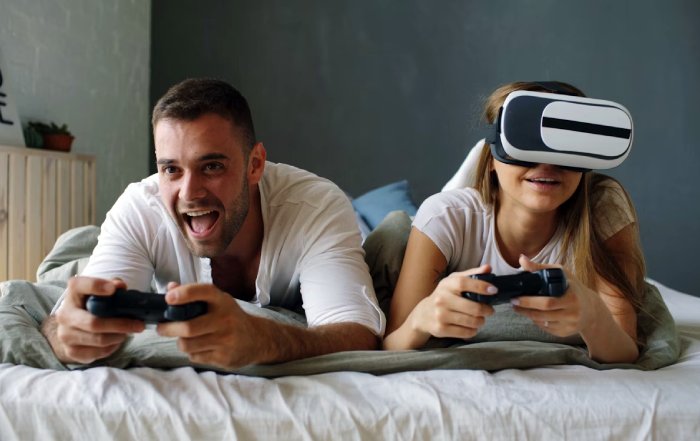
Gaming and Sports: The Convergence Accelerates
The New Arena: Why Gaming and Sports Are Colliding
By 2026, the lines between traditional sports and digital gaming have blurred to a degree that would have been almost unimaginable a decade earlier. What began as parallel entertainment industries-one grounded in physical performance and stadium crowds, the other in virtual worlds and online communities-has evolved into a deeply interconnected ecosystem in which athletes, gamers, brands, and fans move fluidly across platforms, devices, and geographies. For a global audience spanning the United States, United Kingdom, Germany, Canada, Australia, France, Italy, Spain, Netherlands, Switzerland, China, Sweden, Norway, Singapore, Denmark, South Korea, Japan, Thailand, Finland, South Africa, Brazil, Malaysia, New Zealand, and beyond, this convergence is redefining what it means to participate in sport, to compete, and to consume entertainment.
For Sportsyncr, whose editorial focus bridges sports, technology, business, and culture, this accelerating convergence is not a niche development but a structural shift that touches every major pillar of its coverage. It is reshaping athlete training regimes, transforming fan engagement models, creating new sponsorship and media rights markets, and opening entirely new categories of jobs and careers. As global consultancies such as McKinsey & Company and Deloitte note in their ongoing analyses of sports and media, the next wave of growth will be driven by digital-native experiences that merge physical and virtual participation rather than treating them as competing formats. Readers who want to understand how this transformation affects health and performance can explore more on fitness and training innovation and how digital tools are reshaping personal regimes.
From Stadiums to Screens: The Economic Gravity of Esports
The economic center of gravity within the broader sports-entertainment complex has shifted decisively toward digital experiences. Global esports revenues, which Newzoo and other analytics firms began tracking in earnest in the 2010s, have continued to expand through 2025, driven by media rights, sponsorships, in-game purchases, and live events in key markets such as North America, Europe, and Asia. Analysts at PwC and KPMG now treat competitive gaming as a mainstream sports property, with revenue models that mirror those of established leagues. Those seeking a deeper understanding of the commercial landscape can review sector overviews from organizations such as the World Economic Forum and learn more about how digital media is transforming global entertainment.
Traditional sports organizations have not remained on the sidelines. The National Basketball Association (NBA), Premier League clubs, LaLiga, Bundesliga, and Ligue 1 teams, as well as organizations such as Formula 1 and NASCAR, have all invested in or launched esports properties, often in partnership with publishers like Electronic Arts (EA) and Activision Blizzard. These collaborations extend beyond simple licensing into co-created competitions, shared content strategies, and integrated fan engagement platforms. The International Olympic Committee (IOC), after years of debate, has continued to experiment with its Olympic Esports Series, positioning competitive gaming as a complement to the traditional Games and exploring how virtual sports can attract younger global audiences, particularly in Asia and South America. Those interested in how international governance bodies are adapting can explore more on the IOC's digital initiatives.
For brands, this convergence has opened fresh pathways to reach elusive demographics. Major sponsors such as Coca-Cola, Intel, Nike, and Adidas increasingly allocate marketing budgets across a portfolio that includes both traditional sports sponsorship and esports activations, blending physical events with digital campaigns and virtual experiences. In-depth coverage of how brands navigate this evolving landscape is a growing focus at Sportsyncr Brands, where the interplay between sponsorship, authenticity, and fan expectations is examined through a business-centric lens.
Athletes as Gamers, Gamers as Athletes
One of the most striking manifestations of convergence is the changing identity of athletes and gamers themselves. Elite professionals in football, basketball, tennis, motorsport, and combat sports now routinely integrate game-based simulations into their training regimes. Leading clubs in the English Premier League, for example, use advanced football simulations and VR environments to rehearse tactical scenarios and improve decision-making speed, working with technology providers and sports science teams to refine these tools. Research from institutions like MIT and Stanford University has underscored how virtual simulations can enhance cognitive processing, spatial awareness, and reaction times, reinforcing the idea that digital training complements, rather than replaces, physical practice. Those wishing to understand the science behind this can learn more about applied sports science and its integration with performance analytics.
At the same time, top-tier gamers are increasingly recognized as athletes in their own right, with intensive training schedules, coaching support, nutrition plans, and mental performance programs that mirror those of traditional sports stars. Organizations such as Team Liquid, Fnatic, T1, and G2 Esports have invested in performance centers equipped with sports psychologists, physiotherapists, and data analysts. Health institutions and regulators, including bodies like the World Health Organization (WHO), have also weighed in on the importance of balancing screen time with physical activity, leading many esports franchises to incorporate structured fitness routines. Readers interested in the health implications of prolonged competitive gaming can explore more on holistic health in high-performance environments and how balanced regimes are being designed across both sports and gaming.
The cross-pollination is not merely functional; it is also cultural. High-profile athletes such as Neymar Jr., LeBron James, David Beckham, and Serena Williams have invested in or endorsed esports teams and gaming platforms, while star gamers collaborate with sports franchises on branded content, charity streams, and co-created products. This reciprocal recognition amplifies the reach of both groups and sets expectations for younger generations, for whom it is entirely natural to see a footballer streaming a battle royale title or a professional gamer sitting courtside at a major NBA game. For a deeper dive into how this cultural crossover is changing fan expectations, readers can explore Sportsyncr's social and culture coverage, which examines identity, fandom, and community in the digital era.
Immersive Technologies: VR, AR, and the Mixed-Reality Stadium
The acceleration of convergence is inseparable from rapid advances in immersive technologies. Virtual reality (VR), augmented reality (AR), and mixed reality (MR) have moved from experimental showcases to commercially viable components of the sports and gaming experience. Companies like Meta, Apple, Sony, and Microsoft now compete aggressively in the headset and spatial computing markets, while specialized firms such as Unity Technologies and Epic Games provide the engines that power real-time 3D environments. Industry observers can learn more about spatial computing trends and how they are reshaping media consumption.
For traditional sports, these technologies enable fans to experience matches from perspectives that were once impossible: courtside views in basketball, on-board camera feeds in motorsport, or tactical overhead angles in football, all accessible through VR headsets or AR overlays on mobile devices. Broadcasters and leagues are experimenting with interactive viewing interfaces, where fans can select camera angles, access real-time stats, and even participate in predictive games during live events. Media entities like ESPN, Sky Sports, and DAZN are investing in these capabilities to differentiate their offerings in a saturated streaming market. Those interested in how media rights and technology intersect can explore more on sports business and broadcasting innovation, where evolving distribution strategies are a core topic.
In gaming, immersive technologies are enabling more physically active and sport-like play. VR fitness titles, motion-tracked games, and mixed-reality competitions that blend real-world movement with digital scoring systems are gaining ground, particularly in markets such as Japan, South Korea, United States, and Europe, where urban consumers seek engaging indoor exercise options. Health and fitness organizations, including platforms like Peloton and Zwift, have pioneered gamified training environments that turn cycling, running, and strength workouts into competitive and social experiences. Those seeking to integrate gamified training into their own routines can explore more on fitness-focused digital experiences and how they contribute to sustained engagement and performance.
Data, Analytics, and the Science of Performance
Convergence is also being driven by the increasing sophistication of data and analytics in both sports and gaming. Wearable sensors, optical tracking systems, and advanced telemetry now capture granular data on player movement, biometrics, and tactical positioning in real time. In parallel, game publishers and tournament organizers collect massive datasets on player actions, strategies, and outcomes, enabling deep performance analysis and matchmaking optimization. Organizations like Stats Perform, Sportradar, and Catapult Sports are at the forefront of integrating this information into actionable insights for teams, coaches, and broadcasters. Those interested in the broader implications of data-driven performance can learn more about analytics in sport and gaming, where academic and commercial research intersect.
In football, for example, tracking data allows analysts to model expected goals, pressing intensity, and positional efficiency, while in esports titles such as League of Legends, Counter-Strike 2, and Valorant, analysts evaluate reaction times, decision trees, and team coordination patterns. The methodologies are increasingly convergent, with cross-disciplinary specialists moving between traditional clubs and esports organizations. Universities in North America, Europe, and Asia have launched dedicated programs in sports analytics and game design, preparing graduates for careers that straddle both domains. Those exploring future career paths can find more insights on jobs and skills in the evolving sports-gaming economy, where the demand for data literacy and interdisciplinary expertise is growing rapidly.
This data-rich environment also raises questions about fairness, privacy, and integrity. Governing bodies and regulators are grappling with issues such as data ownership, athlete consent, and the use of analytics for competitive advantage. Anti-doping agencies and integrity units, including organizations like WADA and FIFA's integrity department, are exploring how digital tools can both detect and potentially enable new forms of cheating, whether through performance-enhancing substances or software-based exploits. Those wishing to understand the regulatory dimensions can learn more about integrity in sport and how oversight is evolving in tandem with technology.
Business Models, Sponsorship, and Brand Storytelling
The convergence of gaming and sports has unlocked new business models that extend beyond traditional ticket sales, broadcasting rights, and sponsorship packages. In-game advertising, virtual merchandise, digital collectibles, and subscription-based fan communities are now integral to the revenue mix. Major brands and rights holders are experimenting with direct-to-consumer platforms that blend live events, behind-the-scenes content, interactive experiences, and e-commerce into unified ecosystems. For in-depth analysis of these shifts, readers can explore Sportsyncr's business coverage, where the economics of sport, gaming, and media are examined from a strategic perspective.
Sponsorship has become more nuanced and data-driven. Rather than simply placing logos on jerseys or banners, brands are co-creating storylines and experiences that span both physical and digital touchpoints. A sportswear company might outfit a football club and simultaneously release a limited-edition in-game kit in a popular football simulation; a beverage brand might sponsor both a traditional motorsport team and its esports counterpart, aligning messaging around innovation, speed, and sustainability. Organizations such as Nielsen Sports and YouGov provide detailed measurement of audience reach, sentiment, and engagement, enabling sponsors to optimize their investments across channels. Those interested in the evolving sponsorship landscape can learn more about brand partnerships and activation, where case studies and strategic insights highlight best practices.
This shift is also influencing how brands communicate their values, particularly around sustainability, diversity, and social impact. Younger audiences in regions such as Europe, Asia, and Africa expect authenticity and accountability, and they are quick to call out superficial campaigns. Sports and gaming organizations are therefore integrating environmental, social, and governance (ESG) considerations into their operations and messaging, from energy-efficient data centers and low-carbon events to inclusive representation in marketing content. Those seeking to explore the intersection of sport, gaming, and sustainability can learn more about environmental initiatives and how they are being implemented across global events and digital platforms.
Health, Wellbeing, and the Human Factor
As gaming and sports converge, the question of human wellbeing sits at the center of the conversation. High-intensity esports competition can lead to physical strain, mental fatigue, and burnout, just as traditional sports can produce injuries and psychological pressure. Leading teams and leagues in both domains now employ multidisciplinary support staff, including sports psychologists, nutritionists, physiotherapists, and sleep specialists, to protect and enhance performance. Health authorities and academic researchers, including organizations like the Mayo Clinic and Harvard Medical School, have published guidance on managing screen time, posture, and stress, emphasizing the importance of balanced routines. Readers can learn more about health-focused perspectives that connect evidence-based recommendations with real-world practices in both sport and gaming.
Gamification is also being used to promote positive health behaviors among the general population. Fitness apps, connected wearables, and interactive platforms turn exercise into a game, rewarding users for consistency, intensity, and social participation. Public health agencies in Canada, Australia, Singapore, and Scandinavia have partnered with technology providers to encourage active lifestyles, particularly among younger demographics who are deeply embedded in digital cultures. Platforms like Apple Health, Google Fit, and Garmin Connect integrate with sport and gaming ecosystems, allowing users to set challenges, compare performance, and celebrate milestones in ways that feel familiar to gamers. Those interested in how gamification supports long-term wellbeing can explore more on fitness and lifestyle innovation, where technology and behavioral science intersect.
At the elite level, the convergence also raises questions about career longevity and transition. Professional gamers often peak at a younger age than traditional athletes, leading organizations to develop structured pathways into coaching, content creation, and management roles. Similarly, retired athletes are increasingly moving into gaming-related ventures, from co-owning esports organizations to hosting digital shows and participating in virtual competitions. This fluidity of roles underscores the importance of continuous learning and adaptability, themes that are central to Sportsyncr's coverage of jobs and careers in a rapidly evolving sports-gaming economy.
Globalization, Culture, and Community
The convergence of gaming and sports is inherently global, reflecting the borderless nature of digital platforms and the universal appeal of competition. In Asia, countries such as South Korea, China, and Japan have long been at the forefront of esports, while traditional sports continue to grow through localized leagues and international tours. In Europe, football clubs and national federations are integrating esports teams into their structures, while in North America, the franchise-based model has been extended to professional gaming leagues. Emerging markets in Africa and South America are leveraging mobile gaming and streaming platforms to participate in global competitions despite infrastructural constraints. Those interested in the geopolitical and cultural dimensions can learn more about global sports and gaming trends, where regional developments are analyzed in context.
Streaming platforms such as Twitch, YouTube, and Kick have become central hubs where sports and gaming communities intersect. Live watch-alongs, co-streams of major events, and hybrid content that blends gameplay with real-world sports discussion are common, creating spaces where fans from Brazil, South Africa, India, Europe, and North America interact in real time. Social media platforms including X (formerly Twitter), Instagram, and TikTok further amplify these conversations, allowing clips, memes, and highlights to circulate instantly across borders. Those wishing to understand how digital communities shape fandom can learn more about social and cultural dynamics and how they influence both consumption and participation.
This global connectivity also brings challenges, including moderation of online behavior, protection of young participants, and the need for inclusive and respectful environments. Industry associations, NGOs, and regulators in regions such as the European Union and Asia-Pacific are working to establish standards and best practices for online conduct, data protection, and youth engagement. Organizations like UNESCO and UNICEF have highlighted both the opportunities and risks associated with digital participation, emphasizing the need for collaborative governance. Those interested in broader societal implications can learn more about responsible digital engagement and how stakeholders are responding.
Looking Ahead: The Next Phase of Convergence
As of 2026, the convergence of gaming and sports is no longer a speculative trend; it is a defining characteristic of the global entertainment and experience economy. The next phase will likely be shaped by advances in artificial intelligence, cloud computing, and network infrastructure, particularly with the ongoing rollout of 5G and early 6G technologies in markets such as South Korea, Japan, United States, and parts of Europe. These developments will enable even more seamless, low-latency interactions between physical and digital environments, from real-time holographic broadcasts to AI-driven coaching tools that adapt dynamically to individual players and teams. Readers interested in technological frontiers can learn more about innovation at the intersection of sport and tech, where emerging tools are evaluated through a practical and strategic lens.
For Sportsyncr, the task is to chronicle and interpret this transformation with the depth, nuance, and rigor that a sophisticated global audience demands. That means going beyond surface-level excitement about new platforms or viral moments to examine the underlying economics, the science of performance, the cultural shifts, and the human stories that make convergence meaningful. It also means maintaining a strong emphasis on experience, expertise, authoritativeness, and trustworthiness, grounding coverage in verified information, expert perspectives, and transparent analysis. Readers who wish to follow this evolution across sports, health, fitness, culture, business, technology, science, and more can explore the full range of coverage on the Sportsyncr homepage, where the convergence of gaming and sports is treated not as a passing fad but as a central narrative of the modern era.
In this new landscape, the most successful organizations, athletes, gamers, and brands will be those that recognize convergence as an opportunity to reimagine what competition, community, and entertainment can be. They will embrace hybrid experiences that respect the traditions of sport while leveraging the creativity and interactivity of gaming; they will invest in the wellbeing and development of participants across both fields; and they will approach fans not as passive spectators but as active partners in co-creating the future of play. As 2026 unfolds, the arena is no longer confined to the stadium or the screen; it is a shared, evolving space where physical and digital excellence meet, and where the story of sport is being written anew.