

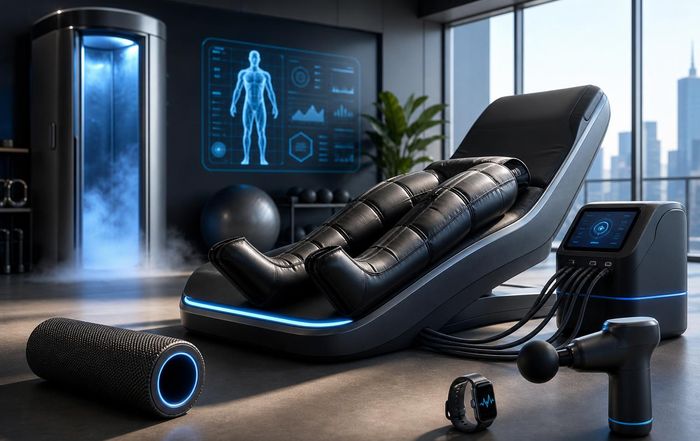
The Future of Smart Recovery Equipment
A New Era of Recovery at the Intersection of Sport, Health and Technology
Smart recovery equipment has moved from the fringes of elite sport into the mainstream of global performance culture, reshaping how athletes, fitness enthusiasts, medical professionals and brands think about rest, regeneration and long-term health. What was once a narrow niche of ice baths and foam rollers has evolved into a connected ecosystem of intelligent devices, data platforms and personalized protocols that link training load with sleep, nutrition, mental health and even workplace productivity. For Sportsyncr and its fitness crazy readers across sports, fitness, health and business, the future of smart recovery equipment is not simply a story of gadgets; it is a story of experience, expertise, authoritativeness and trustworthiness reshaping the competitive landscape from local gyms to global leagues.
The shift is grounded in a growing scientific consensus that recovery is not a passive aftermath of exertion but a strategic, measurable and optimizable phase of performance. Organizations such as World Health Organization highlight the global burden of inactivity and musculoskeletal disorders, while institutions like the U.S. Centers for Disease Control and Prevention emphasize the importance of sleep, stress management and physical activity balance in long-term health. As elite clubs in the English Premier League, NBA, Bundesliga, NFL and UEFA competitions have embraced advanced recovery technologies, their practices have cascaded down into universities, boutique studios and connected home gyms from the United States and United Kingdom to Germany, Australia, Singapore and Brazil. Smart recovery equipment now sits at the convergence of sports science, digital health, consumer technology and brand strategy, creating a fertile ground for innovation that Sportsyncr is uniquely positioned to track across news, technology and world coverage, passionately updated every day.
From Ice Packs to Intelligent Ecosystems
The evolution of recovery tools mirrors the broader digital transformation seen across sport and fitness over the last two decades. Early recovery methods were largely analog and generic: static stretching, massage, hydrotherapy and basic cryotherapy. As sports science matured, evidence-based modalities such as periodized rest, heart-rate variability monitoring and structured warm-down protocols became standard among high-performance teams, with organizations like Australian Institute of Sport and United States Olympic & Paralympic Committee publishing guidelines that influenced practitioners around the world. Learn more about how sports medicine has integrated technology through resources from The American College of Sports Medicine and UK Sport's performance insights.
The arrival of consumer wearables in the 2010s and early 2020s, led by companies such as Apple, Garmin, Fitbit and WHOOP, created a cultural and technological foundation for smart recovery equipment by familiarizing users with continuous monitoring, data-driven coaching and personalized insights. These devices normalized the idea that recovery metrics-sleep stages, resting heart rate, variability, respiratory rate and temperature-could be tracked, interpreted and optimized in real time. Studies from organizations like the National Institutes of Health and European College of Sport Science reinforced the connection between these markers and injury risk, overtraining and mental health, encouraging teams and individuals to invest in smarter tools and protocols. Interested readers can explore the evolving science of recovery through resources from PubMed and Cochrane.
As the market matured, recovery technology diversified into categories such as percussive therapy devices, pneumatic compression boots, infrared and red-light therapy systems, smart cold and heat platforms, neuromuscular electrical stimulation units and connected stretching or mobility tools. Brands including Therabody, Hyperice, NormaTec, Compex and Hydrow helped define the category, while professional organizations such as FIFA Medical Centre of Excellence and American Physical Therapy Association influenced how these tools were integrated into clinical and performance settings. This expansion set the stage for the current phase, in which smart recovery equipment is no longer just about individual devices but about interoperable, AI-driven ecosystems that adapt to the unique physiology, schedule and objectives of each user.
Core Technologies Powering Smart Recovery in 2026
By 2026, several core technologies underpin the most advanced smart recovery solutions, and their convergence is what gives the category its transformative potential. At the foundation are sensor systems-both wearable and embedded-that capture physiological data with increasing accuracy and granularity. Optical heart-rate sensors, accelerometers, gyroscopes, skin temperature monitors, electromyography patches and even emerging non-invasive glucose and lactate sensors provide continuous streams of information about load, fatigue, muscle activation and autonomic balance. Standards and best practices from bodies such as the Institute of Electrical and Electronics Engineers (IEEE) and International Organization for Standardization (ISO) guide device interoperability and safety, helping to protect consumers and professionals alike.
Layered on top of these sensors are machine learning and AI models designed to translate raw signals into actionable insights. These models draw on large, anonymized datasets that span geographies from North America and Europe to Asia and South America, enabling them to recognize patterns across diverse populations and sporting cultures. Organizations like MIT Sports Lab and Stanford Human Performance Alliance have contributed to the research base, while global technology leaders such as Google, Microsoft and Amazon Web Services provide cloud infrastructure, edge computing capabilities and AI services that allow smart recovery devices to process data in near real time. Readers can explore broader AI developments in health and sport through resources from World Economic Forum and OECD's work on AI in society.
Connectivity is equally central to the future of smart recovery equipment. Fifth-generation (5G) and emerging 6G networks, combined with Wi-Fi 6 and advanced Bluetooth standards, allow devices to synchronize seamlessly with smartphones, wearables, gym systems and medical records. This connectivity enables features such as remote physiotherapy supervision, virtual coaching, tele-rehabilitation and integration with workplace wellness platforms. Regulatory frameworks from authorities like the U.S. Food and Drug Administration, European Medicines Agency and Health Canada are increasingly relevant as more recovery devices seek medical-grade certifications or digital therapeutic approvals, raising the bar for evidence, safety and data governance. Learn more about digital health regulation through resources from FDA Digital Health Center of Excellence and European Commission's health technology guidance.
Personalized Recovery: From Generic Protocols to Adaptive Prescriptions
One of the most significant shifts visible in 2026 is the move from one-size-fits-all recovery routines to fully personalized and adaptive prescriptions. Historically, teams and gyms often relied on standardized protocols, such as fixed durations of ice baths or uniform stretching routines, regardless of individual differences in age, sex, training history, injury profile or genetic predispositions. As smart recovery equipment has become more sophisticated, it has enabled the creation of individualized recovery "fingerprints" that reflect not only current fatigue and soreness, but also longer-term trends in resilience, lifestyle and mental load.
In practice, this personalization is driven by the integration of multiple data streams. Training load from GPS trackers and power meters, sleep quality metrics from wearables, psychological markers from validated questionnaires and contextual data such as travel schedules, shift patterns or time-zone changes are combined to generate dynamic recovery scores and recommendations. Platforms used by leading clubs in the United States, United Kingdom, Germany and Japan now automatically adjust recovery modalities for each player, recommending specific combinations of compression, contrast therapy, neuromuscular stimulation and guided breathing based on real-time needs. Research from organizations like FIFA, UEFA, NCAA and International Olympic Committee has underscored the link between individualized recovery strategies and reduced injury rates, particularly in congested competition calendars and youth development pathways.
For the broader active population, personalized recovery is increasingly accessible through connected home equipment and digital coaching services. Mobile applications linked to smart percussive devices, compression sleeves or infrared saunas analyze user responses and adapt protocols over time, much as adaptive training platforms do for cycling or running. Learn more about evidence-based recovery strategies through resources from Mayo Clinic and Cleveland Clinic. For readers of Sportsyncr, this trend intersects directly with complicated themes explored across health, fitness and science, as the platform continues to highlight how data-driven personalization is reshaping both elite and everyday performance.
The Convergence of Recovery, Mental Health and Sleep
Another defining dimension of the future of smart recovery equipment is its growing integration with mental health support and sleep optimization. While physical modalities such as compression and cold therapy remain central, there is now widespread recognition that psychological stress, cognitive load and sleep disruption are equally important determinants of recovery quality. Organizations such as World Health Organization, National Sleep Foundation and American Psychological Association have highlighted the global rise in stress-related conditions and sleep disorders, particularly among high-pressure professions, student athletes and urban populations in markets such as the United States, United Kingdom, South Korea and Singapore.
Smart recovery platforms increasingly embed guided breathing, mindfulness, biofeedback and neuroacoustic stimulation within their ecosystems. For example, some compression systems synchronize inflation cycles with paced breathing exercises to promote parasympathetic activation, while smart eye masks and headbands use EEG-based feedback and soundscapes to facilitate deeper sleep stages and faster sleep onset. Learn more about sleep science and performance through resources from National Sleep Foundation and Sleep Foundation. These capabilities are no longer marketed solely as wellness features; they are framed as performance necessities in leagues such as NBA, NFL, Formula 1 and Premier League, where travel, time-zone shifts and media obligations can severely disrupt circadian rhythms.
The integration of mental health and recovery is also evident in the rise of digital platforms that combine smart equipment with access to sports psychologists, counselors and performance coaches. Tele-health services, supported by regulations and reimbursement models in regions such as North America, Europe and parts of Asia-Pacific, allow athletes and active professionals to receive remote guidance on stress management, burnout prevention and lifestyle design. For the Sportsyncr audience, this convergence underscores the importance of viewing recovery not as a narrow physical process but as a holistic system that includes emotional resilience, social support and cultural context, themes that are explored in the platform's culture and social often cited sections.
Smart Recovery Across Sports, Fitness and Everyday Life
The impact of smart recovery equipment is now visible across the full spectrum of sport and physical activity, from Olympic programs and professional clubs to community leagues, corporate wellness initiatives and home fitness routines. In high-performance environments, recovery technologies are tightly integrated into daily workflows. Professional football clubs in Germany, Spain, Italy and the Netherlands, for example, routinely combine post-match compression boots, cryotherapy chambers and neuromuscular stimulation with individualized nutrition and sleep plans, all monitored through centralized performance dashboards. Organizations such as FC Bayern München, Liverpool FC, Real Madrid CF and Juventus have invested heavily in performance centers that showcase cutting-edge recovery facilities, often in partnership with global technology and health brands.
In North American leagues, franchises in NBA, NFL, NHL and MLS have expanded their recovery suites to include infrared saunas, floatation tanks, smart massage chairs and connected mobility stations, supported by in-house performance science teams that collaborate with university researchers. Learn more about how elite teams are leveraging science and technology through resources from NBA's performance initiatives and NFL's health and safety program. In Asia, clubs in Japan's J.League, South Korea's K League and China's professional basketball and football systems are adopting similar approaches, often blending Western methodologies with traditional practices such as onsen bathing, acupressure and herbal therapies, now augmented by digital tracking and AI-driven personalization.
At the fitness and consumer level, smart recovery equipment is increasingly integrated into connected ecosystems that span smart bikes, treadmills, strength platforms and digital content subscriptions. Home users in markets like the United States, Canada, United Kingdom and Australia now expect their recovery tools to synchronize with training apps, automatically adjusting recommendations based on recent workouts, sleep trends and even work calendars. Boutique studios and premium gyms in cities from London and Berlin to Singapore and São Paulo offer recovery lounges featuring compression chairs, infrared pods and guided relaxation zones, often as part of tiered membership models that emphasize holistic performance rather than just exercise volume. For many, these spaces have become social hubs where members exchange experiences and insights, reinforcing the community dimension that Sportsyncr highlights across its brands and social recommended coverage.
Brand Strategy, Sponsorship and the Business of Recovery
The business implications of smart recovery equipment are profound, touching brands, rights holders, sponsors, retailers and employers. Recovery has become a strategic brand platform, allowing companies to position themselves at the intersection of performance, health, sustainability and digital innovation. Leading sportswear, technology and health companies now compete to own the "recovery moment," whether through branded recovery lounges in stadiums, co-branded devices with teams and athletes or integrated content partnerships that deliver education and storytelling around sleep, stress and regeneration.
For clubs and leagues, smart recovery partnerships offer new sponsorship categories and revenue streams. Deals between performance technology companies and entities such as UEFA, Premier League, LaLiga, Bundesliga, NFL and NBA increasingly include access to anonymized data insights, co-developed content, joint research projects and fan engagement initiatives that translate elite recovery practices into accessible guidance for everyday supporters. Learn more about the evolution of sports sponsorship and technology partnerships through resources from SportBusiness and Deloitte's sports industry outlook. For Sportsyncr, which covers sponsorship and business trends across regions, the rise of recovery as a commercial category is a key storyline connecting brands, rights holders and consumers.
Employers and insurers are also entering the smart recovery space as they seek to address musculoskeletal injuries, burnout and absenteeism in the workforce. Corporate wellness programs in sectors such as technology, finance, logistics and healthcare are increasingly incorporating recovery technologies into on-site facilities and remote benefits, particularly in markets like the United States, Germany, Singapore and the Nordics where knowledge-intensive work and sedentary lifestyles intersect. Some insurers now offer incentives or premium discounts for organizations that deploy evidence-based recovery and ergonomics solutions, aligning financial and health outcomes. For global readers focused on jobs and workplace trends, this represents a shift in how organizations view the duty of care to employees, extending beyond traditional safety to proactive support for long-term physical and mental resilience.
Data Privacy, Ethics and Trust in a Connected Recovery World
As smart recovery equipment becomes more deeply embedded in daily life, questions of data privacy, ethics and trust move to the forefront. The same data that enables personalized recovery-heart rate variability, sleep patterns, injury history, stress markers-can reveal sensitive information about an individual's health, habits and vulnerabilities. Organizations such as European Data Protection Board, U.S. Federal Trade Commission and Singapore's Personal Data Protection Commission have issued guidance and regulations governing the collection, storage and use of biometric and health-related data, while global frameworks like GDPR and sector-specific standards such as HIPAA shape how companies must design and operate their systems.
For athletes and employees, concerns include potential misuse of data in contract negotiations, selection decisions, insurance underwriting or workplace monitoring. Independent bodies and player unions in leagues such as FIFPRO, NFLPA and NBPA have called for transparent policies, informed consent and clear boundaries on how performance and recovery data can be used, stored and shared. Learn more about digital rights and health data ethics through resources from Electronic Frontier Foundation and Future of Privacy Forum. For consumers, trust is shaped by how clearly brands communicate their data practices, the robustness of their security measures and the extent to which they allow users to control, export or delete their information.
In this context, experience, expertise, authoritativeness and trustworthiness become differentiators in the market for smart recovery equipment. Companies that invest in independent validation studies, publish transparent methodologies, collaborate with reputable institutions and prioritize user control over data are more likely to earn long-term loyalty. For Sportsyncr, which aims to serve as a trusted guide at the intersection of sport, health, culture and technology, scrutinizing these dimensions is central to delivering value to readers across regions from North America and Europe to Asia, Africa and South America.
Sustainability and the Environmental Footprint of Recovery Technology
The future of smart recovery equipment is also intertwined with environmental considerations, as consumers, athletes and organizations increasingly demand sustainable business practices. The production, distribution and energy use of electronic devices carry significant environmental footprints, and stakeholders are looking for ways to minimize these impacts without compromising performance or accessibility. Organizations such as United Nations Environment Programme, Ellen MacArthur Foundation and World Resources Institute have highlighted the importance of circular economy principles, responsible sourcing and energy efficiency in consumer electronics and sports equipment. Learn more about sustainable business practices through resources from UNEP and Ellen MacArthur Foundation.
Manufacturers of smart recovery equipment are beginning to respond by designing products with modular components, repairability, recyclable materials and lower-impact packaging. Some are exploring take-back and refurbishment programs, renewable energy-powered production and carbon-neutral logistics, particularly in environmentally conscious markets such as the Nordics, Germany, Netherlands and New Zealand. For facilities such as training centers, gyms and corporate wellness hubs, energy management systems and smart scheduling can reduce the environmental impact of high-energy modalities like cryotherapy and saunas by aligning operation with peak usage and renewable supply. For Sportsyncr, which covers environment and ESG themes alongside sport and business, the sustainability of recovery technology is likely to become a recurring lens through which new products and partnerships are evaluated.
Regional Dynamics and Global Opportunities
While the future of smart recovery equipment is global, regional dynamics shape how innovation is developed, adopted and regulated. In North America, a combination of strong professional leagues, venture capital, university research ecosystems and consumer health awareness has fueled rapid growth in both elite and consumer segments. The United States and Canada remain key markets for early adoption of high-end devices and subscription services, with a strong emphasis on integration with wearables and digital health platforms.
In Europe, particularly in the United Kingdom, Germany, France, Italy, Spain, Netherlands, Switzerland, Sweden, Norway, Denmark and Finland, the landscape is characterized by close collaboration between clubs, national federations, academic institutions and technology providers. Regulatory frameworks are more stringent, especially around data protection and medical claims, encouraging rigorous validation and careful positioning of recovery devices that straddle the line between wellness and healthcare. In Asia, markets such as Japan, South Korea, Singapore, China, Thailand and Malaysia show strong demand for compact, connected and lifestyle-oriented recovery solutions, often integrated into dense urban living environments and influenced by local cultural practices around bathing, massage and traditional medicine.
In emerging markets across Africa and South America, including South Africa and Brazil, opportunities lie in scalable, cost-effective recovery solutions that can support youth development, community sport and workplace health in environments where access to advanced facilities is limited. Mobile-first platforms, shared equipment models and partnerships with public health initiatives may play a central role in these regions. For a global top sports news platform like Sportsyncr, which serves readers interested in developments across world and regional markets, understanding these nuances is essential to providing context that resonates with audiences from elite executives in London and New York to performance coaches in Johannesburg, São Paulo, Bangkok and Auckland.
How About Smart Recovery as a Key Advantage?
As the world moves deeper into the second half of the 2020s, smart recovery equipment is poised to become a strategic advantage not only for athletes and teams, but for brands, employers, healthcare systems and even cities. The convergence of advanced sensing, AI-driven personalization, mental health integration, sustainability and responsible data governance will differentiate leaders from followers in this rapidly evolving space. Those who succeed will be the organizations that treat recovery not as an afterthought or add-on, but as a central pillar of performance, health and culture, embedded in daily routines, organizational design and brand narratives.
For Sportsyncr, the future of smart recovery equipment offers a rich, multi-dimensional story that cuts across sports, fitness, health, business, technology, culture and environment. By tracking the latest innovations, interrogating the evidence, highlighting best practices and giving voice to athletes, practitioners, scientists and business leaders around the world, the platform can help its audience navigate a landscape where the smartest move may not be to train harder, but to recover better, more intelligently and more sustainably. In that sense, the future of smart recovery equipment is not just about devices; it is about redefining what it means to perform, compete and thrive in a connected, high-pressure, health-conscious global society.