

Sports Research Shaping Future Training Methods
How Evidence-Based Training Became the New Competitive Edge
The global sports ecosystem has reached an inflection point where intuition and tradition are no longer sufficient to sustain competitive advantage, protect athlete health, or build enduring performance cultures. Across elite leagues, grassroots programs, and the rapidly expanding fitness economy, coaches, executives, and athletes are increasingly aligning with rigorous sports science, data analytics, and interdisciplinary research. For Sportsyncr and its sports active community, who jump at the intersection of performance, health, business, and culture, this shift marks a decisive move toward a more evidence-based, technology-enabled, and ethically grounded era of training.
The transformation has been driven by converging forces: advances in physiology and neuroscience, the maturation of wearable technologies, improved access to longitudinal injury and performance datasets, and the commercialization of sports science through global brands and digital platforms. Organizations that once relied primarily on anecdotal coaching wisdom now benchmark their practices against peer-reviewed research from institutions such as Stanford University, Loughborough University, and Australian Institute of Sport, as well as data-driven insights from major leagues and federations. As stakeholders seek to understand how modern sports research is reshaping training methods, they increasingly turn to integrated platforms like Sportsyncr Sports and Sportsyncr Fitness, which curate developments across performance, technology, and culture for a global audience.
From Tradition to Data: The New Foundations of Training
In the past, training methodologies were often passed down through coaching lineages, with relatively limited empirical validation and considerable variation between regions and sports. Today, the landscape is different. Organizations now draw on systematic reviews, meta-analyses, and consensus statements from bodies such as the American College of Sports Medicine and the British Journal of Sports Medicine, which synthesize decades of research into practical recommendations for training load, recovery, and injury prevention. Readers who want to explore the evolution of exercise science can, for instance, review resources from the U.S. National Institutes of Health that highlight how sports medicine has matured into a sophisticated, multidisciplinary field.
This scientific foundation is not only shaping elite performance programs but also filtering down to community clubs, digital fitness platforms, and workplace wellness initiatives. The same physiological principles that guide periodization for Olympic athletes are now influencing how personal trainers design strength and conditioning programs for everyday participants, and how global brands structure evidence-based wellness offerings. On Sportsyncr, this convergence is reflected in the alignment of performance content with broader themes on health, business, and culture, illustrating that modern training is as much about strategic planning and organizational learning as it is about sets and repetitions.
Load Management and Injury Prevention: Research in Action
One of the most visible outcomes of modern sports research has been the mainstream adoption of load management and injury prevention strategies. High-profile leagues in the United States and Europe, including the NBA, Premier League, and Bundesliga, have invested heavily in performance science teams and partnerships with academic institutions to understand how training volume, match congestion, travel, and sleep influence injury risk. Studies disseminated through platforms such as PubMed and BMJ Sports & Exercise Medicine have made it increasingly clear that sudden spikes in training load, inadequate recovery, and poor sleep hygiene significantly elevate the risk of soft-tissue injuries and overuse syndromes.
This evidence has led to more systematic monitoring of both external load (such as distance covered, accelerations, and impacts) and internal load (including heart rate variability, perceived exertion, and biochemical markers). Professional clubs now routinely use GPS tracking, accelerometers, and heart rate monitors to quantify training sessions, while medical and performance staff collaborate to individualize workloads. The same principles are now being adopted in youth academies and university programs in the United States, United Kingdom, Germany, and beyond, with coaches increasingly educated through resources from organizations like World Rugby, FIFA, and UEFA on how to balance development with long-term health. For Sportsyncr's audience, which spans grassroots participants to executives, this shift underscores how research-driven load management is becoming a non-negotiable component of responsible training design.
The Rise of Wearables, Sensors, and Real-Time Analytics
The proliferation of wearable technology and connected devices has transformed how training data is captured, interpreted, and applied. Companies such as WHOOP, Garmin, Polar, and Apple have pushed the boundaries of continuous physiological monitoring, enabling athletes, coaches, and recreational users to track metrics such as heart rate variability, sleep stages, strain, and recovery indices in real time. Independent validation studies, many accessible via Google Scholar, have been instrumental in distinguishing robust devices from marketing hype, and in guiding how these metrics should be integrated into practical decision-making.
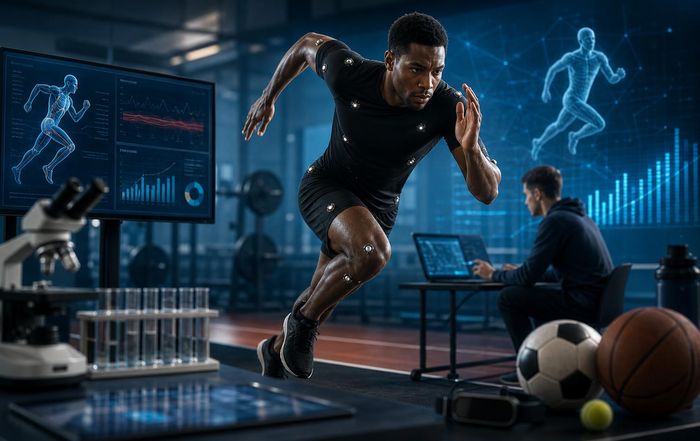
At the elite level, professional teams and national federations increasingly operate integrated performance centers where data from wearables, force plates, motion capture systems, and on-field tracking are consolidated into centralized platforms. Data scientists, performance analysts, and sports scientists collaborate to build predictive models that can flag early signs of fatigue, asymmetry, or elevated injury risk. In parallel, consumer-facing platforms have brought elements of this sophistication to the broader fitness community, offering personalized training plans and recovery recommendations based on evidence-based algorithms. Readers interested in the broader technology landscape can explore how digital health and sports tech are evolving through sources such as MIT Technology Review and World Economic Forum, which regularly analyze the intersection of data, health, and human performance.
Sportsyncr has positioned itself at this nexus by tracking how these technologies influence not only training outcomes but also data governance, privacy, and athlete autonomy, themes that are increasingly covered in its dedicated technology and world sections.
Neuroscience, Cognition, and the Mental Side of Performance
While early waves of sports research focused predominantly on cardiovascular fitness, strength, and biomechanics, the last decade has seen a surge of interest in neuroscience, cognition, and mental health. Leading institutions such as Harvard Medical School and University College London have published influential work on how stress, anxiety, and cognitive load affect decision-making, reaction time, and motor learning in competitive environments. Interested readers can explore how brain health and exercise are interlinked through resources from Harvard Health Publishing, which regularly covers the cognitive benefits of physical activity and the impact of sleep and stress on performance.
This research has catalyzed the integration of mental skills training, mindfulness, and psychological resilience programs into mainstream training environments. Elite teams in football, basketball, rugby, and cricket now commonly employ sports psychologists and performance coaches who collaborate with technical and medical staff to design holistic development plans. Training sessions increasingly incorporate decision-rich drills, variable practice, and pressure simulations that are grounded in motor learning theory and cognitive science, rather than repetitive, decontextualized drills. This approach aligns with the broader societal shift toward recognizing mental health as a critical component of overall well-being, a theme that Sportsyncr explores across its social and health coverage, particularly as athletes from regions such as North America, Europe, and Asia speak more openly about psychological challenges in high-performance settings.
Personalized and Precision Training: The Era of Individual Profiles
The concept of "one-size-fits-all" training has been steadily eroded by research demonstrating the substantial inter-individual variability in response to exercise. Studies led by groups such as the Canadian Institutes of Health Research and European College of Sport Science have shown that genetics, training history, lifestyle, and even gut microbiome composition can influence how individuals adapt to endurance, strength, or high-intensity interval training. For those wishing to deepen their understanding of precision health and exercise, the Mayo Clinic provides accessible insights into how personalized medicine principles are being applied to lifestyle and rehabilitation programs.
In practice, this has led to the widespread use of individualized profiling in professional and high-performance environments. Athletes undergo comprehensive assessments that include strength and power testing, movement screening, metabolic profiling, and psychological questionnaires, which are then used to design customized training blocks and recovery protocols. Even within team sports, players may follow differentiated conditioning plans based on positional demands, injury history, and current readiness scores. In the broader fitness market, digital platforms and connected equipment now offer adaptive training plans that adjust difficulty based on ongoing performance and feedback, bringing elements of precision training to millions of users worldwide. Sportsyncr reflects this evolution by highlighting how personalization is reshaping both elite programs and consumer fitness experiences in its fitness and brands sections, particularly as global companies integrate genetic testing, AI coaching, and tailored nutrition into their offerings.
Nutrition, Recovery, and the Science of Sustainable Performance
Contemporary sports research has also revolutionized understanding of how nutrition, hydration, and recovery strategies influence training adaptation and long-term performance sustainability. Organizations such as the International Olympic Committee and Gatorade Sports Science Institute have supported extensive research into carbohydrate periodization, protein timing, micronutrient status, and hydration strategies across different climates and competition formats. Those seeking evidence-based guidance on sports nutrition can explore resources from Sports Dietitians Australia or the Academy of Nutrition and Dietetics, which synthesize current consensus for athletes at various levels.
Recovery science has similarly advanced, moving beyond simplistic rest day concepts to a more nuanced understanding of sleep quality, circadian rhythms, cold-water immersion, compression, and active recovery protocols. The National Sleep Foundation and American Academy of Sleep Medicine have highlighted the critical role of sleep in hormonal regulation, immune function, and cognitive performance, leading many teams to redesign travel schedules, training times, and sleeping environments. This research has also intersected with sustainability and environmental considerations, as organizations evaluate the ecological footprint of travel and facility operations, themes that Sportsyncr explores in its environment reporting. The net effect is that training programs in 2026 are increasingly designed not only to maximize performance peaks but also to sustain health, availability, and career longevity over many seasons.
Youth Development and Long-Term Athlete Pathways
A particularly important area where sports research is reshaping practice is youth development. Historically, early specialization, excessive training volume, and high competition frequency led to burnout and overuse injuries among young athletes in many countries, from the United States and Canada to Germany and Japan. In response, organizations such as Long-Term Athlete Development Canada, UK Sport, and Australian Sports Commission have promoted evidence-based frameworks that emphasize multi-sport participation, age-appropriate training loads, and progressive skill acquisition. Interested readers can learn more about long-term athlete development philosophies through resources from Sport for Life Canada and UK Coaching, which translate research into practical guidance for coaches and parents.
By 2026, many federations and clubs have adopted staged development models that align training content with biological maturation rather than chronological age, and that prioritize enjoyment, fundamental movement skills, and psychological well-being in early stages. This shift has implications not only for performance outcomes but also for social inclusion, diversity, and talent identification, given that late developers and athletes from underrepresented communities historically faced structural disadvantages. Sportsyncr has increasingly covered how these long-term development models intersect with broader social and world issues, including access to facilities, gender equity, and the role of schools and community organizations in promoting active lifestyles.
The Business of Performance: Research as a Strategic Asset
The integration of sports research into training methods has also become a strategic business issue. Professional clubs, leagues, and brands recognize that evidence-based performance programs can reduce injury-related costs, extend athlete careers, and enhance on-field success, all of which have direct financial implications. Leading organizations in North America, Europe, and Asia now operate internal research and innovation departments or partner with universities and technology companies to co-develop methodologies, tools, and intellectual property. For a business-oriented audience, sources such as Harvard Business Review and McKinsey & Company offer case studies on how data, analytics, and research-driven decision-making are transforming sports organizations and adjacent industries.
This commercialization of sports science has also given rise to new career pathways. Performance scientists, data analysts, sports technologists, and behavioral specialists are now integral members of high-performance teams, and demand for these roles is growing in sectors ranging from professional clubs to health-tech startups and corporate wellness providers. Platforms like Sportsyncr, through its jobs and business coverage, are increasingly serving as connectors between research-driven organizations and professionals with expertise in physiology, analytics, and product innovation. The net result is that sports research is no longer confined to academic journals; it is a core asset in commercial strategy, brand positioning, and talent acquisition.
Globalization, Cultural Context, and Equity in Sports Research
As sports research becomes more influential in shaping training methods, questions of representation, cultural context, and equity have moved to the forefront. Historically, much of the published literature was concentrated in North America, Western Europe, and Australia, with underrepresentation of athletes, sports, and environmental conditions from Africa, South America, Asia, and the Middle East. In recent years, however, institutions and governing bodies have recognized the need for more globally representative datasets and context-specific research, particularly as elite competitions and professional leagues expand into diverse markets. Organizations such as the World Health Organization and UNESCO have emphasized the importance of culturally sensitive approaches to physical activity promotion and talent development, and readers can explore these perspectives through the WHO physical activity and UNESCO sport portals.
This global lens is particularly important for regions with unique climatic, socioeconomic, or cultural conditions, such as high-heat environments in parts of Asia and Africa, high-altitude areas in South America, or densely populated urban centers in Europe and North America. Training methods that are optimal in one context may require significant adaptation in another, and research is increasingly attentive to these nuances. Sportsyncr, with its worldwide readership and focus on world and news coverage, plays a role in surfacing how innovations from countries such as Brazil, South Africa, Japan, and Norway are contributing to a more diverse and resilient global performance ecosystem.
Esports, Gaming, and the Expansion of Performance Science
An emerging frontier where sports research is reshaping training methods lies in esports and competitive gaming. As professional gaming has grown into a multibillion-dollar global industry, teams and organizations have begun to apply sports science principles to optimize cognitive performance, reaction time, posture, and mental resilience among players who may spend long hours in high-stress, sedentary environments. Research from institutions such as German Sport University Cologne and University of Nevada, Las Vegas has explored how physical fitness, sleep, and nutrition influence esports performance, and how targeted exercise can mitigate musculoskeletal issues associated with prolonged gaming. Readers interested in this intersection can explore discussions on performance and gaming through outlets like The Esports Observer and NPR technology and culture reporting.
This convergence of traditional sports science and digital competition illustrates how performance research is broadening beyond conventional definitions of sport. Sportsyncr has responded by integrating esports and digital performance topics into its gaming and technology sections, recognizing that the same principles of load management, cognitive training, and mental health support that apply to footballers and basketball players are increasingly relevant to professional gamers and streamers in the United States, South Korea, China, and Europe.
Ethical, Environmental, and Governance Considerations
As research-driven training methods become more sophisticated, ethical and governance questions have intensified. The use of biometric data, genetic information, and psychological profiling raises concerns about privacy, consent, and potential misuse, particularly in environments where power imbalances exist between athletes and organizations. Bodies such as WADA and national data protection authorities have begun to issue guidance on how performance data should be collected, stored, and used, and stakeholders are increasingly attentive to the need for transparent frameworks that protect athlete rights. Those interested in the broader digital ethics context can learn more from resources provided by the OECD on data governance and the European Data Protection Board, which, while not sports-specific, influence how sports organizations operating globally must structure their data practices.
Environmental sustainability has also entered the equation, as teams and governing bodies recognize that travel-intensive competition calendars and energy-intensive facilities have climate implications. Research into sustainable facility design, low-carbon travel strategies, and environmentally responsible equipment is beginning to influence training infrastructure and operational decisions. Sportsyncr reflects these developments through its environment and sponsorship coverage, highlighting how brands and rights holders in markets from Europe to Asia-Pacific are integrating sustainability metrics into performance and commercial strategies.
What This Means for Sportsyncr Sports Active Community
For the growing, active people that engage with Sportsyncr, spanning athletes, coaches, executives, brand leaders, and enthusiasts across North America, Europe, Asia, Africa, and South America, the implications of research-driven training are both practical and strategic. On a practical level, it means that training programs-whether in professional clubs, community gyms, or digital platforms-are increasingly grounded in robust evidence, with clearer rationales for exercise selection, load progression, and recovery protocols. It also means that individuals at every level can access higher-quality information and tools, narrowing the gap between elite and recreational practice.
Strategically, the integration of sports research into training methods reshapes how organizations think about talent development, product innovation, brand positioning, and social responsibility. Performance is no longer viewed in isolation but as part of a broader ecosystem that includes athlete health, mental well-being, cultural context, environmental sustainability, and data governance. Sportsyncr, through its independent and impartial news coverage of sports, fitness, health, business, and culture, is positioned as a trusted guide in this evolving landscape, helping readers interpret research developments and translate them into informed decisions.
As seasons unwind, the organizations and individuals who will thrive are those who not only adopt the latest training innovations but also critically evaluate the underlying evidence, respect ethical boundaries, and adapt methods to their unique contexts. Sports research is no longer a distant academic pursuit; it is the engine driving how the world trains, competes, and defines performance, and digital sites like Sportsyncr are central to ensuring that this engine runs with experience, expertise, authoritativeness, and trustworthiness at its core.