

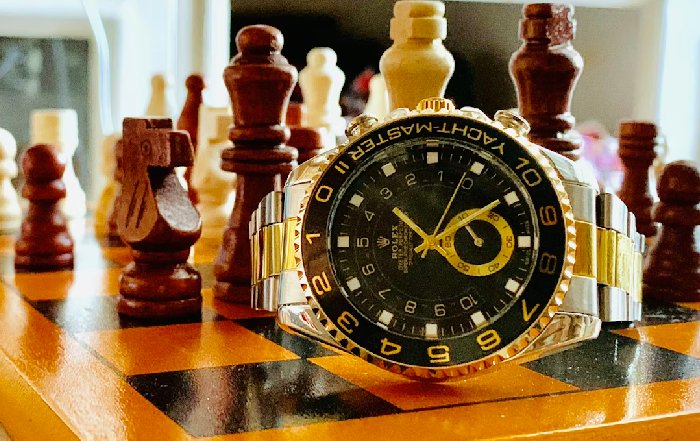
Precision, Prestige, and Performance: How Luxury Watchmaking Powers High-Stakes Sports Timing
The New Arena Where Horology Meets Elite Sport
The relationship between luxury watchmaking and high-stakes sports timing has evolved from a niche sponsorship narrative into a strategic alliance that shapes how global audiences perceive precision, performance, and prestige. What began as simple stopwatches at trackside has become a sophisticated ecosystem in which Rolex, Omega, TAG Heuer, Hublot, Richard Mille, Patek Philippe, and other leading maisons deploy advanced engineering, data science, and brand storytelling to define the tempo of elite competition across continents. For a platform like Sportsyncr, which examines the intersection of sport, business, technology, and culture, this convergence offers a powerful lens on how timekeeping has become both a technical backbone of modern sport and a high-value asset in luxury brand strategy.
Luxury watchmakers have moved far beyond the role of logo-bearing sponsors; they are now deeply embedded in the infrastructure of global events, from the Olympic Games and FIFA World Cup to Formula 1, Grand Slam tennis, and the America's Cup. Simultaneously, the same brands leverage these partnerships to reinforce their positioning among affluent consumers in key markets such as the United States, the United Kingdom, Germany, China, and the broader regions of Europe and Asia, where elite sport serves as a shared cultural language and a vehicle for aspirational identity. This article explores how precision engineering, digital innovation, and strategic sponsorships are transforming luxury watchmaking into a central actor in the high-stakes world of competitive timing, while also assessing the implications for health, performance, employment, and sustainability.
From Trackside Stopwatches to Integrated Timing Ecosystems
The historical bond between horology and sport is rooted in the pursuit of ever-greater precision. In the early twentieth century, brands such as Heuer (now TAG Heuer) and Omega developed mechanical stopwatches for athletics and motor racing, enabling officials to measure performance to tenths and eventually hundredths of a second. Over the decades, these devices evolved into electronic timing systems and, more recently, into fully integrated digital platforms that synchronize sensors, cameras, and data analytics.
The role of Omega as the Official Timekeeper of the Olympic Games, documented by the International Olympic Committee, illustrates this technological progression, as the company has introduced innovations such as touchpads in swimming pools, photo-finish cameras for track events, and motion sensors that capture real-time performance metrics. Likewise, Rolex has become synonymous with the precise pacing of tennis at Wimbledon and the US Open, as well as the exacting demands of endurance events like the 24 Hours of Le Mans, whose timing standards are detailed by the Fédération Internationale de l'Automobile.
For high-stakes competitions, where fractions of a second can determine titles, sponsorships are inseparable from technical responsibility. The watchmaker's logo on the scoreboard signals not only financial support but also a guarantee that results are measured with certified accuracy, reliability, and redundancy. This transformation from stopwatch supplier to systems integrator has raised the expertise threshold for luxury brands, requiring them to invest in electronics, software, and data security in addition to traditional mechanical craftsmanship.
Engineering Authority: How Precision Builds Brand Power
Luxury watchmakers derive much of their authority from the perception that they are masters of accuracy, reliability, and durability under extreme conditions. In sports timing, this authority is tested in real time and on a global stage. When TAG Heuer provides timing for motorsport series or Hublot supports timekeeping for major football tournaments, the performance of their systems under pressure reinforces the credibility of the watches worn on the wrists of athletes, executives, and collectors.
Regulatory bodies such as the Contrôle Officiel Suisse des Chronomètres (COSC) certify chronometers for precision, and this culture of rigorous testing aligns naturally with the demands of elite sport, where the World Athletics and other federations impose strict technical standards on timing equipment. For luxury maisons, the ability to meet or exceed these requirements allows them to claim not just aesthetic superiority but measurable performance advantages, a critical differentiator in competitive markets such as North America, Europe, and Asia-Pacific.
This technical credibility translates into commercial power. Consumers in high-growth markets like China and Singapore, as well as mature markets like Switzerland and the United States, increasingly seek brands that embody both heritage and innovation. By aligning with high-stakes sports, watchmakers reinforce narratives of discipline, resilience, and excellence that resonate with executives, entrepreneurs, and professionals who view time as their most valuable asset. On Sportsyncr's business-focused coverage, this interplay between precision engineering and brand equity is central to understanding why timing partnerships command multimillion-dollar contracts and multi-decade commitments.
Digital Transformation: From Mechanical Craft to Data-Driven Performance
The digital revolution has reshaped both elite sport and luxury watchmaking, creating new expectations for real-time information, immersive viewing, and performance analytics. High-stakes sports timing is now a hybrid discipline, blending mechanical heritage with advanced electronics, cloud computing, and AI-driven data insights. Organizations such as Omega, TAG Heuer, and Rolex work closely with event organizers, broadcasters, and technology partners to deliver timing data that feeds live broadcasts, second-screen experiences, and post-event analysis.
Major leagues and federations, including the National Basketball Association and FIFA, increasingly rely on integrated timing and tracking systems to support officiating, replay review, and fan engagement. Watchmakers that can design robust timing infrastructure, synchronize with high-speed cameras, and ensure secure data transmission gain a strategic role that goes far beyond traditional branding. For a technology-oriented audience, Sportsyncr's coverage of sports technology highlights how these systems underpin the integrity and entertainment value of modern competitions.
At the same time, luxury brands must navigate the rise of smartwatches and wearables, which have transformed consumer expectations around connectivity, health monitoring, and fitness tracking. While mechanical watchmaking remains the core identity of maisons such as Patek Philippe and Audemars Piguet, the broader ecosystem of timekeeping now spans everything from optical heart-rate sensors to GPS-based performance analytics. Industry research from institutions such as the Swiss Watch Industry Federation and market analysis from McKinsey & Company show that mechanical luxury and digital functionality increasingly coexist, with many consumers owning both a high-end mechanical watch and a sports-focused wearable.
In this environment, luxury watchmakers leverage their sports timing expertise to position themselves as authorities on performance, even as they selectively integrate digital features into accessories, connected straps, or partnerships with technology firms. The convergence of mechanical mastery and digital insight reflects a broader shift in how time, data, and performance are intertwined in elite sport and executive lifestyles.
Athlete Health, Performance, and the Human Side of Precision
High-stakes sports timing is not only about determining winners and losers; it also plays a growing role in protecting athlete health and optimizing performance. The precise measurement of split times, acceleration, and workload allows coaches, medical teams, and sports scientists to monitor stress, fatigue, and recovery with unprecedented granularity. Organizations such as the World Health Organization and Centers for Disease Control and Prevention have long emphasized the importance of physical activity, and elite sport serves as both a laboratory and a showcase for how data can support safer, more effective training methodologies.
Luxury watchmakers, while not typically producing medical devices, contribute to this ecosystem through timing systems that feed into performance analytics platforms and research initiatives. In sports like cycling, marathon running, and triathlon, where marginal gains can translate into podium finishes, the reliability of timing data is essential for designing training plans and managing race-day strategy. This focus on evidence-based performance aligns with the interests of Sportsyncr readers who follow health and fitness, as the same principles of precise measurement and incremental improvement are increasingly applied to everyday wellness and corporate well-being programs.
Moreover, the visibility of elite timing in global events encourages broader public engagement with physical activity and self-tracking. When viewers in the United States, Germany, Japan, or Brazil see world-class athletes monitored in real time, they are more inclined to adopt wearable devices and structured training plans, contributing to a global culture in which time, health, and performance are closely connected. Luxury watch brands, by occupying the aspirational end of this spectrum, reinforce the idea that mastering one's time is integral to mastering one's body and career.
The Business of Sponsorship: Global Reach and Local Resonance
From a commercial perspective, the connection between luxury watchmaking and high-stakes sports timing is underpinned by sponsorship strategies that target both global visibility and local relevance. Major events such as the Olympic Games, the FIFA World Cup, and Formula 1 races provide unparalleled reach across markets in North America, Europe, Asia, and beyond, while regional competitions and national leagues allow brands to tailor messaging to specific audiences in countries like the United Kingdom, France, Italy, Spain, and South Africa.
Reports from organizations such as Deloitte and PwC highlight the resilience of sports sponsorship as a marketing channel, particularly in premium categories like luxury goods and financial services. Watchmakers leverage timing partnerships to secure on-screen exposure, hospitality rights, and access to influential communities of athletes, executives, and high-net-worth individuals. For example, Rolex's alignment with tennis and golf speaks to a clientele that values tradition, discretion, and long-term relationships, while Hublot's presence in football taps into passionate, globally diverse fan bases.
On Sportsyncr, coverage of brands and sponsorship explores how these alliances are increasingly data-driven, with sponsors demanding measurable returns in brand awareness, preference, and sales. Luxury watchmakers use sophisticated analytics to assess the impact of timing visibility across broadcast, digital, and social channels, while also monitoring sentiment in key markets such as China, Singapore, and the Middle East, where demand for high-end timepieces remains strong. The result is an ecosystem in which technical performance, storytelling, and commercial outcomes are deeply intertwined.
Cultural Capital and the Symbolism of Time
Beyond engineering and business metrics, luxury watchmaking's engagement with high-stakes sports timing carries significant cultural meaning. Time is a universal concept, yet it is experienced and valued differently across societies. In Europe and North America, luxury watches often symbolize heritage, craftsmanship, and intergenerational continuity. In fast-growing markets across Asia and Africa, they may represent upward mobility, global connectedness, and participation in a broader narrative of success.
Sports serve as a powerful stage for these cultural narratives. When a tennis champion in London, a racing driver in Monaco, or a sprinter in Tokyo competes under the watchful eye of an official timekeeper, the brand behind the timing becomes part of the story of human potential and national pride. Institutions such as the British Museum and the Musée International d'Horlogerie document how timekeeping instruments have long been markers of status and identity, and this tradition continues in the way modern athletes, celebrities, and business leaders use watches as subtle signals of taste and achievement.
For Sportsyncr's audience interested in culture and social dynamics, the symbolism of luxury timepieces at major sporting events offers insight into contemporary values. In markets such as the United States, Canada, and Australia, where work-life balance and wellness are gaining prominence, the idea of "owning one's time" resonates strongly. In Europe and Asia, where heritage and innovation often coexist in tension, brands that can bridge traditional craftsmanship with cutting-edge sports technology gain cultural relevance that extends beyond the playing field.
Employment, Skills, and the Future of Work in Timing
The expansion of high-stakes sports timing has also created a specialized labor market that spans engineering, data science, event operations, marketing, and hospitality. Luxury watchmakers and their technology partners require teams capable of designing, installing, and operating complex timing systems at venues across the world, from ski slopes in Switzerland and Norway to race circuits in the United States and street tracks in Singapore. This demand for multidisciplinary expertise aligns with broader trends in the future of work, where hybrid skill sets that combine technical proficiency with domain knowledge are increasingly valuable.
For professionals and job seekers following Sportsyncr's jobs coverage, the timing sector illustrates how traditional industries can reinvent themselves through technology and partnerships. Engineers with backgrounds in electronics, software development, and signal processing collaborate with sports scientists, event managers, and broadcast producers, creating career paths that did not exist a generation ago. Institutions such as the International Sports Engineering Association and academic programs in sports technology and data analytics further support this ecosystem, particularly in innovation hubs across Europe, North America, and Asia-Pacific.
Luxury watchmakers, by positioning themselves at the center of this network, reinforce their role as employers of highly skilled talent and contributors to regional economies in Switzerland, Germany, the United Kingdom, and beyond. This reinforces their reputation for expertise and trustworthiness, as the precision associated with their products is mirrored in the professionalism of their timing operations and the depth of their human capital.
Sustainability, Environment, and Responsible Innovation
In 2026, no discussion of global business and sport can ignore the growing importance of environmental and social responsibility. High-stakes sports events, from World Cups to Grand Prix races, face increasing scrutiny over their carbon footprint, resource consumption, and community impact. Luxury watchmakers, whose products are often positioned as heirlooms designed to last generations, find themselves under pressure to demonstrate that their timing operations and sponsorship activities align with broader sustainability goals.
Organizations such as the United Nations Environment Programme and the World Economic Forum have highlighted the role of sport in promoting sustainable development, and leading events now publish detailed sustainability reports outlining measures related to energy use, travel, and materials. For watchmakers, this translates into initiatives such as more efficient timing equipment, reduced logistics footprints, and partnerships that support environmental projects in host communities. On Sportsyncr's environment coverage, these efforts are examined as part of a broader shift toward responsible sponsorship, where alignment with societal values is as important as visibility on scoreboards.
The durability and repairability of mechanical watches also position luxury brands as advocates for long-term thinking in a disposable age. By emphasizing craftsmanship, maintenance, and circularity, maisons can frame their products as counterpoints to short-lived consumer electronics, while still embracing digital tools in timing and performance analysis. This combination of tradition and responsible innovation strengthens their credibility with younger consumers in markets such as Sweden, Denmark, and New Zealand, where environmental awareness is particularly high.
Science, Gaming, and the Next Frontier of Competitive Timing
As the boundaries between physical and digital competition blur, luxury watchmaking's expertise in timing is extending into new domains, including esports, virtual racing, and immersive fan experiences. Competitive gaming, governed by organizations such as the Global Esports Federation, demands precise synchronization and latency management that, while different from traditional lap timing, still depend on rigorous timekeeping standards. For a platform like Sportsyncr, whose readers are increasingly engaged with gaming and digital culture, this represents an emerging frontier where horological know-how intersects with software engineering and network infrastructure.
Scientific research also benefits from advances in sports timing. Laboratories and institutes that study biomechanics, reaction times, and human performance rely on high-frequency, high-accuracy measurement tools, many of which share concepts and components with elite sports timing systems. Resources such as Nature and the Journal of Sports Sciences regularly publish studies that depend on precise temporal data, underscoring the role of timekeeping as a foundational element of modern science. For Sportsyncr readers interested in science and innovation, this reinforces the idea that luxury watchmaking's commitment to precision has implications far beyond the wrist or the stadium.
Looking ahead, advances in quantum timekeeping, satellite navigation, and AI-driven prediction models may further transform how sports are timed, officiated, and experienced. Luxury watchmakers that can translate these emerging technologies into compelling narratives and practical solutions will be well positioned to remain at the center of this evolving ecosystem, even as new competitors from the technology sector enter the arena.
Conclusion: Sportsyncr's Lens on Time, Trust, and Global Performance
The connection between luxury watchmaking and high-stakes sports timing is a multifaceted story of engineering excellence, strategic branding, cultural symbolism, and responsible innovation. From Olympic stadiums in Europe and Asia to racing circuits in North America and football arenas in Africa and South America, the logos of Rolex, Omega, TAG Heuer, Hublot, and their peers signal not only sponsorship but deep technical involvement in how competition is measured, broadcast, and remembered.
For Sportsyncr, this intersection offers a uniquely rich field of analysis that spans sports, business, technology, culture, and the broader global context covered across the platform. As audiences in the United States, the United Kingdom, Germany, Canada, Australia, France, Italy, Spain, the Netherlands, Switzerland, China, Sweden, Norway, Singapore, South Korea, Japan, Thailand, Finland, South Africa, Brazil, Malaysia, and New Zealand engage with high-stakes sport as both entertainment and inspiration, the role of precise, trustworthy timing becomes ever more central.
In this landscape, luxury watchmaking stands as both guardian and storyteller of time, translating microseconds into meaning and performance into prestige. The brands that succeed will be those that combine deep expertise with transparent responsibility, leveraging their authority in timing to build enduring trust with athletes, organizers, and global audiences alike. As the pace of sport and business accelerates, the partnership between horology and high-stakes sports timing will remain a defining axis of how the world measures, values, and aspires to excellence.