

How Technology Is Improving Sports Accessibility in 2026
A New Era of Inclusive Sport
By 2026, the convergence of digital innovation, data science, and human-centered design has begun to transform global sport from an elite, location-bound activity into a far more inclusive ecosystem that reaches fans, participants, and professionals regardless of geography, physical ability, or socioeconomic status. Across leading markets such as the United States, United Kingdom, Germany, Canada, Australia, and emerging hubs in Asia, Africa, and South America, technology is lowering barriers to entry, reimagining fan engagement, and opening new commercial pathways that reward organizations willing to invest in accessibility as a strategic imperative rather than a compliance obligation.
For SPORTSYNCR, a platform dedicated to connecting the worlds of sports, fitness, health, brands, and culture, this shift is not a distant trend but a lived reality, reflected in how athletes train, how fans consume content, how sponsors allocate budgets, and how communities redefine what it means to participate in sport. As global organizations such as the International Olympic Committee, FIFA, the NBA, and the Premier League integrate digital accessibility standards and adaptive technologies into their operations, the business case for inclusive innovation has become as compelling as the moral one.
Technological advances are reshaping accessibility along four interconnected dimensions: participation for athletes and everyday movers, engagement for fans and communities, opportunity in the sports business and jobs market, and sustainability in how sport interacts with health, society, and the environment. Understanding these dimensions is now essential for leaders across leagues, clubs, brands, and technology providers who want to build resilient strategies for the next decade of global sport.
Wearables, Apps, and the Rise of Accessible Participation
The most visible front line of accessibility is participation itself, where connected devices, mobile platforms, and data analytics have made it easier for people of all abilities to start, sustain, and optimize their engagement with physical activity. In 2026, the market for wearables is dominated by companies such as Apple, Samsung, Garmin, and Whoop, whose devices no longer cater only to elite athletes but to a wide spectrum of users including seniors, people with chronic conditions, and individuals with disabilities. These devices integrate heart-rate monitoring, motion tracking, fall detection, and adaptive coaching features that help users tailor intensity and duration to their physical capacity, while also sharing data with healthcare providers when appropriate.
The evolution of mobile fitness platforms has been equally transformative. Services such as Apple Fitness+, Peloton, and Nike Training Club now offer adaptive workouts with visual, audio, and tactile cues designed for users with mobility, visual, or hearing impairments. Many leading apps have incorporated inclusive design frameworks aligned with guidelines from organizations like the World Health Organization, whose resources on physical activity and health inform global policy and product strategy. For audiences of SPORTSYNCR who are exploring how technology can support healthier lifestyles, this convergence of sport, fitness, and digital design is closing the gap between aspiration and action, especially in markets where access to high-quality coaching or facilities has historically been limited.
These developments are not limited to the consumer segment. In professional and semi-professional environments, clubs and federations are deploying advanced athlete-management systems that integrate GPS tracking, biometric data, and performance analytics to tailor training loads and reduce injury risk. Platforms from companies like Catapult Sports and STATSports have migrated down-market, enabling academies, universities, and community clubs in regions from North America to Europe and Asia-Pacific to access tools once reserved for top-tier teams. Learn more about how technology is reshaping training and performance in sport and why data-driven coaching is central to modern accessibility.
Adaptive Equipment and Inclusive Design in Sport
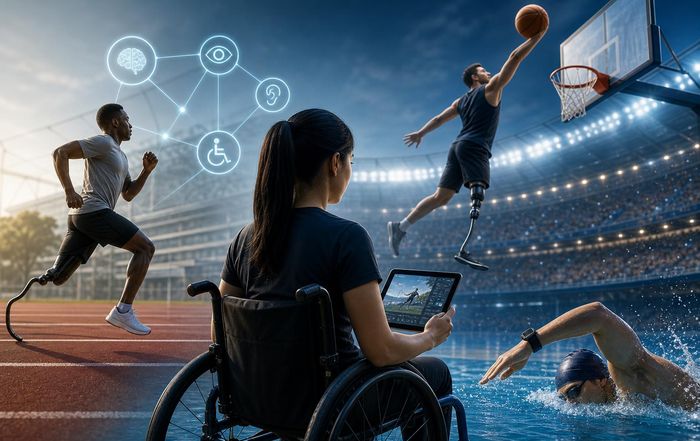
While software and data have captured much of the public narrative, hardware innovation in adaptive equipment remains one of the most powerful enablers of accessible sport. Advances in materials science, biomechanics, and additive manufacturing have led to new generations of sports wheelchairs, prosthetics, exoskeletons, and assistive devices that are lighter, more durable, and more affordable than their predecessors. Leading organizations such as Össur, Ottobock, and research institutes like MIT and ETH Zurich have pioneered prosthetic limbs and braces that allow athletes with limb differences to sprint, jump, and change direction with increasing efficiency and comfort, while also enabling everyday users to participate in recreational activities that were once out of reach.
The growth of the Paralympic Movement, supported by the International Paralympic Committee, has catalyzed further investment, not only in elite competition but in grassroots programs that leverage adaptive technologies to expand participation. Resources from the International Paralympic Committee highlight how rule changes, equipment standards, and classification systems are continually evolving to balance fairness with technological progress. In parallel, organizations such as Special Olympics and national governing bodies in countries like Japan, Brazil, and South Africa are collaborating with technology partners to deliver inclusive coaching platforms, sensory-friendly environments, and communication aids that support athletes with intellectual and developmental disabilities.
The design principles behind these innovations are increasingly being adopted by mainstream sports equipment manufacturers. Major brands including Nike, Adidas, and Puma have released adaptive footwear and apparel lines with features such as step-in designs, one-handed lacing systems, and adjustable fits that accommodate prosthetics or orthotic devices. Learn more about how inclusive product strategies are reshaping the global sports and lifestyle brand landscape and why accessibility is becoming a core differentiator in competitive markets.
Digital Broadcasting, Streaming, and Accessible Fan Experiences
As live sport remains one of the most valuable categories in global media, accessibility in broadcasting and streaming has become a critical issue for rights holders, platforms, and advertisers. In 2026, major broadcasters such as BBC Sport, ESPN, Sky Sports, and digital platforms like Amazon Prime Video and DAZN have incorporated extensive accessibility features into their live and on-demand offerings, including multi-language closed captioning, audio description, customizable commentary tracks, and interface designs that meet or exceed standards such as the Web Content Accessibility Guidelines (WCAG) promoted by the World Wide Web Consortium.
These enhancements are not merely regulatory box-ticking exercises; they are strategic levers for audience growth in aging populations and in regions where language, literacy, or connectivity constraints have historically limited engagement. Comprehensive coverage from organizations such as Ofcom in the UK and the Federal Communications Commission in the United States demonstrates how policy, technology, and commercial incentives are aligning to push the industry toward more inclusive standards. For SPORTSYNCR readers following sports business and media trends, accessible broadcasting is now a central theme in negotiations between leagues, streaming platforms, and sponsors who recognize that reach and relevance depend on serving the widest possible audience.
In-stadium experiences have also evolved. Many modern venues in Europe, North America, and Asia have integrated mobile apps that support wayfinding for visually impaired fans, real-time captioning for announcements, and on-demand access to alternative commentary streams. Some stadiums have implemented beacon-based navigation and haptic feedback systems to guide spectators to their seats, restrooms, and concessions. Learn more about how technology is reshaping fan culture and live event experiences, as clubs and event organizers work to ensure that the emotional core of sport-shared, live, and communal-remains accessible to all.
AI, Data, and Personalized Pathways into Sport
Artificial intelligence and machine learning are playing a decisive role in making sport and physical activity more discoverable, personalized, and sustainable for individuals who might otherwise be excluded. Recommendation engines similar to those used by Netflix and Spotify are now embedded in fitness and sports platforms, analyzing user preferences, health data, and local infrastructure to suggest suitable activities, clubs, and events. For example, AI-enabled health apps can cross-reference a person's medical history with guidelines from sources like the U.S. Centers for Disease Control and Prevention to recommend safe exercise intensities and modalities, thereby reducing the risk of injury or exacerbation of chronic conditions.
In the youth and grassroots sectors, AI-powered tools help coaches and administrators identify early signs of burnout, overtraining, or disengagement, particularly in high-pressure environments like youth academies and competitive school systems. Research from organizations such as Aspen Institute's Project Play and sports science departments at universities including Loughborough University and the University of Queensland has informed algorithms that flag risk factors and prompt interventions, whether that means adjusting training loads, offering mental health support, or suggesting alternative roles such as officiating, coaching, or digital content creation. Learn more about how data-driven approaches are influencing sports science and innovation and why personalization is central to long-term participation.
For SPORTSYNCR, which sits at the intersection of sports, technology, and news, AI-driven personalization also has editorial implications. As content platforms become more sophisticated in tailoring articles, video, and interactive experiences to specific user profiles-ranging from casual fans in Singapore to aspiring athletes in Nigeria or Argentina-the potential to surface accessible pathways into sport grows. This includes highlighting local adaptive sports clubs, remote coaching options, or virtual communities that might otherwise remain invisible to those who need them most.
Global Platforms, Social Media, and Community Access
The social dimension of sport has been transformed by global platforms such as YouTube, Instagram, TikTok, Twitch, and Discord, which have enabled athletes, coaches, and fans to bypass traditional gatekeepers and build direct, often highly inclusive communities. For individuals in regions with limited physical infrastructure, such as parts of Africa, South Asia, or Latin America, digital communities provide access to coaching tips, motivational content, and peer support that can sustain engagement in physical activity even without formal facilities. Resources like UNESCO's work on sport and social inclusion underscore the importance of these networks in promoting equity and participation across gender, disability, and socioeconomic lines.
Esports and gaming have added a new layer to this ecosystem, offering competitive and collaborative experiences that blur the boundaries between traditional sport and digital play. Titles such as FIFA, NBA 2K, and Rocket League have become gateways into broader sports culture for younger demographics and for individuals with physical limitations that make conventional sport participation difficult. Organizations like Riot Games and Valve have introduced accessibility settings and community guidelines aimed at reducing toxicity and improving inclusion, while universities and professional clubs in countries from South Korea and Japan to France and Spain have launched integrated esports and sports performance programs. Learn more about the evolving relationship between gaming, sport, and culture and how it is reshaping youth engagement worldwide.
For SPORTSYNCR, which covers social trends in sport, these digital communities represent both an opportunity and a responsibility. By curating credible information, amplifying diverse voices, and highlighting best practices in digital accessibility-from captioned video content to screen-reader-friendly interfaces-the platform can help ensure that the benefits of online sports culture are distributed more equitably across languages, regions, and abilities.
Accessible Sports Business, Careers, and Talent Pathways
Beyond participation and fandom, technology is transforming accessibility in the sports business itself, reshaping who can build careers in the industry and how organizations recruit, train, and retain talent. Remote work, cloud collaboration, and digital production tools have expanded opportunities in areas such as data analytics, content creation, marketing, and operations, enabling professionals in India, Nigeria, Poland, or Chile to contribute to organizations headquartered in New York, London, or Zurich without relocation. Platforms like LinkedIn, Glassdoor, and specialized sports job boards have increased visibility into global opportunities, while online education providers such as Coursera and edX offer sports management, analytics, and marketing courses developed in partnership with institutions like WHU - Otto Beisheim School of Management and Columbia University.
For individuals with disabilities or caregiving responsibilities, flexible and remote roles in sports media, digital operations, fan engagement, and data science represent a new frontier of inclusion. Learn more about emerging roles and pathways in the sports jobs and careers landscape, where organizations are beginning to recognize that diverse perspectives and lived experiences can be competitive advantages in understanding and serving global audiences. Leading entities such as UEFA, LaLiga, and the NFL have launched diversity and inclusion initiatives that leverage technology for accessible recruitment processes, virtual internships, and mentorship programs targeting underrepresented groups.
At the same time, start-ups and scale-ups in sports technology are building products specifically aimed at inclusive participation, whether through adaptive training platforms, community-matching apps, or analytics tools designed for grassroots clubs. Investment from venture capital firms and corporate funds associated with companies like Adidas, Under Armour, and Sony is flowing into these ventures, signaling that accessible sport is not just a philanthropic endeavor but a viable and growing market segment. For readers tracking sports business innovation, the intersection of accessibility, technology, and entrepreneurship is likely to be one of the most dynamic areas of growth through 2030.
Health, Policy, and the Intersection of Sport and Public Well-being
The relationship between sport, health, and public policy has come into sharper focus in the aftermath of the COVID-19 pandemic and amid rising concerns about sedentary lifestyles, mental health, and chronic disease. Governments and public health agencies in Europe, North America, and Asia-Pacific now view accessible sport and physical activity as core components of preventive health strategies, with technology serving as a key enabler. Digital health platforms that integrate wearable data, telemedicine, and behavioral nudges are being deployed to encourage physical activity, often in partnership with insurers and employers who see long-term cost savings in healthier populations. The World Health Organization and the OECD have published extensive guidance on using digital tools to promote active living, influencing policy frameworks in countries from Finland and Norway to Singapore and New Zealand.
For SPORTSYNCR, which covers the intersection of health, fitness, and sport, this trend underscores the importance of reliable, evidence-based information. As more consumers turn to apps, online communities, and connected devices for guidance, the risk of misinformation and inequitable access grows. Trustworthy platforms must therefore prioritize transparency about data usage, algorithmic decision-making, and partnerships with healthcare and academic institutions. Organizations such as Mayo Clinic, Cleveland Clinic, and national health services in the UK and Canada have set benchmarks for digital health communication that sports-related platforms increasingly emulate.
Policy initiatives focused on inclusion are also gaining traction. The European Commission has supported projects that use digital tools to promote sport among people with disabilities, migrants, and low-income communities, while national sports councils in countries like Australia, Ireland, and South Africa have launched funding schemes for technology-enabled inclusion programs. Learn more about evolving global and regional sports policy trends and how they are shaping investment in infrastructure, digital platforms, and research.
Sustainability, Environment, and the Future of Accessible Sport
As climate change and environmental pressures intensify, the sports industry faces a dual challenge: reducing its ecological footprint while ensuring that the transition to sustainable practices does not exacerbate inequalities in access. Technology is central to this balancing act. Smart stadium systems optimize energy use, digital ticketing reduces waste, and virtual or hybrid events lower travel-related emissions, yet each innovation carries implications for digital access and affordability. For example, shifting to cashless stadiums and app-based ticketing can inadvertently exclude older fans or those without smartphones, unless organizations proactively design alternative pathways and support mechanisms.
Global initiatives such as UN Sports for Climate Action and the work of Sport Positive Summit showcase how leagues, clubs, and event organizers are integrating environmental and social considerations into their strategies, often leveraging data and digital platforms to track progress and engage stakeholders. Learn more about sustainable business practices and their impact on sport through resources from the United Nations Environment Programme. For SPORTSYNCR, which explores environmental and sustainability themes in sport, the key question is how to ensure that green transitions in the industry also advance, rather than hinder, accessibility.
Technologies such as virtual reality and mixed reality offer both risks and opportunities in this context. On one hand, they can reduce the need for physical travel by enabling immersive remote attendance at events or virtual training environments; on the other hand, they may deepen digital divides if hardware and connectivity remain expensive or unevenly distributed across regions such as Africa and parts of Asia and South America. Organizations like Meta, Sony Interactive Entertainment, and Microsoft are investing heavily in immersive platforms, while academic research from institutions such as Stanford University explores the psychological and social impacts of virtual sport participation. The challenge for policymakers, businesses, and platforms like SPORTSYNCR is to guide these technologies toward models that are inclusive, affordable, and aligned with broader sustainability goals.
The Strategic Imperative for Accessible Sport
By 2026, the evidence is clear: technology is not a peripheral add-on to the sports industry but a structural force that determines who participates, who watches, who works in sport, and who benefits from its economic and social value. Accessibility-once framed primarily in terms of physical infrastructure-is now inseparable from digital design, data governance, media strategy, and global policy. Organizations that embrace this reality and invest in accessible technologies, inclusive content, and equitable business models will be better positioned to capture growth in both mature markets like North America and Europe and rapidly developing regions across Asia, Africa, and South America.
For SPORTSYNCR, the mission is to serve as a trusted, authoritative guide through this evolving landscape, connecting readers to the most relevant developments in sports, technology, business, and culture while foregrounding the human stories and structural changes that define accessibility in practice. As the platform continues to expand its coverage across news, jobs, science, and beyond, its commitment to Experience, Expertise, Authoritativeness, and Trustworthiness will be critical in helping stakeholders navigate the opportunities and responsibilities of this new era.
The future of sport will be shaped not only by records broken or trophies lifted but by the extent to which technology enables more people, in more places, and in more diverse circumstances, to find their place within it. From adaptive equipment and AI-driven coaching to accessible broadcasting and inclusive digital communities, the tools now exist to make that vision real. The task for leaders, innovators, and platforms like SPORTSYNCR is to ensure those tools are deployed with intention, equity, and long-term perspective, so that accessibility becomes not a niche initiative but the defining characteristic of global sport in the decades ahead.