

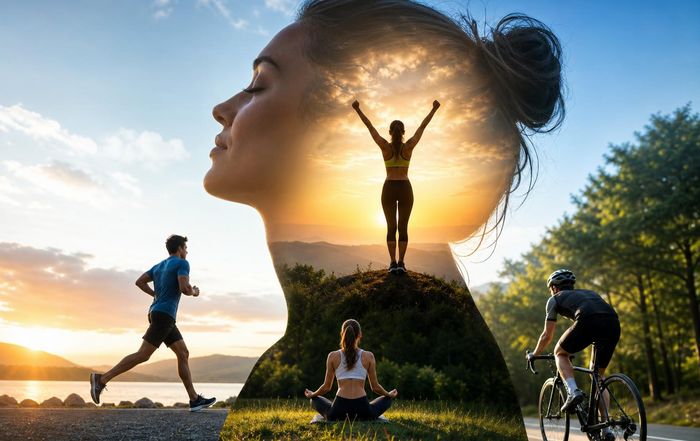
How Active Lifestyles Improve Mental Wellbeing in a High-Pressure World
The New Currency of Performance: Mental Wellbeing Through Movement
Mental wellbeing has become a core performance metric for individuals, teams, and organizations across the global sports and business ecosystems. Executives in New York, athletes in London, startup founders in Berlin, and creators in Singapore increasingly recognise that cognitive clarity, emotional resilience, and stress management are not soft benefits but hard drivers of competitive advantage. Within this context, active lifestyles have shifted from being perceived as a personal choice or aesthetic pursuit to a strategic foundation of sustainable high performance, a transformation that sits at the heart of the editorial perspective here and is reflected across its original content stories of sports, fitness, health, and the broader business of human potential.
The convergence of scientific research, digital health innovation, and changing workplace expectations has created a new understanding of how physical activity shapes mental wellbeing. From elite athletes guided by performance psychologists to remote workers in Canada using connected fitness platforms, the evidence is increasingly consistent: regular, purposeful movement is one of the most powerful, scalable, and cost-effective tools for improving mood, reducing anxiety, enhancing focus, and protecting long-term brain health. As mental health challenges escalate worldwide, with the World Health Organization highlighting depression and anxiety as leading causes of disability, the conversation has shifted from whether active lifestyles matter to how individuals, brands, employers, and policymakers can integrate movement into daily life in a realistic and sustainable way.
The Science Behind Movement and the Mind
Modern neuroscience and exercise physiology have clarified what many athletes and active professionals intuitively understood for decades: physical activity triggers a cascade of biological processes that directly influence mental state. Aerobic exercise, strength training, and even low-intensity movement such as walking or mobility work stimulate the release of endorphins, endocannabinoids, and neurotransmitters like serotonin, dopamine, and norepinephrine, which are closely associated with mood regulation, motivation, and focus. Research summarized by organizations such as Harvard Medical School shows that regular exercise can reduce symptoms of mild to moderate depression with an effect size comparable to some pharmacological treatments, particularly when sustained over time. Those seeking to deepen their understanding can explore how exercise influences the brain and mood.
Beyond these neurochemical effects, physical activity promotes neuroplasticity, the brain's ability to adapt and form new connections, and supports the growth of new neurons in regions involved in memory and emotional regulation, such as the hippocampus. Studies shared by the National Institutes of Health indicate that consistent movement can improve executive function, working memory, and decision-making, capacities that are critical not only for elite sport but also for high-stakes business environments where cognitive load is intense and constant. Professionals can learn more about exercise and brain function to better appreciate why daily movement is increasingly being reframed as cognitive infrastructure rather than optional self-care.
The physiological stress response provides another important connection between activity and mental state. Chronic psychological stress, common in fast-moving sectors from technology to finance, elevates cortisol and can impair sleep, mood, and immune function. Moderate, well-programmed exercise acts as a controlled stressor that trains the body's stress response systems to become more efficient and resilient. Over time, this "stress inoculation" effect helps individuals recover more quickly from emotional and cognitive strain, a principle that is now being put into practice in both sports performance programs and corporate wellbeing strategies. Detailed guidance from organizations such as the American Psychological Association helps explain how exercise reduces stress and anxiety.
From Elite Arenas to Everyday Life: Lessons from Sports Culture
The relationship between movement and mental wellbeing is most visible in elite sport, where the margins between success and failure are razor-thin and psychological readiness is as important as physical preparation. High-profile athletes across North America, Europe, and Asia have increasingly spoken publicly about mental health, transforming the culture of performance and influencing how fans, brands, and employers perceive the value of wellbeing. Organizations like the International Olympic Committee have developed frameworks to support athletes' mental health throughout their careers, reflecting a broader shift in sports governance. Those interested in the institutional approach can review resources on athlete mental health.
This evolution in elite sport has had a cascading effect on broader sports and fitness culture, a dynamic that Sportsyncr follows closely across its culture and social verticals. As athletes and teams integrate sports psychologists, mindfulness practices, and carefully periodized training loads to protect mental wellbeing, recreational athletes, fitness enthusiasts, and even sedentary professionals are adopting similar principles. The idea that rest, recovery, and mental skills training are integral components of performance is now widely accepted, and active lifestyles are increasingly seen as holistic systems that include sleep, nutrition, emotional regulation, and social connection, rather than simply gym sessions or training plans.
In parallel, sports organizations and leagues in the United States, United Kingdom, Australia, and beyond have begun to embed mental health education into youth development pathways, recognizing that early exposure to healthy movement patterns and psychological skills can reduce the risk of burnout, dropout, and long-term mental health challenges. Educational resources from bodies like Sport England and USA Basketball emphasize that participation in sport can foster resilience, confidence, and social belonging when environments are supportive and inclusive. Those who wish to understand how youth sports impact wellbeing can access extensive guidance on positive coaching and participation.
Digital Fitness, Wearables, and the Data-Driven Mind
By 2026, technology has become deeply embedded in how people design, track, and refine their active lifestyles. Wearables, connected fitness platforms, and health apps capture detailed metrics on heart rate variability, sleep quality, training load, and even subjective mood, enabling individuals to correlate movement patterns with their mental state. This data-rich environment offers both opportunities and risks. On one hand, research highlighted by organizations like the Mayo Clinic shows that objective feedback can motivate adherence, support behaviour change, and help individuals avoid overtraining by monitoring recovery. Those curious about these trends can explore how fitness trackers influence health behaviours.
On the other hand, over-quantification and perfectionism can undermine mental wellbeing, particularly when users become overly fixated on metrics or feel pressured to "close rings" and hit targets every day. The editorial stance at Sportsyncr, reflected across its technology and news coverage, recognises that digital tools should serve as enablers rather than drivers of active lifestyles, with a focus on sustainable, enjoyable, and psychologically supportive movement rather than relentless optimisation. The most effective technology ecosystems are those that integrate mental health content, guided programs, and community features that encourage self-compassion and flexibility, rather than rigid adherence to numerical goals.
Global technology brands, from Apple and Samsung to Garmin and Whoop, have responded to growing awareness of mental health by integrating mindfulness prompts, breathing exercises, and stress tracking into their platforms. The National Health Service in the United Kingdom and public health agencies in Singapore, Sweden, and Canada have also begun to recommend digital tools that combine physical activity tracking with mental health support, reflecting a broader shift toward integrated digital wellbeing. Readers can learn more about digital mental health tools as governments and health systems adapt to this new reality.
The Workplace as a Performance Lab for Active Lives
Corporate leaders across North America, Europe, and Asia-Pacific increasingly view mental wellbeing as a strategic business issue, particularly in knowledge-intensive sectors where burnout, attrition, and disengagement can erode innovation and profitability. In this environment, active lifestyles are emerging as a cornerstone of progressive workplace wellbeing strategies. Employers are moving beyond traditional gym subsidies to design environments that encourage movement throughout the workday, from walking meetings and flexible schedules to on-site classes, hybrid work policies that accommodate mid-day training, and partnerships with digital fitness providers. Those who want to understand how workplace wellness programs impact productivity can access extensive analysis from the U.S. Centers for Disease Control and Prevention.
The editorial lens at Sportsyncr's business pages emphasises that these initiatives are not simply perks but investments in human capital. Regular physical activity has been linked to improved concentration, reduced absenteeism, and higher levels of creativity and problem-solving, benefits that compound when teams share active habits and support one another's wellbeing goals. Leading employers in Germany, Netherlands, and Japan have experimented with "movement-first" cultures, where managers model active routines, internal communications normalise exercise breaks, and performance evaluations recognise sustainable working patterns rather than glorifying overwork.
At the same time, there is growing scrutiny of superficial or performative wellness initiatives that fail to address structural drivers of stress such as excessive workloads, unclear expectations, or lack of autonomy. A truly effective active-lifestyle strategy must integrate policy, culture, and leadership behaviour, ensuring that employees feel psychologically safe to use wellbeing resources without fear of negative career consequences. Thought leadership from the World Economic Forum and McKinsey & Company stresses that embedding movement into corporate life works best when it is aligned with broader organisational values and supported by data-driven evaluation. Those interested in strategic perspectives can review insights on mental health and workplace performance.
Urban Design, Public Policy, and the Geography of Movement
While individual choices and corporate cultures are crucial, the mental health benefits of active lifestyles also depend heavily on the physical and social environments in which people live. Urban design, transport infrastructure, and public policy shape whether walking, cycling, and recreational sport are convenient, safe, and appealing. Cities in Denmark, Netherlands, Finland, and Norway have demonstrated that investments in cycling lanes, green spaces, and mixed-use neighbourhoods can significantly increase everyday movement, reduce air pollution, and enhance social connection, all of which contribute to mental wellbeing. Urbanists and policymakers can learn more about healthy city design through resources provided by the World Health Organization.
Emerging economies and rapidly urbanising regions in Asia, Africa, and South America face unique challenges and opportunities in this domain. As car-centric development patterns expand, there is a risk of locking populations into sedentary lifestyles, long commutes, and limited access to recreational spaces. However, there is also potential to leapfrog toward more active, transit-oriented, and digitally connected urban models that prioritise walkability and community sport. Governments in Singapore, South Korea, and Brazil have launched national campaigns and infrastructure programs aimed at increasing physical activity levels to address both physical and mental health burdens. Public health frameworks such as those developed by the U.S. Office of Disease Prevention and Health Promotion provide guidance on creating activity-friendly communities.
For Sportsyncr, which covers world and environment stories alongside sport and fitness, the intersection of urban planning, climate resilience, and active lifestyles is a critical frontier. As cities grapple with heatwaves, air quality issues, and climate-related disruptions, ensuring that people can move safely and comfortably outdoors becomes both a health priority and an environmental imperative. Shade, water access, and smart scheduling of outdoor activities are increasingly part of the conversation about how to maintain active routines in a warming world.
Culture, Identity, and Inclusive Movement
Active lifestyles do not exist in a cultural vacuum. They are shaped by identity, social norms, media narratives, and the availability of role models who reflect diverse backgrounds and body types. In many regions, particularly within marginalised communities, barriers to movement include not only cost and time but also psychological safety, representation, and historical exclusion from certain sports or spaces. Cultural forces across United States, France, Italy, Spain, and South Africa influence which activities are perceived as accessible, aspirational, or acceptable for different genders, ages, and socioeconomic groups.
Media platforms and brands, including Sportsyncr, play a central role in expanding the narrative of what an active life looks like. Through its brands, culture, and social coverage, the platform highlights stories that emphasise joy, community, and mental resilience over narrow performance metrics or appearance-driven ideals. This shift aligns with a broader global movement toward body neutrality and mental health advocacy, supported by organisations such as Mind in the UK and NAMI in the US, which encourage people to explore how physical activity can support mental health.
Inclusive movement also means recognising non-traditional forms of activity that resonate with different communities, from dance and martial arts to esports-adjacent fitness programs that help gamers manage sedentary time and stress. As Sportsyncr's gaming coverage illustrates, even in highly digital subcultures, there is growing awareness that physical conditioning, posture, and recovery routines can significantly improve both performance and mental wellbeing. This holistic view helps bridge the perceived gap between "active" and "sedentary" lifestyles, acknowledging that everyone can integrate some form of movement into their daily routines, regardless of starting point.
Active Lifestyles Across the Lifespan
The mental health benefits of movement manifest differently at various stages of life, making a lifespan perspective essential for individuals, families, employers, and policymakers. In childhood and adolescence, regular physical activity supports cognitive development, emotional regulation, and social skills, while reducing the risk of anxiety and depressive symptoms. Organizations like UNICEF emphasize that play, sport, and free movement are fundamental rights that contribute to wellbeing and resilience, particularly in communities affected by conflict, displacement, or economic hardship. Those interested can learn more about sport for development and peace.
In early and mid-adulthood, when career demands, family responsibilities, and financial pressure often peak, active lifestyles become crucial buffers against burnout, chronic stress, and sleep disruption. Moderate-intensity activities, from running and cycling to yoga and strength training, can be strategically scheduled to support energy management across the workweek, enabling individuals to maintain focus and emotional stability in demanding roles. Sportsyncr's integrated perspective across health, fitness, and business emphasises that movement is not an indulgence but a core component of professional sustainability.
In later life, particularly in ageing populations across Japan, Italy, Germany, and South Korea, physical activity plays a vital role in preserving cognitive function, independence, and social connection. Research collated by the Alzheimer's Association and other neurological organisations indicates that regular aerobic exercise and strength training can reduce the risk of cognitive decline and dementia, or slow progression in some cases. Those wishing to explore the relationship between exercise and brain ageing will find a growing evidence base supporting movement as a protective factor. For older adults, group classes, walking clubs, and community sport can also combat loneliness and isolation, which are themselves significant risk factors for mental health decline.
The Role of Brands, Sponsorship, and the Experience Economy
Global and regional brands in sportswear, technology, food and beverage, and consumer health increasingly influence how active lifestyles are perceived and practiced. Sponsorship strategies, product design, and marketing narratives can either reinforce narrow, performance-obsessed ideals or promote more inclusive, mentally supportive visions of movement. Leading companies such as Nike, Adidas, Lululemon, and Decathlon have launched campaigns focused on mental health, resilience, and community, while also investing in grassroots initiatives that expand access to sport in underserved communities. Industry observers can learn more about purpose-driven sponsorship in sport through specialist business intelligence platforms.
For Sportsyncr, whose sponsorship and brands coverage tracks these developments, the key question is whether brand activity genuinely supports long-term mental wellbeing or simply capitalises on the cultural momentum around mental health. Authenticity, transparency, and sustained investment in community programs are critical markers of trustworthiness. Partnerships that provide safe spaces for movement, education around mental health, and accessible digital tools are far more impactful than short-term campaigns or one-off events.
The rise of the experience economy, particularly in urban centres across United States, United Kingdom, China, and United Arab Emirates, has also led to a proliferation of boutique fitness studios, wellness retreats, and hybrid sport-social concepts. These experiences, when thoughtfully designed, can foster a sense of belonging and emotional uplift that extends beyond the physical workout. However, there is a risk that premium pricing and exclusivity can exacerbate inequalities in access to the mental health benefits of active lifestyles. Platforms like Sportsyncr, with a global news and world lens, play a role in spotlighting both innovative models and structural barriers, helping stakeholders navigate toward more equitable solutions.
Building a Personally Sustainable Active Life
For individuals navigating complex careers, family commitments, and digital distractions, the challenge is often not knowing that movement supports mental wellbeing, but translating that knowledge into consistent, sustainable action. The most effective strategies tend to be highly personal, context-sensitive, and rooted in self-awareness rather than external pressure. From a practical standpoint, small, frequent bouts of activity integrated into existing routines-walking during calls, short mobility breaks between tasks, active commuting where possible-can deliver meaningful mental health benefits without requiring radical lifestyle overhauls. Public health guidance from organisations such as the World Health Organization underscores that even modest increases in physical activity can significantly improve mood and reduce anxiety, and readers can review global physical activity recommendations to calibrate their own goals.
The editorial independent and unique approach at Sportsyncr, is to empower activity fit in individuals across North America, Europe, Asia, Africa, and South America with nuanced, evidence-informed perspectives that respect individual circumstances and cultural contexts. Rather than prescribing a single ideal routine, the platform highlights diverse pathways into movement, from community sport and outdoor adventures to home-based training and technology-assisted programs. It also recognises that mental wellbeing is multi-dimensional, shaped by sleep, nutrition, relationships, work conditions, and environmental factors, and therefore situates active lifestyles within a broader conversation about holistic health and sustainable performance.
As the world continues to grapple with economic volatility, technological disruption, and social change, the ability to maintain psychological balance and cognitive clarity will remain a defining advantage for athletes, entrepreneurs, creators, and communities alike. Active lifestyles-flexible, inclusive, and aligned with personal values-offer one of the most reliable foundations for that advantage. Today beyond, the intersection of movement and mental wellbeing is not merely a health trend; it is a central narrative in how societies, organisations, and individuals define success, resilience, and quality of life, and it will continue to shape the stories that Sportsyncr tells across sport, business, culture, and the evolving global landscape of human performance.