

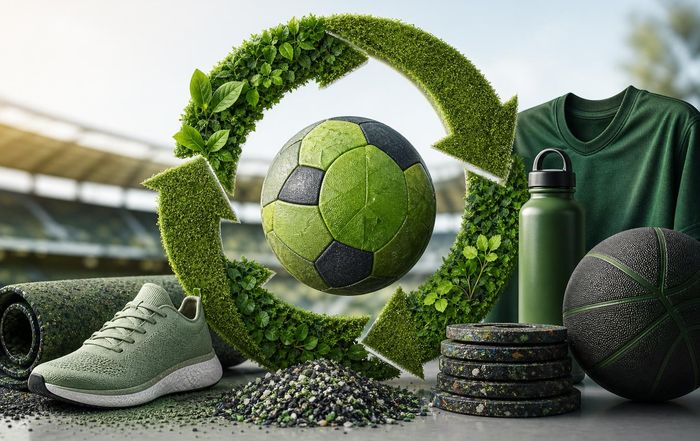
How Circular Economy Ideas Are Transforming the Global Sports Industry
Introduction: A New Playbook for Sport and Sustainability
The global sports industry has become one of the most visible testing grounds for circular economy principles, as leagues, clubs, venues, brands, and technology providers have begun to redefine how value is created, resources are used, and fan experiences are delivered. For an activity based website like Sportsyncr-which operates at the intersection of sports, fitness, health, brands, and business-this shift is not simply an environmental story; it is a strategic narrative about competitiveness, innovation, and trust in a world where fans, regulators, and investors are increasingly demanding measurable sustainability performance from the organizations they support.
The circular economy, as articulated by organizations such as the Ellen MacArthur Foundation, is a systemic approach to economic development designed to benefit businesses, society, and the environment by decoupling growth from resource consumption and waste. Readers can explore the foundational concepts in more depth by reviewing how leading institutions define the circular economy, but in essence it rests on three pillars: designing out waste and pollution, keeping products and materials in use for as long as possible, and regenerating natural systems. When these principles are applied to stadium construction, fan merchandise, athlete equipment, digital platforms, and sponsorship models, the result is a profound reconfiguration of how the sports ecosystem operates.
As Sportsyncr tracks and analyzes this evolution across global markets-from the United States and Europe to Asia-Pacific and emerging African and South American economies-it becomes clear that circular thinking is moving from the margins of corporate social responsibility into the core of sports strategy, brand value, and operational excellence.
From Linear to Circular: Why Sport Cannot Ignore the Shift
For decades, the sports industry largely followed a linear model of "take, make, use, dispose," characterized by resource-intensive stadium builds, single-use plastics in concessions, fast-turnover fan apparel, and short product lifecycles for equipment and technology. This model is increasingly at odds with the realities of climate change, resource constraints, and shifting consumer expectations, particularly among younger fans in markets such as the United Kingdom, Germany, Canada, Australia, and the Nordics, who are more likely to reward organizations that demonstrate credible environmental leadership.
Major international frameworks, including the United Nations' Sports for Climate Action Framework, have accelerated the conversation by framing sport as both a contributor to and a potential leader in addressing the climate crisis. As venues confront rising energy costs, supply chain disruptions, and regulatory pressure, and as clubs and brands face scrutiny over their environmental and social impact, the circular economy offers a practical, innovation-driven path forward that aligns with financial performance, risk mitigation, and stakeholder trust.
For Sportsyncr, which connects insights across news, technology, culture, and social dynamics, the circular transition in sports is best understood not as a single initiative or certification, but as a long-term transformation of business models, fan engagement strategies, and value chains.
Circular Stadiums and Venues: Designing Infrastructure for Longevity
Perhaps the most visible expression of circular economy ideas in sport is the stadium, arena, or training complex, which in many cases represents a multi-billion-dollar asset with a lifespan of several decades and a complex web of environmental and social impacts. Pioneering projects in Europe, North America, and Asia are demonstrating how circular design can reduce embodied carbon, extend building life, and create new revenue streams.
Architects and developers are increasingly turning to guidance from organizations such as the World Green Building Council, where decision-makers can learn more about sustainable building practices, to integrate recycled materials, modular components, and design-for-disassembly principles into venue construction and renovation. This means using structural systems that can be adapted for future technologies, seating and hospitality areas that can be reconfigured as fan expectations evolve, and materials that can be recovered and reused at the end of their service life rather than sent to landfill.
In parallel, operational practices within venues are being reimagined along circular lines. Food and beverage concessions are experimenting with reusable cup schemes, compostable packaging, and food waste recovery partnerships, inspired in part by resources from groups like WRAP in the United Kingdom, where operators can explore circular food and packaging solutions. Waste management strategies are shifting from simple recycling targets to closed-loop systems that track materials from point of sale back into new products, supported by digital tools that give venue operators real-time visibility over waste streams and recovery rates.
For Sportsyncr readers focused on the business and technology dimensions of sport, these circular venue initiatives are not only an environmental story but a data story, as smart building systems, IoT sensors, and digital twins provide the analytics necessary to optimize resource use, reduce operating costs, and demonstrate performance to sponsors, regulators, and fans.
Circular Products and Apparel: Rethinking Performance Gear and Fan Merchandise
The convergence of performance innovation and circular design is particularly evident in sports apparel and equipment, where leading brands are experimenting with recycled and bio-based materials, repair and refurbishment programs, and new ownership models such as rental and subscription. Global companies including Nike, Adidas, Puma, and Decathlon have launched products incorporating high percentages of recycled polyester, regenerated nylon, and other circular materials, while investing in take-back schemes that turn end-of-life footwear and clothing into new products or raw materials.
Industry bodies such as the Sustainable Apparel Coalition provide tools like the Higg Index, enabling brands and rights holders to assess the environmental impact of materials and products, which in turn informs design decisions and marketing narratives. As fans in markets from the United States and Canada to Japan and South Korea become more educated about material footprints and supply chain transparency, the ability to demonstrate credible circular practices becomes a key differentiator.
In parallel, clubs and leagues are exploring how circular principles can reshape fan merchandise strategies, from limited-edition collections made from upcycled stadium banners or retired jerseys to partnerships with circular fashion platforms that offer authenticated resale and rental. This aligns with broader shifts in consumer behavior documented by organizations like McKinsey & Company, whose analyses of sustainable consumer trends highlight growing demand for durable, repairable, and responsibly sourced products.
For Sportsyncr, which covers the intersection of sport, brands, and culture, these developments are particularly significant because they transform the symbolic relationship between fans and the objects through which they express allegiance, moving from a disposable, trend-driven model to one built on longevity, story, and shared responsibility.
Circular Business Models: From Ownership to Access and Service
Beyond physical products, the circular economy is reshaping business models in sport by shifting the focus from one-off transactions to long-term service, access, and performance outcomes. This is evident in areas such as equipment-as-a-service, where clubs, gyms, and training centers partner with providers who retain ownership of equipment and take responsibility for maintenance, upgrades, and end-of-life recovery, creating incentives for durability and modularity rather than planned obsolescence.
Fitness and training ecosystems, a core interest area for Sportsyncr and its fitness and health-focused audience, are seeing similar shifts as subscription-based platforms combine digital coaching, connected devices, and circular hardware strategies. When equipment is designed to be refurbished, remanufactured, or repurposed, providers can extend product lifecycles, reduce material costs, and offer more flexible access options to users in markets ranging from Europe and North America to Asia-Pacific and Africa.
Professional clubs and federations are also experimenting with circular models in ticketing and membership, such as dynamic seat-sharing schemes, flexible memberships that optimize venue utilization, and digital collectibles that replace physical souvenirs, reducing material intensity while still delivering emotional value. Analysts at organizations like Deloitte have begun to document how new business models in sport are merging digital innovation with sustainability expectations, creating new forms of fan engagement and revenue diversification grounded in circular principles.
For Sportsyncr, these business model shifts highlight the convergence of environmental responsibility and commercial innovation, illustrating how circular thinking can open new pathways to profitability, resilience, and brand differentiation in a highly competitive global marketplace.
Technology, Data, and the Digital Layer of Circular Sport
Technology is the connective tissue that allows circular ideas to scale in the sports industry, providing the traceability, analytics, and user experience necessary to manage complex flows of materials, energy, and information. From smart meters and building management systems in stadiums to RFID tags and QR codes embedded in apparel and equipment, digital tools are turning physical assets into data-rich nodes within a broader circular ecosystem.
Blockchain and distributed ledger technologies are being piloted to track the provenance and lifecycle of products, enabling brands and clubs to verify recycled content claims, monitor repair and refurbishment histories, and support secondary markets for authenticated merchandise. Meanwhile, AI-driven analytics help venue operators and event organizers forecast demand, optimize inventory, and minimize waste in areas such as catering and retail.
Industry bodies like the International Olympic Committee (IOC) have published guidance on sustainability and legacy in major events, encouraging organizing committees to integrate circular design and digital monitoring into their planning from the earliest stages. Similarly, organizations such as the World Economic Forum are exploring how digital technologies can accelerate the circular transition, including in sectors like sport where visibility and fan engagement amplify impact.
For Sportsyncr, which dedicates coverage to technology, science, and world trends, this digital layer is central to understanding how circular concepts move from pilot projects to systemic change, as data-driven insights inform investment decisions, sponsorship strategies, and regulatory compliance across global markets.
Brands, Sponsorship, and the New Currency of Trust
Sponsorship has long been a primary revenue engine for sport, and in the circular era it is becoming a critical mechanism through which sustainability innovation is financed, showcased, and evaluated. Major sponsors in sectors such as energy, mobility, apparel, and consumer goods are increasingly using sports partnerships to demonstrate their own circular strategies, from renewable energy deployments at venues to closed-loop packaging initiatives at events.
Reports from organizations like PwC on sports industry trends reveal that sponsors are now more likely to assess rights holders on the basis of their environmental performance, transparency, and alignment with corporate ESG goals, rather than purely on audience reach and brand visibility. This creates both pressure and opportunity for clubs, leagues, and event organizers to adopt circular practices that can be credibly measured and communicated.
For Sportsyncr, which tracks the evolving landscape of brands and sponsorship, this shift signals a redefinition of value in the sponsorship marketplace. The most attractive partners are increasingly those who can provide not only emotional resonance and fan access but also platforms for co-creating and showcasing circular innovation, whether through pilot projects in waste-free events, co-branded circular merchandise lines, or joint investments in regenerative community infrastructure.
As fans, particularly in sophisticated markets like the Netherlands, Scandinavia, and Singapore, scrutinize green claims and demand authenticity, trust becomes the central currency, and circular economy initiatives-if implemented with rigor and transparency-become powerful trust-building mechanisms.
Health, Community, and Social Impact in a Circular Sports Ecosystem
The circular economy in sport is not limited to materials and infrastructure; it is deeply connected to health, community well-being, and social equity. By designing systems that prioritize resource efficiency and regeneration, sports organizations can also create environments that promote physical activity, mental health, and inclusive access to facilities and programs.
Public health agencies such as the World Health Organization emphasize the importance of active lifestyles and accessible recreation, and readers can learn more about physical activity and health benefits to understand how sports infrastructure contributes to societal well-being. When circular design principles are applied to community sports facilities, urban green spaces, and active mobility networks, the result can be environments that are not only less resource-intensive but also more conducive to everyday movement, social connection, and resilience.
For Sportsyncr, whose coverage spans health, social, and environment, the intersection of circularity and community impact is central to a holistic understanding of the sports ecosystem. Circular programs that repurpose surplus equipment for under-resourced communities, convert retired stadium materials into public amenities, or integrate urban agriculture into sports precincts contribute to broader social outcomes while reinforcing the legitimacy of sustainability claims.
In regions such as South Africa, Brazil, Thailand, and Malaysia, where infrastructure gaps and inequality remain acute, circular sports initiatives can play a particularly important role in expanding access and opportunity, provided they are co-designed with local communities and grounded in long-term partnerships rather than short-term branding exercises.
Policy, Regulation, and Global Governance Shaping Circular Sport
As circular economy ideas gain prominence in policy circles worldwide, sports organizations are increasingly operating within regulatory environments that mandate waste reduction, extended producer responsibility, and climate disclosure. The European Commission's Circular Economy Action Plan, for example, has far-reaching implications for sports apparel, equipment, and venue construction within the European Union, influencing material choices, product design, and end-of-life management.
Similarly, national and municipal policies in countries such as the United States, Canada, Japan, and Australia are tightening requirements around single-use plastics, building efficiency, and emissions reporting, all of which affect how sports organizations plan and operate. International sport governing bodies are responding by developing their own sustainability frameworks, guidelines, and reporting standards, which in turn shape expectations throughout the ecosystem.
For Sportsyncr, which monitors the global interplay between sport, policy, and business, these regulatory developments underscore the importance of proactive circular strategies that anticipate rather than merely react to compliance requirements. Organizations that embed circular principles into their core operations, supply chains, and partnerships are better positioned to adapt to evolving regulations, secure public funding or incentives, and maintain their license to operate in increasingly sustainability-conscious societies.
The Role of Knowledge, Collaboration, and Talent
Experience, expertise, authoritativeness, and trustworthiness are not abstract qualities in the context of circular sport; they are built through rigorous knowledge sharing, cross-sector collaboration, and the development of new skills and career pathways. Universities, research institutes, and business schools are expanding their focus on sports sustainability and circular innovation, often in partnership with clubs, leagues, and brands that serve as living laboratories for applied research.
Platforms such as Sportsyncr, which bridge jobs, business, and news, play a crucial role in connecting professionals, innovators, and decision-makers across regions and disciplines. As organizations seek talent capable of integrating circular principles into facility management, product design, event operations, data analytics, and community engagement, new career profiles are emerging at the intersection of sport, sustainability, and technology.
Global networks like the UN Environment Programme provide resources that help stakeholders learn more about sustainable consumption and production, which are increasingly relevant to sports administrators, sponsors, and policymakers. At the same time, industry-specific collaborations and alliances, often convened by major leagues or event organizers, are enabling shared infrastructure, pooled procurement, and collective learning that accelerate the diffusion of circular practices.
For Sportsyncr, chronicling and facilitating this exchange of expertise is central to its mission, as the platform not only reports on circular initiatives but also helps shape the discourse and community that will determine how effectively circular economy ideas are integrated into the future of sport.
Running Forward: Circular Sport as a Strategic Imperative
It is evident that the circular economy has moved from a niche sustainability concept to a strategic imperative across the global sports industry. From circular stadiums and regenerative training complexes to apparel designed for multiple lifecycles, data-driven resource management, and sponsorship models built around shared environmental goals, the sector is gradually rewriting its playbook in response to planetary boundaries, fan expectations, and regulatory shifts.
The journey is far from complete, and significant challenges remain, including the need for standardized metrics, robust verification of circular claims, equitable access to innovation across regions, and the alignment of financial incentives with long-term environmental and social outcomes. Nevertheless, the direction of travel is clear: organizations that embrace circular thinking as a core business strategy-rather than a peripheral marketing narrative-are more likely to thrive in a future where resilience, adaptability, and trust are decisive competitive advantages.
For Sportsyncr and its gym, active fitness, loving community, the task now is to continue documenting, analyzing, and connecting the dots between the many experiments, policies, technologies, and cultural shifts that together constitute the emergence of a circular sports ecosystem. By providing a dedicated home for these stories and insights at Sportsyncr.com, the platform positions itself not only as a chronicler of change but as an active participant in shaping a sports industry that is more sustainable, inclusive, and innovative-one that keeps both the game and the planet in play for generations to come.