

Evolving Fan Expectations Are Redefining Sports Organization Priorities
A New Era of Fan-Centric Sports Business
The global sports industry has entered a decisive inflection point in which the expectations of fans, shaped by digital transformation, social change, and shifting economic realities, are fundamentally rewriting how rights holders, clubs, leagues, and brands operate. Where once stadium attendance, broadcast ratings, and merchandising were the dominant measures of success, sports organizations are now compelled to design strategies around holistic, lifelong relationships with fans whose loyalty is no longer guaranteed and whose standards for engagement, transparency, and impact are significantly higher than in previous decades. For Sportsyncr, which sits at the intersection of sports, culture, business, and technology, this evolution is not an abstract trend but the context in which every story, analysis, and partnership must be understood, as it reshapes the very architecture of the global sports ecosystem.
This fan-led transformation is visible across the major markets that matter most to sports stakeholders, from the United States and United Kingdom to Germany, Canada, Australia, and key growth territories across Asia, Africa, and South America. The convergence of streaming, social media, data analytics, and immersive technologies means that fans no longer consume sport as a fixed broadcast product but as a personalized, interactive, always-on experience that spans live events, second screens, gaming environments, and social platforms. At the same time, heightened awareness of health, wellness, environmental impact, and social responsibility has led many supporters to evaluate sports organizations not only on wins and losses but on their integrity, their values, and their contribution to communities and the planet. In this environment, organizations that fail to adapt risk losing relevance, while those that embrace the new expectations can unlock powerful engines of sustainable growth.
From Spectators to Stakeholders: The Empowered Global Fan
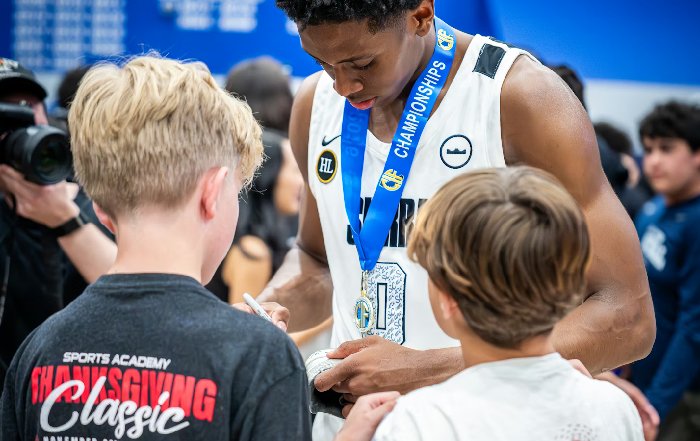
The modern fan is not merely a spectator but an active stakeholder in the sports experience, with unprecedented access to information, platforms for expression, and alternatives for entertainment. The rise of direct-to-consumer streaming and digital platforms has allowed fans to follow leagues like the NBA, Premier League, and Bundesliga on their own terms, often through mobile-first content that competes with gaming, short-form video, and social media. As organizations such as Netflix and Amazon have set new standards for personalization and on-demand access, fans have come to expect similar flexibility and quality from sports properties, whether they are watching the NFL in the United States, La Liga in Spain, or the A-League in Australia. Learn more about how consumer streaming expectations are shaping entertainment at https://www.netflix.com.
For Sportsyncr and its audience, this shift means that the traditional boundaries between sports, entertainment, and culture have largely dissolved. Fans in Japan, South Korea, Singapore, and Scandinavia are just as likely to experience their favorite teams through highlight clips, behind-the-scenes documentaries, and interactive apps as through live linear broadcasts. Global bodies such as the International Olympic Committee have recognized this by investing heavily in digital storytelling and youth-focused formats, a trend that can be explored further at https://olympics.com. These changes reinforce the reality that fans now expect to be heard, to shape narratives, and to see their identities and values reflected in the way sports are produced, packaged, and presented.
The Digital-First Experience: Data, Personalization, and Immersion
Digital transformation is at the heart of the evolving fan experience, and by 2026, leading organizations have accepted that any strategy which does not place digital at its core is effectively incomplete. In markets such as the United States, United Kingdom, and Germany, major leagues have moved beyond simple streaming to develop sophisticated ecosystems that integrate mobile apps, loyalty programs, fantasy sports, and gaming environments. These platforms are increasingly powered by advanced analytics and AI, enabling real-time personalization of content, offers, and engagement pathways. To understand how data and AI are reshaping sports, readers can explore insights from Deloitte at https://www2.deloitte.com.
This digital-first reality extends beyond elite competitions to emerging properties and niche sports, which can now build global fanbases without traditional broadcast deals by leveraging social platforms and creator-led content. For Sportsyncr, which covers the convergence of sports, technology, and gaming, this trend underscores the importance of understanding how virtual and augmented reality, wearables, and biometric tracking are becoming integral to the fan and athlete journey. Organizations such as Meta and Apple are investing heavily in immersive technologies, with sports applications ranging from virtual courtside seats to interactive training simulations; more on these broader technology trends can be found at https://www.apple.com and https://about.meta.com. Fans increasingly expect sports organizations to integrate such tools not as gimmicks but as meaningful extensions of the live experience, offering deeper insight, greater interactivity, and more personalized pathways to participation.
Health, Fitness, and the Active Fan Lifestyle
Another defining expectation of the modern fan is the desire for sports organizations to support healthier, more active lifestyles, a trend accelerated by the global focus on wellness following the pandemic years. Fans in North America, Europe, and Asia-Pacific are increasingly conscious of the links between physical activity, mental health, and long-term wellbeing, and they look to sports brands, leagues, and clubs as role models and enablers in this domain. Global institutions such as the World Health Organization have consistently highlighted the importance of physical activity for population health, and their guidelines, accessible via https://www.who.int, are influencing how sports organizations frame their community programs and fan engagement initiatives.
For a platform like Sportsyncr, which connects coverage of health and fitness with mainstream and emerging sports, this shift is especially relevant. Fans expect more than inspirational slogans; they want practical tools, data-driven insights, and authentic partnerships that encourage participation, from grassroots programs in South Africa and Brazil to corporate wellness collaborations in Canada, France, and Singapore. Technology companies such as Garmin and Strava have demonstrated how communities can be built around shared activity data and challenges, and more information on these trends can be found at https://www.strava.com. Sports organizations that align their fan strategies with these health and fitness expectations-by integrating wearables into matchday experiences, promoting inclusive participation campaigns, and partnering with trusted health bodies-are better positioned to foster long-term loyalty and social impact.
Cultural Relevance and the Demand for Authenticity
Cultural relevance has become a central criterion for how fans evaluate sports organizations, particularly younger audiences in markets such as the United States, United Kingdom, France, Italy, and Spain, where sport is deeply intertwined with music, fashion, and social identity. The success of collaborations between clubs like Paris Saint-Germain and global fashion brands, or the influence of athletes as cultural icons in the mold of LeBron James and Naomi Osaka, illustrates how expectations now extend far beyond performance on the field. Fans want sports entities to understand and reflect the cultural dynamics of their communities, whether that means incorporating local art and music into stadium experiences, embracing diverse storytelling, or supporting causes that matter to underrepresented groups. To explore broader trends in cultural industries, readers can visit https://www.unesco.org.
For Sportsyncr, whose coverage of culture and social dynamics is as important as its focus on competition, this means examining not only how organizations market themselves but how they behave in moments of tension or change. Fans have become adept at spotting performative gestures and demand authenticity in initiatives related to diversity, equity, and inclusion. This expectation is evident in the reactions to campaigns by global organizations such as FIFA and UEFA, where supporters in Europe, Africa, and Asia have scrutinized whether statements on inclusion are matched by policies and actions. As a result, sports leaders must cultivate cultural intelligence, engage with local communities, and ensure that their global strategies are sensitive to regional histories and identities.
Sustainability, Environment, and Ethical Operations
Environmental responsibility has moved from a peripheral concern to a central expectation for many fans, especially in Northern Europe, Canada, Australia, and rapidly urbanizing regions of Asia. The climate impact of major events, international travel, stadium construction, and merchandising has drawn increasing scrutiny, and fans are asking hard questions about how their favorite teams and leagues contribute to, or mitigate, environmental degradation. Organizations such as the United Nations Environment Programme and The Climate Group have documented the footprint of global sports and highlighted pathways for more sustainable practices, which can be explored at https://www.unep.org.
For a platform like Sportsyncr, which integrates coverage of environment with sports business and culture, this is a critical area of analysis. Fans in Germany, Netherlands, Sweden, Norway, and Denmark in particular expect clubs and federations to adopt renewable energy in stadiums, reduce single-use plastics, support sustainable transport for fans, and adopt transparent reporting on emissions. Organizations such as Forest Green Rovers in the UK, often cited as a model of sustainable football operations, demonstrate how environmental leadership can become a core part of brand identity and fan engagement; more information on their approach is available at https://www.fgr.co.uk. As sustainability becomes a key differentiator in sponsorship decisions and government partnerships, sports organizations that embed environmental responsibility into their strategies are likely to secure competitive advantages and deeper trust from increasingly climate-conscious fans.
Trust, Governance, and the Demand for Transparency
Trust has emerged as one of the most valuable yet fragile assets in the relationship between fans and sports organizations. High-profile governance crises, financial mismanagement, and integrity scandals across football, cricket, cycling, and other sports have heightened fan skepticism and triggered calls for greater transparency and accountability. In the United Kingdom, for instance, the debate around independent football regulation has underscored the extent to which supporters feel excluded from major decisions affecting their clubs. Internationally, the scrutiny of organizations such as FIFA and the International Cricket Council has demonstrated that fans in Asia, Africa, and South America are no longer willing to accept opaque governance structures. To understand broader governance standards, readers can consult resources from Transparency International at https://www.transparency.org.
For Sportsyncr, which aims to build long-term credibility with audiences across business, news, and world coverage, this environment reinforces the importance of rigorous, balanced reporting on ownership models, regulatory changes, and financial sustainability. Fans expect clear communication on issues such as ticket pricing, revenue distribution, and investment strategies, and they increasingly demand mechanisms for structured supporter input, including fan advisory boards and participatory governance models. Organizations that proactively share information, engage in open dialogue, and accept independent oversight are more likely to retain the confidence of their communities, particularly during periods of poor on-field performance or economic pressure.
Commercial Innovation and the Redefinition of Sponsorship
The commercial landscape of sport has been transformed by changing fan expectations, particularly in relation to sponsorship, branding, and the integration of technology-driven business models. Traditional logo-based sponsorships are giving way to deeper, purpose-driven partnerships in which brands, rights holders, and technology providers collaborate to create value-added experiences for fans. In markets such as the United States, Canada, and Germany, companies in sectors ranging from fintech to health tech and sustainable energy are using sports platforms to tell complex stories about innovation and impact. Industry analysis from organizations like PwC at https://www.pwc.com highlights how these partnerships are shifting towards measurable engagement and shared objectives rather than simple visibility metrics.
For Sportsyncr, which closely tracks brands and sponsorship trends, this evolution underscores the importance of aligning commercial activity with fan values. Supporters in France, Italy, Spain, Brazil, and Japan are increasingly critical of partnerships that conflict with their ethical or environmental concerns, whether that involves fossil fuel companies, gambling operators, or data-privacy-challenged technology firms. At the same time, the rise of digital assets, tokenization, and fan engagement platforms has created both opportunities and risks; early experiments with fan tokens and NFTs demonstrated strong demand but also exposed regulatory gaps and volatility. Organizations that prioritize transparency, consumer protection, and long-term utility in these innovations will be better positioned to sustain fan trust and regulatory compliance.
The Convergence of Sports, Gaming, and Interactive Entertainment
The boundary between sports and gaming has become increasingly porous, particularly among younger demographics in North America, Europe, and Asia, where esports and sports simulation games are now integral components of fan identity. Titles such as EA SPORTS FC, NBA 2K, and FIFA Online have allowed fans in China, South Korea, Thailand, and Malaysia to engage with clubs and leagues in virtual environments that often precede or even replace traditional fandom. Esports organizations and tournament operators, including ESL FACEIT Group and Riot Games, have set new standards for digital-first production and community building; more on global esports trends can be found at https://www.eslgaming.com.
For Sportsyncr, which covers the intersection of gaming, technology, and sports culture, this convergence is a central narrative. Fans now expect sports organizations to recognize gaming not as a peripheral activity but as a core channel for engagement, storytelling, and talent development. Clubs in Germany, Netherlands, Spain, and Scandinavia have launched dedicated esports divisions, while leagues in Japan, China, and South Korea have invested in cross-platform competitions that blend physical and digital formats. The most forward-thinking organizations are using gaming environments to experiment with new camera angles, interactive stats, and virtual merchandise, effectively prototyping the future of sports consumption in a space where fans are already deeply engaged and highly vocal.
Globalization, Local Identity, and the Fragmented Attention Economy
As sports properties expand their global reach, the challenge of balancing international ambitions with local identity has intensified. Clubs in the Premier League, La Liga, and Serie A now count millions of fans in Africa, Asia, and North America, yet their most loyal supporters often remain in local communities where issues such as ticket prices, stadium access, and community investment carry significant weight. Fans in South Africa, Nigeria, India, and Mexico expect authentic outreach, localized content, and meaningful opportunities to participate in global narratives rather than being treated as passive consumers of exported products. Organizations such as FIFA and the International Basketball Federation have attempted to address this by expanding tournaments, investing in regional development, and tailoring media strategies, with more detail available at https://www.fiba.basketball.
For Sportsyncr, which serves a diverse international audience across world and social coverage, this globalization-localization tension is central to understanding fan expectations. At the same time, the broader attention economy-dominated by platforms such as YouTube, TikTok, and Twitch-means that sports must compete not only with each other but with every other form of digital content for time and engagement. Fans in Finland, Norway, New Zealand, and Singapore may follow multiple sports and leagues across different time zones, but they also have instant access to music, film, gaming, and creator-driven content. To remain relevant, sports organizations must design experiences that respect fans' time, reward their loyalty, and integrate seamlessly into their broader digital lives, rather than relying on legacy assumptions about automatic attention.
Talent, Careers, and the Changing Sports Workforce
Fan expectations are also reshaping how sports organizations think about talent, careers, and the broader workforce that underpins the industry. As fans demand better digital experiences, more sophisticated content, and higher standards of governance and sustainability, organizations must recruit and retain professionals with expertise in data science, cybersecurity, content production, sustainability management, and fan engagement strategy. The sports job market in regions such as United States, Germany, Netherlands, and Singapore has become increasingly competitive, with rights holders vying with technology firms, media companies, and startups for the same pool of digital and analytical talent. For insights into global employment trends, readers can explore resources from the International Labour Organization at https://www.ilo.org.
For Sportsyncr, which tracks opportunities and trends across jobs and sports business, this evolution underscores the importance of equipping current and aspiring professionals with the skills needed to navigate a fan-centric industry. Fans themselves are also becoming part of the workforce through creator programs, community moderation, and user-generated content initiatives, blurring the line between audience and collaborator. Organizations that invest in education, upskilling, and inclusive hiring practices are more likely to build teams capable of understanding and serving the diverse expectations of fans in North America, Europe, Asia, Africa, and South America, while also reflecting the communities they represent on and off the field.
How Sportsyncr Builds Trust in a Fan-First Future
In this complex environment, Sportsyncr positions itself as a trusted guide for readers who seek to understand not only what is happening in sports but why it matters across health, culture, technology, business, and society. By integrating coverage across sports, health, business, technology, and other key verticals, the platform reflects the reality that fans increasingly view sport as part of a broader lifestyle and value system rather than a standalone entertainment product. This holistic approach is aligned with the principles of Experience, Expertise, Authoritativeness, and Trustworthiness, which are essential for navigating an industry where information is abundant but reliable, context-rich analysis is scarce.
As fan expectations continue to evolve through 2026 and beyond, sports organizations will be judged not only on their ability to win matches and secure broadcast deals but on their capacity to create meaningful, ethical, and sustainable relationships with supporters around the world. For decision-makers, practitioners, and fans who want to stay ahead of these shifts, Sportsyncr aims to provide the depth of reporting, analytical rigor, and cross-disciplinary perspective required to make sense of an industry in transformation. In doing so, it reflects the central truth of this new era: that the future of sport will be defined not solely by the organizations that control competitions, but by the fans whose expectations, voices, and choices now shape priorities at every level of the global game.