

Why Derby Culture Still Shapes Football Across the UK
Local derbies are among the few fixtures that can stop whole streets, divide workplaces, and define weekends across the United Kingdom. From the Old Firm in Glasgow to the North London derby, these games are more than just dates on a fixture list; they are condensed expressions of history, identity, class, politics, religion, and regional pride. At a time when elite football is increasingly globalized and commercial, the culture around derbies remains one of the strongest anchors to tradition and community. Understanding why these matches matter helps explain not only the sport itself, but also how people in the UK relate to their cities, neighbours, and even themselves!
For many supporters, derby days are the most emotionally charged moments of the season, whether they follow the Premier League, the Scottish Premiership, the English Football League or the women's game. They influence how fans train, what they talk about at work, the brands they buy, and how they experience sport in everyday life. That makes derby culture central not just to football, but to broader conversations about culture, social dynamics, and even local economies.
More Than a Match: Community, Identity, and Belonging
Derby culture in the UK is rooted in belonging. Clubs such as Liverpool, Everton, Celtic, Rangers, Arsenal, Tottenham Hotspur, Manchester United, Manchester City, Newcastle United, and Sunderland have grown up alongside their communities, often reflecting the social and economic realities of those areas. The Merseyside derby, for instance, still carries echoes of religious and class divides, even as modern fan bases have become more mixed. The North London derby is not just Arsenal versus Spurs; it is a story of migration across the city, housing, and changing demographics in areas like Islington and Haringey.
For supporters, these fixtures are a ritualized way to express local pride, generational loyalty, and sometimes inherited grudges. Many fans describe their first derby-who took them, where they sat, the noise, the colours-as a formative memory that shaped their lifelong relationship with the game. That sense of continuity is one reason derbies remain central to football culture despite the rise of global fan bases and streaming audiences. While international viewers may tune in for the spectacle, local supporters often see these games as part of their personal and family histories.
Sociologists and historians have long studied football as a lens on community identity. Institutions such as the National Football Museum in Manchester, which explores the social history of the game, highlight how rivalries can reflect industrial heritage, migration patterns, and political change. Academic work from universities like Loughborough University and University of Glasgow has similarly emphasized that rivalries are not random; they grow from specific social conditions and help people negotiate where they fit in a changing society.
Old Rivalries, New Contexts: How History Still Shapes Derby Day
Many UK derbies date back more than a century, and the stories behind them still inform how fans experience the present. The Old Firm rivalry between Celtic and Rangers is perhaps the most famous example, intertwined with religion, Irish and Scottish national identity, and politics. While both clubs and governing bodies such as the Scottish Football Association have taken steps to reduce sectarianism, the historical backdrop still shapes chants, banners, and matchday narratives.
In England, the Manchester derby reflects the city's transition from industrial powerhouse to global tech, media, and finance hub. Manchester City's rise under Abu Dhabi ownership has reframed what was once seen as a traditional big-club-versus-local-rival contest into a symbol of modern football's financial polarization. Similarly, the Tyne-Wear derby between Newcastle United and Sunderland has historically mirrored economic fortunes in the North East, with shipbuilding, coal, and later deindustrialization feeding into local identity and rivalry.
National rivalries such as England-Scotland also bleed into domestic derbies, shaping attitudes and atmospheres. The Football Association (FA) and UEFA have periodically highlighted how historic rivalries can fuel both passionate support and problematic behaviour, particularly around major tournaments and high-profile domestic fixtures. That tension between tradition and responsibility is now central to how derby culture is managed and marketed.
The Matchday Experience: Atmosphere, Rituals, and Mental Load
Derby days can feel like a different sport compared with a routine league game. Ticket demand spikes, security operations scale up, and cities adjust transport, policing, and even business hours. Clubs and leagues work closely with local authorities and police forces to manage crowd flows, stagger kick-off times, and reduce flashpoints. Guidance from bodies such as the UK Home Office and local police forces emphasizes risk assessment, alcohol management, and segregation where needed, though approaches vary between cities and leagues.
For supporters, the rituals begin long before kick-off. Pubs fill early, fan marches and tifo displays are coordinated on social media, and local media build narratives around key players and historic moments. In some cases, fan groups organize community events, charity collections, or anti-discrimination campaigns around derby fixtures to harness the attention they bring. The emotional intensity can be exhilarating but also draining. Sports psychologists and mental health organizations, including Mind in the UK, have highlighted both the positive social connection of fandom and the stress that can come with high-stakes rivalry, especially when results feed into online abuse or personal identity.
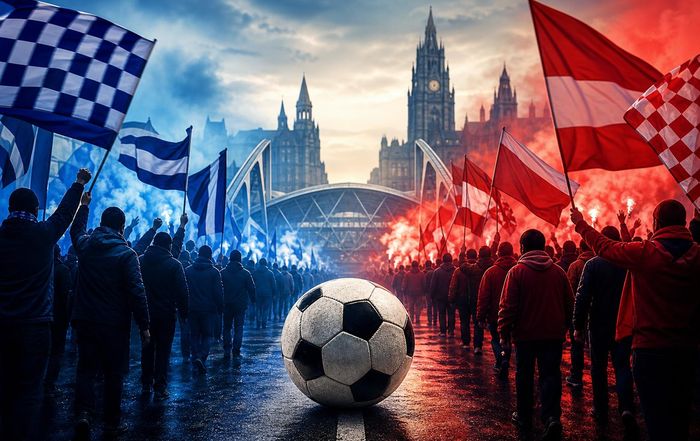
The sensory experience-chants, banners, flares where allowed, and choreographed displays-remains one of the strongest arguments for attending live football rather than watching from home. That atmosphere is also a key part of how broadcasters like Sky Sports and BBC Sport package and sell derbies to global audiences. Yet the very intensity that makes derbies compelling can also tip into hostility, making responsible management of atmosphere a central issue for clubs, leagues, and fan groups.
Where Passion Becomes a Problem: Hooliganism, Hate, and Policing
Any honest discussion of derby culture must confront its darker side. The UK has a long history of football-related disorder, and while the situation is far better than in the 1970s and 1980s, concerns remain. The UK Home Office publishes annual data on football-related arrests and banning orders, showing that while overall numbers are relatively low compared with the total attendance, spikes often coincide with high-profile derbies. Offences range from public order and alcohol-related incidents to more serious violence.
Rivalries with strong religious, ethnic, or national dimensions can also be flashpoints for discriminatory chanting and hate speech. Organizations such as Kick It Out and Show Racism the Red Card work with clubs, leagues, and schools to challenge racism, sectarianism, homophobia, and other forms of abuse that sometimes surface around derby fixtures. Governing bodies including the Premier League, English Football League (EFL), and Scottish Professional Football League (SPFL) have disciplinary frameworks for clubs whose fans engage in discriminatory behaviour, ranging from fines to partial stadium closures in extreme cases.
Policing strategies have evolved, moving away from blanket heavy-handed approaches towards more intelligence-led operations, dialogue with supporter groups, and use of technology such as CCTV and body cameras. However, tensions remain over issues such as early kick-off times, restrictions on away allocations, and the perception of collective punishment. Civil liberties groups and some fan organizations argue that over-policing can damage the matchday experience and strain relations between authorities and communities. Balancing safety with freedom of expression is one of the most sensitive aspects of managing derby culture today.
Women's Football and the Reimagining of Rivalries
As women's football has grown rapidly across the UK, derby culture has expanded and evolved rather than simply copying the men's game. The North London derby in the Women's Super League (WSL), Manchester derbies in women's competitions, and fixtures like Celtic-Rangers in the women's game are attracting larger crowds, more media coverage, and increasingly vocal supporter groups. Governing bodies such as the FA and UEFA have identified women's football as a strategic growth area, and high-profile rivalries are central to that strategy.
In many cases, women's derbies have been framed as more family-friendly and inclusive, with clubs promoting them as opportunities to bring new fans into the stadium. Ticket pricing, marketing, and scheduling often aim to create an accessible atmosphere that still retains the drama and intensity of local rivalry. This has implications for how younger generations experience derby culture: a child's first derby may now be in the WSL or Scottish women's competitions, shaping expectations around behaviour, inclusivity, and what support looks like.
Media coverage from outlets such as The Guardian, The Athletic, and BBC Sport has increasingly highlighted how rivalries in the women's game are building their own heritage and narratives, rather than merely borrowing from the men's side. That shift matters because it broadens who feels that derby culture is "for them," opening up spaces for women, LGBTQ+ supporters, and families who might previously have felt sidelined or unsafe at certain fixtures.
Global Audiences, Local Roots: Broadcasting and Commercial Power
Derbies are among the most valuable broadcast properties in football. The Premier League's domestic and international rights deals, negotiated with broadcasters including Sky Sports, TNT Sports, and overseas partners, rely in part on the guaranteed drama and audience pull of fixtures like Manchester United vs. Liverpool or the North London derby. These games routinely deliver some of the highest viewing figures, both in the UK and in key international markets across Asia, North America, and Africa.
This commercial weight has consequences. Kick-off times may be shifted to suit global audiences, sometimes to the frustration of match-going fans who face early travel or late returns. Clubs leverage derby narratives in sponsorship deals, shirt launches, and global marketing campaigns, recognizing that these fixtures are often the entry point for new international fans choosing a team to follow. Brands in sectors from sportswear and gaming to finance and technology see derbies as prime platforms for exposure, tying into broader trends in sports business and sponsorship.
Yet there is an ongoing tension between global commercialization and local authenticity. Supporters' trusts and fan groups often argue that the soul of a derby lies in its local roots-the streets around the stadium, the independent pubs and cafes, the community clubs and grassroots pitches. When fixture scheduling disrupts local traditions, ticket prices rise beyond the reach of long-term fans, or stadiums become heavily tourist-oriented, some argue that derby culture risks becoming a packaged product rather than a lived experience. That debate sits at the heart of wider concerns about how modern football is governed and who it really serves.
Economics on and off the Pitch: Cities, Clubs, and Matchday Revenue
Derby days are not just emotional events; they are economic engines. Local councils and business groups often highlight the boost that big fixtures bring to city centres, with increased spending in hospitality, transport, and retail. Studies commissioned by city authorities and tourism bodies, such as VisitScotland or VisitBritain, have pointed to the role of major sporting events in driving visitor numbers and spending, and high-profile derbies can have similar localised effects.
For clubs, derby fixtures can be among the most lucrative of the season. Ticket prices are often at the upper end of the scale, hospitality packages sell out, and merchandise linked to rivalry-special scarves, shirts, or memorabilia-moves quickly. Matchday revenue remains a significant component of overall income, even as broadcasting and commercial deals have grown. This is particularly true for clubs lower down the pyramid, where a local derby can make a material difference to annual finances. In League One, League Two, and the National League, rivalries such as Portsmouth-Southampton (when they meet in cups), Bristol Rovers-Bristol City, or Wrexham-Chester have historically drawn crowds well above average.
However, derby-related disorder can carry economic costs as well as benefits. Policing bills, damage to property, and reputational issues can strain relations between clubs and local authorities. Insurance premiums, safety upgrades, and compliance with stadium regulations overseen by bodies like the Sports Grounds Safety Authority (SGSA) can also add to operating costs. Clubs are therefore incentivized to work closely with supporter groups, councils, and police to keep derbies both safe and financially sustainable.
Culture, Media, and the Stories Fans Tell
Derby culture extends far beyond the stadium into music, film, literature, gaming, and online communities. Documentaries on platforms like Netflix and Amazon Prime Video have explored rivalries from Sunderland-Newcastle to Leeds-Manchester United, while podcasts and fan-led YouTube channels dissect every incident, chant, and refereeing decision. Football-focused outlets such as FourFourTwo and The Athletic regularly produce long-form features on the history and psychology of specific derbies, feeding a growing appetite for deeper storytelling.
Video games like EA Sports FC (formerly FIFA) and Football Manager build derby fixtures into their code, with in-game commentary, fan expectations, and even board demands reflecting the heightened stakes. This helps transmit derby culture to younger fans who may experience their first rivalry virtually before ever setting foot in a stadium. Social media amplifies this further, allowing memes, banter, and sometimes abuse to circulate at speed across borders, turning local rivalries into global talking points within minutes.
At the same time, museums, fan zines, and local archives play a quieter but important role in preserving the cultural memory of derbies. Match programmes, banners, and oral histories capture aspects of rivalry that might otherwise be lost in an era of rapid commercial change. For those interested in the intersection of sport and culture, derby narratives offer rich material on class, migration, language, humour, and regional stereotypes.
Health, Wellbeing, and the Emotional Cost of Caring So Much
The emotional stakes of derby days have prompted increasing interest from health and sports science researchers. Studies published through institutions such as University College London (UCL) and Lancaster University have looked at how high-stress matches can affect heart rate and blood pressure in fans, particularly those with pre-existing cardiovascular conditions. While watching football can provide social connection and joy-factors associated with better mental health-acute stress responses during derbies have led some cardiologists, including those associated with the British Heart Foundation, to advise vulnerable fans to be mindful of triggers such as heavy drinking, smoking, or intense emotional swings.
On the mental health side, organizations like Mind and club-affiliated community trusts run programmes using football fandom as an entry point to discuss anxiety, depression, and loneliness. Derby days can exacerbate these issues for some people, especially when results are tied closely to self-worth or social status within peer groups. Online abuse and toxic fan culture can further amplify distress. On the other hand, shared rituals, group identity, and the simple act of having something to look forward to each week can be protective factors when managed in a healthy way.
From a participation perspective, the energy of derby culture can inspire people to play sport, join local teams, or take up fitness and training with friends and colleagues. Community initiatives often use derby fixtures to promote healthy lifestyles, host walking football tournaments, or run charity runs between rival stadiums. This connects the intense emotional world of elite competition with everyday health and wellbeing in local communities.
Digital Rivalries: Social Media, Data, and the New Frontiers of Fandom
The growth of digital platforms has changed how derbies are experienced and remembered. Clubs now produce vast quantities of behind-the-scenes content around big fixtures, from training-ground footage and tactical breakdowns to player interviews and historical retrospectives. This content is distributed across club websites, apps, and social platforms, feeding a 24/7 conversation that extends far beyond 90 minutes. Technology and data companies, from analytics firms to social media platforms like X (formerly Twitter) and Meta, track engagement spikes around derby days, which in turn influence sponsorship deals and media strategies.
Advanced analytics also shape the way coaches and analysts prepare for rivalries. While this is more of an internal process, it filters out to fans through tactical blogs, data visualizations, and explainers produced by outlets such as Opta (via its parent company Stats Perform) and major broadcasters. This has created a subculture of analytically minded supporters who debate expected goals (xG), pressing metrics, and shape changes with as much passion as traditional fans argue about "desire" or "heart."
At the same time, online spaces can intensify tribalism. Algorithms that reward engagement may amplify provocative content, including taunts, conspiracy theories about referees, and targeted abuse of players or rival fans. Governing bodies, clubs, and anti-abuse campaigns have pushed platforms to take stronger action, while players' unions such as the Professional Footballers' Association (PFA) have highlighted the toll of online hate. For derby culture to remain a positive part of football's future, the digital dimension will need as much attention as the physical one.
Why Derby Culture Still Matters
In an era when some clubs are owned by global conglomerates, players move frequently, and fans can follow teams from thousands of miles away, it might be tempting to view local rivalries as relics of a more parochial past. Yet derby culture continues to matter across the UK precisely because it connects modern football to place, memory, and meaning. These fixtures embody the contradictions of the sport: they generate unity and division, joy and despair, local pride and global spectacle, community cohesion and occasional conflict.
For policymakers and authorities, derbies are a test of how to manage public events that are intense but largely peaceful, passionate but not hateful. For clubs and leagues, they are commercial assets that must be handled with care if they are not to lose their authenticity. For fans, they are emotional landmarks in the calendar, shaping relationships, routines, and even personal wellbeing.
Understanding derby culture means recognizing both its power and its risks. It demands acknowledging uncomfortable histories while supporting efforts to make stadiums safer and more inclusive. It invites reflection on how sport intersects with business, media, technology, and everyday life. Above all, it reminds us that football is not just a product to be consumed, but a shared cultural practice in which meaning is created collectively-week after week, season after season, and, most intensely of all, on derby day.