

The Future of Global Sports Commerce
A New Commercial Era for Global Sport
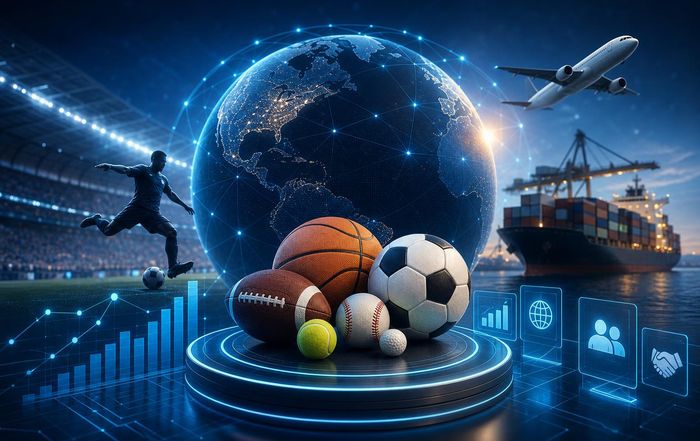
Global sports commerce has evolved from a collection of national leagues and regional fan bases into a fully interconnected economic system that touches nearly every major industry, from media and technology to healthcare, fashion, finance and sustainability. What was once a relatively linear value chain-stadiums, broadcasters, sponsors and fans-has become a complex digital ecosystem in which data, personalization and community are the primary currencies. For Sportsyncr and its sporty and active audience of executives, brand leaders, technologists and performance professionals, understanding this transformation is no longer optional; it is central to strategic decision-making and long-term value creation.
The global sports market, which PwC and Deloitte had projected to surpass half a trillion dollars by the mid-2020s, is now defined as much by streaming rights, direct-to-consumer platforms and immersive fan experiences as by ticket sales and traditional sponsorships. The convergence of sports, fitness and health has blurred category boundaries, while the rise of athlete-driven brands and creator-led content has redistributed influence away from legacy institutions and toward individuals and communities. Against this backdrop, sportsyncr.com has positioned itself at the intersection of sports, fitness, health, brands and business, focusing on the experience, original daily, updated well researched content that decision-makers require to navigate this rapidly shifting landscape.
The Digital Fan: From Spectator to Stakeholder
The most profound driver of change in global sports commerce has been the redefinition of the fan. No longer a passive spectator, the modern fan is a data-rich, globally connected participant whose behavior shapes scheduling, content formats, sponsorship strategies and even rule changes. Research from organizations such as McKinsey & Company and Accenture has shown that younger audiences in the United States, Europe and Asia are significantly more likely to follow athletes rather than teams, consume highlights instead of full games and engage with sports through gaming, social platforms and fitness apps rather than linear television. This shift has forced rights holders and brands to rethink how they create and capture value across the fan journey.
Digital touchpoints now span live broadcasts, second-screen social engagement, fantasy sports, betting platforms, fitness tracking, e-commerce and real-world experiences. As leagues and clubs build their own direct-to-consumer ecosystems, the competition is no longer limited to rival sports properties; it extends to streaming services, gaming publishers, music platforms and short-form video networks. To remain relevant, sports organizations are adopting advanced analytics and personalization strategies similar to those used by Netflix, Spotify and leading e-commerce companies. Learn more about how digital platforms are reshaping consumer expectations on sites such as Harvard Business Review and MIT Sloan Management Review, where cross-industry best practices in data-driven engagement are frequently explored.
For Sportsyncr, this evolution of the fan into a stakeholder aligns directly with its mission to provide integrated coverage of culture, social trends and technology alongside traditional sports business analysis. The platform's readers are not merely tracking scores or sponsorship deals; they are evaluating how shifts in fan behavior will influence product development, media investment, talent strategy and global expansion.
Streaming, Fragmentation and the Battle for Attention
The global migration from linear broadcasting to streaming has fundamentally altered the economics of sports media. As major rights packages in the United States, United Kingdom, Germany and other core markets have been renegotiated, new entrants such as Amazon, Apple, YouTube and regional streaming platforms have competed with traditional broadcasters like ESPN, Sky Sports, DAZN and Canal+ for premium properties. This has driven up the value of top-tier rights while simultaneously fragmenting access for fans, who increasingly must navigate multiple subscriptions to follow their favorite teams and competitions.
This fragmentation has forced rights holders to experiment with flexible packaging, including single-game passes, team-specific subscriptions and mobile-first offerings tailored to younger, price-sensitive viewers. At the same time, second- and third-tier sports, women's leagues and emerging formats such as short-form cricket and three-on-three basketball have leveraged digital platforms to reach global audiences without relying on traditional broadcast gatekeepers. Organizations like World Rugby, FIFA, UEFA and IOC have all invested heavily in their own direct-to-consumer channels, while national federations and niche properties have turned to platforms such as YouTube, Twitch and TikTok to build communities and monetize engagement through advertising, sponsorship and commerce integrations.
For executives seeking to understand these dynamics, resources such as Sports Business Journal, Front Office Sports and The Economist provide useful macro views on media rights trends, while sportsyncr.com adds a complementary lens focused on how these changes intersect with health, culture, brand strategy and global fan behavior. The future of sports commerce will be defined not only by who wins the rights auctions, but by who can orchestrate cohesive, cross-platform experiences that keep fans engaged in an environment of constant content overload.
The Convergence of Sports, Fitness and Health
One of the most important developments shaping global sports commerce is the deep integration of performance, wellness and everyday lifestyle. The pandemic accelerated adoption of connected fitness and telehealth, and by 2026, consumers in North America, Europe and Asia routinely blend gym memberships, home equipment, wearables and digital coaching subscriptions into a single personalized ecosystem. This has created a powerful adjacency for sports properties and brands, which now view fitness and health as continuous engagement channels rather than ancillary categories.
Companies such as Nike, Adidas, Under Armour, Lululemon, Peloton and WHOOP have invested heavily in data-driven platforms that connect training, recovery and community. Elite athlete methodologies are increasingly translated into consumer products and services, while sports medicine advances filter into mainstream healthcare. Organizations like the World Health Organization and Centers for Disease Control and Prevention underscore the public health significance of physical activity, and their guidelines influence how governments, cities and schools structure sports participation, which in turn affects long-term fan development and commercial potential. Learn more about global physical activity recommendations via the World Health Organization and explore health policy implications at OECD Health.
Sportsyncr has responded to this convergence by integrating health, fitness and science coverage into its core editorial strategy, recognizing that performance metrics, injury prevention, recovery protocols and mental wellbeing are now critical business variables for clubs, leagues, sponsors and technology providers. As wearables and biometrics move deeper into mainstream use, questions of data ownership, privacy, labor rights and competitive integrity will intensify, requiring informed analysis that blends medical expertise, legal frameworks and commercial strategy.
Athlete-Led Brands and the Creator Economy
The rise of athlete-led brands has redefined the balance of power in global sports commerce. Superstars in football, basketball, tennis, cricket and mixed martial arts across the United States, Europe, Asia and Africa now operate as global media companies, leveraging their social followings, production capabilities and investment portfolios to bypass traditional intermediaries. Figures such as LeBron James, Serena Williams, Cristiano Ronaldo, Naomi Osaka, Lewis Hamilton and Kylian Mbappé have built or partnered with media studios, venture funds and consumer brands, while many emerging athletes in markets like Brazil, India, Nigeria and South Korea are following similar paths on a more localized scale.
This shift has significant implications for rights holders and sponsors. Instead of negotiating solely with leagues and clubs, brands increasingly structure partnerships directly with athletes, who offer targeted audience access and authentic storytelling. The creator economy model-popularized on platforms like YouTube, Instagram, TikTok and Twitch-has normalized revenue sharing, co-created products and performance-based compensation structures. Learn more about how the creator economy is evolving through analysis from Andreessen Horowitz's Future and research published by The Information.
For Sportsyncr, which successfully covers brands, social impact and jobs in sports, this decentralization of influence opens new storytelling and analytical dimensions. Athlete-investors are shaping early-stage sports technology, wellness, gaming and sustainability ventures, while their advocacy on issues such as racial equity, gender parity, climate change and mental health is influencing consumer expectations and corporate behavior. As athlete-driven brands mature, governance, transparency and long-term value creation will become critical differentiators, and platforms that can evaluate these ventures with rigor and independence will be essential.
Technology, Data and the Intelligent Arena
Technological innovation sits at the core of the future sports commerce stack. Smart stadiums, edge computing, 5G connectivity, computer vision, AI-driven analytics and immersive interfaces are transforming how sports are played, officiated, distributed and commercialized. Venues in the United States, United Kingdom, Germany, Japan, Singapore and the Middle East increasingly function as integrated digital platforms, where ticketing, security, concessions, betting, merchandise, content and transportation are synchronized through unified data layers and mobile applications.
Sports technology providers, from established companies like SAP, IBM, Microsoft and Cisco to specialized startups in performance analytics, fan engagement and venue operations, are building modular solutions that can be deployed across leagues and geographies. Organizations such as SportTechX, Sportradar, Genius Sports and Hawk-Eye Innovations play pivotal roles in data collection, distribution and integrity, while regulators and policymakers grapple with the implications of AI-assisted officiating, dynamic advertising insertion and algorithmic personalization. For broader context on AI, cloud computing and data governance, executives often turn to resources like World Economic Forum and OECD Digital Economy.
Sportsyncr's coverage of technology and news emphasizes not only the capabilities of these tools but also their strategic and ethical implications. Intelligent arenas can optimize revenue per seat, enhance safety and enable new sponsorship inventory, but they also raise questions about surveillance, equity of access and the digital divide between major markets and emerging regions. As AI systems increasingly predict injury risk, optimize training loads and personalize fan journeys, governance frameworks and industry standards will be essential to ensure that commercial incentives do not override athlete welfare or consumer rights.
Globalization, Localization and the Multipolar Sports World
While sports have long been a global business, the structure of that globalization is changing. Instead of a predominantly Western export model centered on North American and European leagues, the industry is moving toward a multipolar configuration in which Asia, the Middle East, Africa and Latin America play more assertive roles as both markets and investors. Major events in countries such as Qatar, Saudi Arabia, China, Japan, Brazil and South Africa have accelerated infrastructure development and catalyzed domestic leagues, while sovereign wealth funds and institutional investors have acquired stakes in clubs, leagues and media assets across Europe and North America.
This rebalancing has created new opportunities and tensions. On one hand, expanded investment has stabilized some historic clubs, funded women's sports and enabled technological upgrades. On the other, it has raised complex questions around governance, competitive balance, human rights, soft power and the long-term autonomy of traditional institutions. Organizations like FIFA, IOC and World Athletics must navigate geopolitical sensitivities while maintaining the integrity of competitions and bidding processes. To understand the broader geopolitical and economic context, leaders often reference analysis from Chatham House, Brookings Institution and Council on Foreign Relations.
For a platform with a global remit like Sportsyncr, which maintains dedicated coverage of the world and business of sport, this multipolar reality demands nuanced, region-specific analysis. The commercial strategies that work in the United States or United Kingdom may not translate directly to Germany, China, India, Nigeria or Brazil, where regulatory environments, consumer preferences, infrastructure and cultural dynamics differ significantly. Sports organizations that combine global brand consistency with local relevance-through language, pricing, community engagement and content strategy-will be best positioned to capture growth in this diversified landscape.
Brands, Sponsorship and Purpose-Driven Partnerships
Sponsorship remains a central pillar of sports commerce, but its structure and expectations have changed dramatically. Brands in categories ranging from financial services, automotive and telecommunications to fintech, crypto, healthtech and sustainability now demand measurable returns that extend beyond logo visibility and hospitality. They expect integrated campaigns that connect live events, digital content, social storytelling, product innovation and community impact, with clear performance metrics and transparent reporting.
Purpose-driven partnerships have moved from the margins to the mainstream. Fans, particularly younger demographics in Europe, North America and Asia-Pacific, increasingly scrutinize brand behavior on issues such as climate change, diversity and inclusion, labor practices and data privacy. Organizations like UN Global Compact, B Lab and CDP have created frameworks and benchmarks for corporate responsibility, and these standards are gradually influencing sponsorship decisions. Learn more about sustainable business practices through resources provided by UN Global Compact and World Resources Institute.
Within this context, Sportsyncr's incredible dedicated sponsorship and environment coverage explores how brands, rights holders and athletes can align commercial objectives with credible environmental and social commitments. Green stadium initiatives, low-carbon event operations, circular merchandising, inclusive participation programs and transparent reporting are no longer peripheral projects; they are becoming competitive differentiators that influence fan loyalty, regulatory risk and investor perception. As sports properties position themselves as platforms for positive change, the ability to substantiate claims with data and third-party verification will be crucial to maintaining trust.
The Sports Workforce and the Future of Jobs
The transformation of global sports commerce is reshaping the labor market across the industry. Beyond athletes and coaches, growth in data analytics, content production, digital marketing, esports, sports science, sustainability, fan experience and venue technology has created a diverse range of new roles. Universities in the United States, United Kingdom, Germany, Australia, Singapore and elsewhere have expanded sports business, analytics and management programs, while professional associations and online platforms offer continuous learning pathways for mid-career professionals seeking to transition into or within the sector.
At the same time, automation and AI are changing the nature of work in areas such as ticketing, customer service, operations and media production. This raises strategic questions for organizations about workforce planning, upskilling, diversity and inclusion, and employer branding. Reports from entities like the International Labour Organization and World Economic Forum on the future of work provide valuable macro insights that sports organizations can adapt to their own contexts. For those exploring career opportunities and talent trends within the industry, Sportsyncr Jobs offers a focused lens on roles that sit at the intersection of performance, technology, media and business.
As the industry becomes more data-driven and globally interconnected, soft skills such as cross-cultural communication, ethical decision-making and stakeholder management will be as important as technical expertise. Organizations that invest in inclusive leadership development and transparent career pathways will be better equipped to attract and retain talent in an increasingly competitive marketplace where sports competes with technology, entertainment, finance and consulting for high-performing professionals.
Gaming, Esports and the Blurring of Competitive Worlds
The boundary between traditional sports and digital competition continues to erode. Esports and gaming have grown into multi-billion-dollar industries with global audiences rivaling those of major leagues, particularly among younger demographics in Asia, Europe and North America. Publishers such as Riot Games, Activision Blizzard, Tencent, Epic Games and Electronic Arts operate complex ecosystems that include professional leagues, streaming rights, in-game economies and merchandise. Traditional sports organizations have responded by investing in or partnering with esports teams, launching virtual competitions and integrating gaming content into their fan engagement strategies.
The commercial logic is clear: gaming offers high engagement, rich behavioral data and a laboratory for testing new formats, monetization models and interactive storytelling. Platforms like Twitch, YouTube Gaming and Discord have normalized real-time community participation, while advances in mixed reality and haptic feedback hint at future experiences that merge physical and digital play. For an overview of global gaming trends and their economic implications, resources such as Newzoo and GamesIndustry.biz provide useful benchmarks.
Sportsyncr's gaming coverage recognizes that the skills, communities and technologies emerging from esports will increasingly influence how traditional sports are produced, consumed and commercialized. From virtual training environments and digital collectibles to interactive broadcasts and co-created content, the line between fan and player is becoming more porous. Sports organizations that embrace this convergence thoughtfully, respecting both the authenticity of existing communities and the integrity of competition, will unlock new revenue streams and engagement opportunities.
Toward a More Integrated, Responsible Sports Economy
The future of global sports commerce will not be defined by a single technology, league or region, but by the ability of the ecosystem to integrate multiple forces-digital transformation, health and wellness, athlete empowerment, globalization, sustainability and workforce evolution-into coherent, trusted and value-creating models. As the industry grows more complex, the need for reliable, context-rich information and analysis becomes more urgent.
Sportsyncr positions itself as a impartial hub for that integrated perspective, connecting sports, health, business, culture, technology and world developments into a cohesive narrative. By emphasizing experience, expertise, authoritativeness and trustworthiness, the platform aims to support decision-makers who must navigate uncertainty while building resilient, inclusive and sustainable strategies.
In the years ahead, the organizations that thrive will be those that treat fans as partners rather than targets, athletes as multidimensional stakeholders rather than assets, technology as an enabler rather than an end in itself and sustainability as a core business principle rather than a marketing slogan. Global sports commerce is entering a phase in which long-term trust and shared value will be as important as short-term revenue, and the companies, leagues, federations and brands that internalize this reality will define the next generation of success in the world's most powerful cultural and commercial arena.