

Sustainable Stadium Architecture and Urban Integration
Redefining the Modern Stadium
Sport stadiums have evolved from a monumental but often underused structure into a complex, data-driven and environmentally conscious engine for urban regeneration. Across North America, Europe, Asia and beyond, city planners, club owners, investors and technology partners are converging around a shared understanding: sustainable stadium architecture and intelligent urban integration are no longer optional branding exercises but core business strategy, risk management and community-building imperatives. For Sportsyncr and its sports and fitness news lovers, who seek up-to-date content at the intersection of sports, business, technology and environment, the stadium has become a live laboratory for how performance, profit and planetary boundaries can be aligned in practice.
The global sports infrastructure market is being reshaped by stricter environmental regulation, escalating energy prices, heightened fan expectations around comfort and connectivity, and the increasing scrutiny of sponsors and institutional investors on environmental, social and governance (ESG) performance. Organizations such as FIFA, UEFA, World Athletics and the International Olympic Committee have embedded sustainability criteria into event hosting requirements, while investors reference frameworks from the Task Force on Climate-related Financial Disclosures and standards aligned with the Global Reporting Initiative to assess the resilience and responsibility of stadium-anchored developments. In this environment, sustainable stadium architecture is no longer a niche specialty; it is a competitive differentiator and a core pillar of long-term asset value.
From Single-Use Venues to Urban Ecosystems
The older model of stadium development treated the venue as a largely isolated asset, surrounded by seas of surface parking and activated only on match days or for occasional concerts. This approach produced significant externalities: traffic congestion, underused land, high energy and water consumption and, in many cases, social disconnection from surrounding neighborhoods. The new paradigm places the stadium as a multi-use anchor within a broader urban ecosystem, designed to function as a daily destination for work, leisure, health, culture and community services.
Urban planners and architects are increasingly drawing from principles articulated by organizations such as UN-Habitat and the World Resources Institute on compact, transit-oriented and mixed-use development. Successful contemporary stadium districts in cities such as London, Munich, Seattle, Singapore and Melbourne integrate housing, retail, hospitality, co-working spaces, public plazas and green corridors, ensuring that the infrastructure serves residents and visitors well beyond the limited window of major events. This shift toward constant activation is closely aligned with the editorial focus of Sportsyncr, where culture, social dynamics and brands converge around the fan experience and the economic life of the city.
Architectural Strategies for Low-Carbon Stadiums
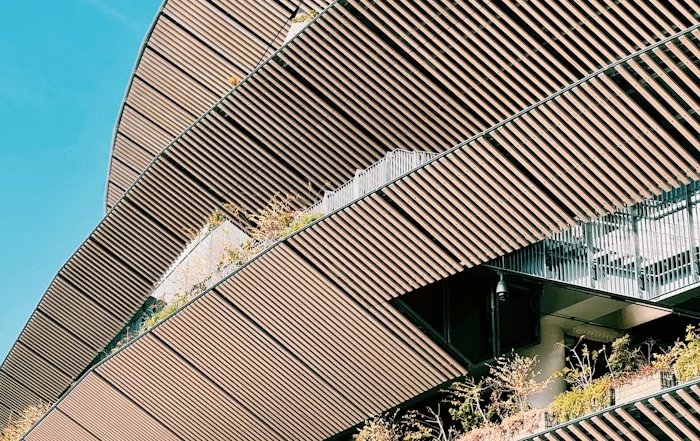
The architectural response to sustainability imperatives begins with fundamental design decisions around orientation, massing, envelope performance and material selection. Leading practices, many of them members of the Royal Institute of British Architects and the American Institute of Architects, now adopt a "fabric first" approach, maximizing passive performance before layering in technological systems. Stadiums are oriented to capture prevailing winds for natural ventilation, canopies are shaped to optimize shading while allowing daylight penetration, and façades are engineered with high-performance insulation and glazing to reduce heating and cooling loads.
Material choices are equally critical. Designers are increasingly specifying low-carbon concrete, mass timber structural elements, recycled steel and regionally sourced materials to cut embodied emissions in line with guidance from the World Green Building Council. Modular construction techniques and prefabricated components reduce waste and enable future adaptation, a key consideration as leagues expand, formats change and fan expectations evolve. Roof structures, once purely expressive gestures, now often serve as platforms for extensive photovoltaic arrays, rainwater harvesting systems and biodiversity features such as green roofs, all contributing to increasingly stringent net-zero energy and water targets.
Energy Systems, Smart Operations and Digital Twins
The integration of advanced energy systems and digital technologies has transformed stadium operations into finely tuned, data-driven processes. Building management systems, underpinned by Internet of Things (IoT) sensors and AI-enabled analytics, continuously monitor occupancy, temperature, humidity, lighting and equipment performance, adjusting in real time to minimize energy use while maintaining comfort and safety. Organizations drawing on research from the International Energy Agency recognize that such smart controls can deliver substantial reductions in operational carbon over the life of a venue.
Stadiums in the United States, United Kingdom, Germany, Japan and the Nordic countries are increasingly deploying on-site renewable generation, battery storage and microgrid configurations that allow them to function as resilient energy hubs. In some cases, surplus power generated on non-event days is exported to surrounding neighborhoods, turning the stadium into a contributor to local grid stability rather than a peak-demand burden. The emergence of digital twin technology, where a virtual replica of the stadium and its surrounding district is maintained in real time, enables operators to test scenarios, optimize maintenance and simulate crowd flows and emergency responses, aligning closely with the innovation agenda covered on Sportsyncr's technology channel.
Water, Climate Resilience and Biodiversity
Climate change has redefined risk profiles for stadiums worldwide, with venues in North America, Europe, Asia and Africa increasingly exposed to flooding, heatwaves, storms and water stress. Contemporary sustainable stadium architecture therefore integrates comprehensive water strategies, including rainwater capture, greywater recycling, low-flow fixtures and efficient irrigation systems for natural turf. Guidance from organizations such as the World Meteorological Organization and national climate agencies is being used to inform design criteria for drainage capacity, stormwater retention and heat mitigation.
Landscape design plays a pivotal role in enhancing resilience and ecological value. Permeable surfaces, bioswales and constructed wetlands manage runoff while improving water quality, and native planting supports biodiversity, reduces maintenance needs and enhances the fan experience. In dense urban settings, stadium districts are increasingly conceived as green infrastructure, providing shade, improving air quality and contributing to urban cooling, which is particularly important in cities across Southern Europe, the Middle East and parts of Asia-Pacific where extreme heat is becoming a defining urban challenge.
Mobility, Transit and the 15-Minute Stadium
Sustainable stadium integration is inseparable from mobility planning. The traditional reliance on private car access is giving way to multimodal strategies that prioritize public transit, cycling and walking, reducing both carbon emissions and congestion. In leading projects, stadium sites are aligned with existing or planned metro lines, commuter rail stations and bus rapid transit corridors, often in collaboration with municipal authorities and national transport agencies such as the U.S. Department of Transportation and Transport for London.
The concept of the "15-minute city," championed by urban thinkers and referenced by organizations like C40 Cities, has its counterpart in the "15-minute stadium," where essential services, amenities and transit connections are available within a short walk or cycle from the venue. Secure bike parking, integrated ticketing that pairs event access with transit passes, and dynamic curb management for shared mobility services all support a lower-carbon, more convenient journey for fans and staff. For Sportsyncr readers tracking world and news developments, these mobility shifts illustrate how stadium projects can become catalysts for broader urban transport upgrades that benefit entire regions.
Economic Models, Sponsorship and ESG-Driven Investment
From a business perspective, sustainable stadium architecture is closely tied to long-term revenue resilience and access to capital. Institutional investors, including major pension funds and sovereign wealth funds, routinely reference disclosure regimes guided by the International Sustainability Standards Board and rating methodologies from agencies such as MSCI and S&P Global when evaluating large-scale sports infrastructure. Venues that demonstrate credible pathways to reduced carbon emissions, efficient resource use and robust community engagement are better positioned to secure financing on favorable terms, particularly in Europe and North America where sustainable finance regulations are tightening.
Sponsorship dynamics are also shifting. Global brands in sectors such as financial services, technology, automotive and consumer goods increasingly tie their naming rights and partnership decisions to the sustainability performance of stadiums and clubs, mindful of their own commitments under frameworks like the UN Global Compact. For Sportsyncr, which closely follows sponsorship trends and the evolving landscape of brands, this alignment between venue design and corporate ESG strategies underscores the commercial logic of investing in green infrastructure rather than treating it as an afterthought or marketing overlay.
Health, Wellbeing and the Fan Experience
Sustainability in stadiums extends beyond environmental metrics to encompass health, wellbeing and inclusive design. Indoor air quality, acoustics, lighting and thermal comfort all influence fan satisfaction, staff productivity and athlete performance. The World Health Organization has repeatedly emphasized the importance of healthy built environments, and stadium designers are increasingly working with sports scientists, medical experts and human-centric lighting specialists to create venues that support physical and mental wellbeing.
Post-pandemic considerations continue to shape design decisions, with attention to ventilation, contactless entry systems, crowd circulation and hygiene infrastructure. Food and beverage offerings are evolving toward healthier and more sustainable options, including plant-forward menus and locally sourced products, aligning with the interests of Sportsyncr's readers across health and fitness. Quiet rooms, sensory-friendly spaces and accessible seating are increasingly standard, reflecting a broader recognition that inclusive design is integral to the social license of major sports organizations and their venues.
Community Integration and Social Value
The most compelling stadium projects of this decade are those that embed themselves meaningfully in the social and cultural fabric of their host cities. Rather than displacing communities or creating exclusive enclaves, exemplary developments engage local residents, businesses and civic groups from early planning stages, often using participatory design processes and community benefits agreements. Research from the Brookings Institution and similar think tanks has highlighted both the risks and opportunities associated with stadium-led regeneration, emphasizing that long-term social value depends on access, affordability and local economic participation.
In practice, this can mean integrating community sports facilities, education and training centers, health clinics, cultural venues and public open spaces into the stadium precinct, ensuring that the benefits of investment are distributed beyond ticket holders and corporate clients. For younger fans and jobseekers, particularly in regions facing economic transition, stadium districts can provide entry points into careers in hospitality, security, event management, digital media, maintenance and green technologies, themes that resonate strongly with Sportsyncr's focus on jobs and the changing nature of work in the global sports industry.
Regional Perspectives: Europe, North America and Asia-Pacific
While the drivers of sustainable stadium architecture are global, regional contexts shape their expression. In Europe, stringent energy performance regulations, carbon pricing mechanisms and strong public support for climate policies have accelerated the adoption of net-zero and circular economy principles in stadium design. Venues in Germany, the Netherlands, the Nordic countries and the United Kingdom often serve as showcases for advanced building envelopes, on-site renewables and integrated district heating and cooling networks, reflecting broader societal commitments documented by entities such as the European Environment Agency.
In North America, particularly the United States and Canada, market-based incentives, corporate ESG commitments and the influence of organizations like the U.S. Green Building Council have driven a surge in LEED-certified stadiums and arenas. Large franchises in the NFL, NBA, MLB and NHL increasingly view sustainable design as a way to differentiate their brand, manage operating costs and appeal to younger, environmentally conscious fans. Meanwhile, in Asia-Pacific, rapid urbanization, mega-event hosting cycles and the ambition of cities in China, Japan, South Korea, Singapore, Australia and New Zealand have produced a wave of technologically advanced, transit-integrated stadiums that often serve as flagship projects for national innovation strategies and green building codes.
Innovation Frontiers: Materials, Circularity and Gaming-Driven Design
Looking ahead, several innovation frontiers are likely to define the next generation of sustainable stadiums. Advances in bio-based and regenerative materials, from cross-laminated timber to mycelium-based composites, promise to further reduce embodied carbon while offering new aesthetic and structural possibilities. Circular economy principles are being applied not only to construction waste but also to interior fit-outs, fan merchandise, food packaging and even digital infrastructure, with guidance from organizations like the Ellen MacArthur Foundation.
The intersection of stadium design with digital entertainment and gaming is also becoming more pronounced. Esports arenas and hybrid venues designed for both physical and virtual events are pushing architects and operators to think differently about flexibility, acoustics, connectivity and immersive technologies. For Sportsyncr, whose audience spans traditional sport and gaming, this convergence opens new questions about how sustainable principles can be maintained in increasingly energy-intensive digital experiences, from large-scale LED displays to edge computing infrastructure and extended reality applications.
Measuring Impact, Reporting and Trust
Experience, expertise, authoritativeness and trustworthiness in the conversation around sustainable stadiums depend on rigorous measurement and transparent communication. Owners, operators and public authorities are under growing pressure to substantiate claims about carbon reductions, social impact and economic benefits through independently verified data. Frameworks inspired by the Greenhouse Gas Protocol and national building performance standards are being applied to track energy use, emissions, water consumption, waste diversion and mobility patterns over the full life cycle of stadium assets.
For stakeholders following these developments through Sportsyncr's science and business coverage, the credibility of sustainability narratives is closely tied to the quality of evidence and the willingness of organizations to acknowledge challenges as well as successes. In an era of increased regulatory oversight and sophisticated public scrutiny, greenwashing carries significant reputational and financial risks, particularly for high-profile clubs, leagues and sponsors operating across multiple jurisdictions in Europe, Asia, Africa and the Americas.
The Role of Sportsyncr in a Connected Stadium Future
As sustainable stadium architecture and urban integration mature into a distinct and strategically important field, there is a growing need for platforms that can connect insights across disciplines, geographies and stakeholder groups. Sportsyncr occupies a unique position in this landscape, bringing together perspectives from sports, environment, technology, culture, social issues and global news to offer a holistic view of how stadiums are reshaping cities and communities.
By highlighting best practices from stadium projects in the United States, United Kingdom, Germany, Canada, Australia, France, Italy, Spain, the Netherlands, Switzerland, China, the Nordic region, Singapore, South Korea, Japan, Thailand, South Africa, Brazil, Malaysia and beyond, the platform can help decision-makers benchmark their own initiatives and identify credible partners. At the same time, by examining failures, unintended consequences and community concerns, Sportsyncr can foster a more nuanced discussion about what genuine sustainability and integration mean in diverse political, cultural and economic contexts.
Conclusion: Stadiums as Catalysts for a Sustainable Urban Era
Sustainable stadium architecture and urban integration stand at the crossroads of multiple global trends: decarbonization, digitalization, demographic change and evolving expectations of what sport should represent in society. The stadium, once a symbol of spectacle and excess, is being reimagined as a testbed for low-carbon technologies, inclusive design, resilient infrastructure and new economic models that blend live entertainment with daily urban life. For cities on every continent, the question is no longer whether sustainability should shape stadium projects, but how deeply and how credibly these principles are embedded from conception through operation and eventual adaptation or deconstruction.
For the active sport health and fitness community around Sportsyncr, this transformation is both an opportunity and a responsibility. By tracking innovations, interrogating claims, amplifying local voices and connecting lessons across regions and disciplines, the platform can help ensure that the next generation of stadiums serves not only the immediate needs of clubs and fans but also the long-term interests of businesses, workers, residents and the planet. In doing so, sustainable stadiums become more than venues; they become catalysts for a more resilient, equitable and vibrant urban era, where sport continues to inspire while aligning with the environmental and social realities of the twenty-first century.