

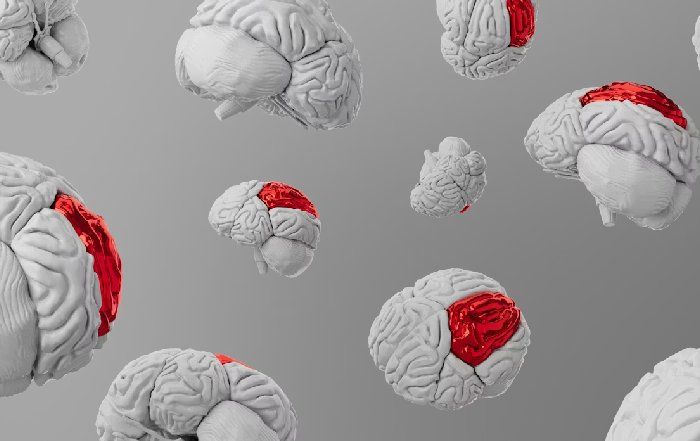
Neurological Wearables for Concussion Detection in Contact Sports
The New Frontier of Brain Protection in Global Sport
The convergence of neuroscience, sensor technology, and data analytics has turned concussion detection from a reactive medical challenge into a proactive, technology-driven discipline, and nowhere is this transformation more visible than in contact sports, where the stakes for athlete health, commercial value, and regulatory compliance are higher than ever. From youth leagues in the United States and rugby pitches in the United Kingdom, to ice hockey rinks in Sweden, Australian Rules football in Australia, and football academies across Europe, neurological wearables have moved from experimental pilots to serious tools shaping policy conversations, investment decisions, and competitive strategy, and Sportsyncr has positioned itself at the intersection of these developments by tracking how sports, health, technology, and business models are being redefined in real time.
As governing bodies, clubs, brands, and technology companies confront rising public concern over brain health and long-term neurodegenerative disease in athletes, the demand for reliable, field-ready concussion detection has accelerated, supported by a growing body of research from organizations such as the U.S. Centers for Disease Control and Prevention (CDC), which provides detailed concussion guidance, and the World Health Organization (WHO), which highlights traumatic brain injury as a critical global health issue. In this context, neurological wearables are no longer a niche innovation; they are becoming a strategic asset that touches the core of how contact sports are played, regulated, commercialized, and experienced, a dynamic explored across Sportsyncr's dedicated coverage of sports, health, and technology.
From Invisible Injury to Measurable Event
For decades, concussions were often underdiagnosed or minimized, in part because the injury is largely invisible to the naked eye, frequently lacking obvious external trauma and manifesting instead as subtle cognitive and neurological changes that can be difficult to recognize in the heat of competition. Traditional sideline assessments such as the SCAT5 and its successors, widely referenced by organizations like World Rugby and the National Football League (NFL), rely heavily on self-reported symptoms and observational tests, which are vulnerable to underreporting, bias, and the competitive pressures that drive athletes to remain on the field.
Neurological wearables attempt to convert these invisible, subjective phenomena into measurable, objective signals. Whether embedded in mouthguards, headbands, skull caps, or even helmet liners, these devices use accelerometers, gyroscopes, and increasingly sophisticated biosensors to capture head kinematics and, in some cases, real-time neurological activity. Research initiatives such as the NIH-funded brain injury consortia and projects documented by the National Institutes of Health have demonstrated correlations between repetitive head impacts and later-life conditions such as chronic traumatic encephalopathy (CTE), prompting leagues, unions, and regulators to seek tools that can track exposure more systematically and to align with evolving medical best practices, as reflected in consensus statements published in journals like the British Journal of Sports Medicine.
For a global audience following developments via platforms like Sportsyncr, the shift from anecdotal understanding to data-informed decision-making is reshaping not only how injuries are managed but also how risk is perceived by parents, sponsors, and policymakers across North America, Europe, Asia, and beyond, influencing participation trends, insurance models, and the broader culture of contact sports.
How Neurological Wearables Work: From Sensors to Sidelines
The core value of neurological wearables lies in their ability to capture high-fidelity data in real time, under the chaotic conditions of live play, and to translate that data into insights that are actionable for medical staff, coaches, and administrators. In practical terms, modern devices integrate multiple components: inertial measurement units (IMUs) to record linear and rotational accelerations; wireless communication modules to transmit data to edge devices or cloud platforms; and, in some advanced systems, EEG-derived or near-infrared spectroscopy signals that infer changes in brain activity or blood flow.
Mouthguard-based systems, which sit close to the skull and move consistently with the head, have gained traction in American football, rugby, and ice hockey, with several teams in the NCAA, NFL, and Premier League-adjacent academies participating in research partnerships documented by institutions such as Stanford University and University College London. These devices aim to distinguish between innocuous impacts and those that exceed threshold values associated with higher concussion risk, while also building longitudinal profiles of cumulative exposure for each athlete. Headband and skull-cap wearables, often used in soccer, rugby sevens, and women's sports where helmet use is less common, provide similar metrics and can be integrated into existing training workflows without major equipment changes.
The data pipeline typically flows from sensor to sideline tablet, where proprietary algorithms flag events that may warrant further evaluation, enabling medical personnel to initiate standardized concussion protocols more quickly and with greater confidence. In elite environments, this data is increasingly merged with video analysis, GPS tracking, and performance metrics, creating holistic athlete profiles that inform not only injury management but also workload planning and tactical decisions, a convergence that aligns with the broader performance analytics trends covered in Sportsyncr's fitness and science sections. At the same time, cloud-based platforms allow central medical teams in leagues such as Major League Soccer, the English Premier League, and Bundesliga to monitor patterns across clubs, age groups, and regions, supporting evidence-based policy development.
Regional Adoption: Different Paths to the Same Objective
Adoption of neurological wearables has followed distinct trajectories across key markets, shaped by legal frameworks, cultural attitudes toward risk, and the economic structure of sports ecosystems. In the United States and Canada, where litigation risk and media scrutiny are particularly intense, professional leagues and collegiate conferences have invested early in pilot programs and research collaborations, influenced by guidance from organizations like the CDC, the American Academy of Neurology, and the National Collegiate Athletic Association (NCAA). High school and youth programs, especially in football and ice hockey, have begun to experiment with more affordable wearable solutions, often supported by grants or partnerships with local universities.
In the United Kingdom, Ireland, France, and other rugby strongholds, concern over concussion-related litigation and long-term player welfare has driven World Rugby and domestic unions to explore sensor-based monitoring, particularly in elite competitions and women's rugby, where participation is growing rapidly. European football, encompassing clubs in Germany, Spain, Italy, the Netherlands, and the Nordic countries, has historically been slower to embrace head impact tracking, given the absence of helmets and the perception that soccer is less dangerous, but rising awareness of heading-related risks and high-profile incidents in the Premier League and La Liga have accelerated interest in headband and mouthguard solutions, with some academies using them in training to better understand heading load.
In Asia-Pacific markets such as Japan, South Korea, Singapore, and Australia, where technology adoption is generally rapid and public health frameworks are robust, neurological wearables are being integrated into broader sports science programs that also track sleep, heart rate variability, and psychological well-being, reflecting a holistic view of athlete health. Rugby and Australian Rules football in Australia and New Zealand, as well as emerging American football programs in Japan and South Korea, have become fertile testing grounds for sensor technologies, often in collaboration with universities and sports institutes. Meanwhile, in South Africa, Brazil, and other emerging markets, adoption is more uneven, constrained by cost and infrastructure, yet elite clubs and national teams are increasingly engaged through partnerships with global brands and technology providers, a trend that Sportsyncr follows closely across its world and business coverage.
Data, Trust, and the Ethics of Monitoring Brains
The promise of neurological wearables rests not only on technical accuracy but also on trust-trust that the data is valid, that it will be used responsibly, and that it ultimately serves the long-term interests of athletes rather than purely commercial or competitive agendas. In Europe, stringent privacy frameworks such as the EU General Data Protection Regulation (GDPR) and guidance from regulators like the European Data Protection Board require sports organizations to treat brain-related data as highly sensitive, demanding robust consent processes, clear data retention policies, and transparent governance. Similar concerns are emerging in North America, where state-level privacy laws and growing public sensitivity to biometric surveillance are shaping how leagues and technology vendors structure their agreements.
Athletes' unions, including the NFL Players Association (NFLPA) and global players' associations in football and rugby, have become increasingly vocal about data ownership and the potential for neurological metrics to influence contract negotiations, insurance premiums, or post-career benefits. Medical ethics frameworks, as articulated by bodies such as the World Medical Association, emphasize that any monitoring technology must prioritize patient welfare, avoid coercion, and respect the right of athletes to informed decision-making. For youth athletes, parents and guardians play a critical role in consenting to wearable use, and school systems must navigate the intersection of educational policy, health regulation, and sports governance, a complex environment that is generating new legal and policy precedents.
For platforms like Sportsyncr, which operate at the intersection of social, legal, and technological discourse, the key narrative is that neurological wearables are not merely gadgets but instruments embedded in a contested ethical landscape, where stakeholders must negotiate who controls data, how risk is communicated, and what constitutes acceptable trade-offs between performance and protection.
Business Models, Brands, and the Economics of Safety
The commercialization of neurological wearables is reshaping the sports technology market, drawing in established equipment manufacturers, medical device companies, software startups, and major consumer electronics brands. Companies that traditionally focused on helmets, mouthguards, or protective gear are embedding sensors and connectivity into their products, while specialized neurotechnology firms bring expertise in signal processing, machine learning, and clinical validation. Venture capital and strategic investors, particularly in the United States, United Kingdom, Germany, and Singapore, have identified concussion detection as a growth segment within the broader sports and digital health markets, supported by market analyses from firms such as McKinsey & Company and Deloitte, which highlight the rising value of athlete health data and performance optimization.
Sponsorship and branding strategies are also evolving, as leagues and clubs recognize that visible commitment to player safety can enhance reputational capital and align with corporate social responsibility objectives. Brands associated with neurological wearables can position themselves as champions of athlete welfare, appealing to parents, educators, and socially conscious fans, especially in markets like Canada, the Nordic countries, and Western Europe where public discourse around health and safety is particularly strong. At the same time, insurers and reinsurance companies are beginning to explore how reliable head impact data might inform premium structures, risk assessments, and coverage for long-term neurological conditions, creating a feedback loop between technology adoption and financial incentives.
Within this emerging ecosystem, Sportsyncr serves as a bridge between innovators, investors, and sports organizations, curating insights on how safety technologies intersect with brands, sponsorship, and jobs in the sports industry, and highlighting case studies where concussion-focused wearables have influenced commercial strategy, fan engagement, and regulatory outcomes across different regions.
Integration with Performance, Gaming, and the Athlete Experience
As neurological wearables become more prevalent, their role is expanding beyond pure injury detection to encompass performance management, cognitive training, and even crossovers with the gaming and esports sectors. Performance scientists in elite clubs are exploring correlations between sub-concussive head impact exposure and fluctuations in decision-making speed, reaction time, and tactical awareness, using cognitive testing frameworks developed by institutions such as Harvard Medical School and Mayo Clinic to interpret data in a performance context. This integration allows coaching staff to adjust training loads, refine contact drills, and personalize recovery protocols, blurring the line between medical monitoring and competitive optimization.
In parallel, the gaming and virtual reality industries are experimenting with neuro-responsive interfaces and immersive simulations that can both entertain and train, raising interesting possibilities for rehabilitation and skill acquisition. For instance, VR-based cognitive drills, informed by head impact data, could help athletes regain confidence and cognitive sharpness after a concussion, a concept aligned with research published by organizations like the Cleveland Clinic and Johns Hopkins Medicine on neuroplasticity and recovery. Esports organizations, particularly in South Korea, China, and North America, are also beginning to adopt elements of brain monitoring to manage cognitive fatigue, opening conversations about how neurotechnology might converge across physical and digital sports, a trend followed closely in Sportsyncr's gaming and news verticals.
For athletes themselves, the lived experience of wearing neurological sensors is a crucial factor in adoption. Devices must be comfortable, unobtrusive, and seamlessly integrated into existing gear to avoid resistance, particularly in high-intensity environments such as rugby scrums, American football line play, or ice hockey collisions. Education and communication are essential, as players in different cultures-whether in Brazil, South Africa, Japan, or Denmark-bring diverse attitudes toward risk, privacy, and medical intervention. When athletes understand how wearable data can help extend careers, protect long-term brain health, and provide objective evidence in medical decisions, their willingness to embrace these tools increases, reinforcing a culture of shared responsibility for safety.
Regulation, Standards, and the Path to Global Consistency
A major challenge in the maturation of neurological wearables is the absence, until recently, of widely accepted standards for accuracy, validation, and interoperability. Regulatory agencies such as the U.S. Food and Drug Administration (FDA), the European Medicines Agency (EMA), and national health authorities in regions like Australia, Canada, and Singapore have been working to clarify whether and when these devices should be treated as medical devices versus consumer or sports equipment, with implications for clinical testing requirements, marketing claims, and post-market surveillance.
Parallel efforts by standards bodies and sports federations seek to define benchmarks for sensor performance, data integrity, and algorithm transparency, so that leagues and clubs can compare solutions and avoid vendor lock-in. Research collaborations between universities, hospitals, and governing bodies-such as those highlighted by the Concussion in Sport Group and various national sports medicine associations-are generating reference datasets and validation protocols that can underpin certification schemes. Over time, it is plausible that major competitions, from the Olympic Games to the FIFA World Cup, could mandate or strongly encourage standardized head impact monitoring in certain high-risk sports, particularly for youth and female athletes, who may experience different biomechanical and clinical profiles.
For a global readership engaging with Sportsyncr, this regulatory evolution matters because it influences not only which technologies reach the field but also how consistent and comparable concussion data will be across borders, affecting international transfer policies, medical clearances, and even the perception of risk in different leagues and regions.
Future Directions: AI, Personalization, and Sustainable Practice
Looking ahead to the remainder of the 2020s, neurological wearables are poised to become more intelligent, more personalized, and more deeply embedded in the fabric of sport. Advances in artificial intelligence and machine learning, supported by research from technology leaders and academic centers worldwide, will enable algorithms to move beyond simple threshold-based alerts toward individualized risk models that account for an athlete's history, biomechanics, and recovery patterns. Federated learning approaches, which allow models to improve across organizations without exposing raw data, may help reconcile the tension between innovation and privacy, aligning with evolving best practices in responsible AI.
On the hardware side, progress in low-power electronics, flexible materials, and energy harvesting will make devices lighter, more durable, and more sustainable, an important consideration as leagues and manufacturers confront environmental responsibilities and seek to reduce the ecological footprint of sports technology. Learn more about sustainable business practices through resources provided by organizations such as the United Nations Environment Programme, which frame environmental stewardship as a strategic imperative across industries, including sport. For Sportsyncr, which also covers the intersection of sport and environment, the sustainability dimension of neurological wearables represents another axis on which technology and values must align.
Ultimately, the trajectory of neurological wearables for concussion detection will depend on the willingness of stakeholders-athletes, coaches, medical professionals, leagues, regulators, brands, and fans-to embrace a more transparent, data-rich understanding of brain health in sport. If implemented thoughtfully, with rigorous science, ethical governance, and clear communication, these technologies can help preserve the intensity and passion of contact sports while reducing preventable harm, supporting longer, healthier careers, and strengthening the social license on which the global sports industry depends. As the landscape continues to evolve, Sportsyncr will remain committed to providing in-depth, cross-disciplinary analysis at the nexus of sport, health, technology, and business, helping decision-makers navigate this complex but vital transformation.