

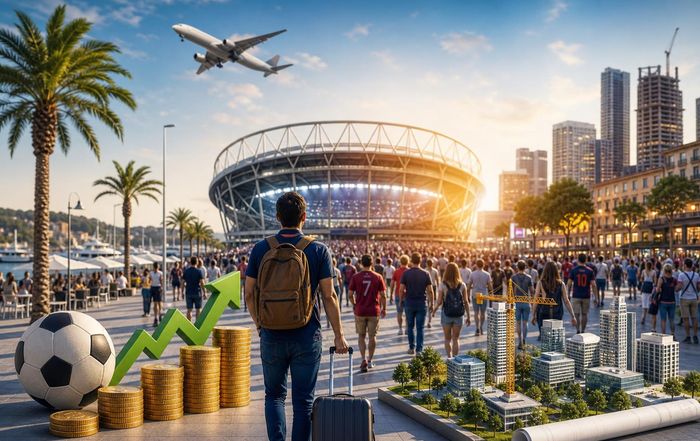
How Sports Events Drive Tourism and Local Investment
The Strategic Power of Sports Events in a Global Visitor Economy
Sports events sit at the intersection of tourism, urban development, and brand strategy in a way that is more deliberate and data-driven than at any previous time, and for fitness news media sites like Sportsyncr-which track the evolving relationships between sports, business, and global culture-this convergence is no longer a side story to the game, but the main narrative shaping decisions for cities, investors, and rights holders worldwide. Governments and private stakeholders from the United States to Germany, Australia, Japan, and across emerging markets are increasingly treating sports events as core infrastructure for the visitor economy, investing not only in stadiums and arenas but also in transport, digital connectivity, hospitality capacity, and community-facing amenities that outlast the final whistle, and this long-term approach is transforming sports from episodic spectacles into sustained engines of tourism and local investment.
Global tourism has rebounded strongly from the disruptions of the early 2020s, with the UN World Tourism Organization reporting that international arrivals in many regions are now at or above pre-pandemic levels, and within that recovery, sports tourism has become one of the fastest-growing segments as fans, participants, and media audiences seek live, shared experiences that cannot be replicated on screens alone. Major events such as the FIFA World Cup, the Olympic Games, the Rugby World Cup, and the UEFA European Championship, alongside city marathons, esports championships, and franchise-based leagues, are reshaping travel patterns, hotel demand, and even the way cities brand themselves to global audiences, and as Sportsyncr continues to analyze these shifts, a clear picture emerges: sports events are no longer just a marketing tool for tourism; they are a strategic asset for long-term local investment and competitiveness.
Understanding the Economics of Sports Tourism
Sports tourism can be broadly divided into three categories-event tourism, active participation tourism, and nostalgia or heritage tourism-and all three interact to create layered economic impacts for host destinations. Event tourism, which includes mega-events and major league competitions, drives spikes in international and domestic arrivals, stimulates spending on accommodation, food and beverage, retail, and local transport, and generates media exposure that can reposition a city or region in the global consciousness, as seen when destinations like Barcelona, London, and Tokyo used Olympic hosting to accelerate urban renewal and rebrand themselves as modern, open, and globally connected hubs. Active participation tourism, ranging from mass-participation marathons in New York, Berlin, and Singapore to cycling, triathlon, and winter sports events in Switzerland, Norway, and Canada, attracts visitors who often stay longer, travel with family or friends, and engage deeply with local culture and nature, aligning with trends identified by organizations such as the World Travel & Tourism Council, which highlight experience-driven travel as a key growth area.
Nostalgia and heritage tourism, built around visits to iconic stadiums, sports museums, and historic venues, sustains visitor flows long after major events have concluded, with venues like Wembley Stadium, Camp Nou, and the All England Lawn Tennis Club drawing year-round tours that complement match-day revenues and reinforce city branding. For destinations that position themselves as year-round sports hubs, the interplay between these three segments-event, participation, and heritage-can create a diversified tourism portfolio that is less vulnerable to seasonality and economic shocks, a pattern that Sportsyncr has observed in cities such as Melbourne, Munich, and Vancouver, where integrated sports, culture, and lifestyle strategies underpin sustained visitor growth.
Mega-Events, Infrastructure, and Long-Term Urban Investment
Mega-events such as the Olympic Games and the FIFA World Cup remain the most visible examples of how sports events can drive tourism and local investment, but by 2026, the conversation has shifted decisively from short-term visitor numbers to long-term return on infrastructure and community assets. Host cities and nations have learned from both success stories and costly missteps of earlier decades, and many now adopt a legacy-first approach, in which every major capital expenditure must serve a post-event purpose that benefits residents and supports broader development objectives such as sustainable mobility, housing, and digital inclusion. Urban economists and planners, including those at institutions like the OECD, increasingly evaluate sports-related infrastructure not only on direct event revenues but also on its contribution to productivity, livability, and inclusive growth, with metrics that capture how stadium districts, public transport upgrades, and waterfront redevelopments catalyze new business activity and employment.
Examples from recent cycles demonstrate this shift in practice, as cities leverage major sports events to accelerate projects that might otherwise take decades, including metro lines, airport expansions, and mixed-use neighborhoods that blend residential, commercial, and leisure functions. Learn more about how integrated transport investments support sustainable cities by reviewing resources from UN-Habitat, which emphasize that well-planned event-driven infrastructure can reduce congestion, improve accessibility, and enhance environmental performance when aligned with long-term master plans rather than short-term political cycles. For Sportsyncr, which closely follows how sports intersects with technology, environment, and world affairs, the key differentiator in 2026 is not the size of the event but the quality of governance and planning that turns temporary excitement into durable urban advantage.
The Role of Sports Events in City Branding and Soft Power
Beyond direct economic indicators, sports events function as powerful instruments of place branding and soft power, enabling cities and countries to project narratives of innovation, openness, resilience, and cultural identity to global audiences. Governments and city marketing organizations in regions as diverse as Europe, Asia, North America, and Africa recognize that hosting a major sports event can reposition their destination in the minds of investors, students, entrepreneurs, and tourists, particularly when the event is framed within a broader story about creativity, inclusion, and future-oriented industries such as green technology or digital media. The Soft Power 30 and similar indices have long highlighted the role of sports in shaping international perception, and in 2026, this connection is even more pronounced as live events become rare moments of shared, cross-border attention in a fragmented media landscape.
Strategic event hosting increasingly involves close collaboration between sports bodies, tourism boards, investment promotion agencies, and cultural institutions, ensuring that the narrative around an event extends beyond the competition itself to showcase local innovation districts, universities, creative quarters, and sustainability initiatives. For example, cities that host major marathons or cycling tours often use accompanying festivals and conferences to highlight their leadership in health tech, active mobility, or sustainable urban design, drawing on research and best practices from organizations like the World Health Organization, which underscores the importance of active lifestyles for public health and productivity. Within this context, Sportsyncr positions itself as a bridge between sports, health, and social impact, providing analysis that helps destinations align event strategies with broader brand and policy objectives.
Sports, Fitness, and Health Tourism: A Converging Ecosystem
The traditional distinction between sports tourism and wellness or health tourism has blurred significantly by 2026, as travelers increasingly seek integrated experiences that combine physical activity, mental well-being, and cultural discovery. Major events are now often accompanied by mass participation runs, community fitness programs, and educational campaigns that encourage residents and visitors alike to engage in healthier behaviors, and this alignment is supported by growing evidence from institutions such as the Mayo Clinic and Harvard T.H. Chan School of Public Health, which link regular physical activity to reduced healthcare costs and improved workforce performance. Host cities and regions-from Canada and the United Kingdom to Singapore and New Zealand-are integrating event calendars with year-round offerings such as trail networks, cycling infrastructure, and sports academies, creating ecosystems where visitors can return outside peak event periods for training camps, retreats, or active holidays.
For Sportsyncr, which covers fitness and health as core editorial pillars, this convergence represents a significant opportunity for destinations and brands that can design holistic visitor journeys rather than one-off event experiences. Hotels, resorts, and tour operators increasingly partner with sports organizations, local gyms, and wellness providers to create packages that cater to amateur athletes, corporate teams, and families, with offerings that might include guided runs along city routes, nutrition workshops, recovery sessions, and access to local clubs or facilities. Learn more about how integrated wellness strategies are reshaping tourism and hospitality by exploring resources from the Global Wellness Institute, which documents the rapid growth of wellness-oriented travel and its synergy with sports and active lifestyles.
Brand Partnerships, Sponsorship, and Local Business Growth
Sports events have long been fertile ground for brand partnerships and sponsorship, but in 2026, the focus has shifted from simple logo exposure to deeper, purpose-driven collaborations that generate tangible value for local communities and small businesses. Global brands such as Nike, Adidas, Coca-Cola, and Visa continue to play prominent roles in major events, yet host cities are increasingly designing sponsorship frameworks that ensure local enterprises-from independent cafes and restaurants to tech start-ups and creative agencies-can benefit from the influx of visitors, media, and investment. This often involves structured supplier diversity programs, pop-up marketplaces, and digital platforms that match event organizers with local vendors, drawing on best practices from organizations like the International Olympic Committee, which has expanded its focus on sustainable sourcing and community impact.
For platforms like Sportsyncr, which dedicates coverage to brands and sponsorship, the most compelling case studies are those where sponsorship dollars translate into lasting capabilities: refurbished community pitches, upgraded digital infrastructure for local businesses, training programs for young professionals, and support for grassroots clubs that nurture the next generation of athletes and fans. Learn more about sustainable business practices by reviewing guidance from the UN Global Compact, which encourages companies to align sports sponsorships with environmental, social, and governance objectives, ensuring that the visibility gained through events is matched by measurable contributions to local prosperity and resilience.
Technology, Data, and the Smart Sports Destination
By 2026, the digital transformation of sports events has moved far beyond streaming and social media engagement, with host cities deploying advanced technologies to optimize visitor flows, personalize fan experiences, and generate insights that inform future investment decisions. Smart ticketing systems, real-time mobility data, AI-driven crowd management, and augmented reality applications are increasingly standard features of major events, and these tools not only enhance safety and convenience but also create rich datasets that help stakeholders understand how visitors move, spend, and interact with the destination. Organizations such as the World Economic Forum have documented how data-driven approaches to urban management and tourism can improve resource efficiency, reduce emissions, and strengthen resilience, and sports events provide concentrated testbeds for these innovations, often in partnership with local universities and technology firms.
For Sportsyncr, whose technology and news coverage tracks the latest developments in fan engagement and smart venues, the leading destinations are those that integrate event technology into broader smart city strategies, ensuring that investments in connectivity, sensors, and analytics serve residents long after the final match. Learn more about digital transformation in sports and tourism by exploring analysis from McKinsey & Company, which highlights how data-enabled personalization and operational efficiency can significantly increase visitor satisfaction and spending while reducing operational risks. As cities from South Korea and Singapore to Denmark and Finland compete to position themselves as innovation hubs, their ability to orchestrate technologically sophisticated sports events becomes both a showcase and a proving ground for their wider digital ambitions.
Social Impact, Inclusion, and Community Engagement
The legitimacy of sports events as drivers of tourism and investment increasingly depends on their social footprint, with residents, advocacy groups, and international observers scrutinizing whether the benefits are broadly shared and whether vulnerable communities are protected from displacement or inequitable cost burdens. In 2026, successful host destinations are those that embed social impact objectives into every stage of event planning, from procurement and workforce development to ticketing policies and community programming, drawing on frameworks promoted by organizations such as UNESCO and Human Rights Watch that emphasize participation, non-discrimination, and transparency. This shift reflects a broader change in public expectations: sports events are no longer judged solely on spectacle and economic output but also on their contribution to social cohesion, youth development, and inclusive public space.
For Sportsyncr, whose editorial lens incorporates social dynamics and community narratives, the most instructive examples come from events that involve local residents as co-creators rather than passive spectators, through initiatives such as volunteer programs, open training sessions, school partnerships, and neighborhood festivals that coincide with competitions. Learn more about how inclusive sports policies can support broader social outcomes by consulting resources from the European Commission on sport and social inclusion, which detail how well-designed interventions can improve educational attainment, reduce anti-social behavior, and strengthen intercultural understanding. When sports events are rooted in local stories and needs, they not only attract visitors but also reinforce a sense of pride and ownership among residents, which in turn makes destinations more attractive to investors seeking stable, engaged communities.
Environmental Sustainability and Climate-Smart Event Strategies
As climate risks intensify across Asia, Europe, Africa, and the Americas, the environmental footprint of sports events has become a central concern for both regulators and the traveling public, and destinations that fail to address sustainability risk reputational damage as well as operational disruptions. In response, host cities and event organizers are adopting climate-smart strategies that encompass low-carbon transport, renewable energy use, circular waste management, and resilient infrastructure design, guided by standards and tools developed by organizations such as the UN Environment Programme and the International Union for Conservation of Nature. Learn more about sustainable event management practices by reviewing guidance from the ISO 20121 standard, which provides a framework for integrating sustainability into every phase of event planning and delivery, from venue selection to supplier engagement and legacy planning.
For Sportsyncr, which tracks the intersection of sports and the environment, a key trend in 2026 is the alignment between environmental objectives and visitor expectations, as fans increasingly favor destinations and brands that demonstrate credible commitments to climate action and biodiversity protection. Initiatives such as carbon-neutral ticketing, nature restoration projects linked to major events, and partnerships with environmental NGOs are becoming common features of bid proposals, particularly in countries such as Sweden, Norway, Switzerland, and New Zealand, where environmental stewardship is closely tied to national identity and tourism appeal. By integrating sustainability into the core narrative of events, destinations can attract a growing segment of eco-conscious travelers while future-proofing their tourism and investment strategies against regulatory and market shifts.
Jobs, Skills, and the Local Workforce of the Future
Sports events generate substantial employment, both directly in event operations and indirectly across hospitality, transport, retail, security, media, and creative industries, and in 2026, there is increasing emphasis on turning these often temporary roles into pathways for long-term skills development and career progression. Host cities and regions from Brazil and South Africa to Italy and Spain are partnering with educational institutions, training providers, and industry associations to create accredited programs in event management, sports marketing, hospitality, digital production, and facility operations, drawing on labor market insights from organizations such as the International Labour Organization. Learn more about how skills development can enhance the impact of tourism and events by exploring research from the World Bank, which highlights the importance of human capital investment for inclusive growth and competitiveness in service-oriented economies.
For Sportsyncr, which covers jobs and talent trends across the sports and tourism ecosystem, the most promising models are those where event-related training is integrated into broader workforce strategies, ensuring that local residents-particularly youth, women, and underrepresented groups-gain transferable skills that remain valuable after the event concludes. Digital literacy, language proficiency, customer service excellence, and entrepreneurial capabilities are all in high demand as destinations seek to differentiate themselves through quality of experience rather than price alone, and sports events offer concentrated opportunities to accelerate these capabilities at scale. When combined with supportive policies for small and medium-sized enterprises, this focus on skills can transform the short-term job surge associated with events into a sustainable foundation for growth in tourism, creative industries, and knowledge-intensive services.
Sports News in a Connected Sports Economy
In a landscape where sports events drive tourism, shape urban investment, influence brand strategies, and catalyze innovation, the need for integrated, trustworthy analysis has never been greater, and this is where platforms such as Sportsyncr play a distinctive and increasingly influential role. By connecting daily news and media reporting across sports, business, culture, science, and world affairs, Sportsyncr provides decision-makers in cities, federations, brands, and investment firms with a holistic view of how events intersect with broader economic, social, and technological trends. Learn more about the evolving global context for tourism and investment by examining insights from the International Monetary Fund, which underscores how structural shifts in demographics, digitalization, and climate policy are reshaping growth prospects across regions.
For host destinations and stakeholders seeking to maximize the benefits of sports events, the lessons of 2026 are clear: success depends on long-term planning, cross-sector collaboration, evidence-based decision-making, and a commitment to delivering value not only for visitors and investors but also for residents and the environment. Sports events are powerful catalysts, but their true impact is determined by the strategies and institutions that surround them, and by the willingness of leaders to integrate sports into broader visions of inclusive, sustainable development. As Sportsyncr continues to track and interpret these dynamics across North America, Europe, Asia, Africa, and South America, it reinforces a central insight for its global audience: in the modern visitor economy, the real game is not only played on the field, track, or court, but also in the boardrooms, city halls, and community spaces where the future of tourism and local investment is being designed.