

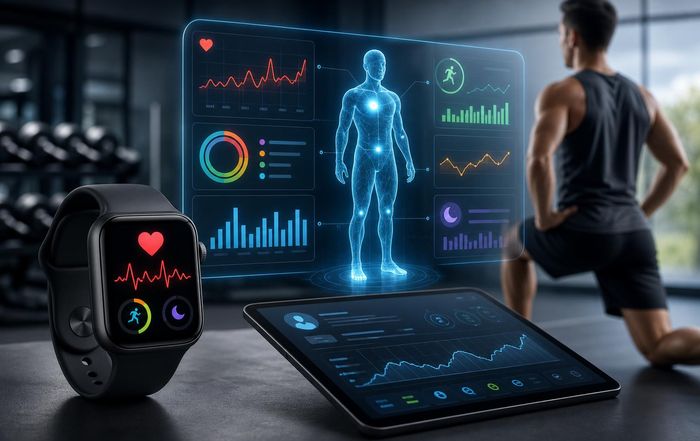
How Health Data Is Changing Fitness Coaching
The Data-Driven Reinvention of Coaching
Fitness coaching has moved a bit from intuition-led guidance to a data-driven discipline in which continuous health metrics, predictive analytics, and personalized insights form the backbone of training decisions, program design, and long-term athlete development. Across elite sport in the United States, community gyms in Germany, digital coaching platforms in Singapore, and hybrid studios in Australia, the convergence of health data and coaching practice is reshaping expectations of performance, safety, and accountability, and Sportsyncr sits at the center of this shift as a platform dedicated to explaining and hopefully a simplified way, challenging, and humanizing this transformation for athletes, coaches, brands, and decision-makers worldwide.
As wearable sensors, connected fitness devices, and smart training environments proliferate, data once reserved for sports science laboratories is now embedded in everyday routines, from heart rate variability tracking during sleep to real-time movement analytics on the training pitch. Organizations such as WHO and CDC have published increasingly sophisticated guidance on physical activity and health risk factors, and coaches are using these frameworks not as abstract recommendations but as operational baselines for personalized programs that adapt to the realities of modern work, travel, and stress. Learn more about evolving global physical activity guidelines at the World Health Organization and explore public health data trends through the Centers for Disease Control and Prevention.
For the audience of Sportsyncr, this shift is not theoretical. It affects how training plans are built, how brands position their products, how clubs and leagues evaluate talent, how health professionals collaborate with coaching staff, and how fans and consumers interpret performance narratives. The question is no longer whether health data will change fitness coaching, but how to ensure that this change is credible, ethical, inclusive, and genuinely performance-enhancing rather than merely technologically impressive.
From Gut Feel to Evidence-Led Coaching
Traditional coaching has always relied on a blend of experience, observation, and interpersonal insight, with seasoned coaches reading body language, perceived exertion, and qualitative feedback to make adjustments on the fly. While this craft remains essential, especially in elite environments from the English Premier League to the NBA, the profession has been transformed by the systematic integration of health metrics such as resting heart rate, oxygen saturation, sleep quality, hormonal markers, and musculoskeletal load.
Sports performance institutes and governing bodies, including UK Sport and the Australian Institute of Sport, have invested heavily in longitudinal data programs that track athletes over multiple seasons, enabling coaches to understand the relationships between training load, recovery patterns, injury incidence, and competitive outcomes. Readers can explore high-performance frameworks through resources from UK Sport and the Australian Institute of Sport. For the broader fitness industry, this elite-level knowledge is now filtering down into consumer platforms, with personal trainers in Canada, Italy, and Brazil using similar principles to those employed in Olympic programs, albeit with simplified tools and more accessible interfaces.
On Sportsyncr, this evolution is visible across its dedicated sections, where coverage of sports performance and competition intersects with fitness methodologies and health innovation, offering readers a cohesive view of how evidence-led coaching is being interpreted differently in North America, Europe, and Asia. The platform's editorial stance emphasizes that while data can refine decision-making, it cannot replace the nuanced judgment and contextual understanding that experienced coaches bring to each athlete's journey.
The New Health Data Stack: Wearables, Platforms, and Ecosystems
The core enabler of this coaching revolution is the modern health data stack, a layered ecosystem that connects sensors, software platforms, and analytical models into a coherent environment for decision-making. At the foundation are consumer and professional wearables from companies such as Apple, Garmin, Polar, Whoop, and Oura, which capture continuous streams of biometric information ranging from heart rate and sleep staging to skin temperature and blood oxygen saturation. Learn more about the evolution of consumer health wearables through Apple's health and fitness resources and the training science insights regularly published by Garmin.
Above this sensor layer sit platforms that aggregate and interpret data, including Strava, TrainingPeaks, Fitbit, and emerging AI-driven coaching tools that ingest metrics from multiple devices, cross-reference them with training history, and generate dynamic recommendations. Many of these platforms are increasingly open, integrating with electronic health record systems, telehealth providers, and specialized services for cardiology, sleep medicine, and mental health. Discover how integrated digital health ecosystems are developing via the U.S. Office of the National Coordinator for Health Information Technology and the broader digital health coverage at HealthIT.gov.
For Sportsyncr, this ecosystem is not just a technical infrastructure; it is a new competitive landscape in which brands, clubs, and technology companies compete for data access, user attention, and long-term loyalty. Its technology coverage examines how cloud providers, AI research labs, and sports analytics firms are positioning themselves, while its business section explores the commercial implications for gyms, digital fitness subscriptions, and corporate wellness programs across Europe, Asia-Pacific, and South America.
Personalized Training: From Generic Plans to Adaptive Protocols
One of the most visible impacts of health data on coaching is the rise of truly personalized training, in which generic templates are replaced by adaptive protocols that respond to the athlete's physiological state, lifestyle constraints, and long-term goals. Instead of prescribing fixed weekly mileage or standardized resistance routines, coaches increasingly use metrics like heart rate variability, readiness scores, sleep debt, and subjective wellness indices to calibrate intensity, volume, and recovery.
This approach has been accelerated by research from institutions such as Harvard Medical School and Mayo Clinic, which have deepened understanding of how sleep, stress, and metabolic health interact with exercise adaptation. Interested readers can explore foundational insights on exercise and cardiometabolic health at Harvard Health Publishing and review clinical perspectives on training and recovery through Mayo Clinic. In practice, this means that a distance runner in Kenya, a cyclist in France, and a recreational CrossFit enthusiast in Canada may all receive daily adjustments to their programs based on how their bodies are responding in real time, rather than following static periodization plans.
On Sportsyncr, the personalization story cuts across multiple verticals. Its fitness-focused content examines how adaptive training is reshaping expectations in gyms and digital platforms, while its culture coverage explores how personalized coaching is influencing identity, motivation, and community among younger demographics in Germany, Japan, and Brazil. Crucially, the platform emphasizes that personalization must be grounded in validated science and transparent methodology, not just marketing language about "AI-powered coaching."
Integrating Health, Performance, and Longevity
As health data becomes more granular and accessible, fitness coaching is gradually expanding its time horizon from short-term performance to long-term health and longevity. Elite athletes and everyday exercisers alike are increasingly aware of the trade-offs between peak performance and sustainable well-being, with coaches being asked not only to deliver results for the next competition but also to protect cardiovascular, musculoskeletal, and mental health over decades.
Global organizations and research centers, including the National Institutes of Health and European Society of Cardiology, have contributed to a more nuanced understanding of exercise dose-response relationships, overtraining syndromes, and the early detection of cardiac anomalies in athletes. Readers can learn more about long-term exercise and cardiovascular health through resources from the National Institutes of Health and the European Society of Cardiology. This knowledge has been translated into practical screening protocols, load management strategies, and red-flag alert systems embedded in coaching platforms and team infrastructures from Major League Soccer to Bundesliga academies.
For Sportsyncr, which connects health, sports, and science coverage under a unified editorial vision, the integration of performance and longevity is a central theme. Its reporting highlights how clubs in Spain, Netherlands, and South Korea are investing in multidisciplinary performance departments that bring together sports scientists, dietitians, psychologists, and medical staff around shared data platforms, and how similar models are emerging in corporate wellness programs and community health initiatives around the world.
The New Skill Set for Data-Literate Coaches
The proliferation of health data has fundamentally changed the competency profile of modern fitness coaches, whether they operate in elite environments, boutique studios, or fully remote digital platforms. Beyond traditional skills in program design, technique instruction, and motivational communication, coaches in 2026 are expected to understand the basics of data literacy, including how to interpret time-series metrics, distinguish between signal and noise, and recognize when algorithmic recommendations conflict with real-world context or clinical guidance.
Professional bodies and governing organizations such as ACSM (American College of Sports Medicine) and NSCA (National Strength and Conditioning Association) have updated their certification frameworks to include modules on data interpretation, ethical data use, and collaboration with healthcare professionals. Learn more about evolving professional standards at the American College of Sports Medicine and explore strength and conditioning best practices via the National Strength and Conditioning Association. Universities in United Kingdom, Canada, and Singapore are also expanding sports science and coaching curricula to include courses on wearable technology, machine learning basics, and digital behavior change strategies.
On Sportsyncr, this shift is reflected in the way the platform covers jobs and careers in the sports, fitness, and wellness sectors. Articles and interviews increasingly highlight roles such as performance data analyst, digital coaching specialist, and athlete monitoring coordinator, illustrating how coaches in Europe, Asia, and Africa are upskilling to remain relevant in a marketplace where athletes and clients expect evidence-backed guidance and transparent use of their data.
Brands, Platforms, and the Business of Health Data
Health data has become a strategic asset for brands and platforms operating at the intersection of sports, fitness, and lifestyle, with implications that extend from product design and marketing to sponsorship and fan engagement. Companies ranging from Nike and Adidas to Lululemon and Under Armour now integrate digital coaching features, community challenges, and personalized recommendations into their ecosystems, using aggregated data insights to refine footwear, apparel, and equipment lines tailored to specific segments in North America, Europe, and Asia-Pacific.
At the same time, health and fitness apps are building subscription-based business models around premium analytics, recovery recommendations, and integrated telehealth services. Industry analysts and market research firms, including McKinsey & Company and Deloitte, have documented the rapid growth of the connected fitness and digital health markets, with particular momentum in United States, China, and United Kingdom. Readers can explore broader market dynamics through insights from McKinsey on Sports and Wellness and examine digital health investment trends via Deloitte's health care industry analysis.
For Sportsyncr, which maintains a dedicated brands vertical and extensive business coverage, this commercial dimension is central to its editorial mission. The platform analyzes how brands in Germany, France, and Japan are leveraging health data in partnerships with clubs, leagues, and influencers, how sponsorship agreements are evolving to include performance and engagement metrics, and how consumer expectations of transparency and data protection are reshaping marketing narratives across the global sports economy.
Privacy, Ethics, and Trust in a Data-Saturated Era
The growing reliance on health data in fitness coaching has brought privacy, ethics, and trust to the forefront of industry debates, forcing organizations and professionals to confront complex questions about consent, ownership, and the potential misuse of sensitive information. Regulations such as GDPR in Europe and HIPAA in United States, along with emerging data protection frameworks in Brazil, South Africa, and Singapore, set legal baselines, but the ethical bar for health-related data is higher than for typical consumer analytics.
Regulatory bodies and advocacy organizations, including the European Data Protection Board and Electronic Frontier Foundation, have highlighted risks ranging from unauthorized data sharing and profiling to discrimination in employment or insurance based on health metrics. Learn more about evolving data protection principles at the European Data Protection Board and explore digital rights perspectives through the Electronic Frontier Foundation. In sport, cases involving biometric monitoring of athletes without clear consent or the use of private health data in contract negotiations have sparked public debate in United States, United Kingdom, and Italy, underlining the need for robust governance frameworks.
Within this context, Sportsyncr treats trust as a core editorial pillar. Its social and ethics coverage examines how federations, leagues, and technology providers are developing codes of conduct for data use, while its news reporting tracks regulatory developments and high-profile disputes across Global, Europe, and Asia. The platform emphasizes that sustainable innovation in health data and coaching depends not only on technical excellence but also on clear communication, participatory consent models, and meaningful accountability when things go wrong.
Global and Cultural Dimensions of Data-Driven Coaching
Although the technological foundations of health data are increasingly global, the way data-driven coaching is adopted and interpreted varies significantly across regions and cultures. In United States and Canada, high penetration of wearables and strong consumer interest in quantified-self trends have created fertile ground for app-based coaching and remote training models. In Germany, Netherlands, and Nordic countries like Sweden, Norway, Denmark, and Finland, strong privacy norms and regulatory frameworks shape more cautious approaches to data sharing, even as sports clubs and fitness chains invest heavily in performance analytics.
In Asia, markets such as China, South Korea, Japan, and Singapore are at the forefront of integrating health data into smart city initiatives, corporate wellness programs, and community sports infrastructure, with governments and large technology companies playing a central role. Meanwhile, in Africa and parts of South America, including South Africa and Brazil, mobile-first health and fitness solutions are emerging that adapt data-driven coaching to resource-constrained environments, leveraging smartphones and low-cost wearables to support both performance and public health objectives. For a broader perspective on regional digital health strategies, readers can consult resources from the World Economic Forum and the OECD's health policy insights.
Sportsyncr is uniquely positioned to surface these regional nuances, drawing on its world coverage to compare how clubs in Spain or Italy approach data-driven coaching relative to counterparts in Australia or New Zealand, and how cultural attitudes toward authority, technology, and health influence adoption patterns. Its culture section also explores how fans and communities interpret the growing visibility of health metrics in broadcasts, social media, and athlete storytelling, from live heart-rate overlays in cycling coverage to recovery score discussions during esports tournaments.
Beyond Sport: Health Data, Work, and Everyday Performance
The influence of health data-driven coaching now extends beyond traditional sport and fitness into workplaces, education, and digital communities. Corporations in United Kingdom, United States, and Singapore are partnering with wellness platforms to offer employees personalized activity, sleep, and stress management programs, often linked to incentives and insurance benefits. Universities and schools in Germany, Canada, and Japan are experimenting with data-informed physical education and mental health support, while remote workers in Europe and Asia-Pacific increasingly rely on digital coaching tools to manage sedentary behavior and maintain energy levels.
Research organizations such as OECD and World Bank have explored how health and productivity interact at national and organizational levels, highlighting the economic implications of physical inactivity, chronic disease, and burnout. Readers can learn more about the macroeconomic dimensions of health and productivity through the OECD's work on health and the economy and the World Bank's human capital insights. In this broader context, the methodologies and technologies originally developed for elite sport and high-performance fitness are being repurposed to support sustainable work performance, healthy aging, and community resilience.
For Sportsyncr, which connects business, health, and social impact reporting, this expansion of coaching logic into everyday life is a critical narrative. The platform examines both the opportunities and the tensions that arise when performance metrics are applied to domains such as knowledge work, education, and creative industries, where the line between helpful feedback and intrusive monitoring can be thin.
The Tracks Ahead: Responsible Innovation and Human-Centered Coaching
As health data continues to reshape fitness coaching, the most important questions are no longer about whether the technology works, but about how it is governed, who benefits, and how human relationships are preserved in increasingly quantified environments. Coaches, athletes, consumers, and organizations across North America, Europe, Asia, Africa, and South America are grappling with the same core challenge: how to harness the precision and predictive power of data without losing the empathy, creativity, and contextual judgment that define great coaching.
Leading research institutions, policy bodies, and industry coalitions are beginning to articulate frameworks for responsible innovation in sports and health technology, emphasizing principles such as transparency, fairness, inclusivity, and long-term impact. Stakeholders can follow these emerging frameworks through platforms such as the UNESCO sport and ethics initiatives and the International Olympic Committee's work on athlete health and protection. Yet the translation of these principles into everyday practice will depend on thousands of micro-decisions made by coaches, product managers, data scientists, and athletes in gyms, stadiums, homes, and virtual spaces worldwide.
Within this evolving landscape, Sportsyncr positions itself as a trusted well research, premium news content hub, critical, and globally minded voice, connecting insights from sports, fitness, health, technology, and business into a coherent narrative about how health data is changing not only fitness coaching, but the broader culture of performance and well-being. By highlighting both breakthroughs and blind spots, amplifying diverse regional perspectives, and foregrounding the ethical and human dimensions of data-driven coaching, the platform aims to help its audience navigate a future in which every heartbeat, every step, and every training decision can be measured, but must still be meaningfully interpreted.
In this sense, the story of health data and fitness coaching is ultimately a story about trust: trust in data, trust in systems, and above all, trust in the people-coaches, athletes, and communities-who must decide how to use these powerful tools in pursuit of healthier, more sustainable, and more equitable forms of performance around the world.