

How Athlete-Led Fashion Is Rewriting Streetwear Culture
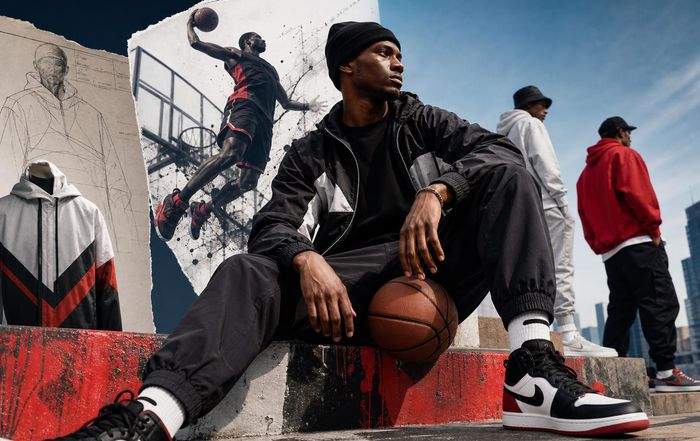
Streetwear has long borrowed from sport, but the balance of power has shifted. Where brands once dictated how athletes looked off the court, today many of the most influential streetwear trends begin with the athletes themselves. From tunnel walks to social feeds and player-founded labels, athlete-led fashion has become one of the strongest forces shaping what people wear on city streets worldwide.
This super piece looks at how that shift happened, why it matters culturally and commercially, and where athlete-driven style might go next.
From Uniforms to Personal Brands: How We Got Here
For most of the 20th century, athletes' style was tightly controlled. Teams, leagues, and sponsors dictated uniforms, travel outfits, and even hair in some cases. Off the field, players might have had flair, but there were few cameras and almost no direct connection with fans. Fashion influence flowed one way: big sportswear companies designed products, athletes endorsed them, and fans bought what they saw in ads or on the court.
Several structural changes flipped that model. First, the rise of global sports broadcasting and highlight culture turned star athletes into round-the-clock celebrities, not just game-time performers. Then came social media, which gave players unfiltered channels to show their lives, tastes, and wardrobes directly to millions. Platforms like Instagram and TikTok turned everyday outfits into content, and the pre-game walk into a runway watched in real time.
At the same time, streetwear itself was evolving. What started as a mix of skate, surf, and hip-hop aesthetics in cities like New York, Los Angeles, Tokyo, and London became a global industry, with brands such as Supreme, A Bathing Ape, and Stüssy influencing youth culture far beyond their home markets. As streetwear moved into luxury through labels like Off-White and collaborations with houses such as Louis Vuitton, athletes found a natural bridge between their sportswear roots and the new high-low fashion landscape. The result is a generation of athletes who see clothing not as an afterthought, but as a core part of their identity and business.
The Tunnel as Runway: How Visibility Turned Fits into Power
One of the clearest symbols of athlete-led fashion is the transformation of the arena tunnel. In the NBA, the walk from team bus to locker room-once a private, utilitarian moment-has become a globally watched fashion show. Media outlets, from ESPN to GQ, now routinely cover "tunnel fits," and league social channels push pre-game looks almost as eagerly as highlight dunks.
This visibility has real influence. When LeBron James arrives in a tailored Thom Browne shorts suit, Russell Westbrook pairs a vintage band tee with pearl necklaces, or Shai Gilgeous-Alexander steps out in emerging Japanese labels, those choices ripple through fashion communities. Stylists, buyers, and young fans track these outfits for cues on silhouettes, color palettes, and up-and-coming brands. The dynamic isn't limited to basketball: NFL players' arrival looks, Premier League footballers' post-match outfits, and WNBA stars' tunnel style have all become content in their own right.
Leagues have responded with varying degrees of freedom. The NBA's dress code, introduced in 2005 to promote a "business casual" image, initially restricted some self-expression, but over time enforcement softened as the league recognized the marketing value of fashion-forward players. Meanwhile, FIFA and domestic football leagues in Europe have fewer formal style rules off the pitch, giving players more latitude to experiment. This shift reflects a wider understanding that fashion is part of the entertainment product, not a distraction from it.
For fans, this constant stream of outfits blends seamlessly with broader streetwear culture. A tunnel look can spark new interest in workwear jackets, technical outerwear, or a niche sneaker silhouette, and those trends quickly surface in cities worldwide. In effect, athletes have become mobile, global billboards for both established and emerging streetwear ideas.
For readers who follow style as closely as sport, the tunnel phenomenon also connects to broader content on sports culture and how off-field narratives shape fandom.
From Endorsements to Ownership: Athlete-Founded Streetwear Labels
The most direct way athletes shape streetwear is by starting their own brands. Instead of merely endorsing products from Nike, Adidas, or Puma, top players now build labels that reflect their personal narratives, aesthetics, and values.
Basketball has been particularly fertile ground. Michael Jordan's long-standing partnership with Nike created the Jordan Brand, which, while owned by Nike, effectively functions as an athlete-anchored subculture with its own distinct identity, from retro Air Jordan sneakers to lifestyle apparel. Later generations pushed further into ownership. LeBron James has partnered with Nike on signature lines and lifestyle capsules that blur performance and fashion, while Russell Westbrook launched his own label, Honor The Gift, rooted in Los Angeles street style and personal storytelling.
Footballers have followed suit. Neymar Jr. moved from Nike to Puma, positioning himself not just as a boot endorser but as a central figure in Puma's lifestyle push. Players such as Héctor Bellerín have invested in or collaborated with sustainable and ethically focused brands, reflecting environmental and social concerns that resonate with younger consumers and align with interests like environmental issues in sport.
Women athletes are increasingly prominent in this space. Serena Williams has used her own S by Serena line and partnerships with brands like Nike to champion inclusive sizing and bold, unapologetic aesthetics, while Naomi Osaka has worked with Nike, Louis Vuitton, and other labels on collections that blend Japanese and American cultural influences. In the WNBA, players have begun launching capsule collections that reflect the league's strong ties to social justice and queer culture, adding new voices and references to mainstream streetwear.
This move toward ownership matters because it shifts creative control. Instead of simply wearing what they're given, athletes now shape everything from fabric choice to campaign imagery. That creative authority feeds back into streetwear culture, introducing new design languages, storytelling frameworks, and business models that other brands and fans watch closely. It also intersects with the broader sports business landscape, which we cover regularly in our business and sponsorship sections.
Sneaker Culture: The Original Athlete-Led Streetwear Story
Sneakers are the clearest bridge between sport and streetwear, and they remain the most powerful example of athlete-driven style. The modern sneakerhead movement arguably began with athlete signatures: the Air Jordan 1, Converse Chuck Taylor, Adidas Stan Smith, and Puma Clyde all migrated from courts and pitches to sidewalks, helping define casual style for decades.
What has changed is the speed and intensity with which sneaker trends now spread. Signature lines from Nike, Adidas, New Balance, and Puma are no longer just performance tools; they are lifestyle objects, investment pieces, and cultural artefacts. Collabs like Travis Scott x Nike, Pharrell x Adidas, or Kanye West's former Yeezy line show how celebrity and music figures intersect with sport, but athlete-anchored models such as LeBron, Kyrie, or Giannis signatures still drive hype cycles, resale markets, and design trends.
Official brand sites such as Nike, Adidas, Puma, and New Balance remain reference points for how performance innovation is packaged as streetwear. Meanwhile, the secondary market, tracked by platforms like StockX, has turned limited athlete releases into speculative assets, with prices reflecting not just design quality but also on-court narratives and cultural moments.
Crucially, sneaker culture has become more global and more inclusive. Basketball silhouettes are now staples from Seoul to São Paulo, while football boots inspire lifestyle crossovers in European and Latin American cities. Women's sneaker communities have pushed brands to expand sizing and storytelling, and athletes in leagues such as the WNBA or NWSL are slowly beginning to get more signature or player-exclusive models, challenging a historically male-centric market.
For readers interested in performance and training footwear, these trends also intersect with topics we cover under fitness and health, where the line between functional gear and everyday wear is increasingly blurred.
Cultural Signalling: Identity, Politics, and Community
Athlete-led fashion is not just about aesthetics; it is also a form of communication. Clothing choices can signal hometown pride, racial and cultural identity, political stances, or community affiliations. When Colin Kaepernick wore shirts referencing police brutality and Black history, or when NBA and WNBA players arrived at arenas in "Black Lives Matter" tees, those outfits became part of a wider social conversation, amplified by sports broadcasts and social media.
This politicization of dress aligns with broader cultural trends. Research from organizations like the Pew Research Center and coverage by outlets such as The New York Times and The Guardian have explored how younger generations increasingly see consumption choices as political acts. Athlete-driven streetwear reflects that shift: a hoodie might be produced by a Black-owned brand, a T-shirt might reference Indigenous land rights, or a capsule collection might donate proceeds to LGBTQ+ causes.
Globalization deepens these layers. Footballers from Africa wearing European luxury mixed with local designers, or NBA stars embracing Japanese labels like Comme des Garçons and Neighborhood, reflect a two-way cultural exchange. Cities like London, Paris, Tokyo, New York, and Los Angeles serve as hubs where sport, fashion, and music intersect, and athletes move fluidly between these scenes. Fashion weeks increasingly feature athletes in front rows and on runways, while sports media and style media cross-pollinate coverage, something readers can see reflected in our own world and news sections.
For fans, copying an athlete's look can be a way to signal belonging-to a club, a neighborhood, a music scene, or an activist cause. In that sense, athlete-led streetwear is not just trickle-down trendsetting; it is part of how communities construct identity and solidarity.
Social Media, Algorithms, and the New Fashion Ecosystem
The current power of athlete-led fashion would be impossible without digital platforms. Social media algorithms reward strong visuals and recognizable faces, which makes athletes in striking outfits ideal content. A single tunnel video on Instagram, a fit breakdown on YouTube, or a styling clip on TikTok can reach millions in hours, compressing the time between an outfit's debut and its influence on mainstream streetwear.
This environment has created new roles and micro-industries. Player stylists curate looks that balance personal expression, brand obligations, and algorithm-friendly aesthetics. Content creators run fan pages dedicated to athlete outfits, tagging every garment and brand. Fashion media outlets like GQ, Vogue, and Hypebeast now cover sports style as a regular beat, further blurring the line between sports journalism and fashion reporting.
For brands, this ecosystem changes marketing strategy. Instead of relying solely on traditional campaigns, they seed pieces to athletes and stylists, betting that organic tunnel shots and social posts will outperform conventional ads. Direct-to-consumer labels can gain instant global visibility if a single star is photographed in their hoodie or jacket. This has opened doors for smaller, independent designers, particularly those from underrepresented communities, to enter the streetwear conversation via athlete platforms.
At the same time, there are risks. The speed of trends can encourage overconsumption and make it harder for sustainable practices to take root. Some critics argue that the constant churn of "fit culture" prioritizes hype over substance and deepens the pressure on young fans to buy into expensive looks. These tensions mirror broader debates around consumerism and sustainability in fashion, which organizations like the Ellen MacArthur Foundation and Fashion Revolution highlight in their calls for circular and ethical practices.
Gender, Body Image, and Representation
Athlete-led fashion has also complicated and, in some cases, improved conversations about gender and body image in streetwear. Historically, mainstream fashion often centered narrow body standards and binary gender categories. By contrast, many elite athletes have physiques that do not fit conventional runway norms-taller, more muscular, broader, or simply different-and their embrace of fashion challenges those old boundaries.
Women athletes in particular have used style to assert visibility and agency. In the WNBA, players like A'ja Wilson, Skylar Diggins-Smith, and Sabrina Ionescu mix menswear, tailored suits, sneakers, and feminine pieces in ways that resonate with queer communities and young women who do not see themselves in traditional fashion advertising. Footballers in leagues such as the NWSL and Women's Super League have similarly leveraged social media to showcase fits that blend athleisure, vintage, and streetwear, expanding the visual language of what women in sport can look like.
Non-binary and gender-nonconforming athletes, though still underrepresented at elite levels, also contribute to this shift. When they express themselves through clothing, it sends a message that sport and style need not be constrained by rigid gender codes. Major brands, from Nike to Adidas, have begun releasing gender-neutral collections and expanding size ranges, partly in response to these cultural pressures.
Body positivity intersects here as well. Seeing powerful, diverse bodies in high-fashion contexts-on magazine covers, at fashion weeks, or in brand campaigns-can help normalize a wider range of shapes and sizes. At the same time, the constant scrutiny of athlete bodies and outfits online can fuel unrealistic expectations and harsh commentary, reminding us that representation gains do not automatically erase toxicity in digital spaces. These health and identity dimensions connect with broader conversations we explore in our health and social coverage.
Money, Power, and the Business of Cool
Behind every tunnel fit and capsule collection lies a complex business story. Athlete-led fashion is not just a cultural phenomenon; it is a major economic force that shapes sponsorship deals, league revenues, and brand strategies.
For top athletes, fashion offers diversification. Income from clothing lines, equity stakes in streetwear labels, and long-term lifestyle partnerships can outlast playing careers and reduce reliance on team contracts. Agencies and management firms now routinely negotiate creative control, capsule collections, and profit-sharing structures in apparel deals, treating athletes as co-creators rather than just endorsers.
Brands, in turn, see athletes as gateways into hard-to-reach demographics. Youth audiences who might ignore traditional ads often engage with athletes' personal content. That's why companies across sectors-from sportswear giants to luxury houses like Louis Vuitton and Gucci-court athletes for campaigns and collaborations. When Virgil Abloh invited players like LeBron James and Serena Williams into the orbit of Off-White and Louis Vuitton, it signaled a long-term alignment between high fashion and sport.
Leagues and clubs also benefit. Fashionable players boost global visibility, attract lifestyle sponsors, and help teams position themselves as culture brands rather than just sporting entities. Clubs like Paris Saint-Germain have leaned aggressively into this strategy, collaborating with Jordan Brand and cultivating an image that resonates far beyond football supporters. This convergence of culture and commerce is a recurring theme in our business and brands coverage.
However, the commercialization of athlete style raises questions. How much of what we see is genuine self-expression versus carefully planned marketing? Do smaller, independent designers truly benefit, or do big corporations capture most of the value? And what happens when an athlete's political or social messaging conflicts with a sponsor's risk tolerance? These tensions underscore that athlete-led fashion is as much about power as it is about clothes.
Where Athlete-Led Streetwear Might Go Next
Looking ahead, several trends suggest how athlete-driven fashion could evolve in the coming years.
First, expect deeper integration of performance technology into everyday streetwear. As sports science advances-tracked by organizations like the International Olympic Committee and research institutions such as MIT and Loughborough University-materials designed for elite training are likely to filter into lifestyle garments. Athletes, as early adopters and co-designers, will showcase those innovations in ways that influence mainstream style, from moisture-regulating fabrics to smart textiles and wearables.
Second, sustainability pressures will grow. Younger fans are increasingly aware of fashion's environmental impact, and many athletes use their platforms to advocate for climate action. Brands that partner with players on truly circular or low-impact collections-recycled materials, repair programs, transparent supply chains-could set new norms for what aspirational streetwear looks like. This aligns with the rise of eco-conscious sports initiatives we follow in our new environment section.
Third, localization and diversity of influence will intensify. While NBA and top-tier European football stars currently dominate global style feeds, regional athletes in leagues across Asia, Africa, and South America are building devoted followings. Their fashion choices often blend local textiles and traditions with global streetwear codes, offering fresh ideas that may eventually flow back into Western markets. Platforms such as Instagram and TikTok make it easier for those regional voices to reach global audiences without traditional media gatekeepers.
Finally, digital fashion and gaming could open new frontiers. As metaverse-adjacent platforms and games like Fortnite, NBA 2K, and FIFA expand their customizable avatar systems and in-game stores, athletes may design virtual streetwear capsules that fans can wear online even if they cannot afford or access physical pieces. This convergence of sport, gaming, and fashion connects directly with topics we explore in our daily gaming and technology coverage.
Why It Matters Beyond the Clothes
Athlete-led fashion sits at the intersection of sport, culture, business, and identity. It shapes how fans see their heroes, how young people construct their own style, and how brands position themselves in a crowded marketplace. It has elevated athletes from product endorsers to cultural authors, capable of setting agendas on everything from silhouette trends to social justice messaging.
For some, this fusion of sport and style might feel like a sideshow compared with wins and losses. But in an era when athletes are global influencers and sport is deeply entangled with media and commerce, what players wear-and who gets to decide-offers a revealing window into where power and creativity reside. Streetwear culture, once defined from the ground up by subcultures on the margins, is now being rewritten in collaboration with the world's most visible athletes.
Whether that collaboration ultimately makes fashion more inclusive, more sustainable, and more expressive will depend on the choices athletes, brands, and fans make next. What is clear is that the days when sports stars simply wore what they were given are over. Today, they are among the key authors of the global streetwear story.